A Fab Fall Folk-and-Jazz Friday

What Coltrane-inspired saxophonist tours with the Rolling Stones AND Pat Metheny, records with soul queen Aretha and perfectionist pop-rockers Steely Dan, inspires Michelle Colombier to compose an orchestral piece for him and helps jazz singer Kurt Elling win his first Grammy for their tribute to ‘Trane and Johnny Hartman?

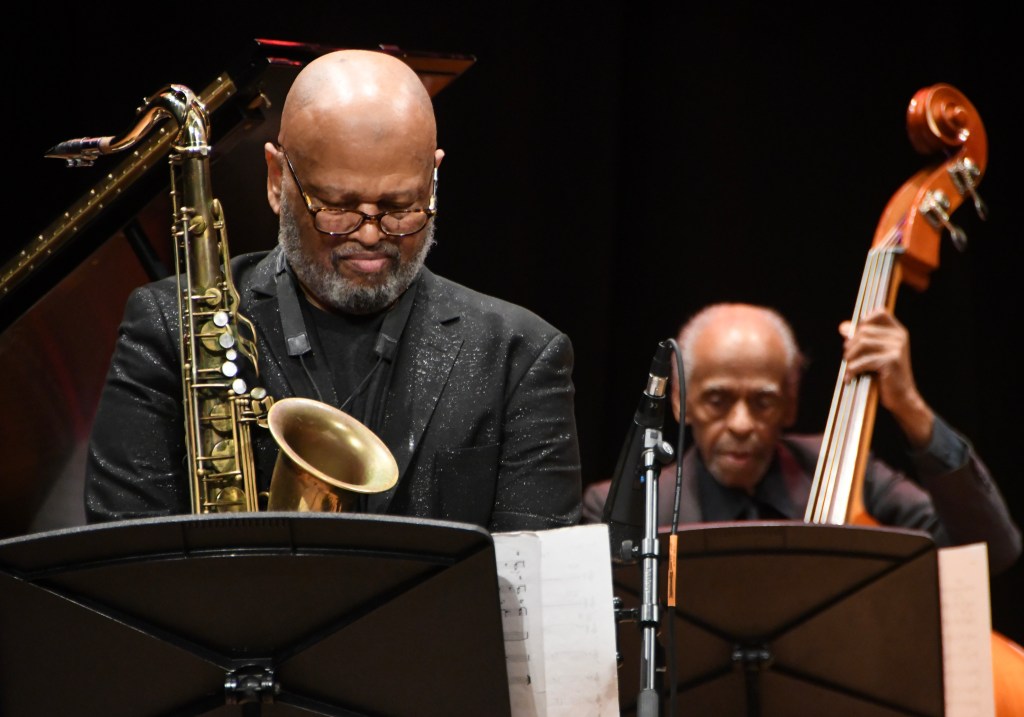
Just one: Ernie Watts, who leads his Quartet at A Place for Jazz Friday. There’s more than unprecedented versatility to the veteran tenor saxophonist. The Frankfurt Music Prize honored Watts’s “strikingly melodic saxophone style and his original tone language, with which he has already enriched several generations of musicians.”
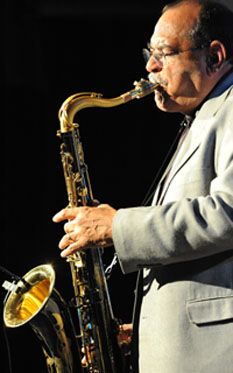
Ernie Watts. Patricia Watts photo

Watts, who turned 81 last Friday, started early and never slowed down. A self-proclaimed self-starter at 13, his life changed on hearing tenor god John Coltrane on Miles’s “Kind of Blue.” As Watts recalled on his website, “…it was like someone put my hand into a light socket.” He left Boston’s Berklee College of Music (and a Downbeat scholarship) to fill in temporarily with the Buddy Rich Big Band when its tenor player Gene Quill left. “Temporarily” turned into two years, world tours, two Rich albums and a move to L.A.

There, Watts worked with everybody, then he played everywhere, as a sideman valued for his versatility and tone and leader of his own bands, both here and in Europe.

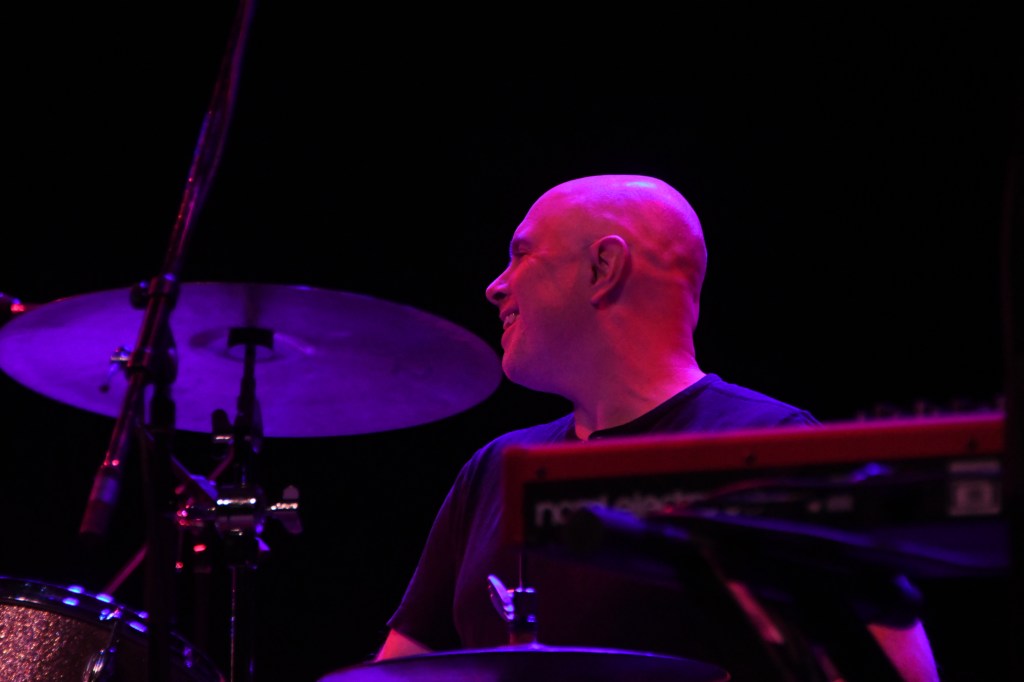
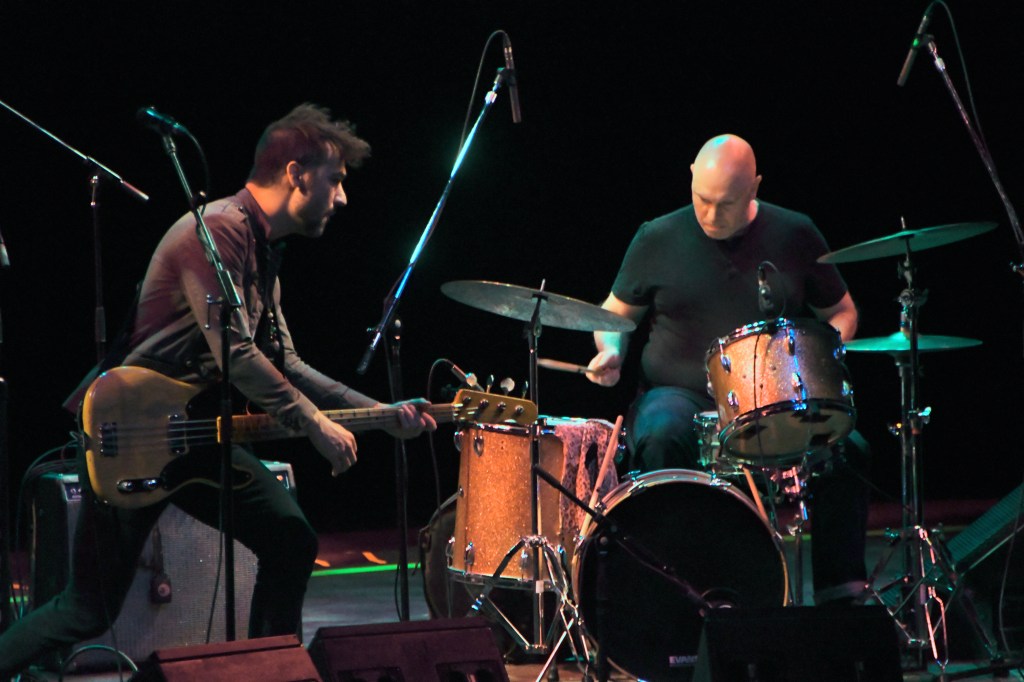
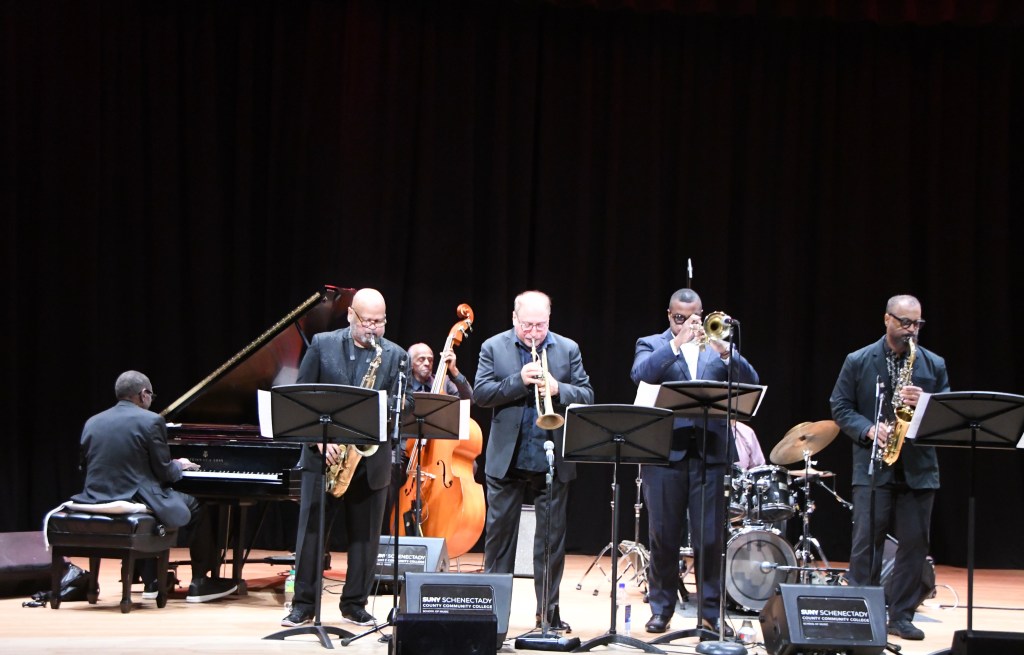
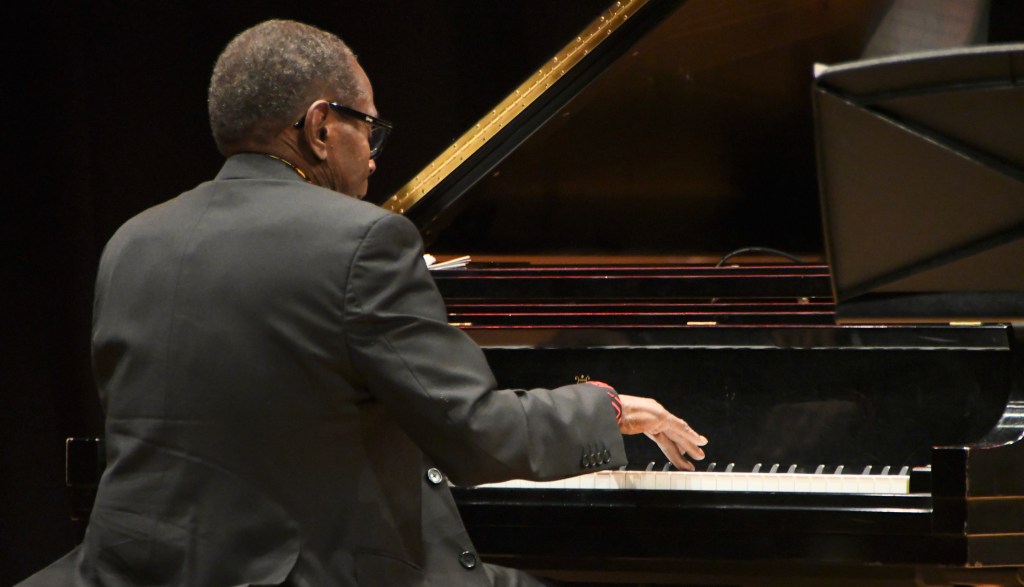
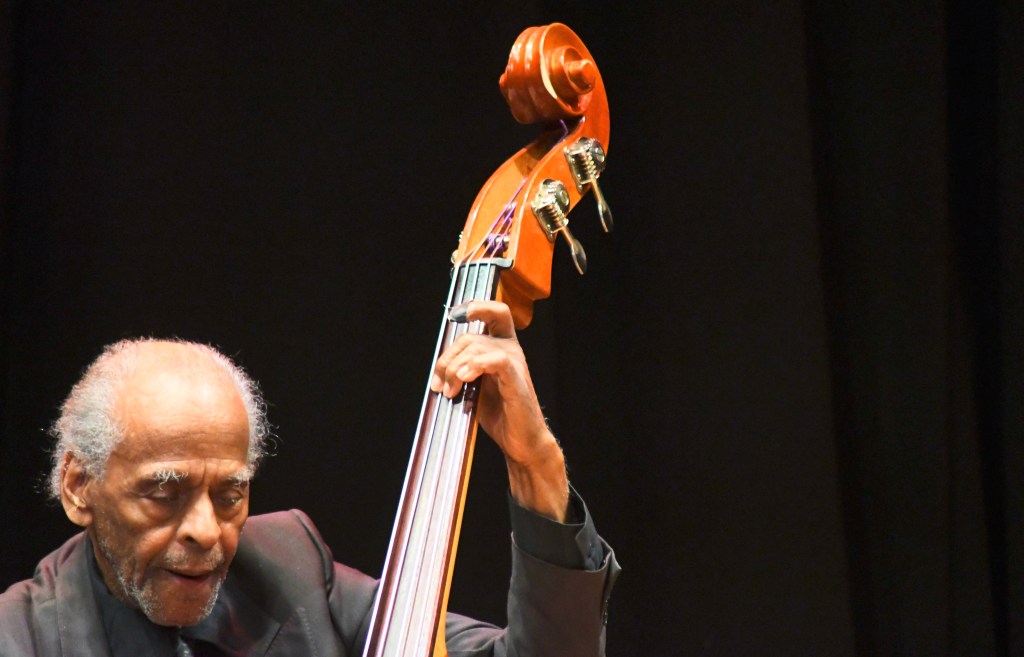
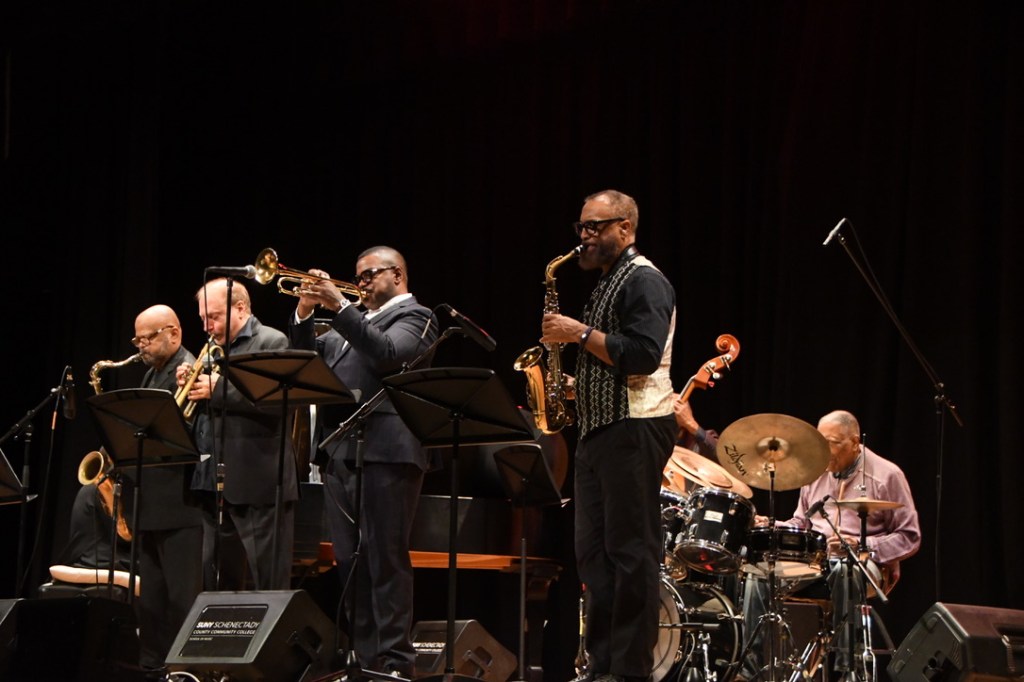
Friday, he plays with Marc Seales, piano; Bruce Lett, bass; and Bob Leatherborrow, drums and vibes.

He testifies on his website, “I see music as the common bond having potential to bring all people together in peace and harmony. All things in the physical world have vibration; the music I choose to play is the energy vibration that touches a common bond in people.” 7 p.m. $25. www.aplaceforjazz.org

OCHS SONGS AT THE 8TH STEP

An annual legacy project, the Eighth Step’s Phil Ochs Song Night Friday honors the activist singer-songwriter as an all-star troubadour crew performs Ochs’ songs, rich in persuasive moral conviction.
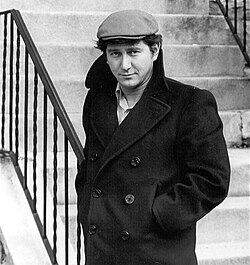
Phil Ochs, above; Wikipedia photo; Reggie Harris, below; provided by the Eighth Step
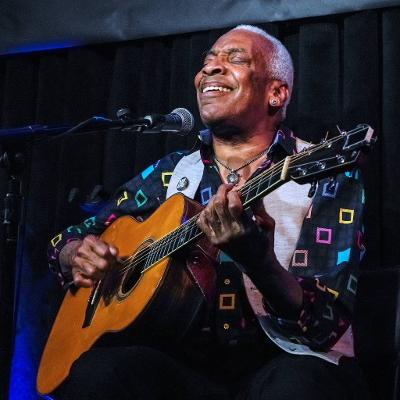
Friday’s edition stacks the stage deep with area singers, songwriters and players, listed here alphabetically: Betty & the Baby Boomers, Greg Greenway, Reggie Harris, Magpie, Pamela Means, Kal Teaux, and Pat Wictor.

In his early-60s Greenwich Village heyday, Ochs was famed for advocacy anthems including “There But for Fortune,” “I Ain’t Marching Anymore,” “Draft Dodger Rag,” “Love Me, I’m a Liberal,” and “The War is Over.” (If only…)

Gone too soon at 35, his music lives in sister Sonny Ochs’ work, drawing admirers together to honor him. Starting small in 1983 in New York City, it grew to include Dave Van Ronk, Melanie, Tom Paxton, Suzanne Vega and Christine Lavin – just as Joan Baez, Judy Collins, Pete Seeger and others have recorded Ochs’s songs.

When Sonny Ochs moved upstate, she brought her mission of celebrating her late brother with her and found the Eighth Step a welcoming home, starting in 1987. Sporadic at times, it’s been an annual celebration since 1999. Sonny has also taken the tribute on the road, but always came home to the Eighth Step.

In her essay “Remembering Phil Ochs,” Sonny explained the Song Night’s format. “Each performer would sing one or two of Phil’s songs, depending on how many they knew, and that was it.” She wrote, “The philosophy…was to keep Phil’s music alive, to give all the monies collected to organizations in the folk field who were struggling financially, and to showcase performers.”

When Song Night performer Sammy Walker told Sonny, “Phil Ochs draws a larger audience dead than we do alive,” she changed the format. Now, ”Each performer would do one of Phil’s songs and one of his/her own, thus giving the audience a taste of what is being written today…this is still the formula we’re using.”

Phil Ochs Song Night honors the late great entertainer/agitator Friday at the Eighth Step in Proctors GE Theatre. 7 p.m. $34.50, front and center $57.50. www.eighthstep.org or www.proctors.org 518-346-6204

MICHAEL JERLING BACK AT CAFFE LENA

Michael Jerling stands tall among Ochs’ heirs; his “Long Black Wall” mourns those slain in the same Vietnam War Ochs had protested, and eloquently sympathizes with its survivors. Jerling plays Friday at Caffe Lena, where he has performed for decades and where he recorded his lively and deeply felt live album “Music Here Tonight.”
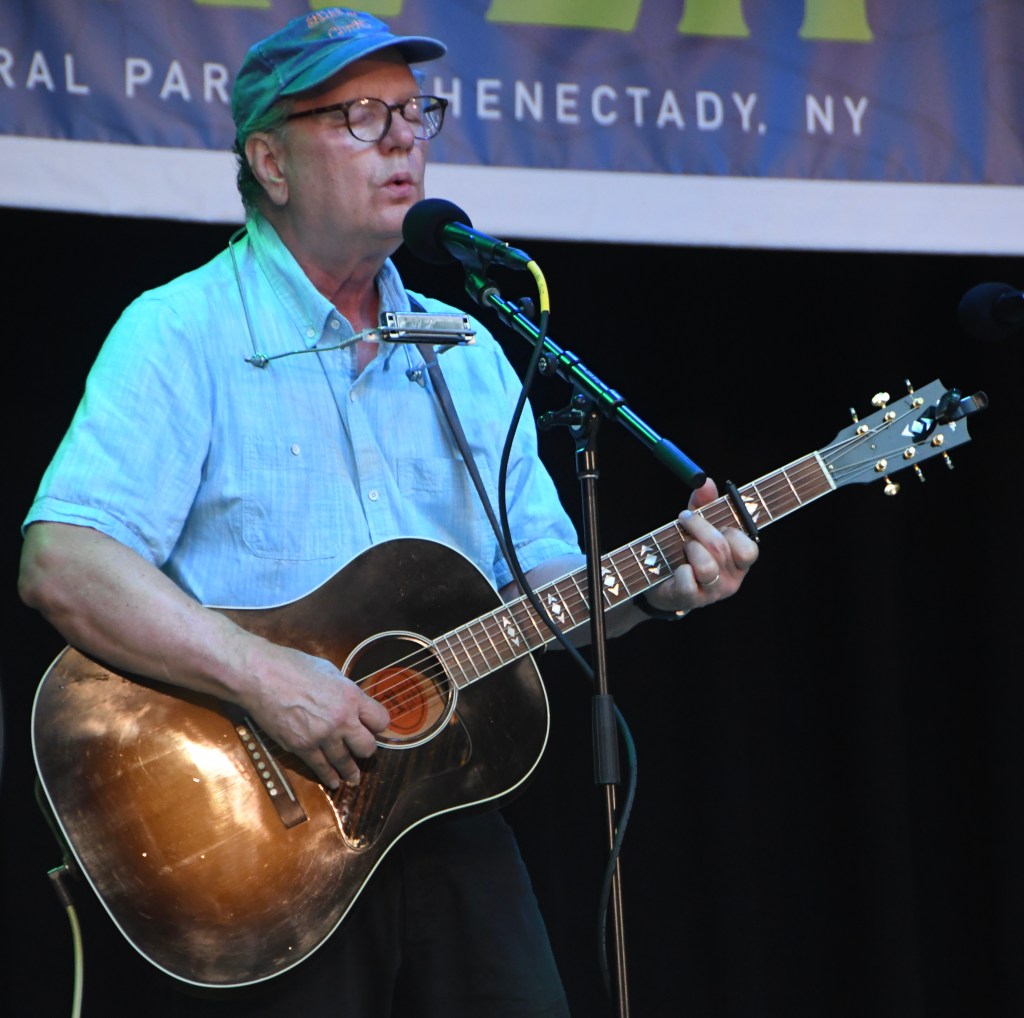
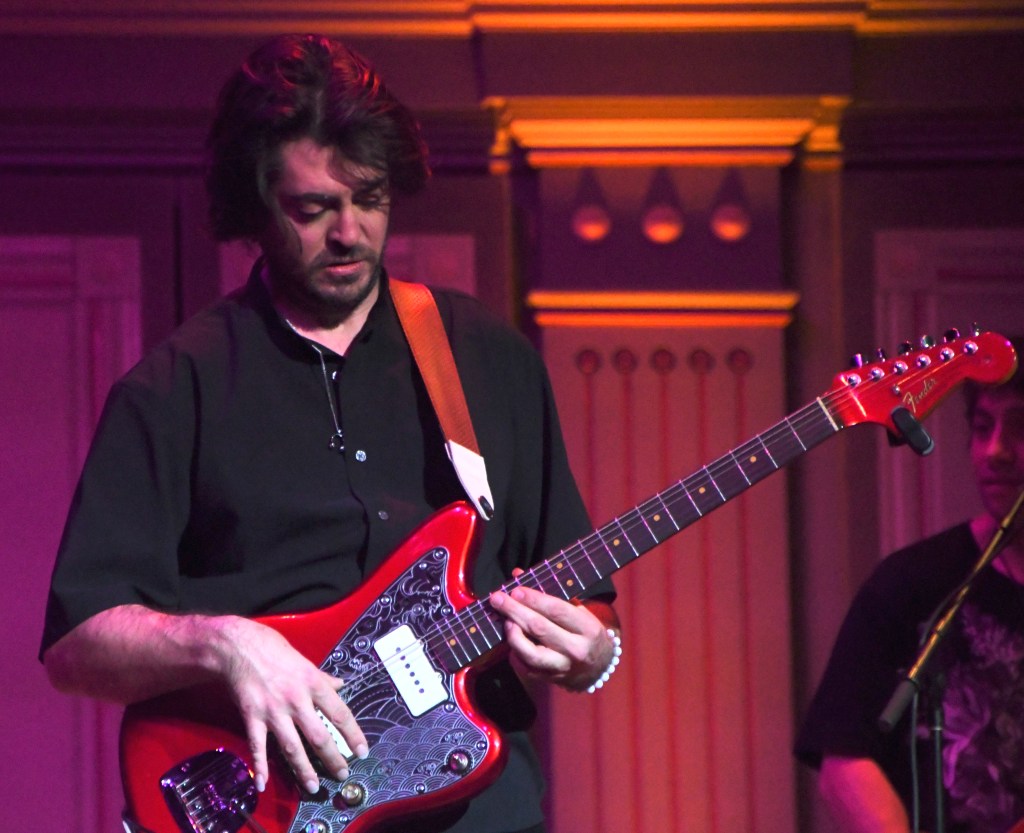
Michael Jerling. My photo

“Long Black Wall” appears in the Smithsonian/Folkways album honoring Fast Folk’s 20 years of celebrating and collecting top troubadours’ work; he also won the Kerrville (Texas) Folk Festival New Folk competition. Here at home, he kicked off Music Haven’s August 2025 Wanda Fischer/WAMC all-star folk revue and is rightly celebrated for literate, sometimes sardonic original songs that examine large-scale contemporary issues or heart-deep intimate truths. 8 p.m., doors 7:30. $23.86 members, $27.11 general, $13.56 students and children. 518-583-0022 www.caffelena.org

Some Lobos

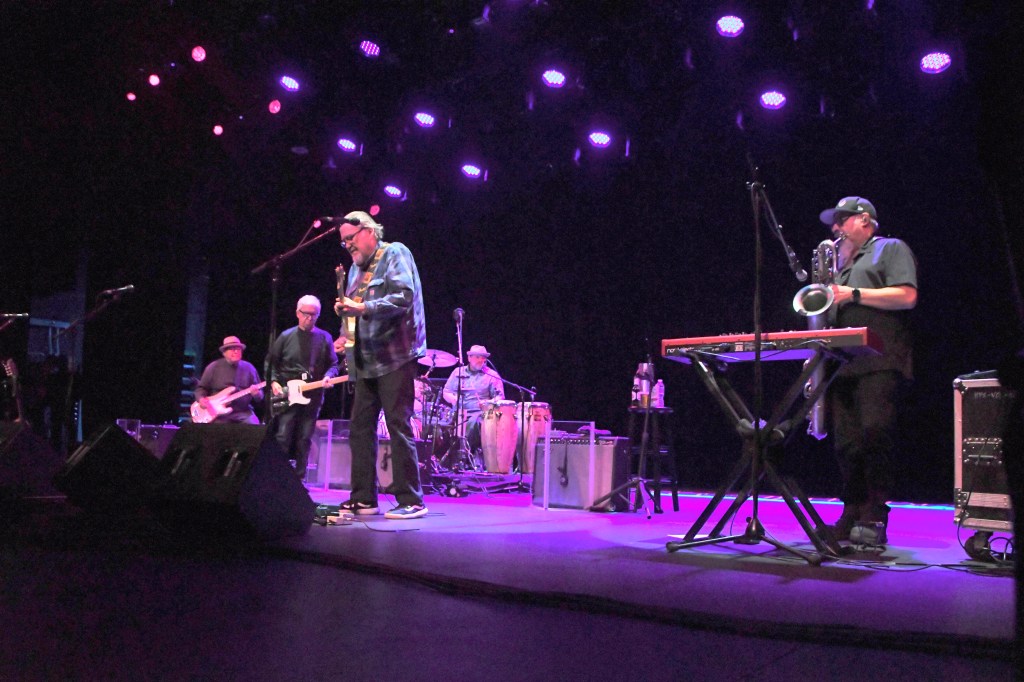
Review: Los Lobos at The Egg ; Friday, Oct. 23. 2026

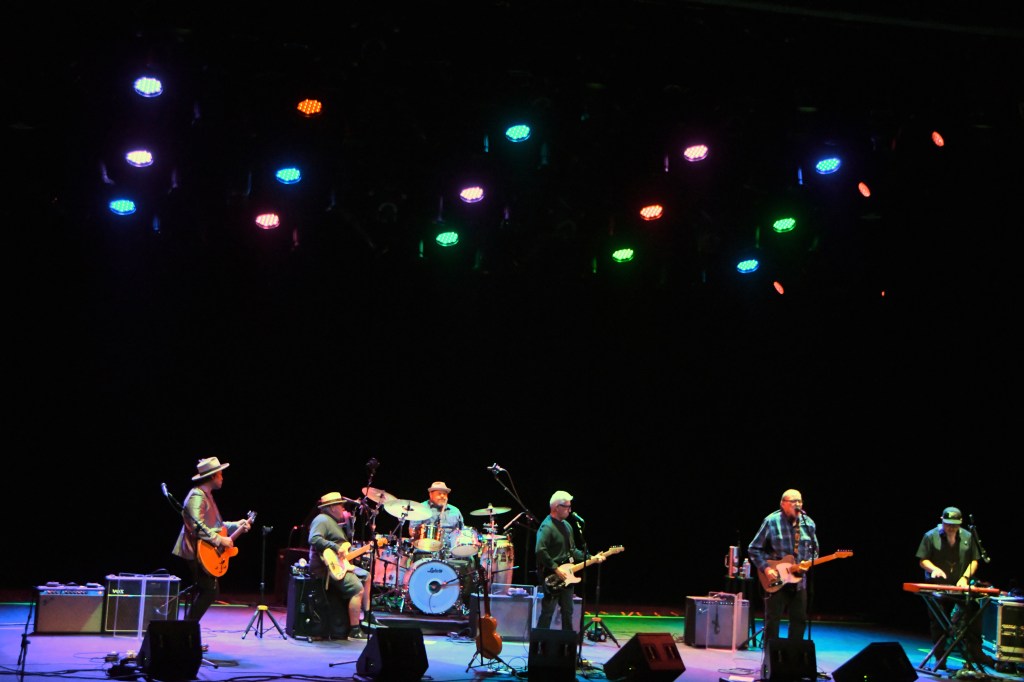
When Los Lobos brought out opener Jamie McLean to fill in for the absent Cesar Rosas Friday at The Egg, the veteran east LA band got their mojo back.

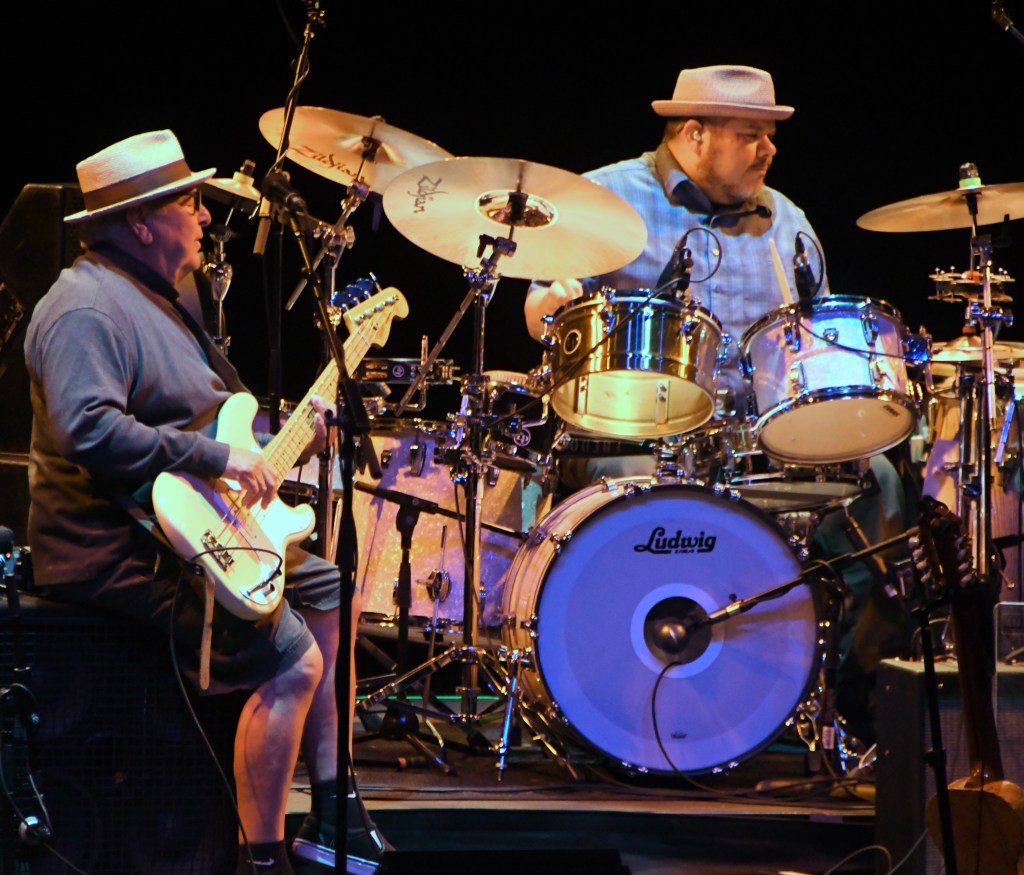
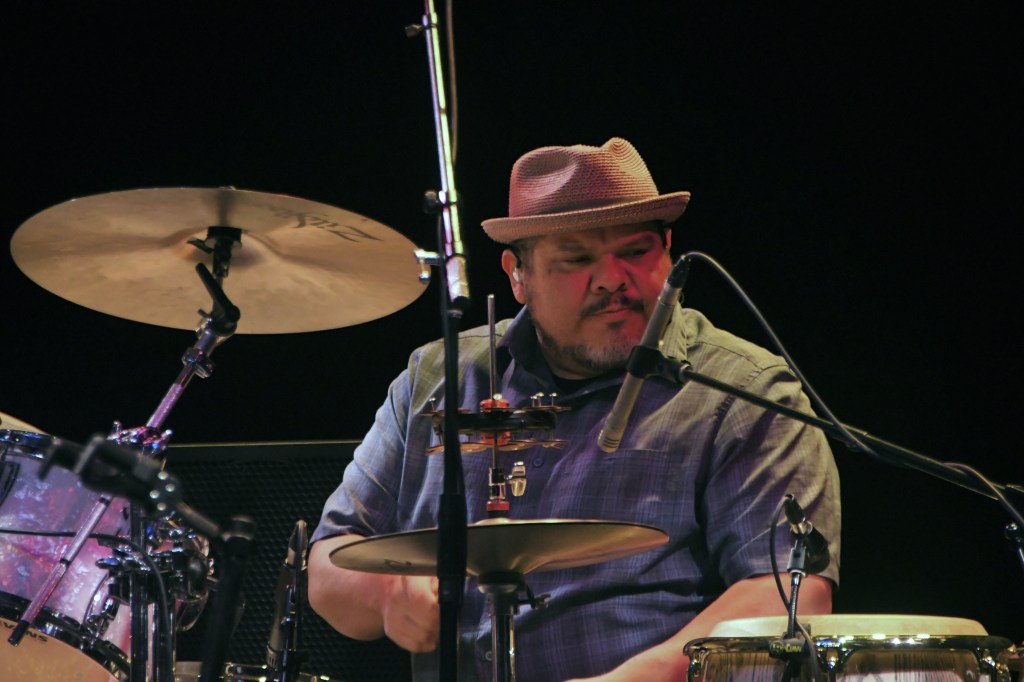
Stuck in Atlanta, guitarist-singer Rosas left a considerable gap that David Hidalgo mostly filled efficiently enough. Both sound and spirit felt thin early, though, but not the groove. Bassist Conrad Lozano and drummer Alfredo Ortiz had that going strong, start to finish.

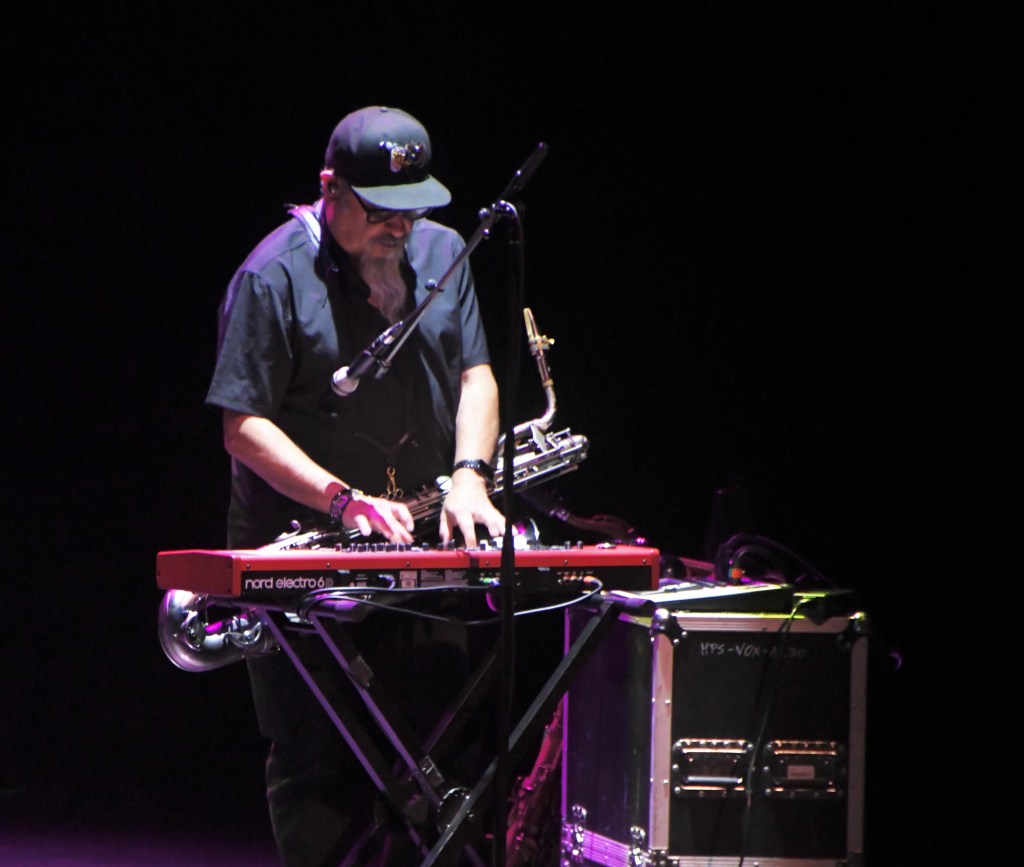
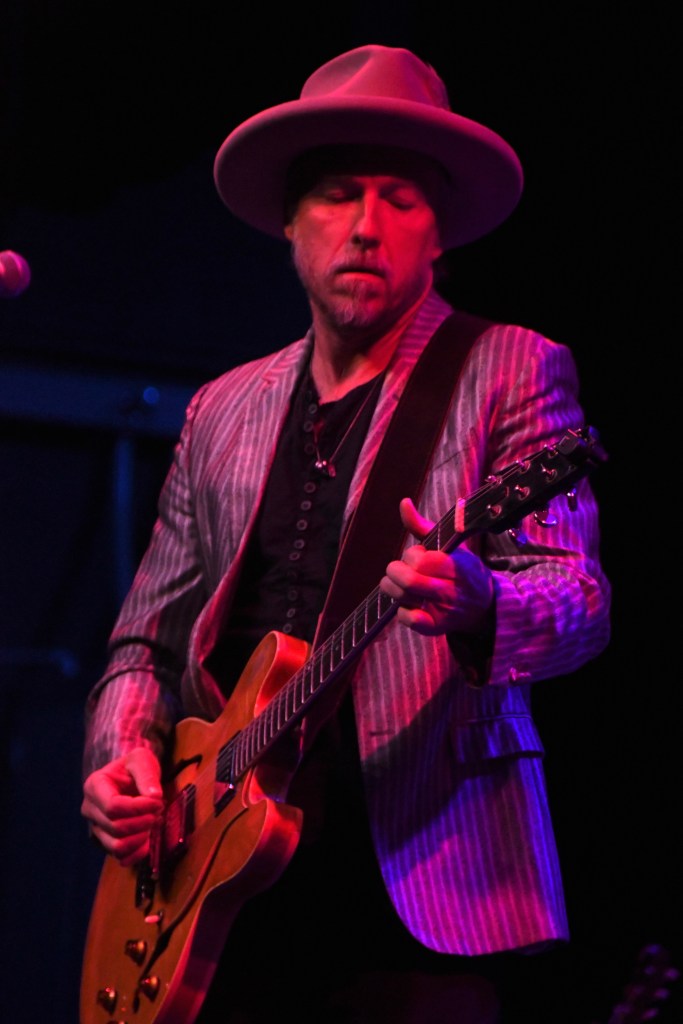
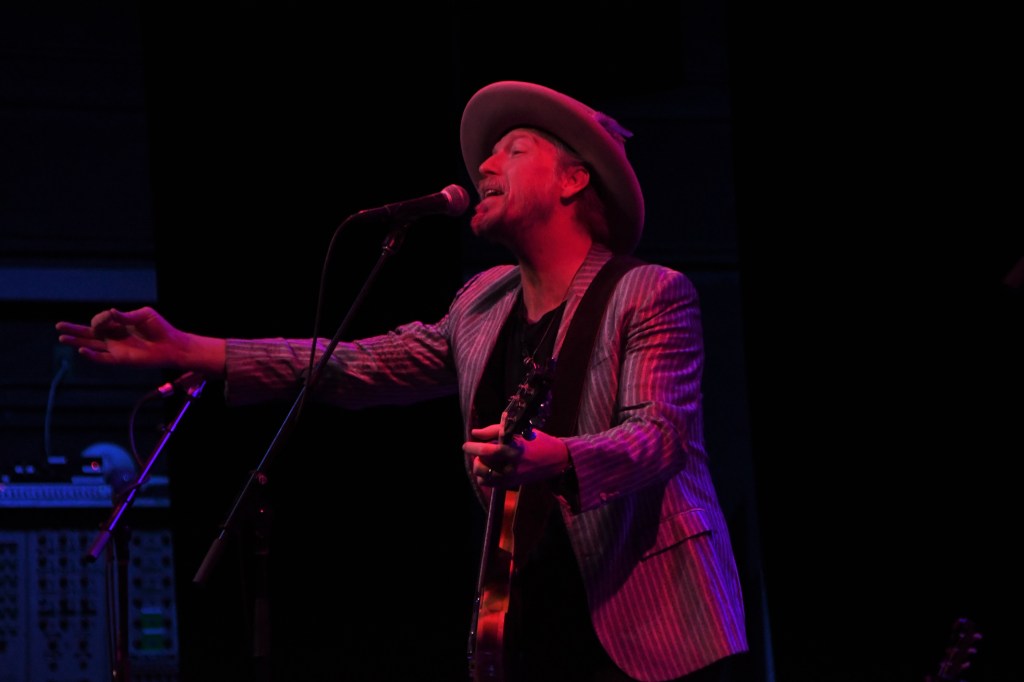
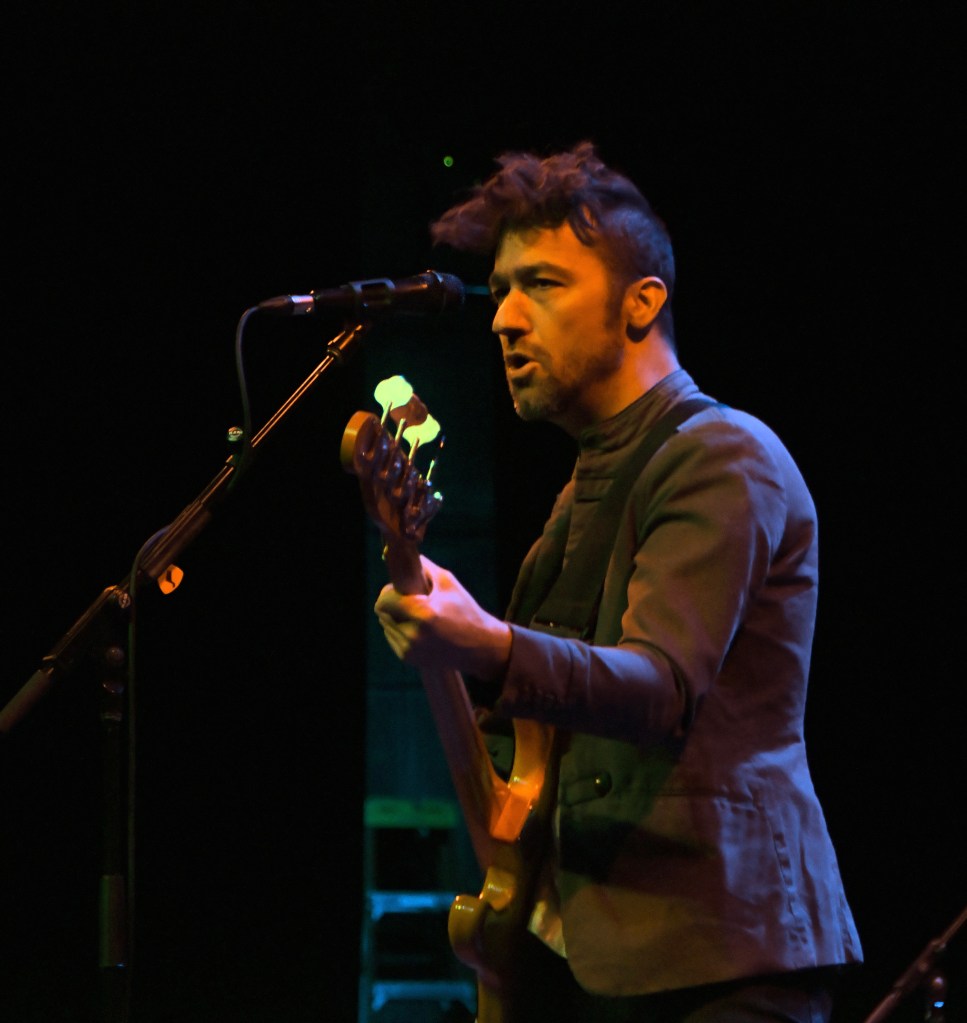
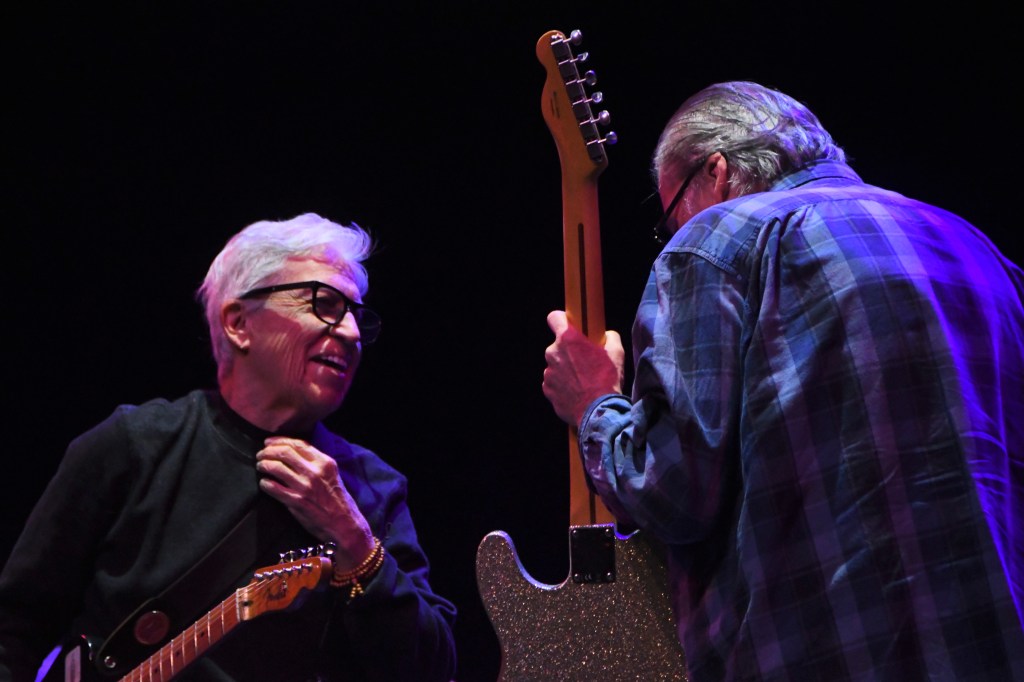
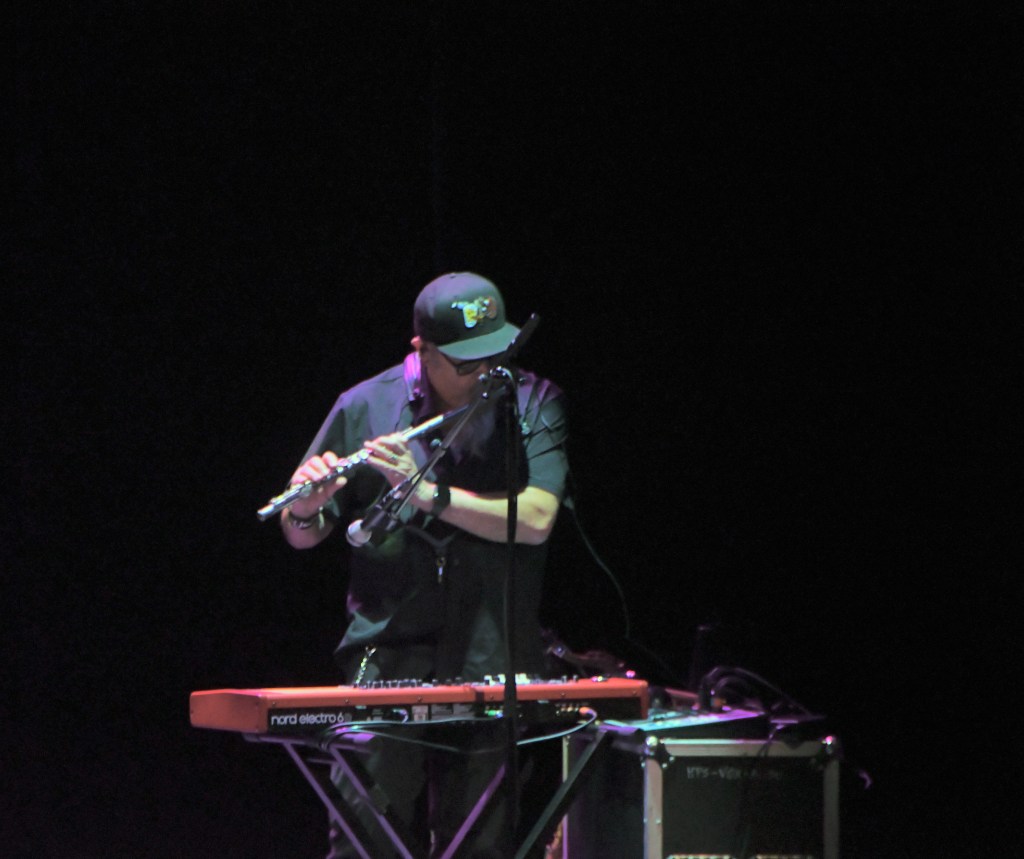
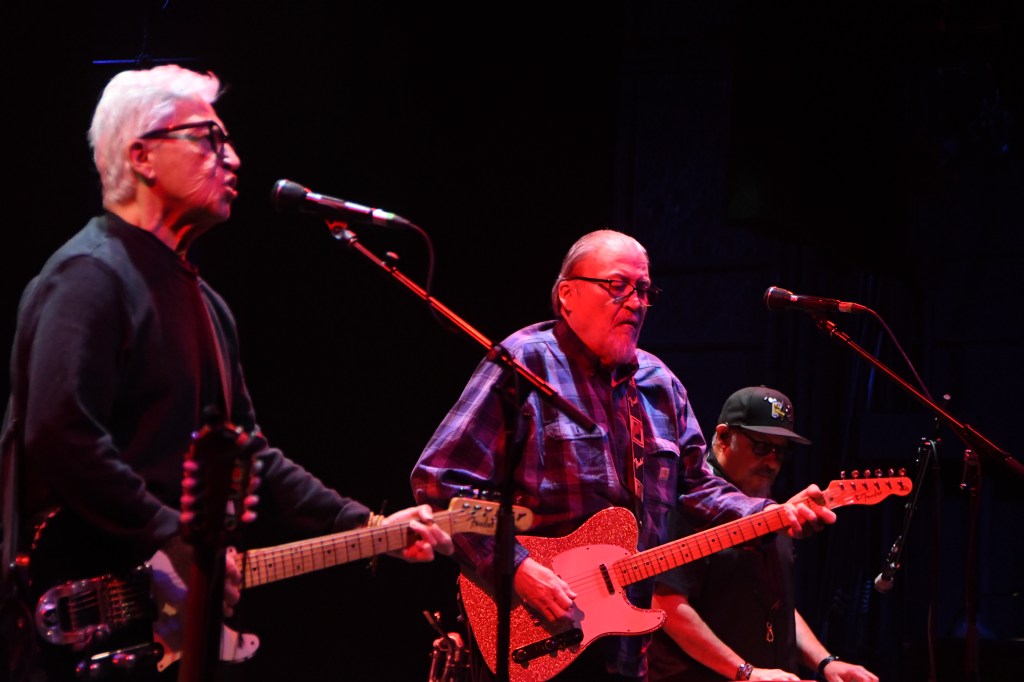
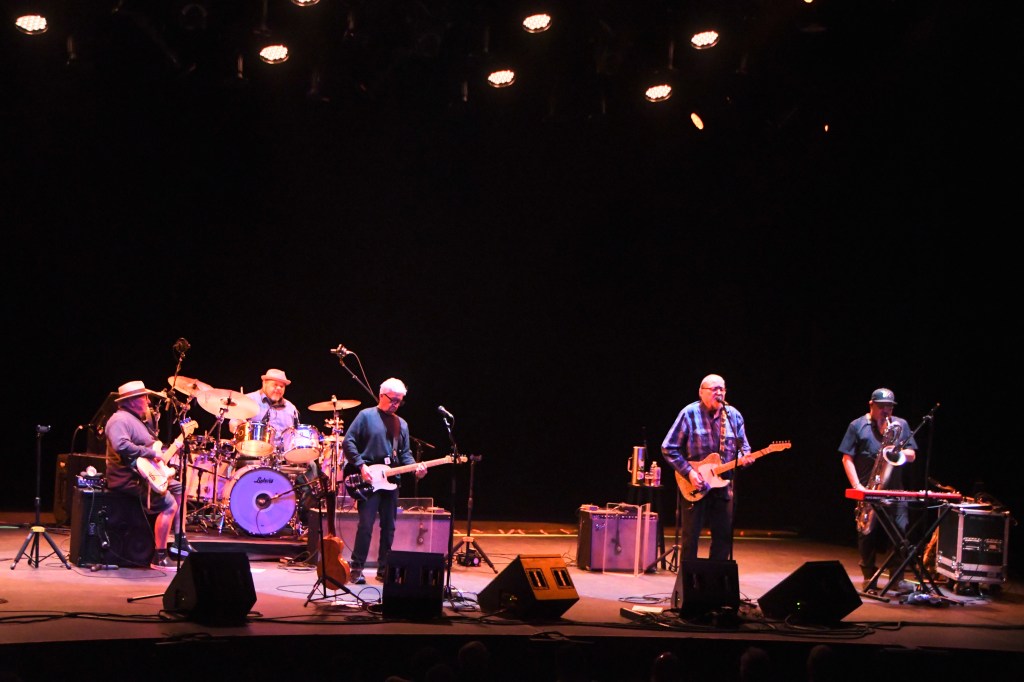
Above, Los Lobos, from left: guest guitarist and opener Jamie McLean, bassist Conrad Lozano, drummer Alfredo Ortiz, guitarist singers Louie Perez and David Hidalgo, saxophonist, keyboard and flute player Steve Berlin. Below: Conrad Lozano and Alfredo Ortiz

Since playing Saratoga’s Universal Preservation Hall in February, Los Lobos revamped their setlist but wandered off script Friday, especially late in their 95-minute set when everything was cooking.

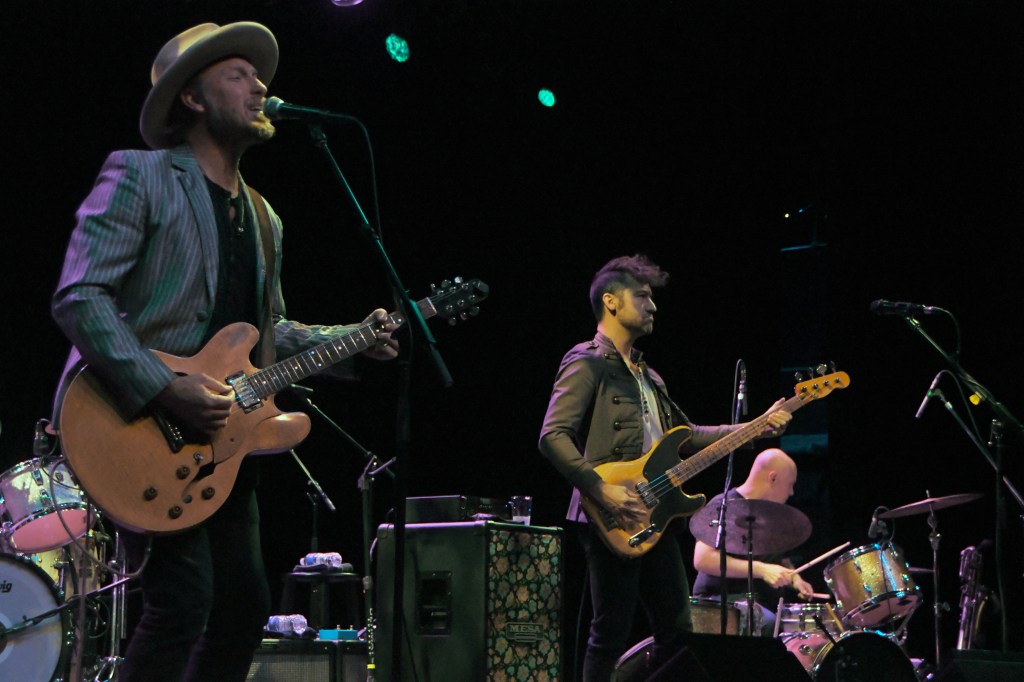
Unannounced in advance, McLean also faced an uphill fight, but won over The Egg’s Hart Theatre crowd (two-thirds full) with a well-paced extended opener. His original songs muscled up from thoughtful romantic musings into a punchy stripped-down rock sound that got more and more bluesy; then he landed in New Orleans. The guitarist-singer is entitled, having played with the Preservation Hall Jazz Band, Aaron Neville, Dr. John and other Crescent City giants. His closer “Spirits” bounced with Mardi Gras party energy, his lyrics leading a tour of streets and clubs.

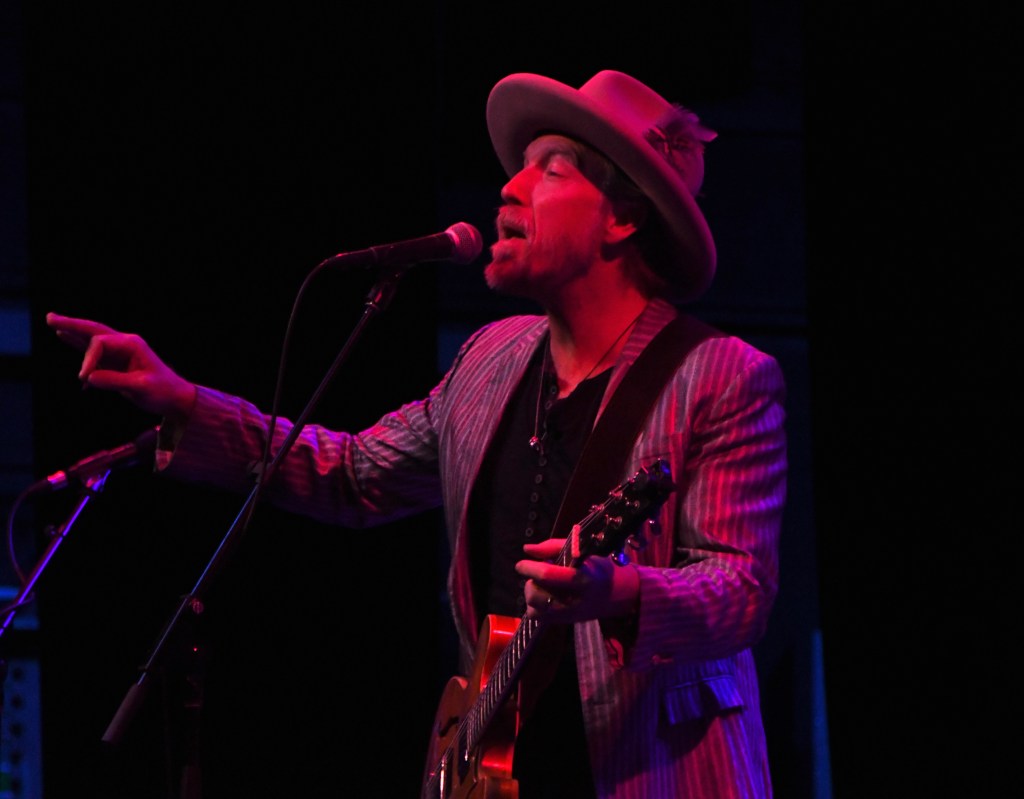
Jamie McLean above at left, guitar and lead vocals, with bassist-harmony singer Chris Anderson and drummer Henry Schaub. Below, McLean

Cued from the wings to stretch their planned 30-minute set, McLean, busy bassist Chris Anderson and straight-ahead drummer Henry Schaub made the most of their bonus time; while Los Lobos maybe hoped Rosas would arrive, as Lozano joked when Los Lobos came on.

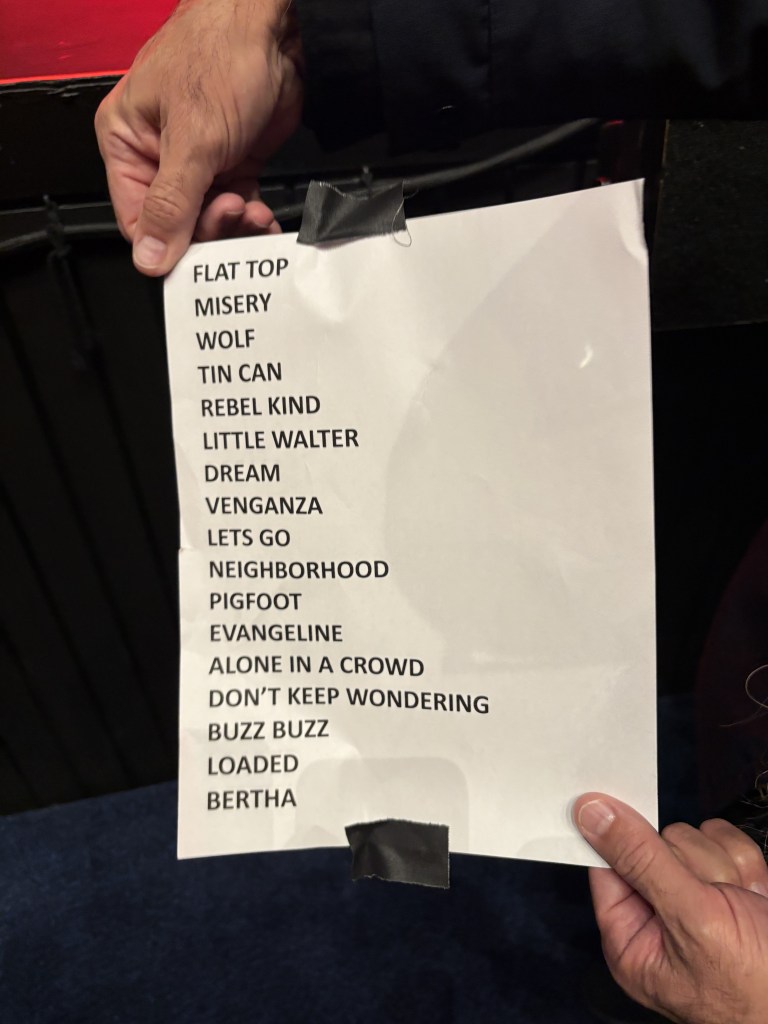
Filling Rosas’s absence fell mainly to Hidalgo: expanded vocal and guitar solo duties. After the spunky “Flat Top Boogie,” “Misery” and “Rebel Kind” (borrowed from the Modernettes, then Alejandro Escovedo) had a vintage rock feel their own anthemic “Will the Wolf Survive” fit well. Steve Berlin underlined Little Walter’s blues shuffle “I’m About to Lose My Mind” with baritone sax soul, thereafter sometimes playing sax plus keyboard. Jazzed up now, Hidaldo confidently wrapped “Dream in Blue” from their (best-ever?) “Kiko” album around Traffic’s 60s anthem “40,000 Headmen,” spiced with an out-in-the-open Ortiz funky-drums break.

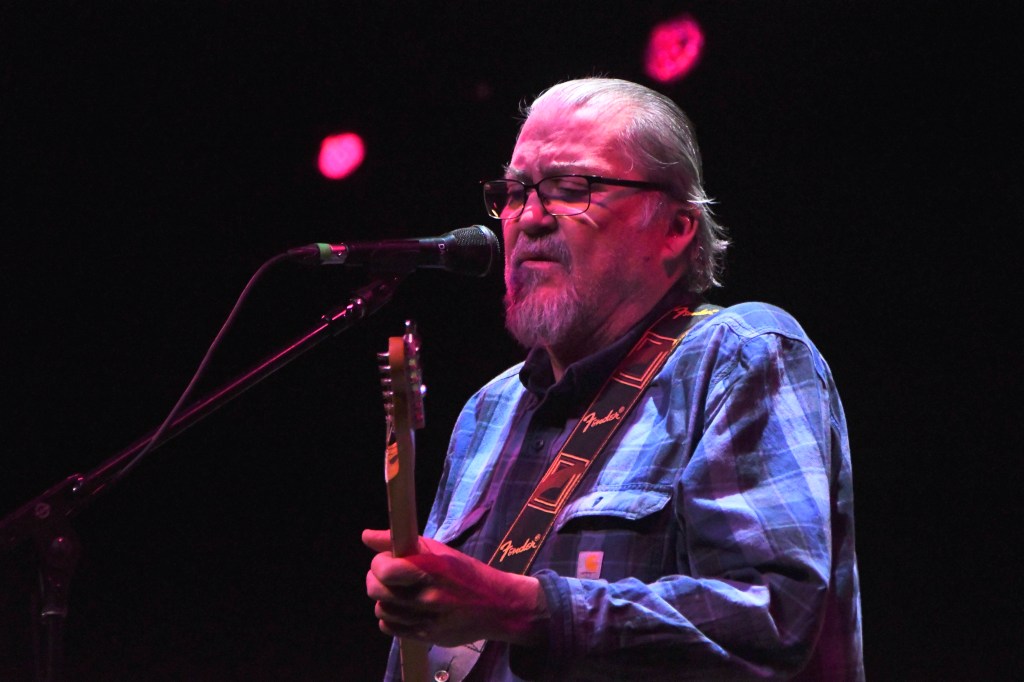
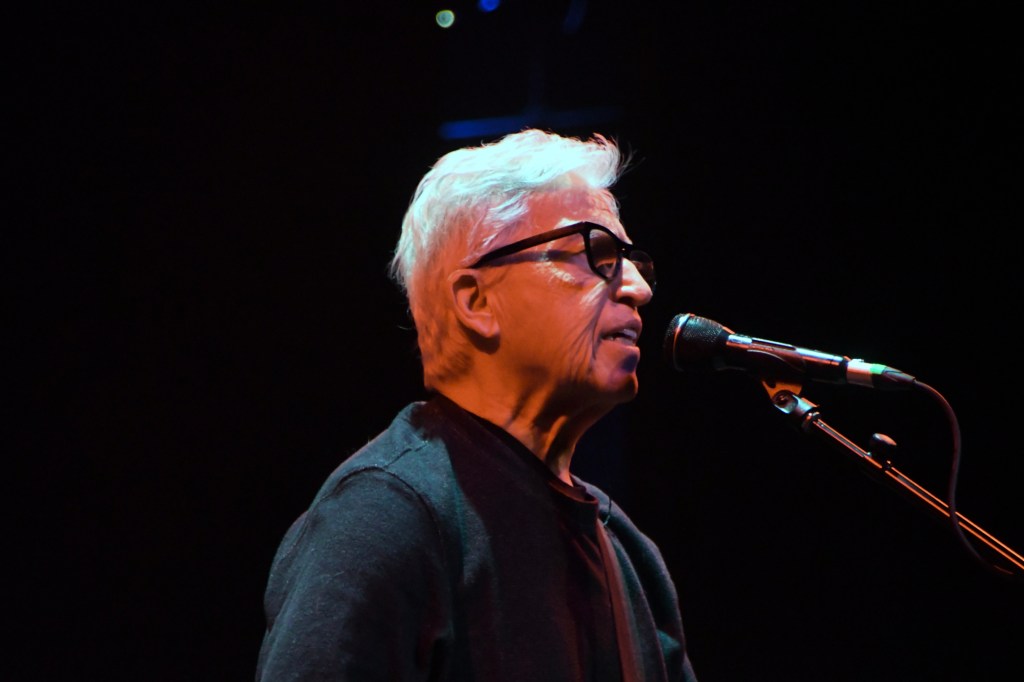
Above, Los Lobos, from left: Conrad Lozano, bass; Louie Perez, guitar, vocals and jarana; David Hidalgo, vocals and guitar; Alfredo Ortiz, drums; Steve Berlin, saxophones, keyboard and flute. Below: David Hidalgo

Louie Perez, who’d played rhythm guitar to this point, sang some and played eight-string jarana to start the episodic “Venganza,” Hidalgo crooning in Spanish then swapping guitar solos with Perez before taking over Buddy Holly’s happy melodic classic “Let’s Go.”

When McLean joined for “The Neighborhood,” Hidalgo singing lead and bringing the audience into clapping along, things solidified, revved and soared; an exciting musical high point and poignant lyric. Perez smiled wide at McLeod’s main solo here. Flexible and funky, the fill-in guitarist knew what the song needed and gave it, with fire and personality.

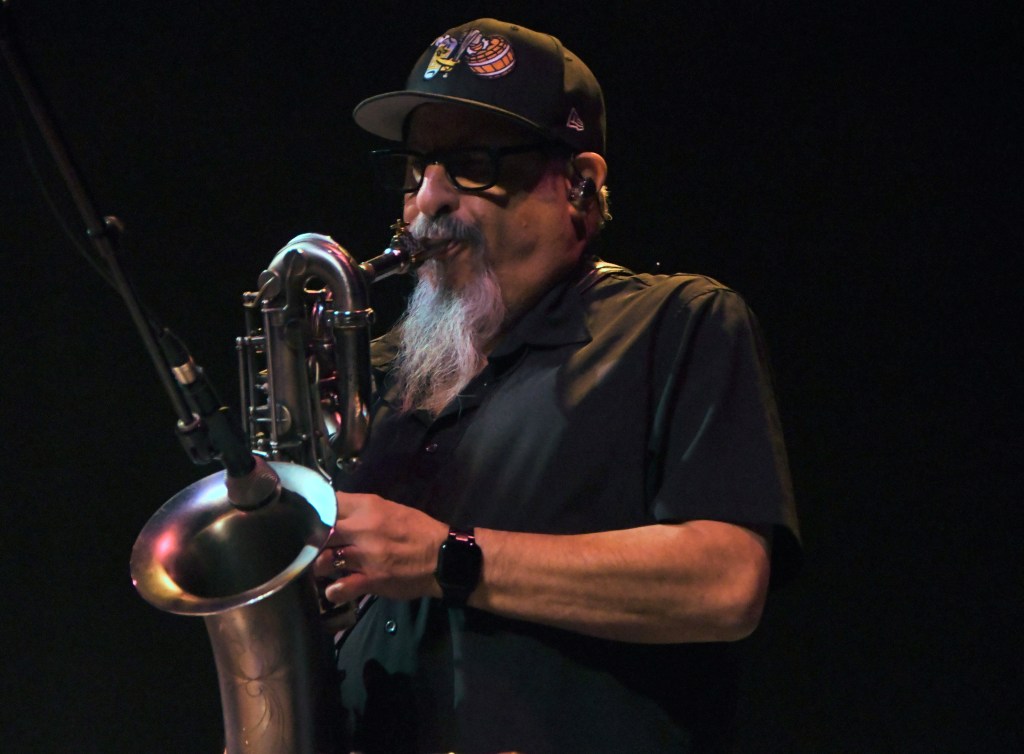
Above, Louie Perez; below, Steve Berlin 2X

Same with the slippery shuffle “Bigfoot” and party-hearty “I Got Loaded” – Steve Berlin’s hot tenor saxophone break giving way to a singalong. He later played a bit of flute but mainly added low sax to the band’s powerful undertow. Seething menace punched up the two-lane rocker “Georgia Slop,” then they stayed high energy with the Grateful Dead’s “Bertha.” McLean glanced over at Hidalgo, Berlin and Perez a few times as if asking “stay or go?”They answered with smiles, encouraging, so he stuck around, adding funky fills.

However, McLean was absent when Los Lobos encored, again with cover songs. Perez noted playing a recent Bridge School benefit to introduce Neil Young’s “Cinnamon Girl,” sharing lead vocals with Hidalgo. As usual, “La Bamba” earned a (tentative) singalong; they wrapped it around the Rascals’ “Good Lovin’” before a reprise/big finish. No need to holler “More COWBELL!” either, Berlin had that covered.

Since I first saw them in an LA rock bar in 1985, then at the first-ever MASSMoCA show in 1999, in 2004 in Mona Golub’s last Second Wind season in Washington Park, at Jazz Fest in New Orleans in 2015 and other spots along the way, Los Lobos has always built energy and force by deliberate, slow steps. They reward fans’ patience by carrying us along on growing emotion. Friday they had to rise from a lower, slower-than-usual start, but caught up with their own long legend by the end.

Gallery

Below: Louie Perez, David Hidalgo and Steve Berlin (not shown here) conferred at times, discussing song substitutions and other changes

Heating the Hall

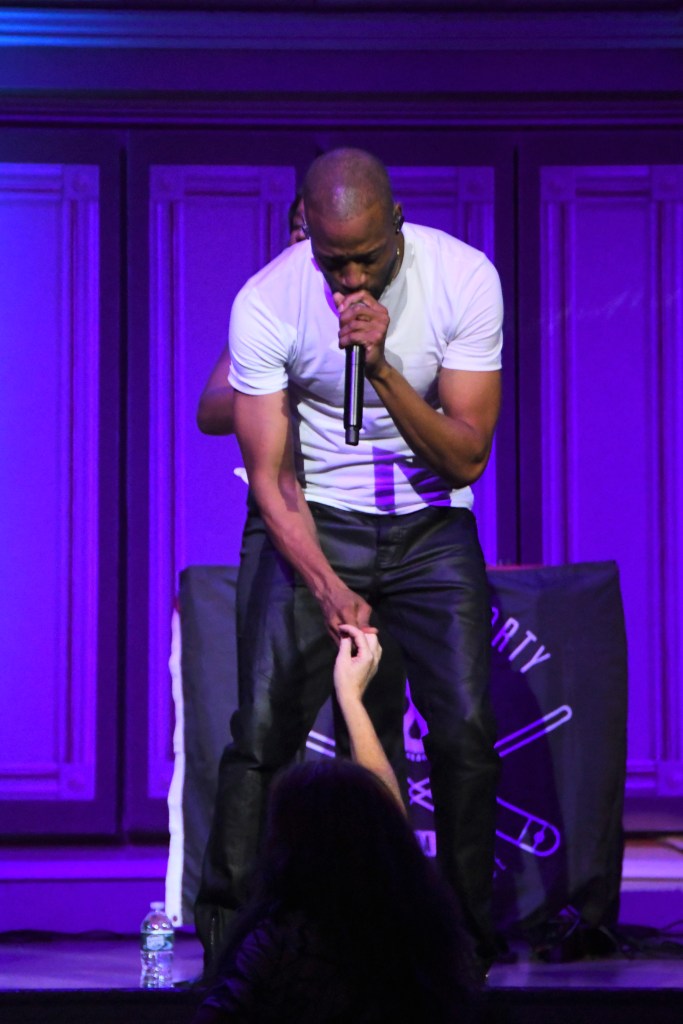
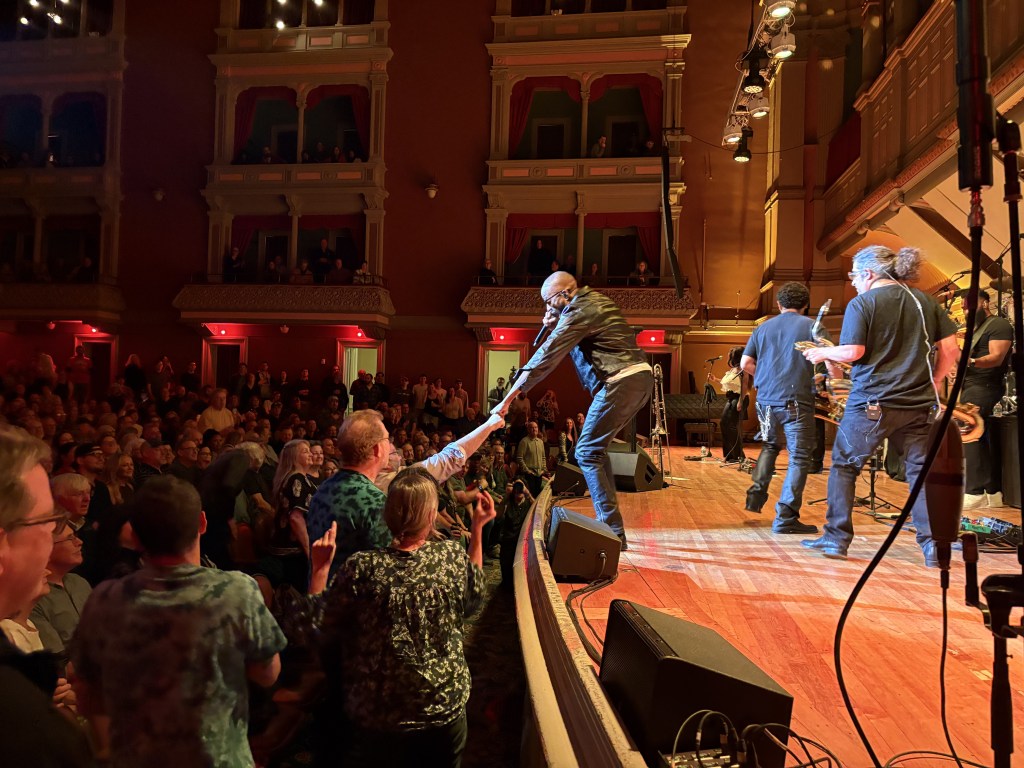
Review: Trombone Shorty and Orleans Avenue and opener Abraham Alexander, at Troy Savings Bank Music Hall; Tuesday, October. 20, 2026

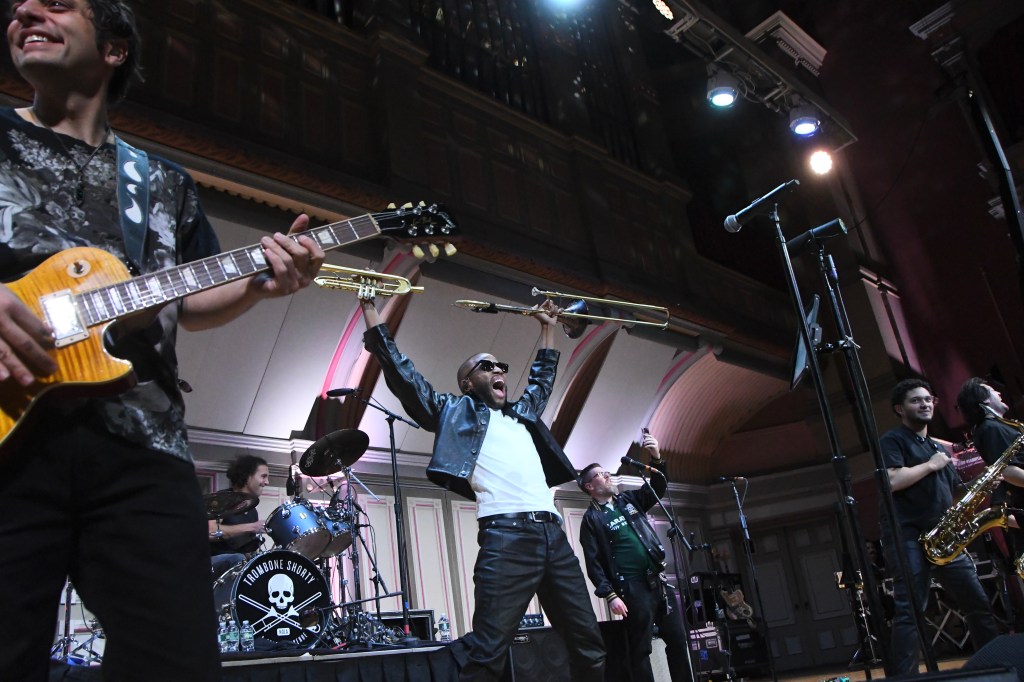
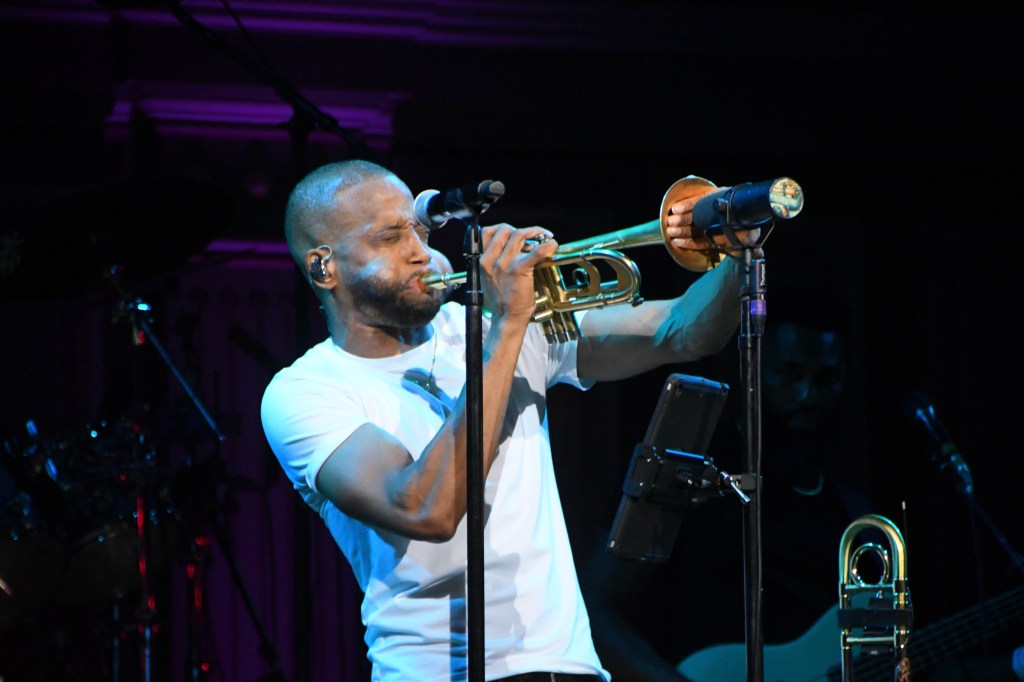
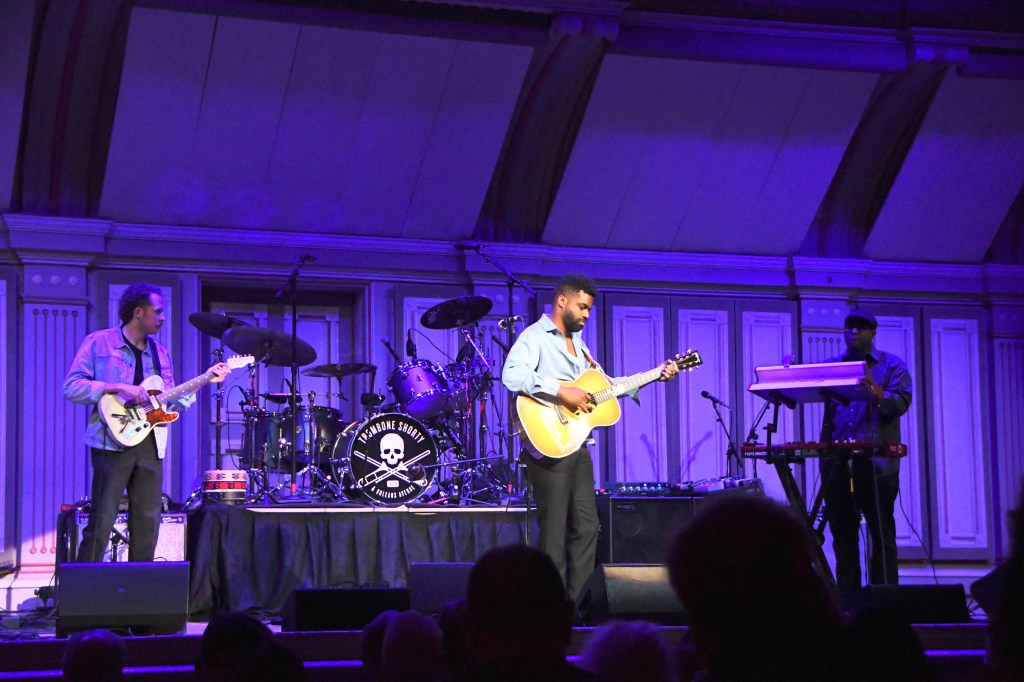
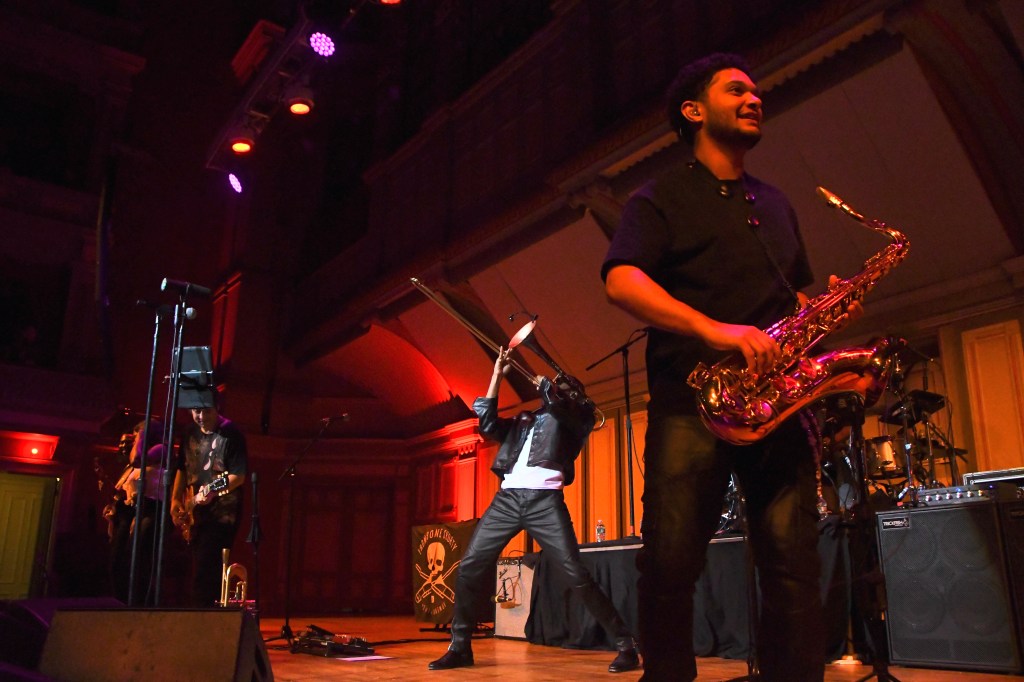
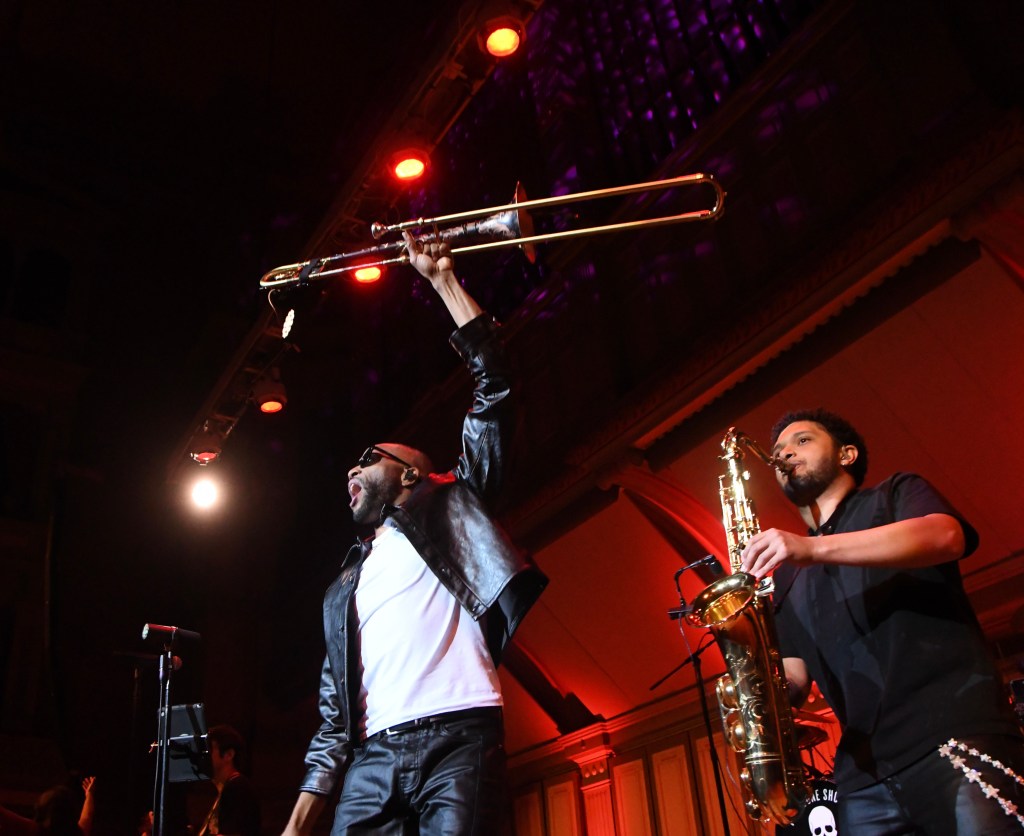
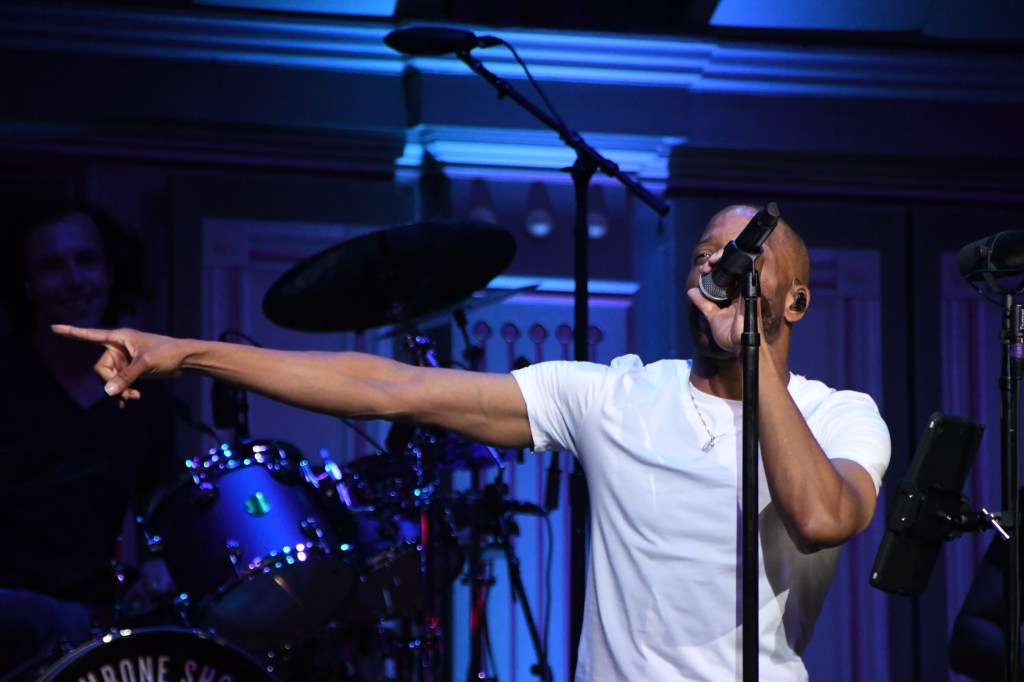
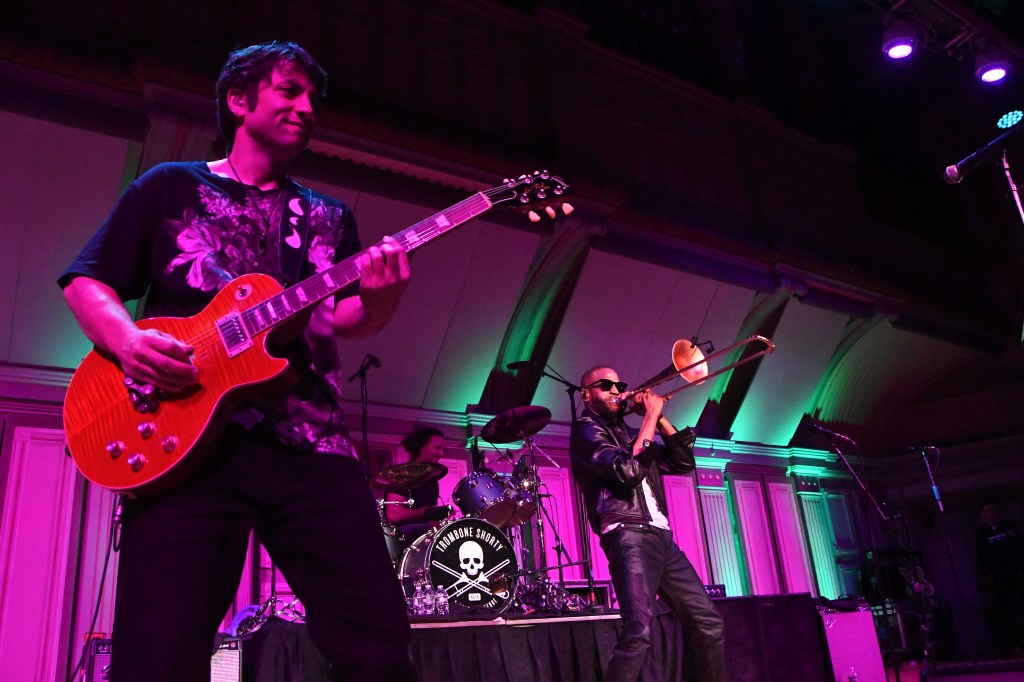
Any physics student knows compressing a gas raises its temperature, as Trombone Shorty did Tuesday in the Troy Savings Bank Music Hall. Blazing hot in big open spaces – Jazz Fest in New Orleans, the Saratoga Jazz Festival, I’ve seen him at both – he compressed his Orleans Avenue band into an explosive 100-minute joyfully incandescent party in the cozy downtown Troy Hall.

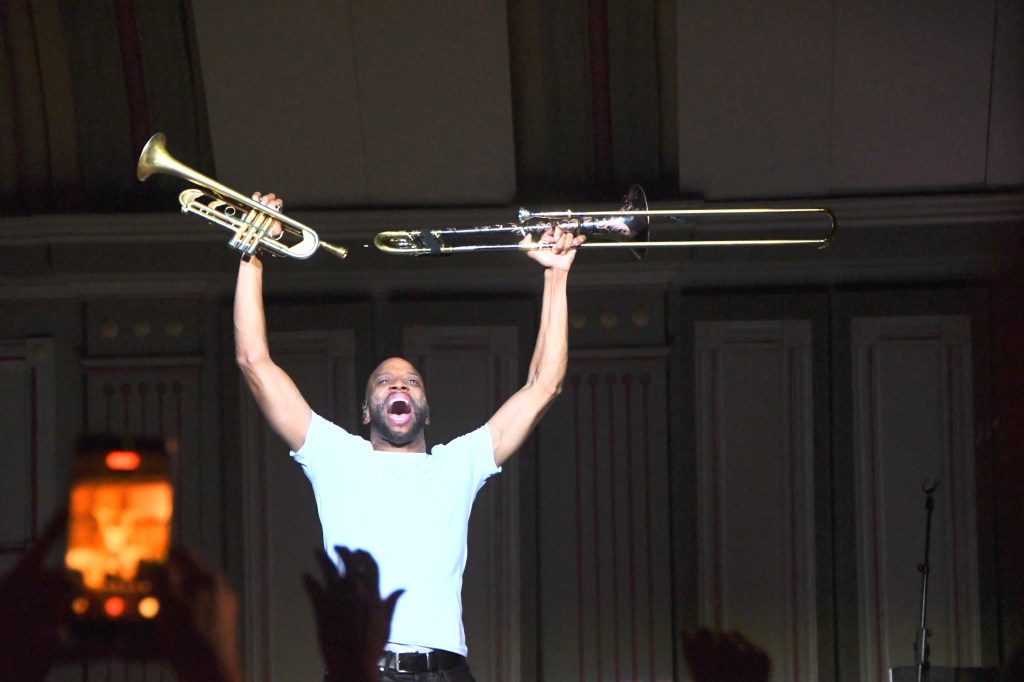
Trombone Shorty makes his entrance, guitarist Pete Murano at left.

Noting Troy is his real name, the trombonist, trumpeter, singer, keyboardist, bandleader and entertainer dazzled the place. “Dynamic” doesn’t come close. (His last name is Andrews, an expansive New Orleans musical family, sort of parallel to Neville, Marsalis, Batiste and Boutte. But we digress.)

Up front to photograph, the joyous visual pandemonium of their first few songs felt too overwhelming to hear the precise chaos all those constantly moving players made.

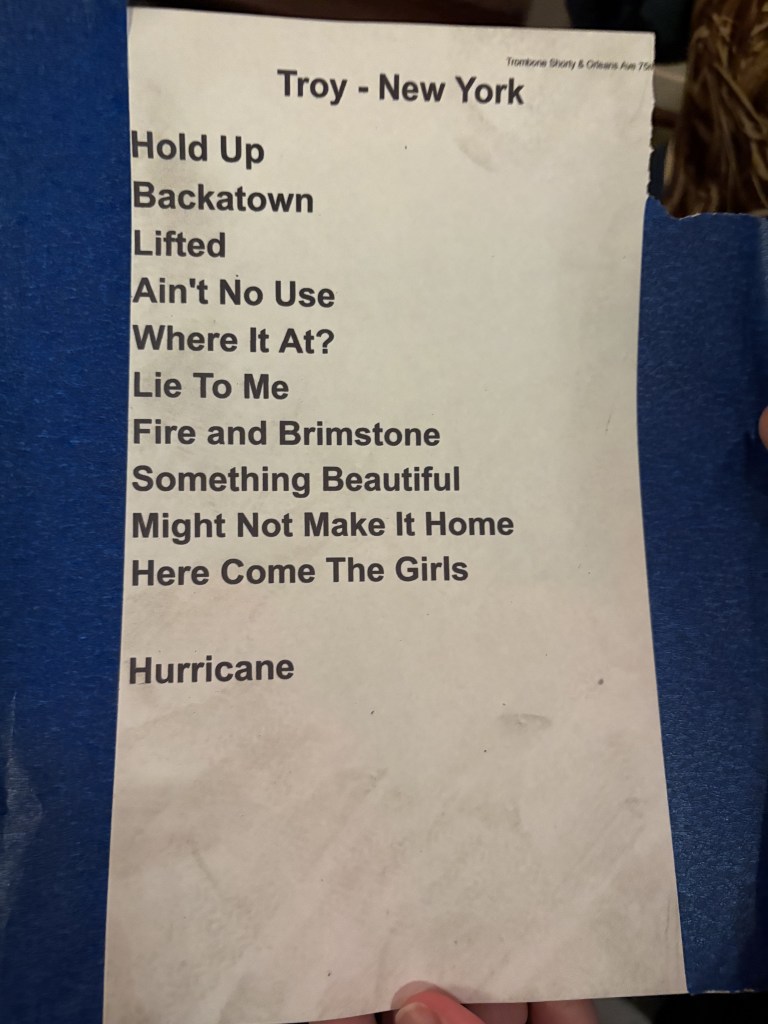
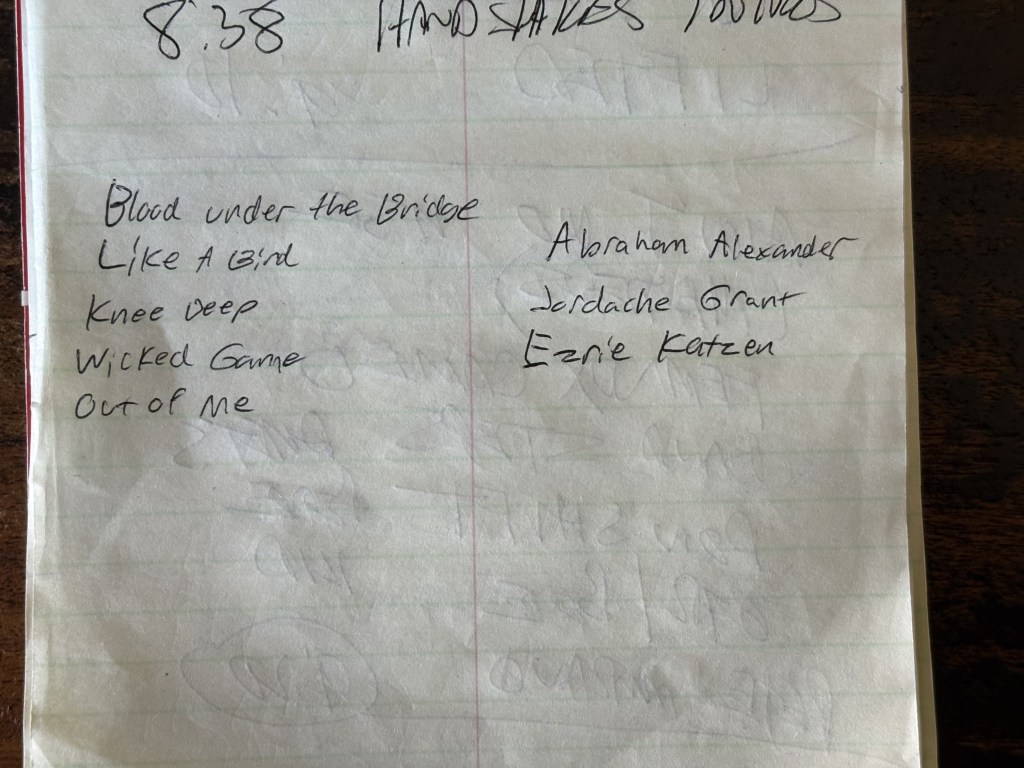
Here’s the setlist, thanks to fans from north of Utica who kindly let me photograph it. But Shorty dove off script so often that the (superb!) front-of-house sound engineer said the crew doesn’t bother to give him one.

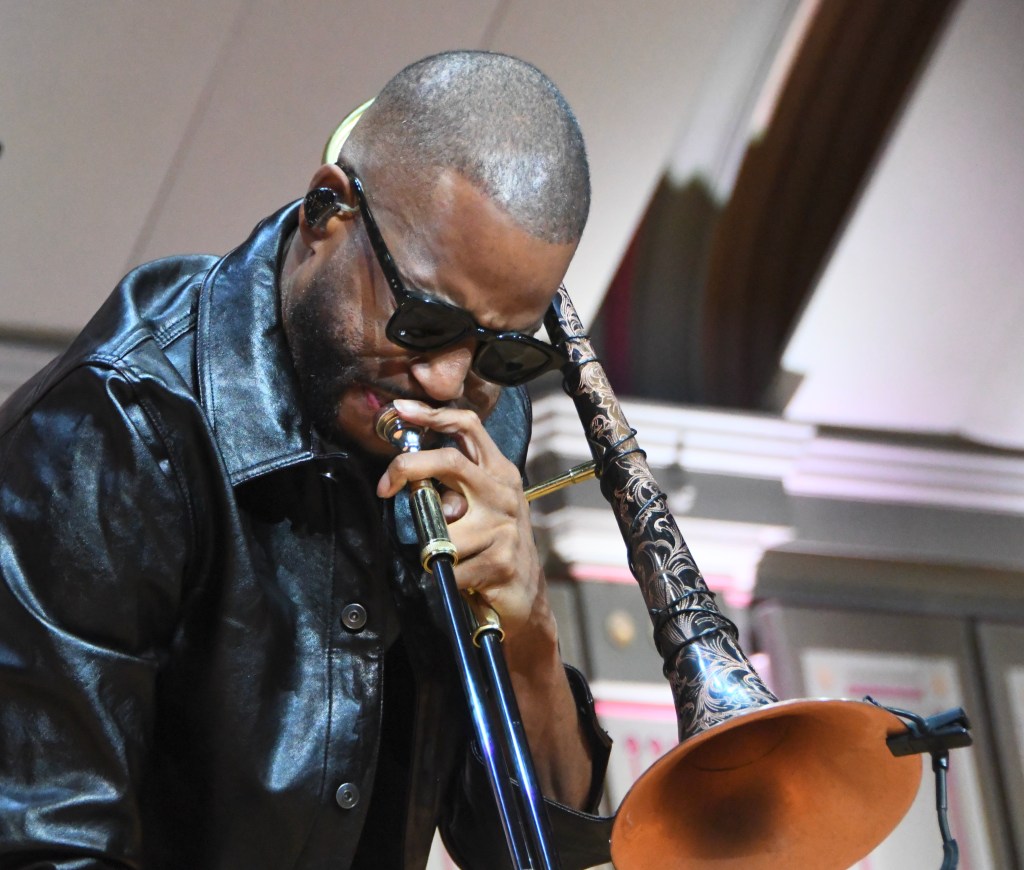
In addition to his own “We PARTYIN’!” good-time tunes, Shorty honored his New Orleans forbears with the Meters’ “Ain’t No Use,” the Neville Brothers’ “Fire and Brimstone,” the Allen Toussaint/Ernie K-Doe “Here Come the Girls.” In an extended Louis Armstrong tribute “On The Sunny Side of the Street,” Shorty played trad-jazz hesitation-beat trumpet, using rotary breathing to stretch a note out past Cropseyville. Afterward, he fell to the stage, feigning exhaustion, then sprang up for “Fire and Brimstone.”

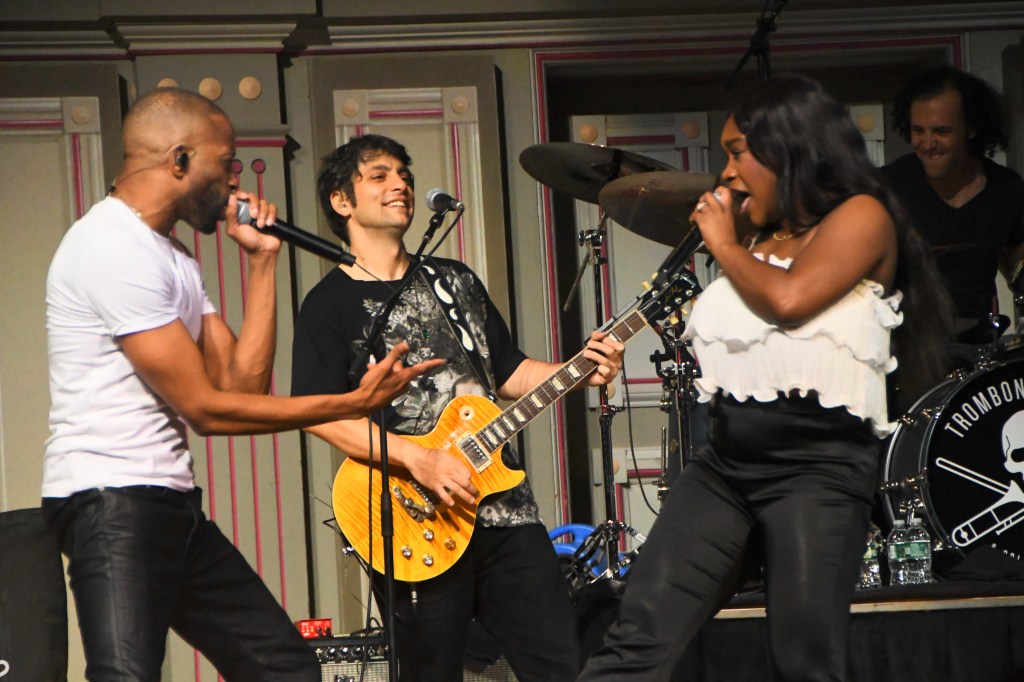
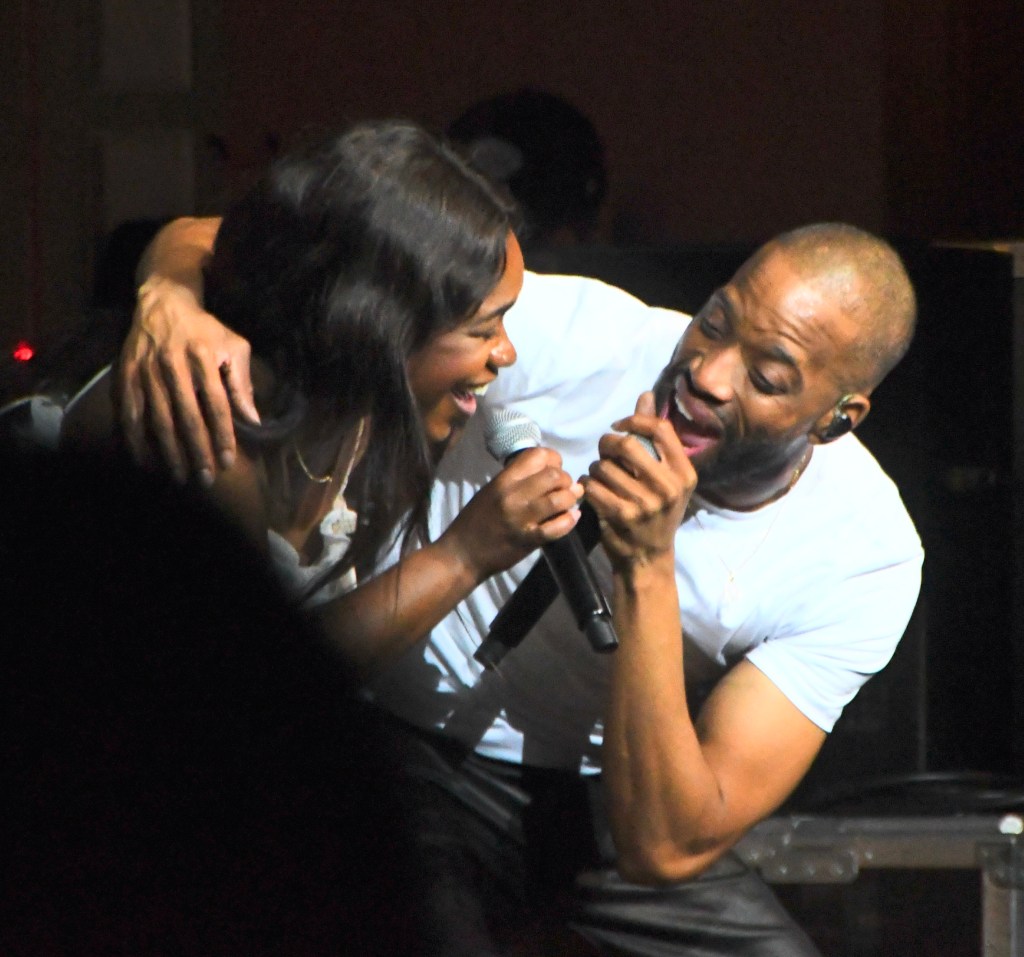
Above, Shorty plays trumpet, his cheeks all puffed ala Dizzy Gillespie (he played The Hall, too); below, Shorty sings with Tracii Lee, guitarist Pete Murano between them.

His songs flowed well among the classics. His “Lifted” early on built big to set up “Ain’t No Use,” then his “Where It At?” maintained momentum before his “Lie to Me” showed the rumba IS New Orleans, then “Fire and Brimstone” pushed the dance-beat hard.

Setting aside trumpet, trombone and mic, Shorty played the whole band at times with arm waves, like a stage-spanning instrument.

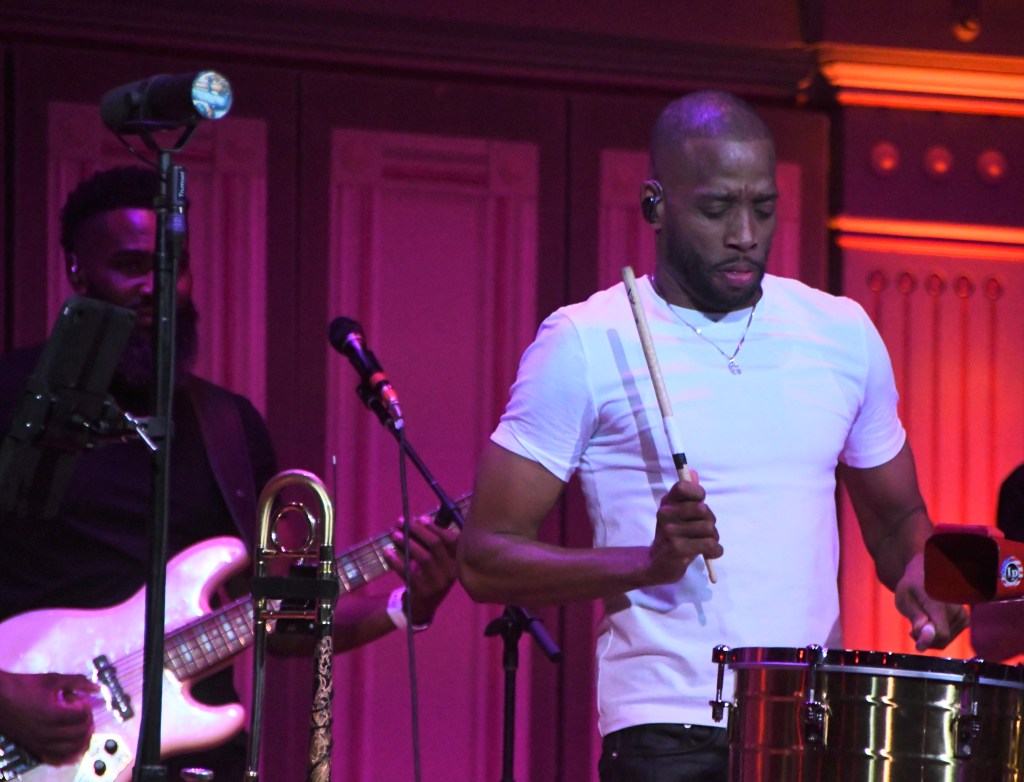
He also played the crowd, pointing and saying “I see you!” to an older gent standing and dancing through the whole show. Spotting two young boys down front, he autographed a tambourine for each, handing them over with fist-bumps.

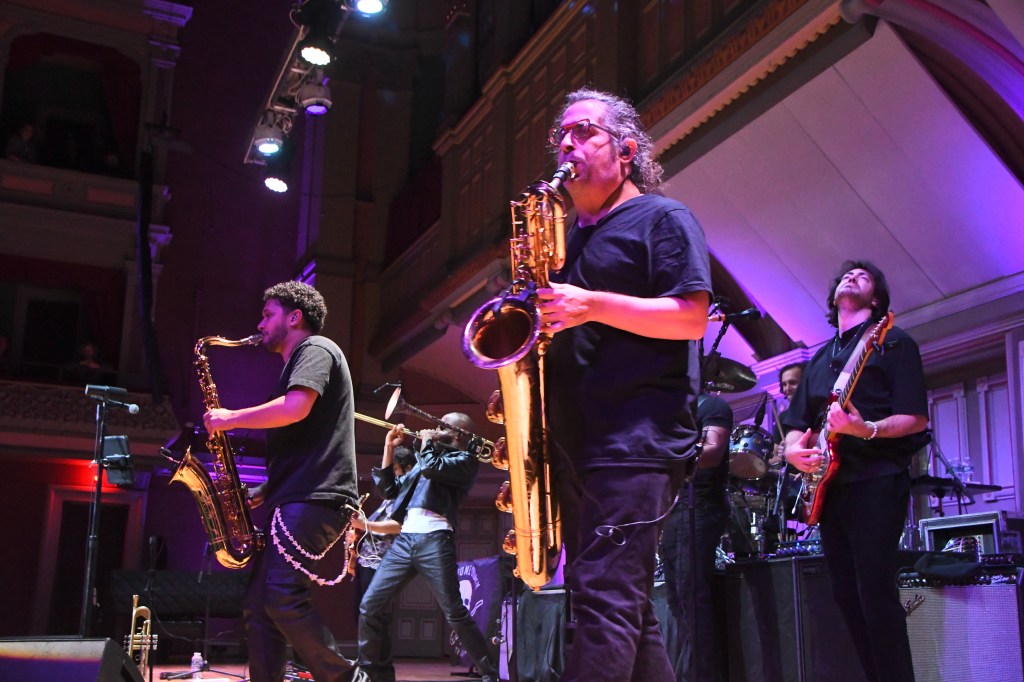
Saxophonist Orlando Gilbert, left, and Dan Ostereich, center, flank Trombone Shorty; guitarist John Maesta at right.

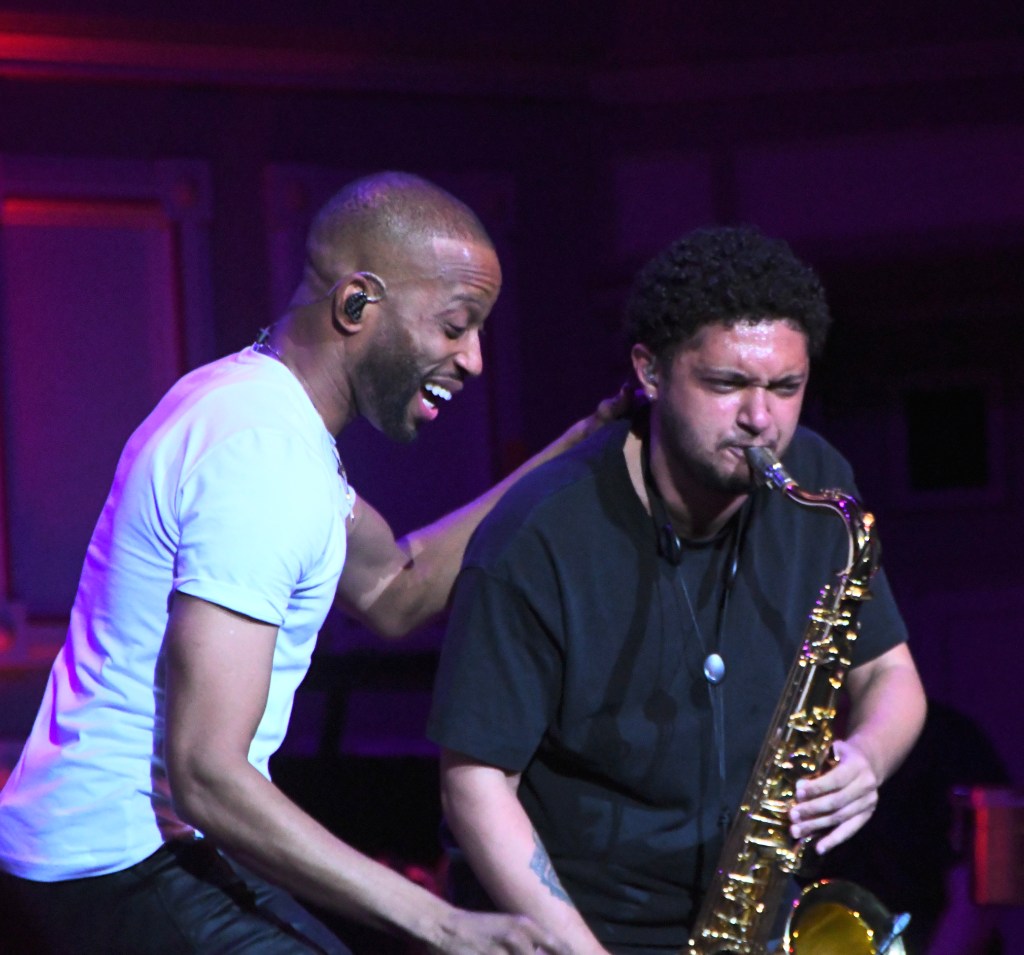
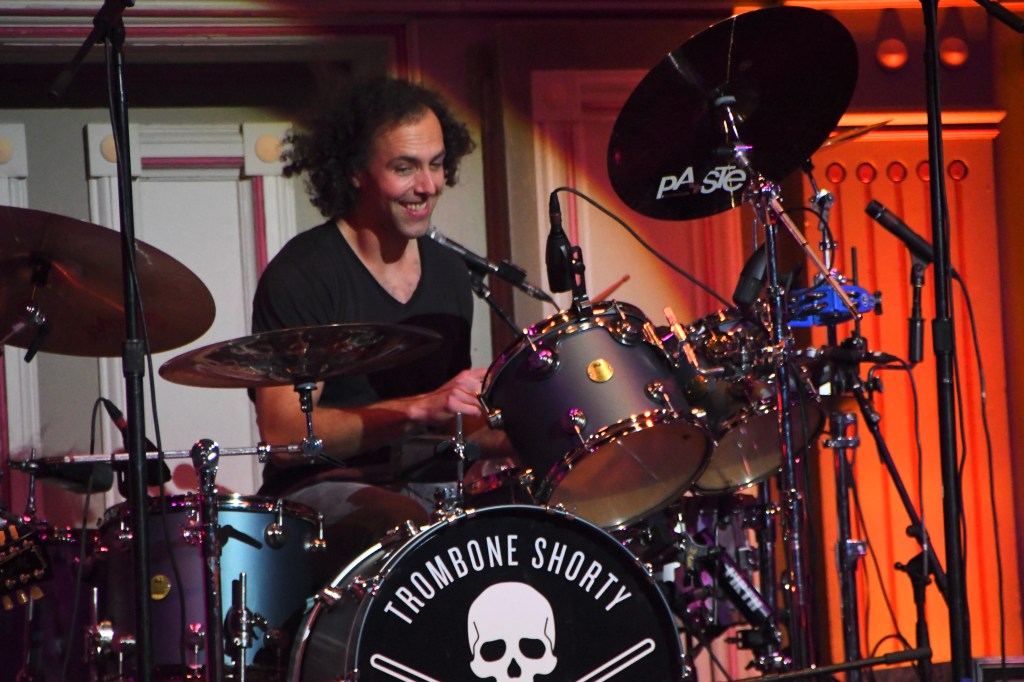
Playing together, tight as the Tedeschi Trucks Band, the band often did steps together, or jammed in tight clusters. Everybody got a solo, Shorty fanning their flames. Guitarist John Maesta used Hendrix-y feedback to explore space in “Lie to Me” while Pete Murano played down to earth guitar funk in “Ain’t No Use.” Near the end, Dan Oestreicher put down his baritone saxophone to dance around, then belly-slid across the stage between Shorty’s spread legs. Young tenor saxophonist Orlando Gilbert, Shorty’s nephew, went all bebop in “Where It At,” using his whole horn from whomps to screams. Shorty briefly played timbales in a pulsating duet with Joey Peebles, then let the drummer take over. Busy-all-night bassist D.J. Raymond played even faster when Shorty urged him to top speed. Singer Tracci Lee sang cool cameos in “Ain’t No Use,” duetted with Shorty in “Fire and Brimstone” and wrapped the main set by partying through “When the Saints Go Marching In.” She pumped fresh, happy energy into this over-played Mardi Gras classic before an all-in romp through “Everybody Needs Somebody.”

The encore brought the (vintage) funk in a fun way, medleying P-Funk and James Brown get-downs into a seamless dance dazzle of moon-walk glide and mic shenanigans. They rocked jukebox evergreens “We Want the Funk,” “Turn This Mutha Out,” “Sex Machine,” “Shake Your Money Maker” – then Shorty left promising “I’m coming back soon!” Saratoga Jazz Festival?

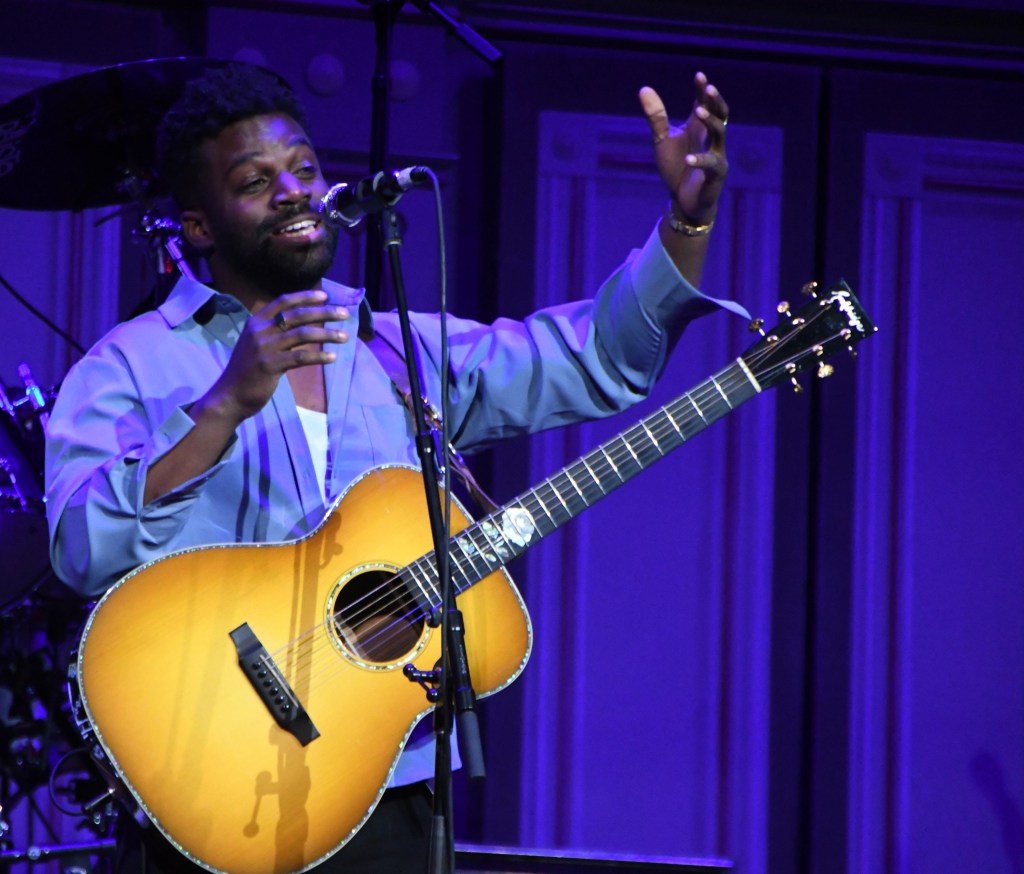
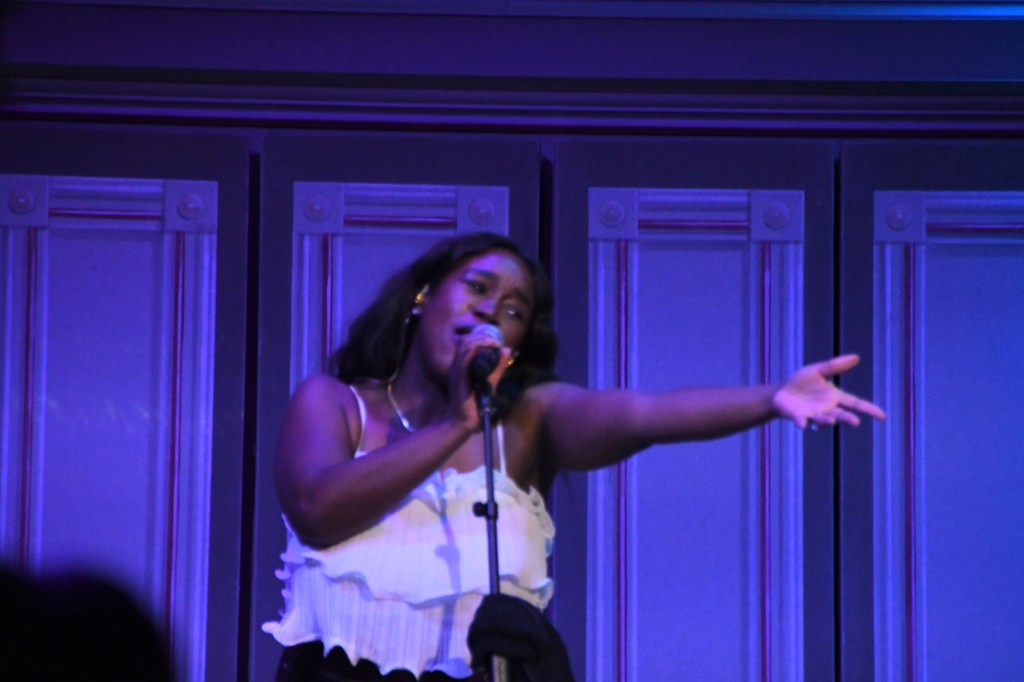
While Trombone Shorty got famous at four in a Jazz Fest photo with Bo Diddley, opener Abraham Alexander, now a youthful 35, jumped into the spotlight with an Oscar nomination last year for his song “Like a Bird” on the “Sing Sing” soundtrack. This followed a slow build of Texas club shows and guest spots. A confident charmer, he told of Oscar night encounters with Demi Moore, Elton John, Diane Warren and Morgan Freeman; but also of a childhood uprooted from Greece to Texas then tainted by family tragedy, adoption, then reconciliation.

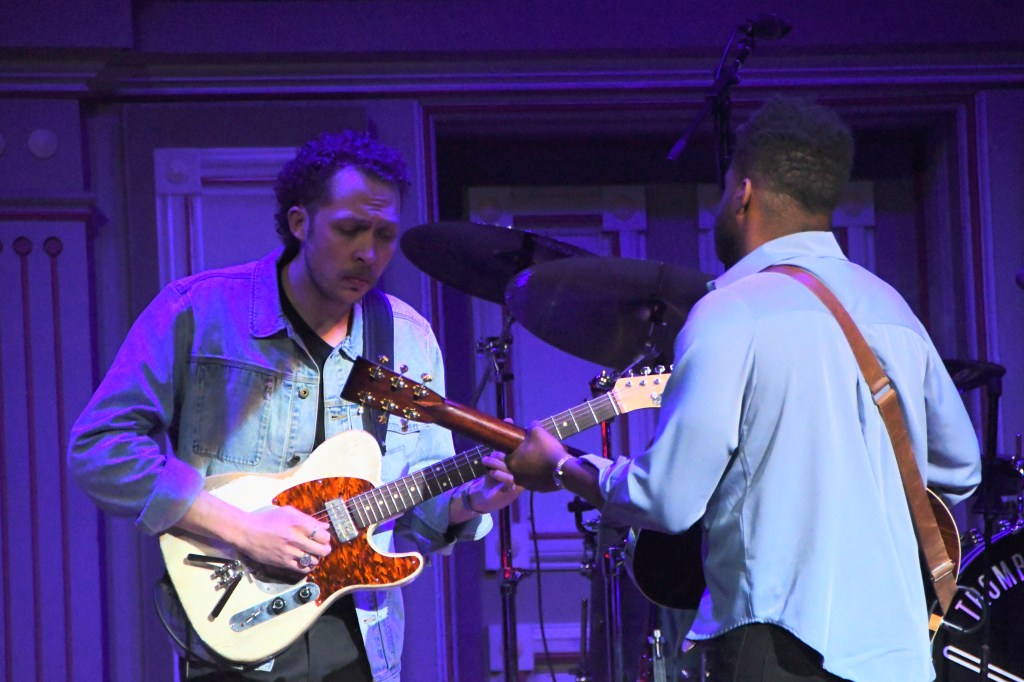
Abraham Alexander, above; below, at center with Ezrie Katzen, guitar, and Jordache Grant, keyboard

Thoughtfully slow, in his mellow voice and acoustic guitar, his songs made beauty of tough times. Jordache Grant’s keyboard lent both bass bottom and piano decoration while Ezrie Katzen’s immaculate guitar felt equally tasteful. Katzen kindly wrote the setlist and players’ names in my notebook.

Yes, that’s Chris Isaac’s “Wicked Game” – Alexander didn’t try Isaac’s high notes – among originals from Alexander’s debut album “Sea/Sons.” They closed with a poignant new one from his under-construction second album.

Alexander likely won’t be an opener for long.

Gallery

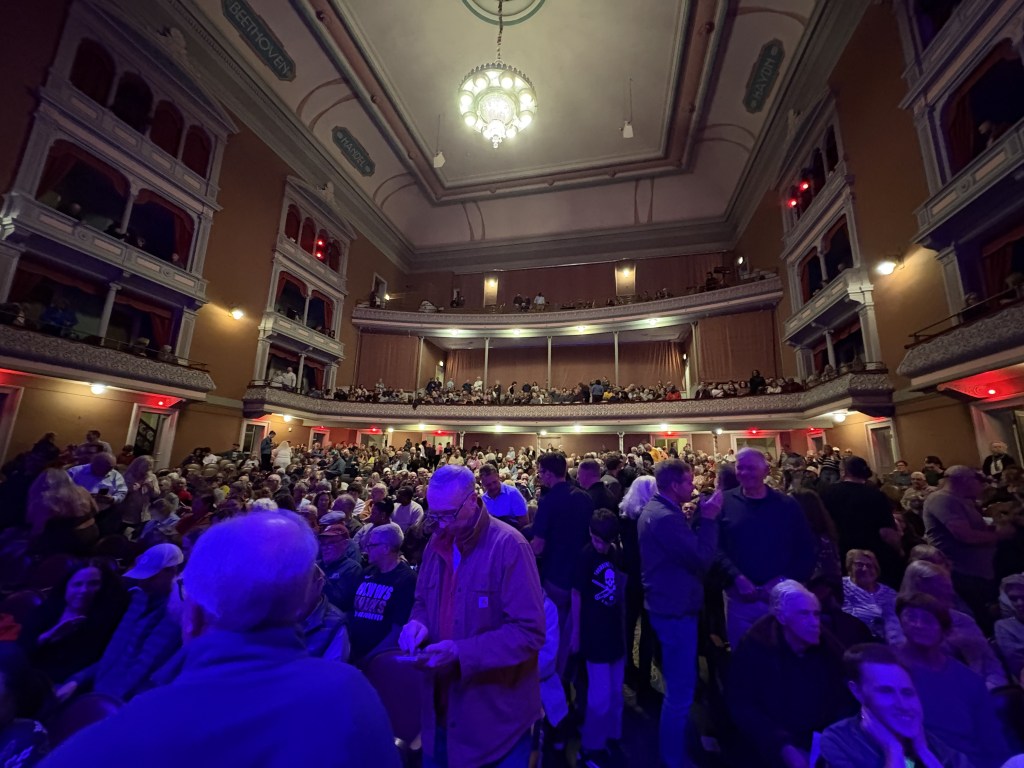
Pre-show fans in packed Troy Savings Bank Music Hall, above; below, singer Tracii Lee, left, and Pete Murano greet the crowd before Trombone Shorty comes on.

Joey Peebles, above; John Maesta, below

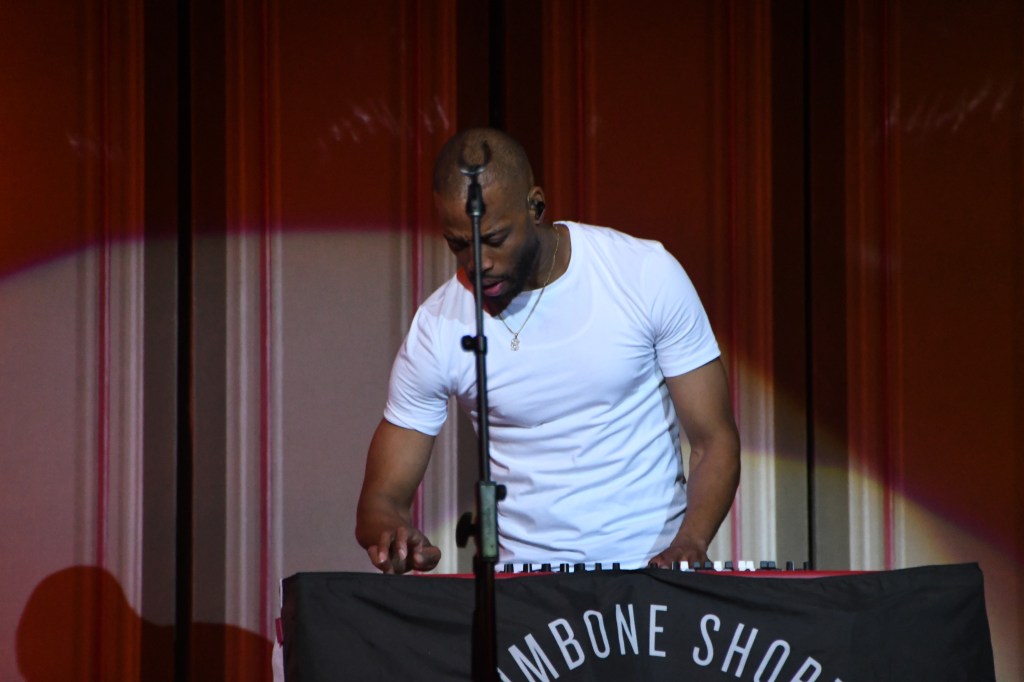
Shorty at the keyboard, above; with Tracii Lee, below

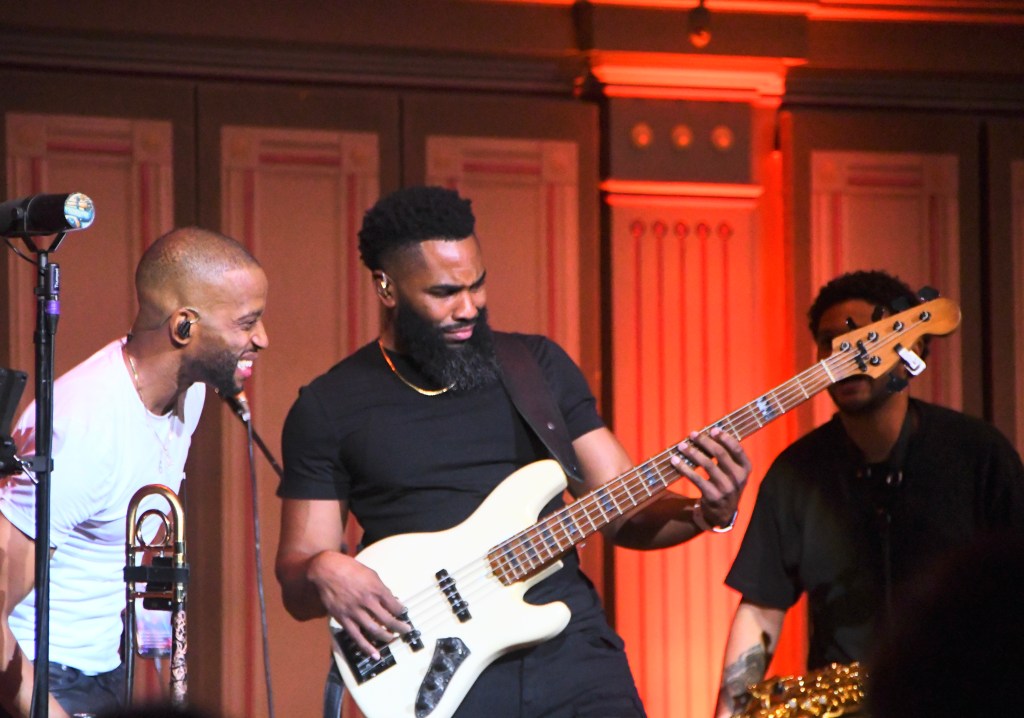
From left, Trombone Shorty, bassist D..J. Raymond, saxophonist Orlando Gilbert

Jazz Age

Review: The Cookers at A Place for Jazz, Friday, October. 16, 2026

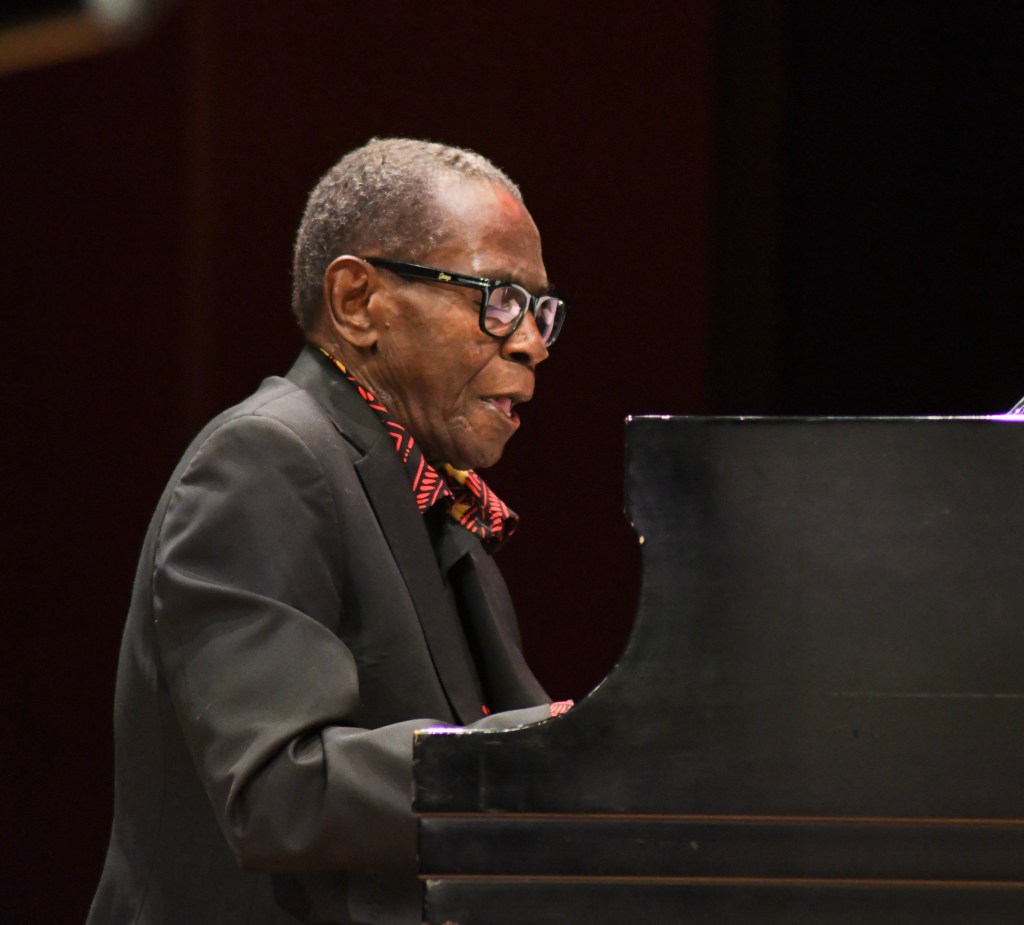
We weren’t fooled by the walker George Cables needed to approach the piano Friday at A Place for Jazz.

He reached for the keyboard and many of his 81 years faded away. The Cookers, aged 50 (trumpeter Jeremy Pelt) to 91(bassist Cecil McBee), relied on taste nurtured by long experience to charm in post-bop swinging section playing. They also detonated fiery outbursts that amazed a crowd of both teenaged music students and gray-haired contemporaries of the cats onstage.

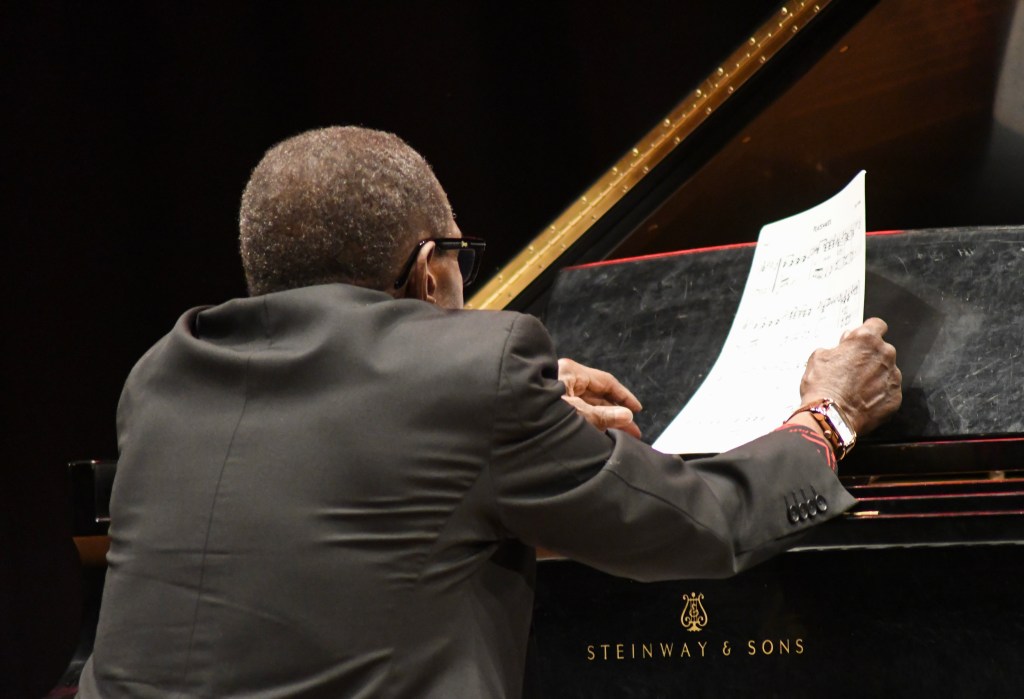
George Cables

The rhythm section were the oldsters, the horn players up front mostly decades younger. All seven were very together, though, in ensemble smoothness right out of the box with some beautifully nuanced passages in their opener, Cables’s “The Mystery of Monifa Brown.” Built on a brisk downhill riff, it stretched in Craig Handy’s whole-horn alto break of hot scales, both hands keying up high at times in percussive runs. David Weisse also ran scales in his trumpet exploration before Cables reclaimed it in a trio romp of breathtaking cohesion before everybody jumped back on board.

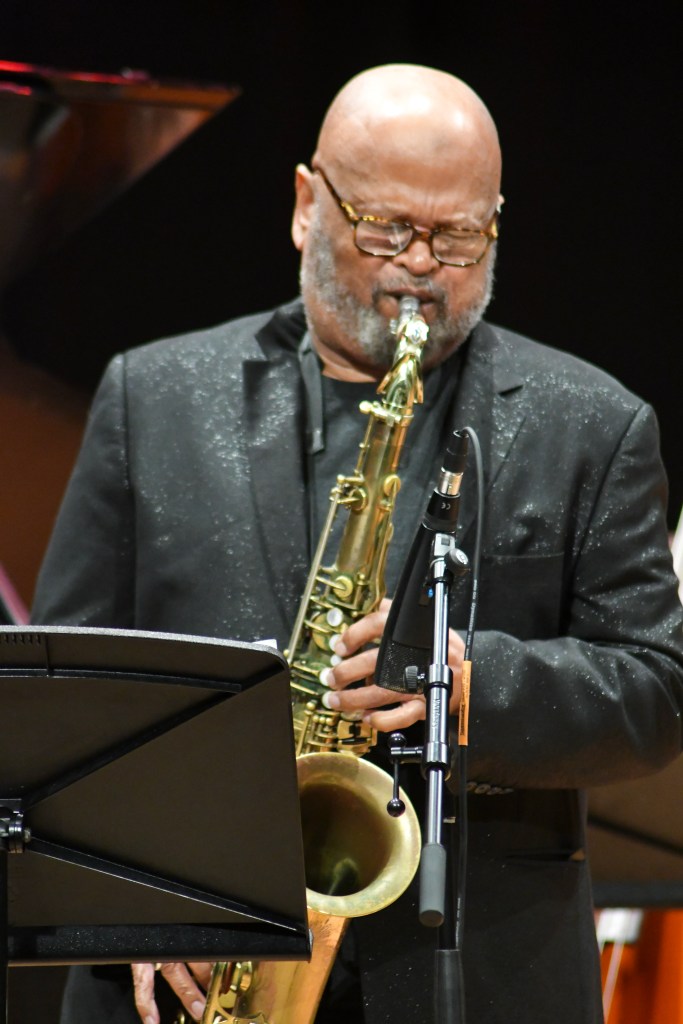
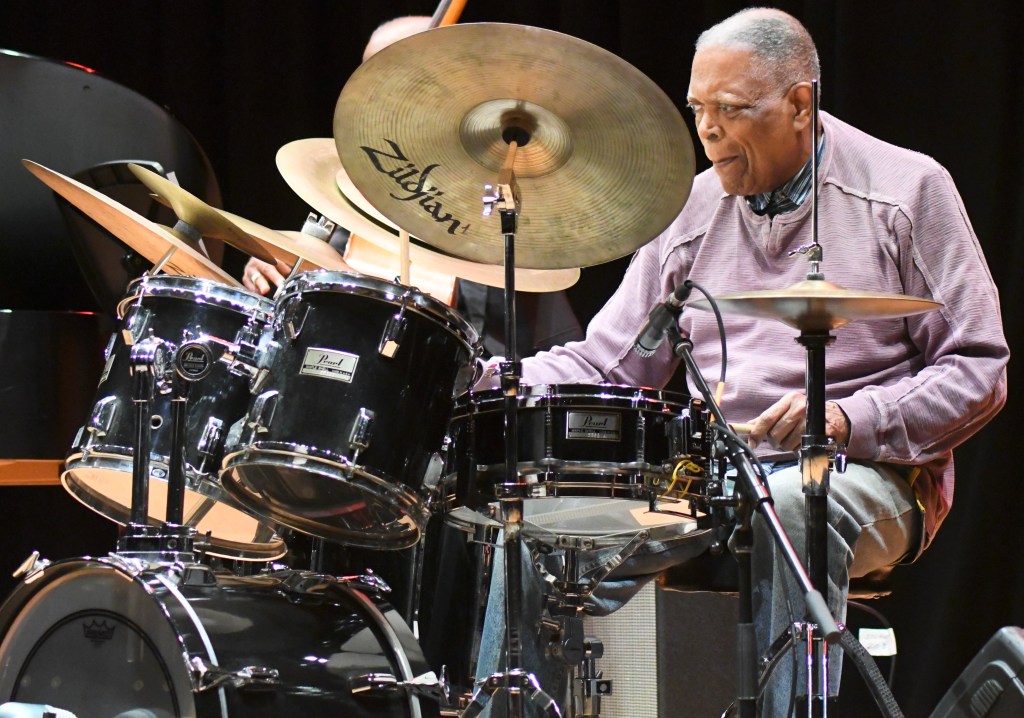
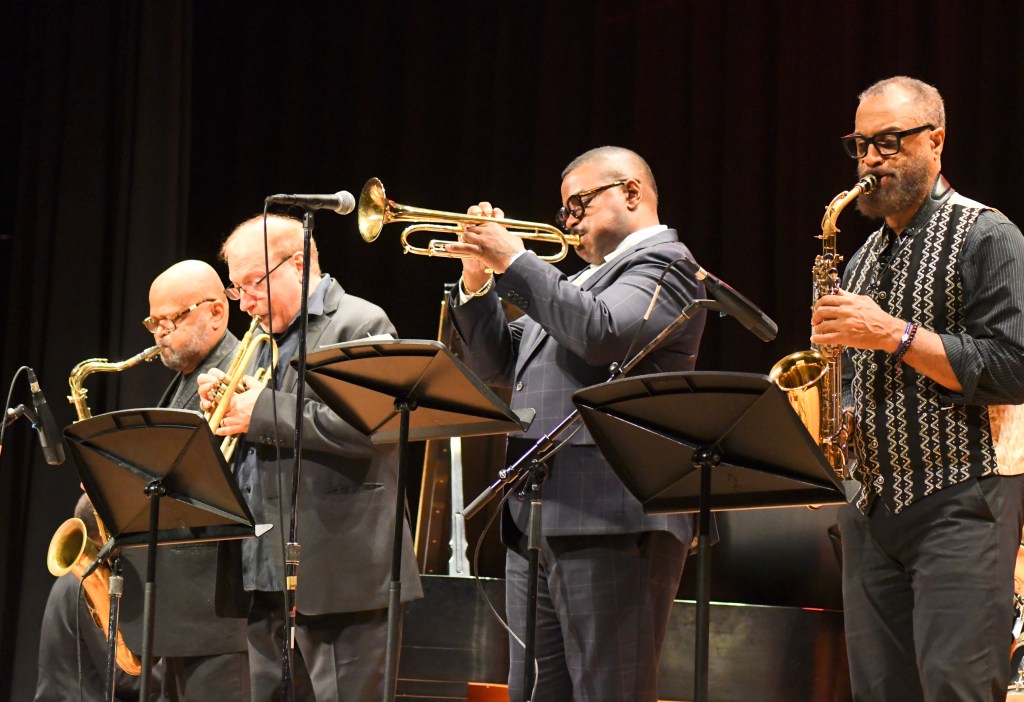
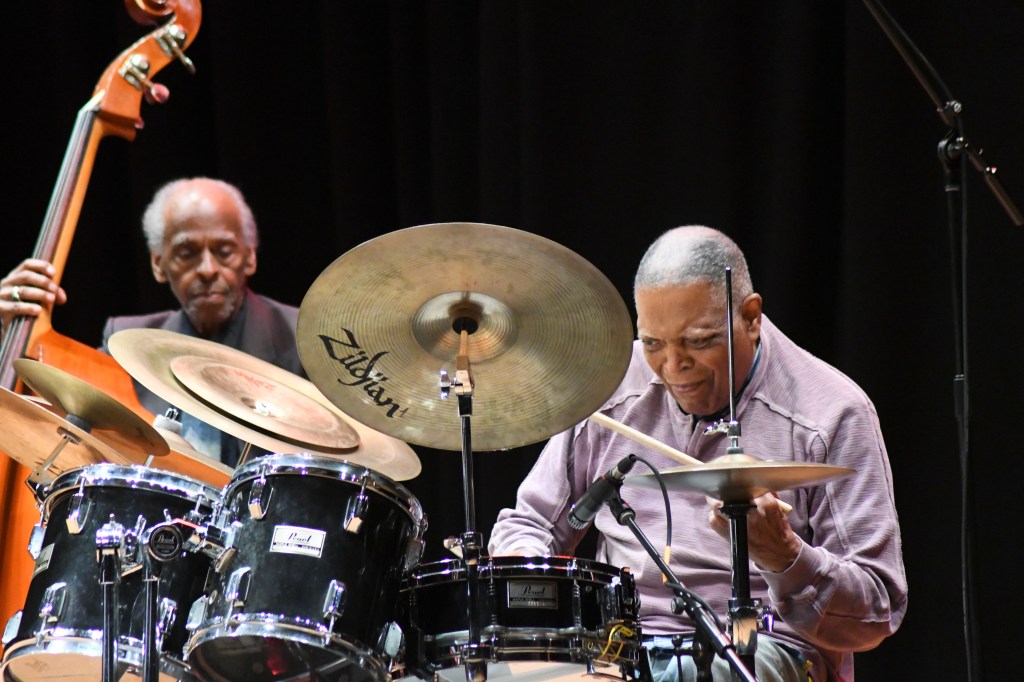
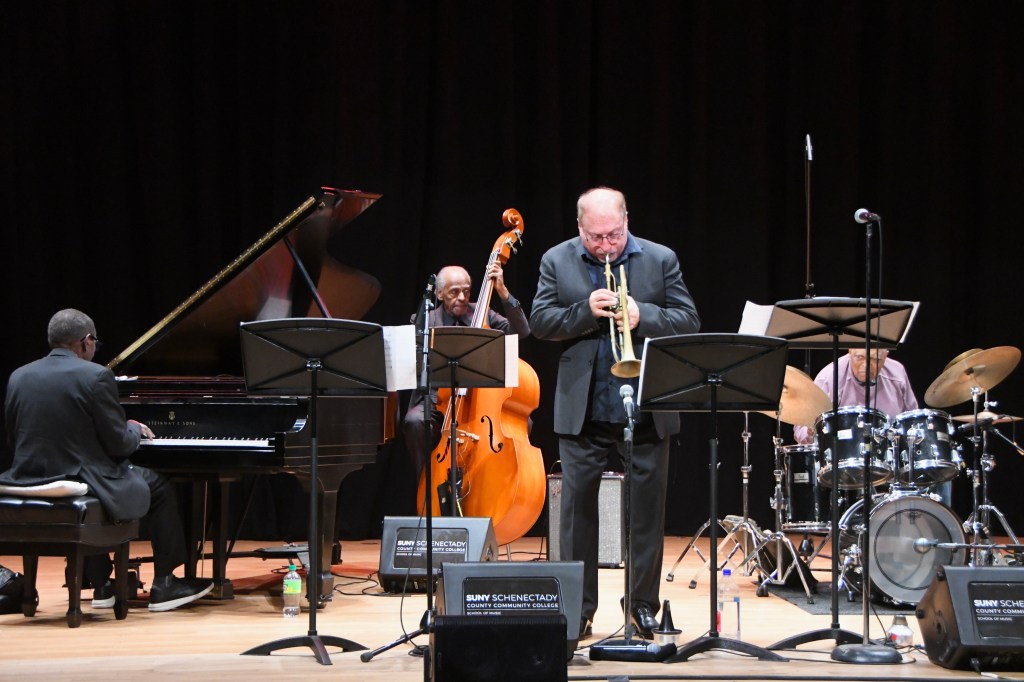
The Cookers, from left: George Cables, piano; Azar Lawrence, tenor saxophone; Cecil McBee, bass; David Weisse trumpet; Jeremy Pelt, trumpet; Billy Hart (in mauve sweatshirt, behind Pelt); Craig Handy, alto saxophone

In the syncopated “Blackfoot,” also from Cables’ pen, Jeremy Pelt’s trumpet sparkled in sky-splitting riffs and earthy rasps, and Azar Lawrence’s tenor also pushed it hard.

They slowed for McBee’s “Peacemaker,” but it packed exciting rhythmic energy. Hart’s drums dropped into the seams, Pelt used slurs and high swoops against a dramatic stop-and-go group cadence and Handy’s alto quoted “Softly As in a Morning Sunrise” – all sweet swagger that McBee echoed in his own solo.

Jeremy Pelt, above; Craig Handy, below

After the break, just three more songs, all from the Cookers’ six albums of mostly originals. Stretched out to share the adventure, everything felt generous, open and unhurried, even when they sped up in Weisse’s “Three Fall” to open the second set.

Weisse also hosted, announcing pieces and players. The repertoire and arrangements gave every player both workmanlike stretches of support in crisp section playing and spotlight moments in solos. Some may have played sparser or slower than on earlier stages or albums, but who could say, really?

For example,“Three Fall” brought big fanfare energy, bolstered at solo time with Weisse’s boil-then-simmer break, a loose and playful all-in middle section and a delicious tight-as-telepathic piano and bass foray.

David Weisse, above; Azar Lawrence, below

McBee’s melodic ballad “Close to You Alone” slowed from Hart’s double-time cymbals into lovely lyrical expression from Handy’s alto over subdued sweet horns as Hart tugged things forward with flying brushes. This seemed to give Handy permission to pump the pulse; after he took things outside, Weisse, Pelt and Lawrence, in turn then together, brought the tune back home. A tasty piano trio section faded quietly, Hart switching to mallets, before Handy, unaccompanied, led a sped-up coda of pulsating scales.

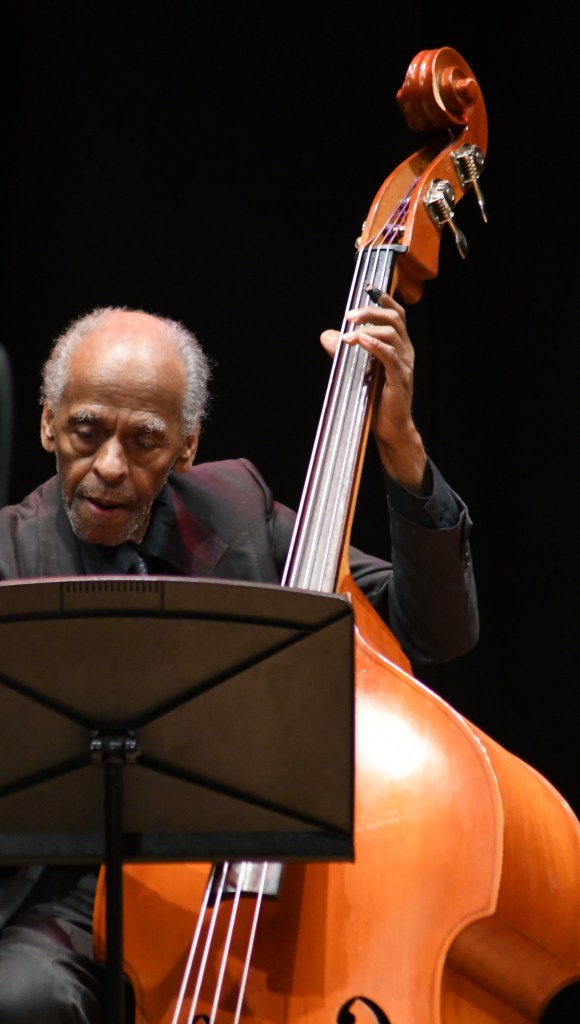
Cecil McBee, above; Billy Hart, below

Weisse announced their closer and only non-original number, Freddy Hubbard’s happy riff-rocker “The Core,” would feature “our magnificent drummer.” Hart rose to the challenge in a long break, an encyclopedia of drum dynamics. This followed upbeat solos from Pelt and Lawrence over the seething rhythm section, smoldering under staccato horns that faded to let Hart shine. He cooked, all by himself, until Cables and McBee joined discretely as Hart settled into a groove they comfortably joined. The horns came back in and built a riff that repeated and repeated, like a farewell by guests who didn’t really want to leave.

For every “oops” moment – a ragged coda in “Cables’s “Blackfoot” and a later hasty rush back onstage by the horns who’d drifted into the wings when an early solo ending caught them off guard – came 10, or 100, “wow!”s.

At Carnegie Hall years and years ago, I saw maestro Leopold Stokowski rely on help to cross the stage to the podium. Once up there, he seemed struck by lightning; energetic, animated and dynamic. He conducted – the American Symphony Orchestra in Beethoven’s Seventh – from memory with just his hands, no baton; and even offered an encore.

So it was with the elders of the Cookers Friday: struck, very together, by jazz lightning.

A Place for Jazz continues with the Ernie Watts Quartet on Friday, October. 30, 2026. (The saxophonist turns 81 a week before the show.) A Place for Jazz presents its concerts in the Carl B. Taylor Auditorium of the SUNY Schenectady County Community College music school.

The Songs

The Mystery of Monifa Brown (Cables)

Blackfoot (Cables)

Peacemaker (McBee)

Three Fall (Weisse)

Close to You Alone (McBee)

The Core (Freddy Hubbard)

Photo Gallery

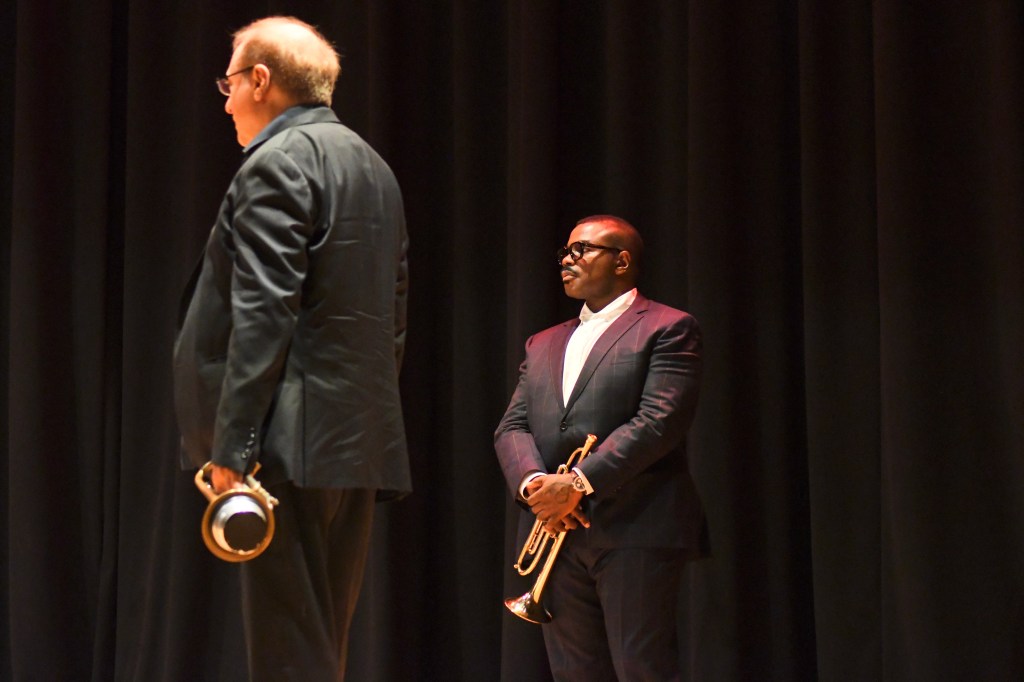
The players sometimes drifted offstage after section play, or their own solos, had ended. Above, trumpeter David Weisse solos with the rhythm section of George Cables, Cecile McBee and Billy Hart. Below, Weisse and Pelt await their turn.

Choice Jazz Choices

Hot damn: two seriously cool jazz shows on the same night. This Friday, October 16, the Cookers play a Place for Jazz in Schenectady while John Pizzarelli and Catherine Russell team up at the Troy Savings Bank Music Hall.

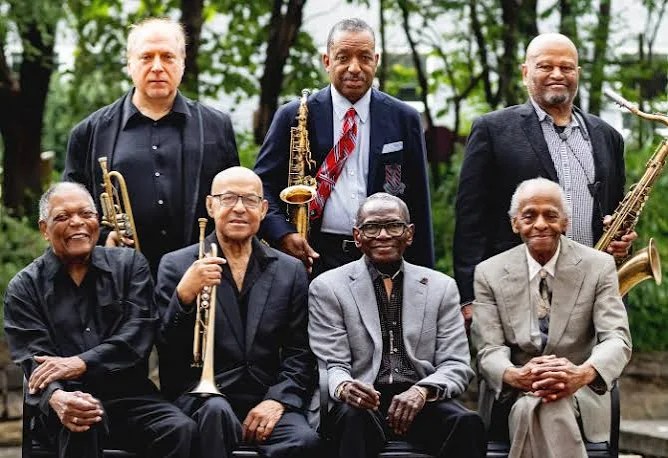
There are all-star groups; then there’s the Cookers, seven players whose 250 years of combined experience blur stars and styles together like Ken Burns’s “Jazz” on fast forward.

The Cookers. Photo provided.

Aged from 50 (saxophonist Craig Handy) to 91 (bassist Cecil McBee), they honor the tradition with bebop as unifying fulcrum between past and future, their common language.

Handy portrayed the lyrical tenor saxophone great Coleman Hawkins in the jazz-centric film “Kansas City,” set in the swing era; and led the Mingus Dynasty tribute crew honoring the innovative bassist. Maybe most visibly, he co-starred in Herbie Hancock’s fusion jazz-rocking Headhunters.

McBee accompanied jazz/R&B diva Dinah Washington and played folk-jazz fusion with Paul Winter before turning to jazz in his 30s on arriving in New York. He then joined forces with modernists Miles Davis, Charles Lloyd, Pharaoh Sanders, Alice Coltrane and others, and shared the Best Instrumental Performance Grammy for “Blues for Coltrane.”

No contemporary jazz giant combines jazz past and present so perfectly as saxophonist Donald Harrison. As Big Chief of The Congo Square Nation Afro-New Orleans Cultural Group, a Mardi Gras Indians masking troupe, he honors the New Orleans tradition. Then, playing hard bop with Art Blakey’s Jazz Messengers and in a sparking duo with Terence Blanchard established him as an innovator. He combined both approaches in Spike Lee’s “When the Levees Broke” alongside Blanchard, and starred as himself in HBO’s “Treme.”

Pianist George Cables’s star-studded resume lists gigs with Blakey, like Harrison; also working with saxophone giants Sonny Rollins and Dexter Gordon as swing became bop, then with Freddie Hubbard on the gentler side of fusion and in his own longtime trio.

Like McBee who came up with Dinah Washington, drummer Billy Hart (second oldest Cooker at 86) started in R&B with Memphis soul-men Otis Redding and Sam and Dave. Powerful, prolific – four or five albums a year for decades – Hart was declared NEA Jazz Master in 2022 alongside Cassandra Stanley and future fellow Cooker Donald Harrison. Hart also starred with Pharaoh Sanders, McCoy Tyner, Jimmy Smith, Stan Getz, Charles Lloyd and in Herbie Hancock’s Mwandishi band, also in Miles Davis’s rocking, post-Bitches Brew bands. 

Trumpeter David Weiss played with Handy in the fearless New Jazz Composers Octet, hailed by Ben Ratliff in the New York Times as “the sound of the new jazz mainstream.” 

The Cookers other trumpeter, Jeremy Pelt also played with Handy, in the Mingus Big Band, and with the recently deceased Cassandra Wilson.

Saxophonist Azar Lawrence may be best known for his work with McCoy Tyner on the eminent pianists most exuberant and rhythmically propulsive 1970s albums including “Enlightenment” and “Sama Layuca.” Lawrence shares with McBee a varied background, including R&B credits in Tina Turner’s band, War, and the 103rd Street Rhythm Band. An early gig with Elvin Jones marked a turning point for Lawrence into the rocking neighborhood where trumpeters Freddy Hubbard and Woody Shaw played; both employed Lawrence.

Together, the Cookers have released half a dozen albums and played every significant jazz festival, club and theater, even while maintaining busy schedules as bandleaders and valued sidemen.

Friday they play A Place for Jazz in the Carl B. Taylor Auditorium of the SUNY Schenectady County Community College music department. 7 p.m. $25 general admission. www.aplaceforjazz.org.

Meanwhile, 24 miles away at the Troy Savings Bank Music Hall, guitarist-singer John Pizzarelli plays with singer Catherine Russell.

Both have long been highly visible here, Pizzarelli playing almost every area venue, first co-starring in guitar tag-teams with his late dad Bucky at WAMC’s The Linda, while Russell has starred on her own and accompanied others.

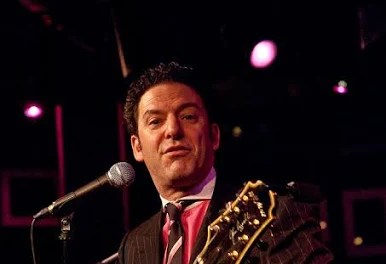
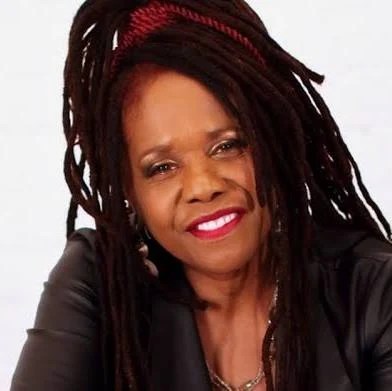
John Pizzarelli, above. Photo provided. Catherine Russell, below. Photo from Broadway World

Every week when Pizzarelli hosts “Radio Deluxe” on WAMC with singer-wife Jessica Molaskey, he proves himself an avid and knowledgeable fan first, before he ever picked up a guitar – spinning records by inspirations on air. He also produces tribute albums in all directions, from swing and early pop idols Frank Sinatra and Nat Cole to guitar innovator Pat Metheny. Pizzarelli also produced James Taylor’s Grammy-winning “American Standard” album and released “Dear Mr. Bennett” (tribute to Tony) this spring with bassist Mike Karn and pianist Isaiah J. Thompson.

Like the Cookers McBee, Hart and Lawrence, Catherine Russell first made her mark as accompanist, with pop-rockers David Bowie and Steely Dan and singers from Madonna to Cyndi Lauper and Rosanne Cash, including one of Cash’s strongest shows here, at The Egg in 2014. 

Turning to jazz in 2006 with “Cat,” Russell began exploring the family business: Her father was musical director for years with New Orleans jazz trumpet pioneer Louis Armstrong. Russell played an early jazz vocalist in “Bolden!” – bio-pic honoring Armstrong’s contemporary. Russell often includes jazz classics in her live shows, including “At the Swing Cats Ball,” “Errand Girl for Rhythm,” Exactly Like You,” “I Don’t Need No Doctor,” and “Don’t Advertise Your Man” at Caffe Lena – two sold out shows – last March.

Live-streaming at home (car trouble), I found: “Russell may be the most superbly deserving Nepo kid this side of Rosanne Cash, whose band Russell sang in years ago at the Egg. Russell did cite her father Luis, composer of tunes in each show. On her own terms, backed by a cozy ensemble as skilled as she is, Russell is one spectacularly effective singer and a tasteful curator of a vintage repertoire. She said she doesn’t sing anything newer than 70 years old (her age at her next birthday), and she doesn’t need to.”

8 p.m. $63, $51. 518-273-0038 www.troymusichall.org

Also at Troy Savings Bank Music Hall, Trombone Shorty returns next Tuesday to explode jazzy New Orleans funk at its most joyful.

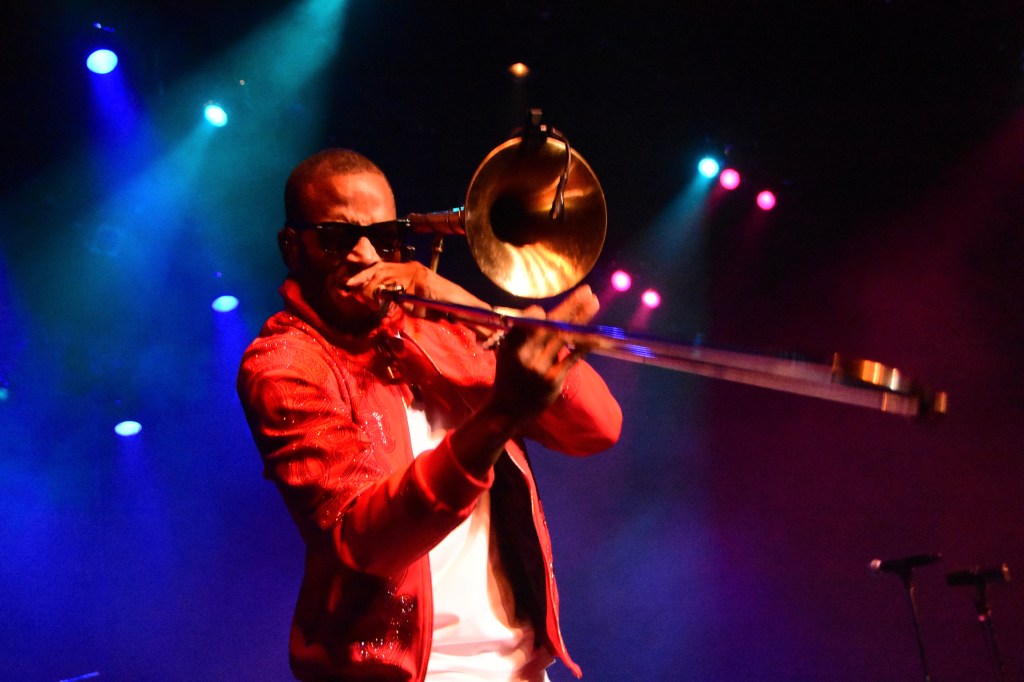
Trombone Shorty. My photo

When he and his strong band Orleans Avenue played The Egg in 2023, I wrote: “To give joy, you need to bring it yourself, and Trombone Shorty – born Troy Andrews, a son of Treme in new Orleans – always packs plenty.

“For uplift and get-down, Trombone Shorty and Orleans Avenue amazed, again…A tremendous, thrilling show.

“In their formidable, forceful flow everything fit and nobody needed cues to hit their riffs, solos or section playing. Whenever anybody soloed, Shorty sidled up and encouraged them…Shorty formed trios and duets, switched off between trumpet and trombone and did that astounding thing where he repeated a riff, tight, over and over for several minutes by breathing in through his nose while blowing hard through the horn. He and tenor man DJ Raymond roamed the crowd, honking up one aisle and down another. Back onstage, he brought his saxophonists into a three-horn cluster, combining Sidney Bechet and J.S. Bach.”

Trombone Shorty and Orleans Avenue have taken over the festival-closing slot at both Jazz Fest in New Orleans (from the Neville Brothers) and the Saratoga Jazz Festival when they play up here in the summer, thrilling many thousands at each. Indoors, they should sound great in The Hall. Abraham Alexander opens, a young star vocalist born in Greece to Nigerian parents, and raised in Texas, he earned an Oscar nomination for his song “Like a Bird” in the film “Sing Sing,” 8 p.m. Tickets are selling very fast.

Homecoming(s) at Caffe Lena

This week feels like homecoming at Caffe Lena after last Saturday’s off-site success at SPAC in those venues’ now-annual collaboration. Favorite son Don Armstrong personifies this performers’ pilgrimage in his 54th (!!) Caffe show Friday, with other returning stars before and after.

Beth Nielsen Chapman starts this run of singer-songwriters (plus two jazz crews) Thursday – yeah, tomorrow!

Beth Nielsen Chapman. Photo provided

Info the Caffe supplied about her launches from her observation: “Flickering between the known and the unknown is a mystical state of being where time is suspended, and creative flow actualizes into form.” Yet, her work feels down to earth in translating feeling into words and melody so effectively that her tunes have yielded hits for stars from Willie Nelson to Elton John.

For example, Faith Hill’s version of Chapman’s “This Kiss” was ASCAP’S 1999 Song Of The Year and earned a Grammy nomination; as did Chapman’s own “The Mighty Sky” album. She won Nashville NAMMY’S 1999 Songwriter of the Year award and was inducted into the Songwriter’s Hall Of Fame in 2016. 

She said of her latest album “CrazyTown” (produced by Ray Kennedy), “We captured 17 songs in six days with a live band at blazing speed.”

Fellow Nashville cat (and my brother) Jim Hoke – a notably tough crowd – played on an earlier Chapman album, one of her 15 to date. As musical director of an all-star tribute to their mutual friend Duane Eddy, he said, “I made her songs happen with the band we had and she was very easy to work with. She’s an old pro and not a diva.” Hoke added, “Her songs are nice and her delivery and manner are pleasing.” Having played Caffe Lena himself as a teenager, he predicted she’ll do well here. “Her style is acoustic guitar-driven and folksy, with that literate ‘accomplished’ yet emotional kind of lyric writing that everybody strives for in Nashville. I expect the Lena’s crowd will dig her.” 

Beth Nielsen Chapman sings at Caffe Lena Thursday. 7 p.m. doors 6:30. $36.87 members, general $41.21, $15.18 students and children. 518-583-0022 www.caffelena.org
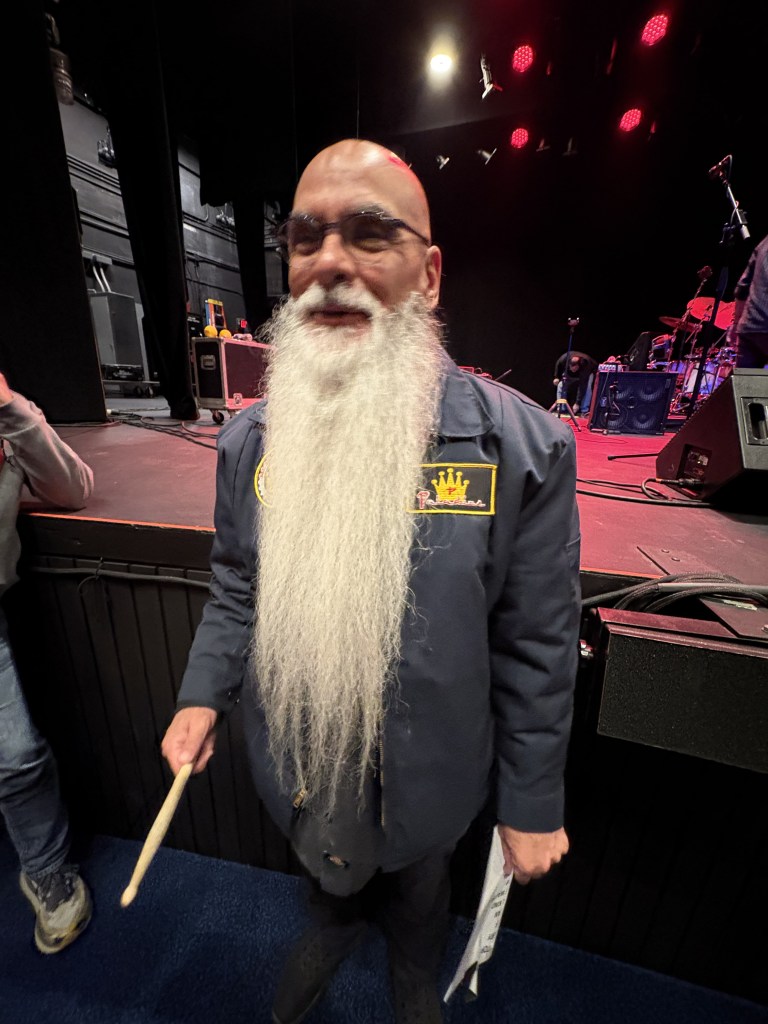
Don Armstrong follows on Friday– as noted, his 54th Caffe show. Since he first visited at 15, it became his music school as “professors” Bob Dylan, Utah Phillips, Hedy West, Dave Van Ronk, Rev. Gary Davis, Paul Clayton, John Herald, Gil Robbins, Ian and Sylvia and other folk giants inspired him from its stage. 
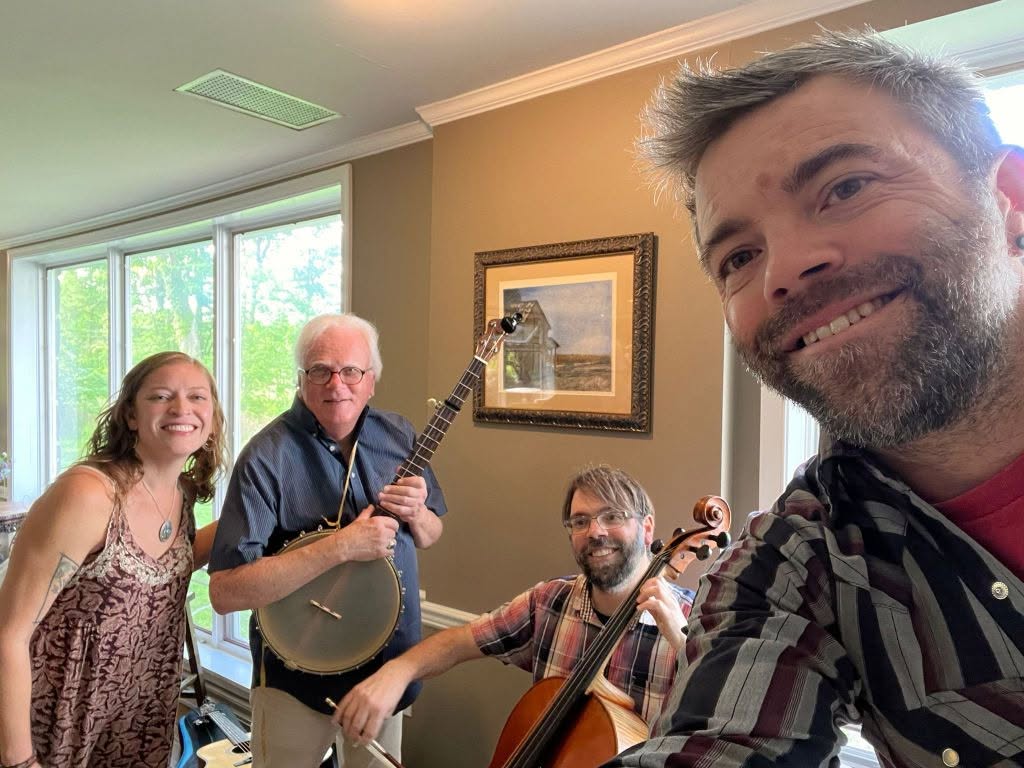
Most of his own shows here were alongside wife/musical partner Victoria, who died in 2014 after they’d moved to Arizona; or with Tom Mitchell, now in Nashville. In Arizona, Armstrong found himself surrounded by musical Ronstadts, just as the Caffe immersed him in national heroes. He plays Friday with his Whiskeypalians, singing and playing banjo and guitar with Peter Dalton Ronstadt, guitar and Pennsylvania stomp box; Michael Gilbert Ronstadt singing and playing cello; and singer Liz Cerepanya. 

Don Armstrong, the banjoist in blue, with his Whiskeypalians. Photo from his Facebook post

Don Armstrong and his Whiskeypalians play Caffe Lena Friday. 8 p.m., doors 7:30. $23.86 members, $27.11 general, $13.56 students and children.

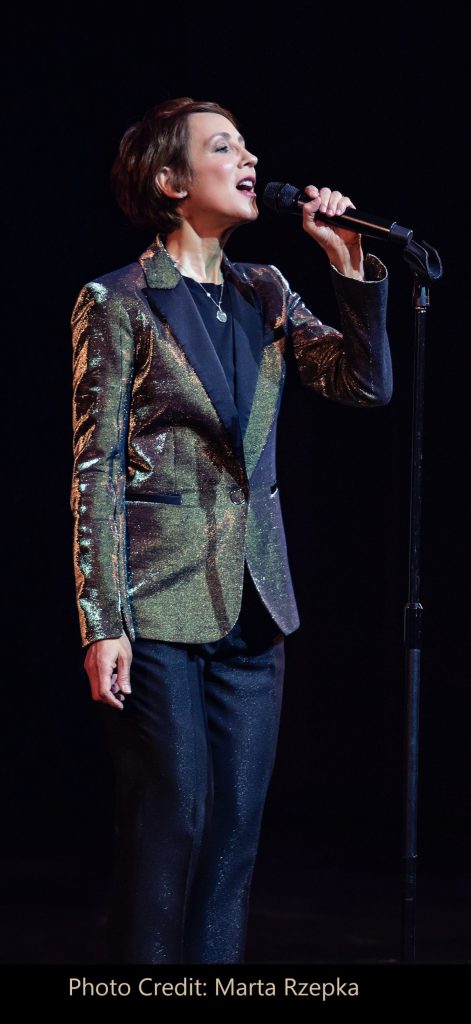
On Saturday, jazz singer Stacey Kent brings to the Caffe stage a unique understated style that draws listeners very directly to the songs through her intimate way with a lyric. Her trust and investment in her material communicates in a quietly effective transfer of emotional energy.

She sings classics by Johnny Mandel, Serge Gainsbourg, Burt Bacharach and Hal David, Brian Wilson and Stevie Wonder on her “A Time For Love” album – made in the bare bones simplicity of voice with pianist Art Hirahara. Originals by husband, saxophonist/musical partner Jim Tomlinson and lyricist Cliff Goldmacher express today’s concerns. Kent has also collaborated with the Brazilian masters including Marcos Valle, Roberto Menescal and Danilo Caymmi. Her shows I saw years ago at WAMC’s The Linda were models of quiet brilliance.

Stacey Kent sings two shows Saturday, at 5 and 8 p.m.; doors 4:30 and 7:30, respectively. $70.49 members, $75.92 general, $37.96 students and children.

A star since Joan Baez recorded three of his songs for her “Gone from Danger” album (1997) and invited him on tour, Richard Shindell has returned often from his adopted home of Buenos Aires. He co-starred with Dar Williams and Lucy Kaplansky in the trio Cry Cry Cry, the year after touring with Baez. But he sings solo Sunday, showing the empathy and insight that make his songs connect, sometimes unexpectedly. His songs of Covid in Argentina portray the plague as universal, for example.

Richard Shindell, onstage at Caffe Lena in March 2024

Shindell brings the whole package: engaging, personal songs; a deeply authoritative but relaxed voice – put him and John Gorka on the same stage, and they’d rattle the walls – and strong, simple guitar. 

His show Sunday is part of the Caffe’s Folk Heritage Series, sponsored by the Charlie Pickett & Kathleen Rehl Endowment Fund. 7 p.m., doors 6:30. $37.96 members, $41.21 general, $20.61 students and children.

Chuck Lamb. Photo provided

The Caffe’s late, great sound/video stalwart Joel Moss beefed up its JAZZ at Caffe Lena series, starring and hosted by pianist Chuck Lamb whose trio accompanies distinguished guests. On Tuesday, Lamb showcases the superbly versatile guitarist Peter Bernstein whose new album “Better Angels” (his 14th) co-stars Brad Mehldau, Vicente Archer and Al Foster. 

Lamb’s new “After Hours on Phila Street” finds the veteran of the Brubeck Brothers and other groups playing close to home. You know Caffe Lena is on Phila Street in Saratoga Springs, right? The Chuck Lamb Trio with guest guitarist Peter Bernstein plays the Caffe next Tuesday, October 13. 7 p.m., doors 6:30. $27.11 members, $30.37 general, $15.18 students and children.