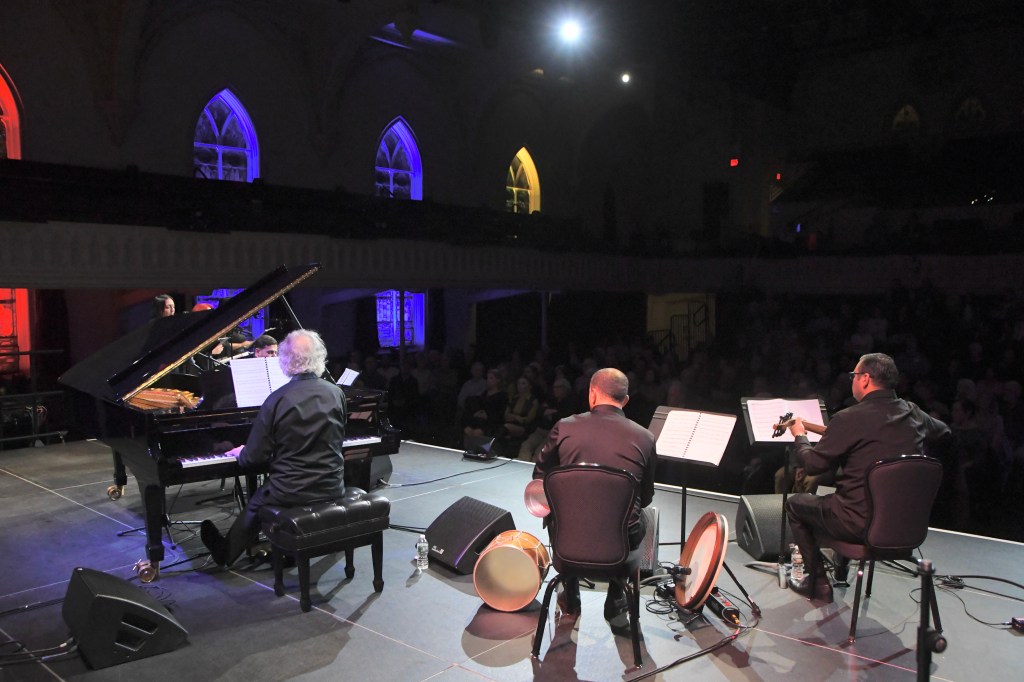


Review: The Naghash Ensemble of Armenia at Universal Preservation Hall (Proctors Collaborative Passport Series presented with Music Haven), Thursday, Nov. 5, 2026
The most compelling music expands in the heart from the particular to the universal. To deeply poignant effect Thursday at Universal Preservation Hall, the Naghash Ensemble of Armenia transmuted long-buried medieval poetry about the pain of exile into something joyful, of belonging.
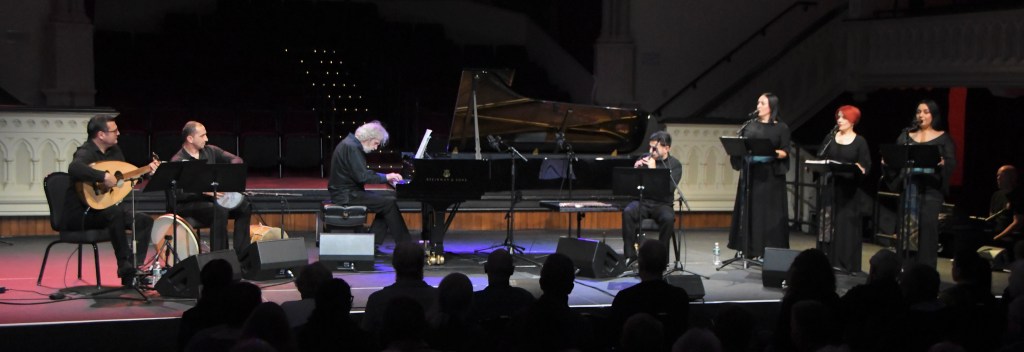
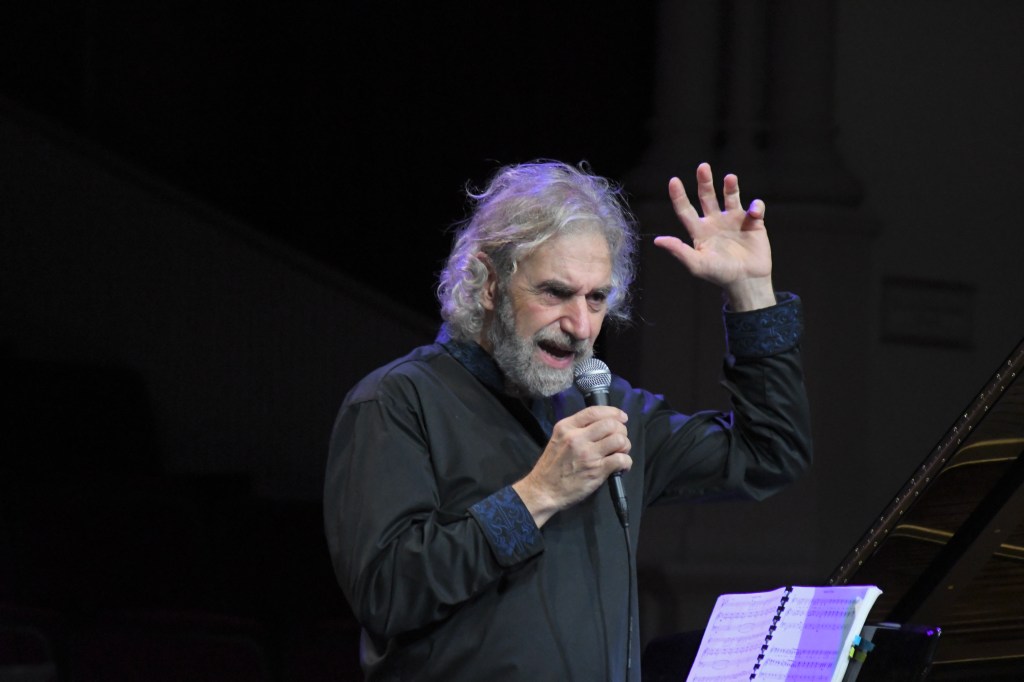
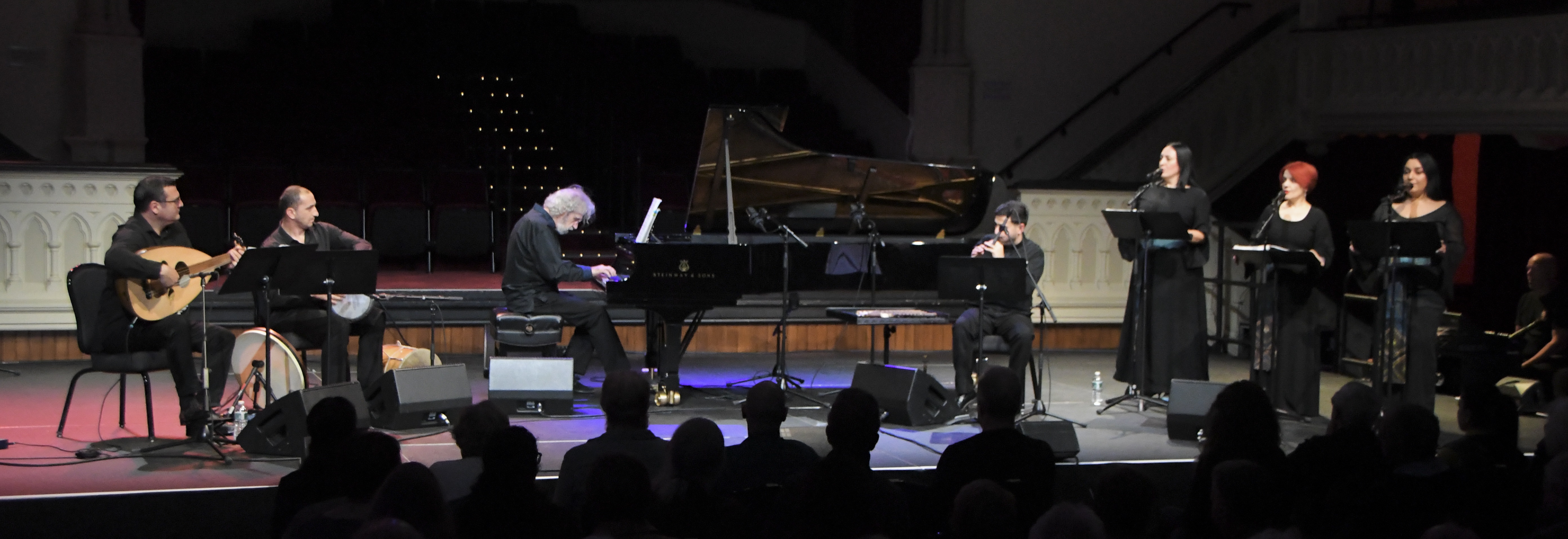
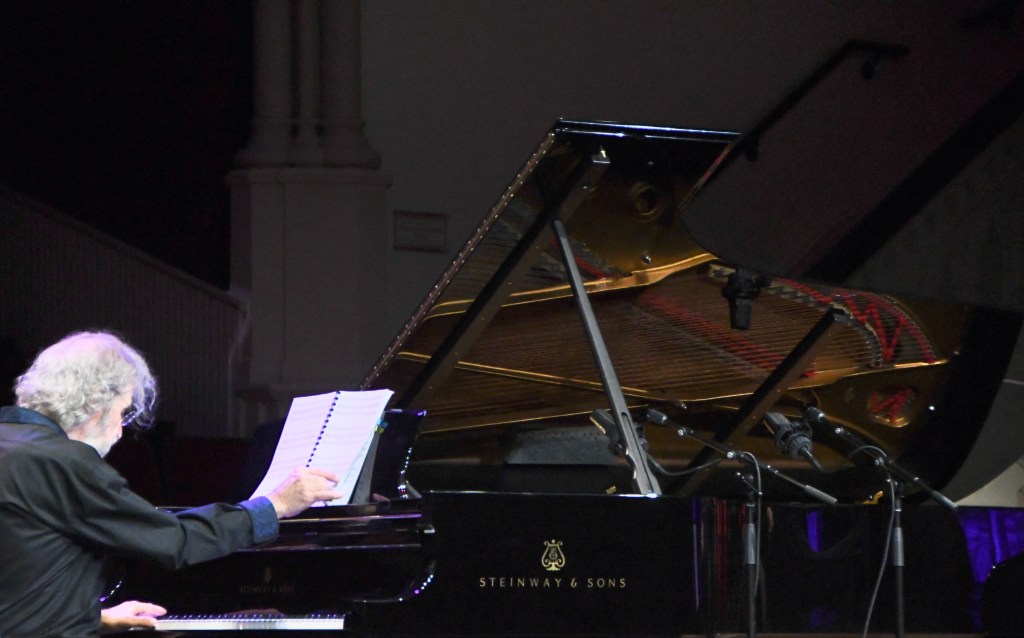
Above, the Naghash Ensemble of Armenia. Below, John Hodian
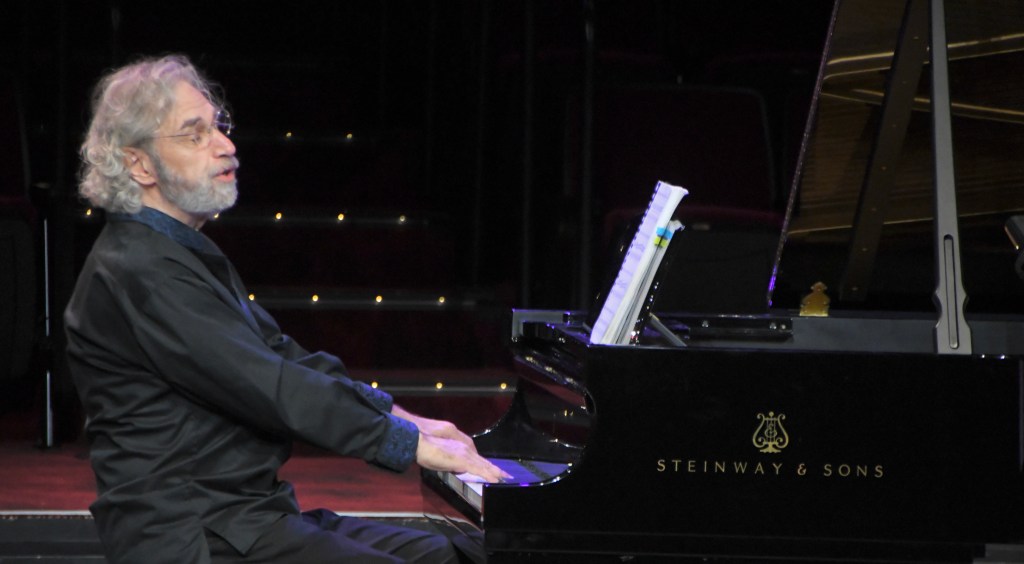
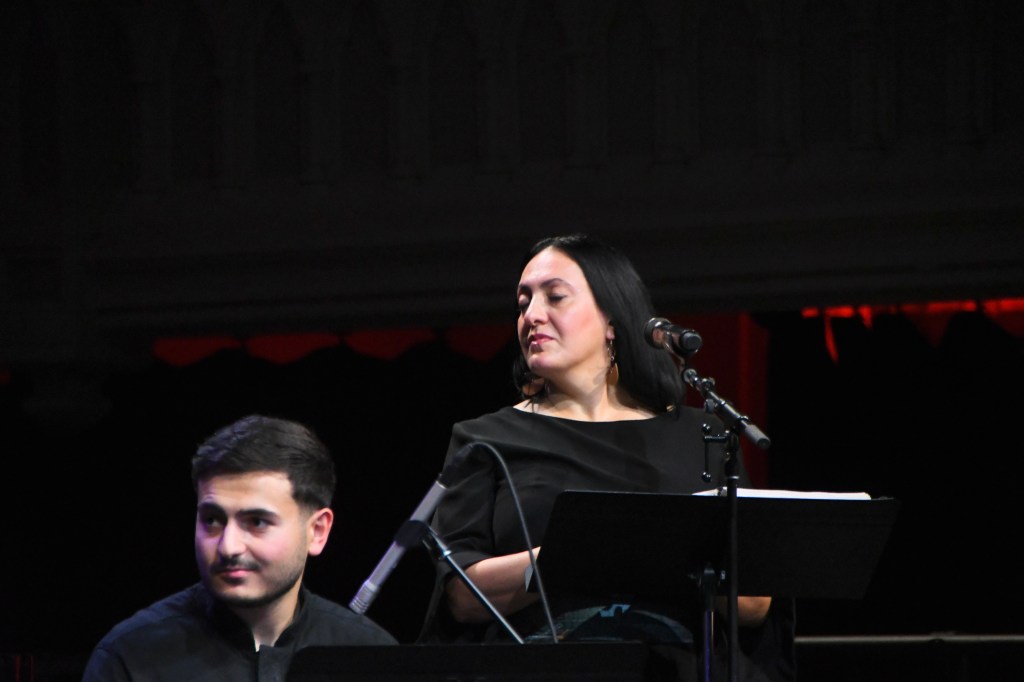
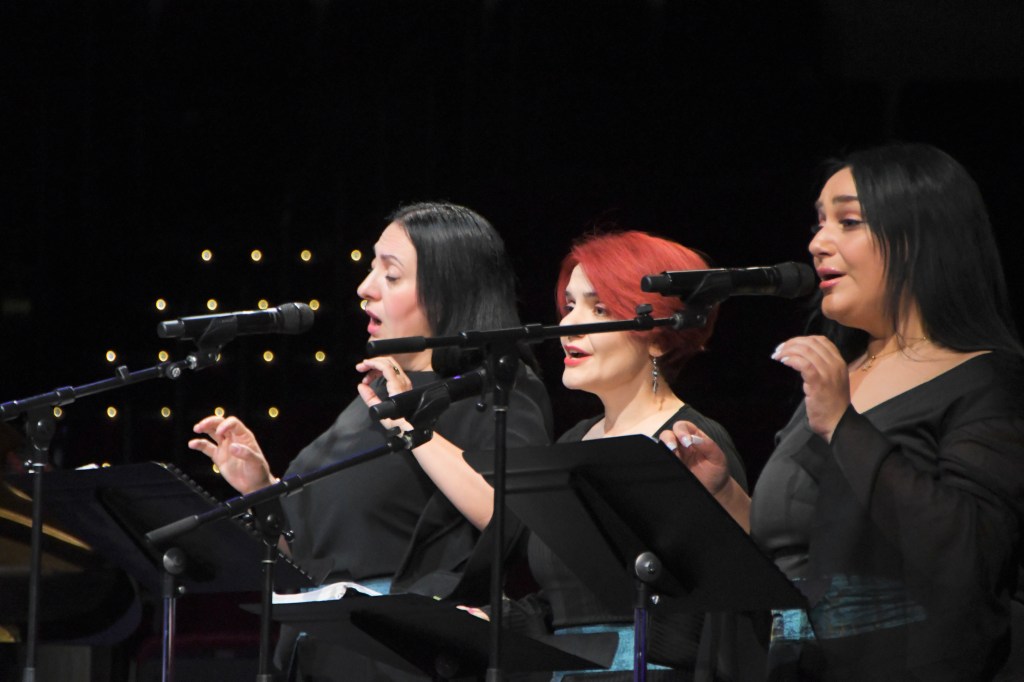
Late in their 105-minute concert, American born Naghash composer, leader and pianist John Hodian rightly described as grim the pained history poets Mkrtich Naghash and Kostandin Erznkatsi mourned. Their words lamenting human failings while praising God, sometimes ironically, supplied lyrics that the Ensemble’s three vocalists sang beautifully, both solo and in harmony, with graceful gestures.
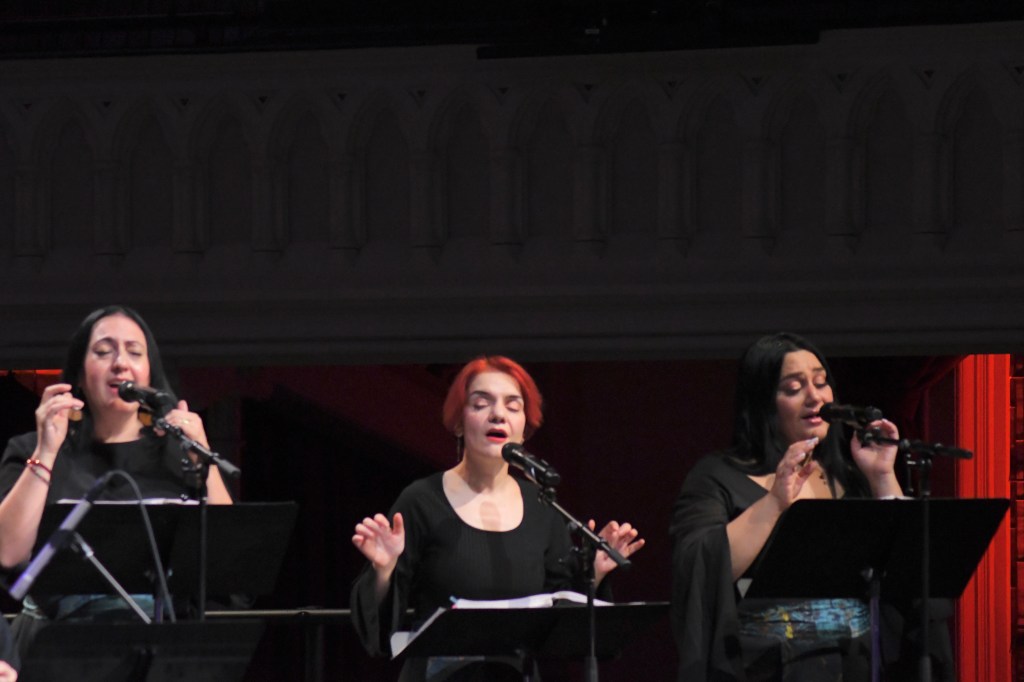
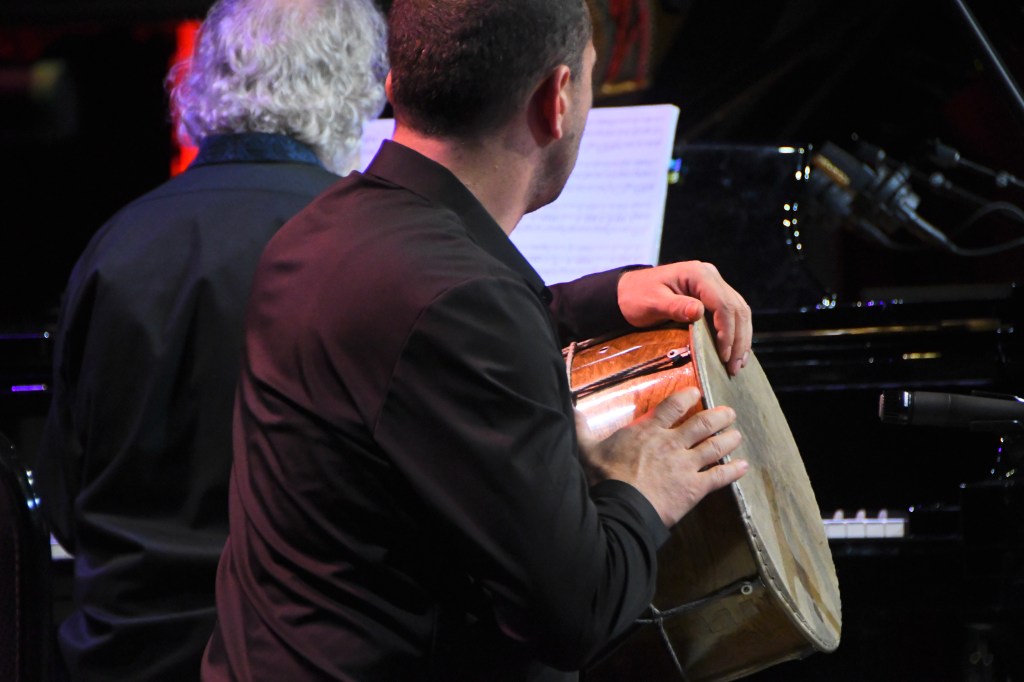
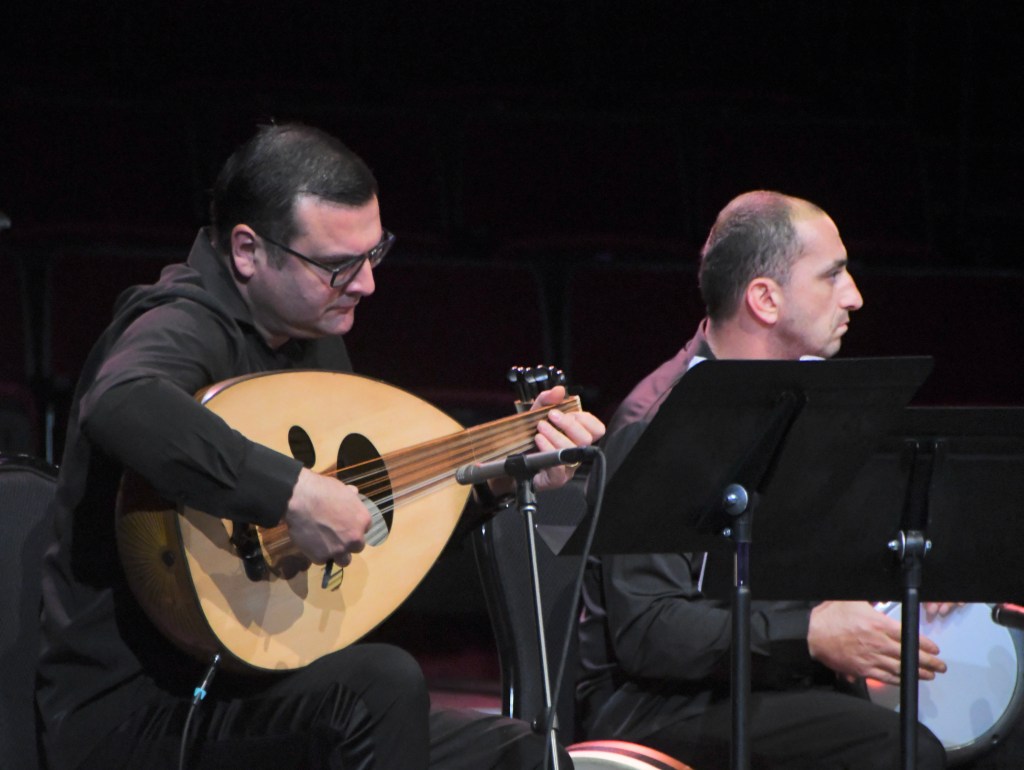
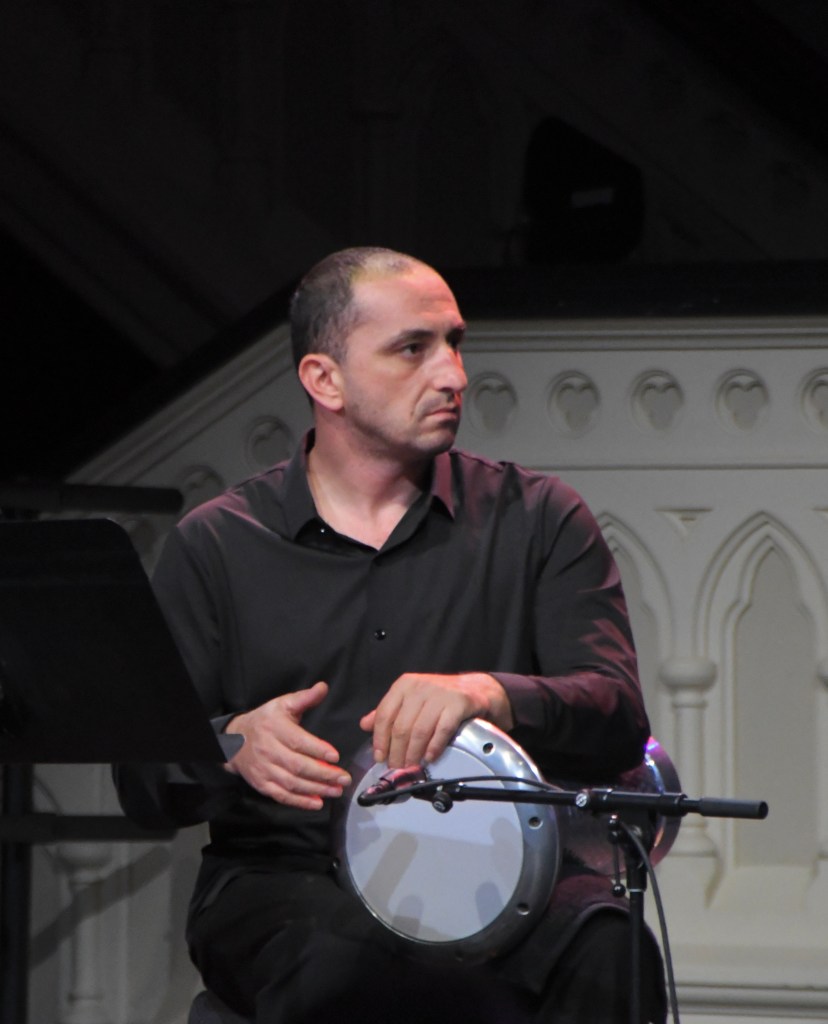
Above, from left: singers Hasmik Baghdasaryan, Tatevik Movsesyan and Shahane Zalyan. Below, Aram Nikoghosyan, left, and Andranik Gasparyan
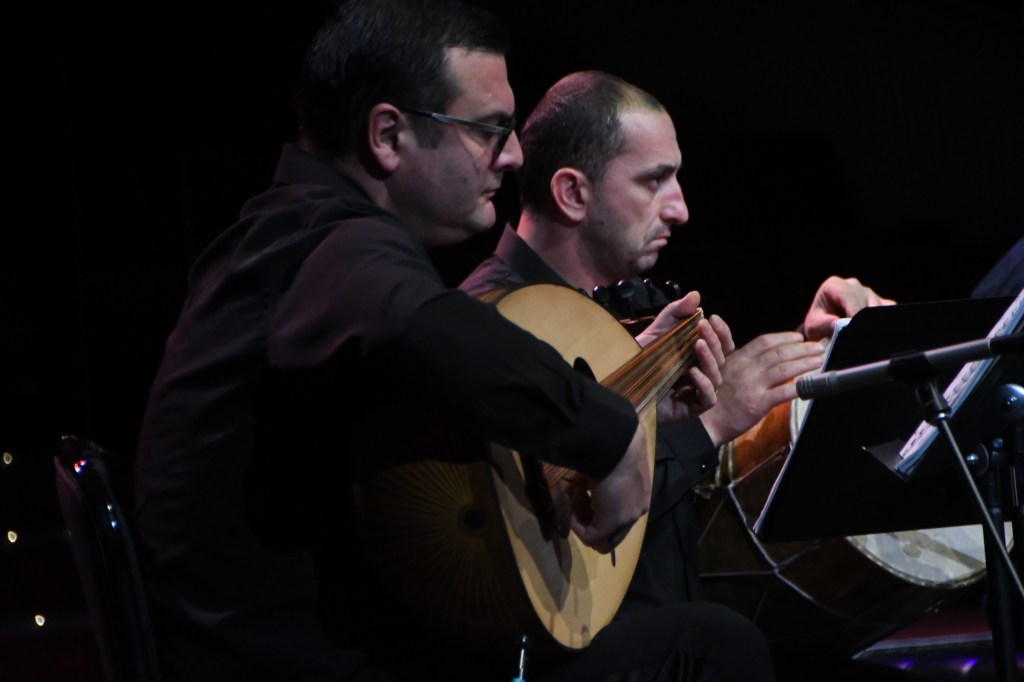
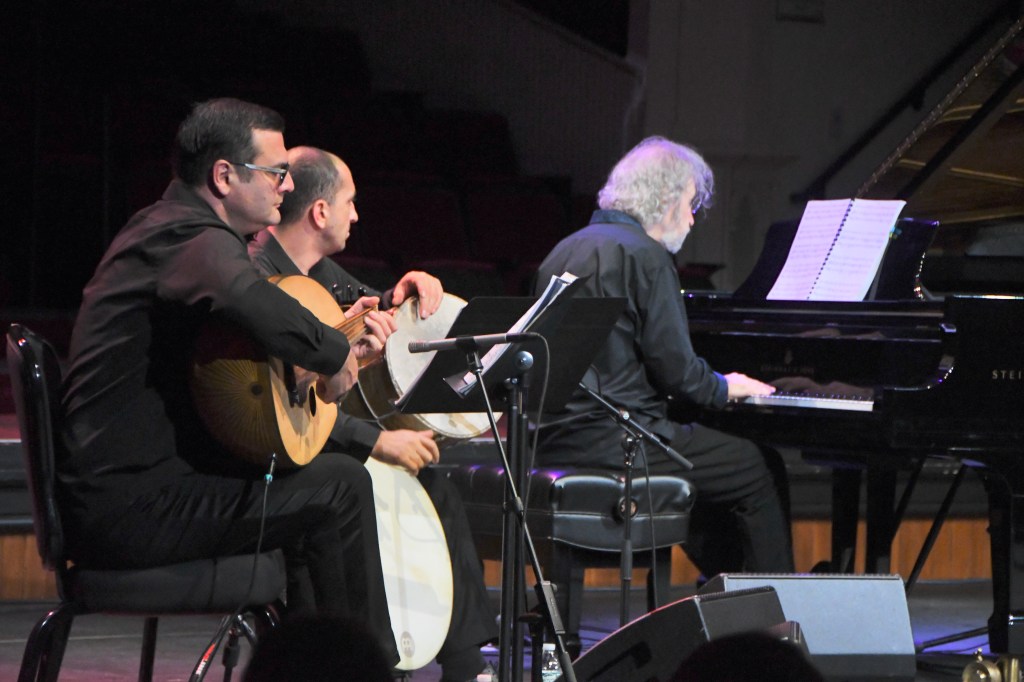
Ancient instruments gathered from across a map marred by almost constant conflict framed the vocals in Middle Eastern/southern European sounds. Hodian’s piano rang in classical or jazzy modes at the center of a rich soundscape where lacy single-note oud phrases rode hand-drum beats and woodwind sounds of resonant wood spanning high-flown melodies to cello-like drones.
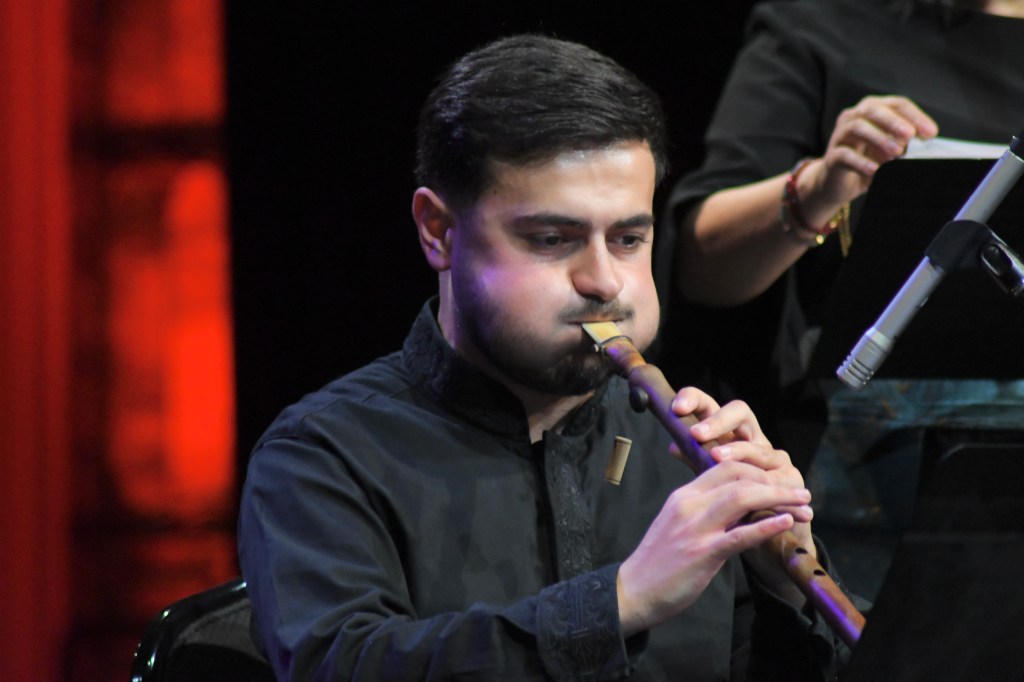
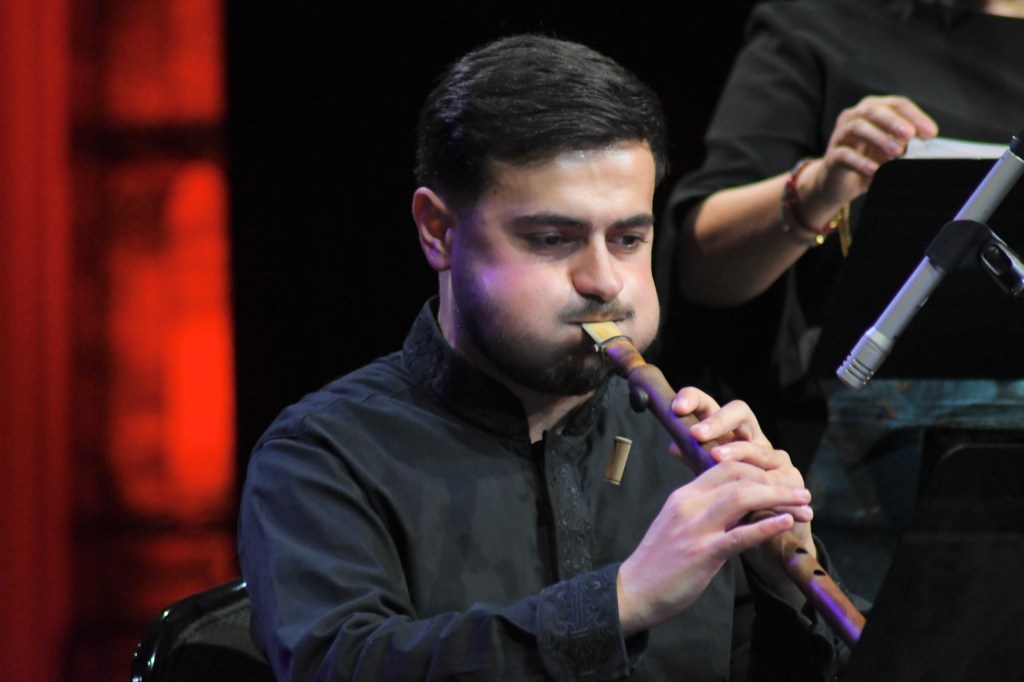
Tigran Hovhannisyan
The concert seemed an emotional transatlantic homecoming for the many Armenians in the audience that filled UPH’s downstairs – some sat with eyes closed – and a marvel of matched sentiment and sounds for everyone.
The singers introduced Thursday’s early pieces, mostly based in Naghash’s poetry, with excerpted phrases translated into English. This helped set up “Meditation on Greed and Poverty” from the Ensemble’s first of three “Songs of Exile” CDs to open. Quiet piano vanished into a hearty fanfare, then joined it, before voices and instruments rose and fell in waves.
Hodian’s extensive musical training here offered a wide stylistic palette, cozy or expansive in developing themes methodically through repeats and classical logic, or freely, feeling improvised. Some pieces had the serene gravity of hymns; others, livelier and more emphatic rhythms. At times things flowed in Intricate patterns, the vocals weaving in spry precision like the Swingle Singers’ jazz-ification of Bach, popping from unison passages into freelancing as playful as the Roches or dynamic as the Supremes. The players swung things tight as a chamber group; or loose as Thelonious Monk taking over a Conservatory.
Fond of wave forms and delighted in his band-mates’s skills, Hodian conducted group dynamics from the piano. Sometimes expansive gestures sailed high above the keyboard, or nods and glances spoke subtle and quiet.
Almost an hour in, Hodian shifted from Naghash poems-as-lyrics to those of Kostandin Erznkatsi, an earlier but no less grim Armenian bard. The first lyrics quoted in English read “The sea has no shore.” This grew from a meditative sadness to something more lively and modernist, the oud growing more prominent here as an underlying waltz beat slowed into a stop-and-go staccato format Hodian used often.
A second Erznkatsi piece started and stayed in a celestial peace before the Ensemble shifted back to Haghash lyrics with “Lamentations for Those Who Die in a Foreign Land.” As despairing as its words, this flowed stately, slow and sparse, low woodwind sound anchoring its melancholy in a drone under rhythmic voices.
Recounting how a concert presenter urged him to compose a Bach-style oratorio, Hodian introduced a two-part lamentation on the crucifixion and the apostles’ feeling of abandonment.
Yeah, grim.
Their closing “Morning Darkness” – another Erznkatsi-based piece from the Ensemble’s “The Work of Darkness” album – showed a wide range of woodwind sounds from the treble echo-ey feel of the ancient duduk to more modern recorder-like tones and the long-note cello-like resonance of a low pipe. Also hand-drummer Andranik Gasparyan doubled here, bringing low tones from a large drum at his knees as well as duduk beats in a busy cascade.
As Hodian told the publication Armenian Prelacy of the work of Naghash and Kostandin that he’s resurrected for his Ensemble, after a 2023 concert in Zankel Hall of Carnegie Hall, “These poems spoke of war, plague and pestilence, so relevant because they are all happening in today’s world.”
The often modernist or even jazzy pieces he created to carry sentiments he acknowledged are grim somehow left a soothing feel, carrying listeners from complex places to somewhere simple and compelling in how those sounds reach the heart.
A suggestion: The impact of this music might have been heightened by printed programs sharing the lyrics in English.
The Naghash Ensemble of Armenia is Hasmik Baghdasaryan and Tatevik Movsesyan, sopranos; Shahane Zalyan, alto; Andranik Gasparyan, duduk and other hand drums; Aram Nikoghosyan, oud; Tigran Hovhannisyan, dhol and other wooden pipes; and John Hodian, piano and compositions. All but Hodian are from the Armenian capital Yerevan; he’s from Philadelphia.
Hodian explalned how hearing Baghdasarian’s soprano singing Armenian spiritual music in the resonant Temple of Garni on his first visit to Armenia inspired him to make something new of this ancient music.
New but timeless, he uses ancient sounds to create an immediate feeling.
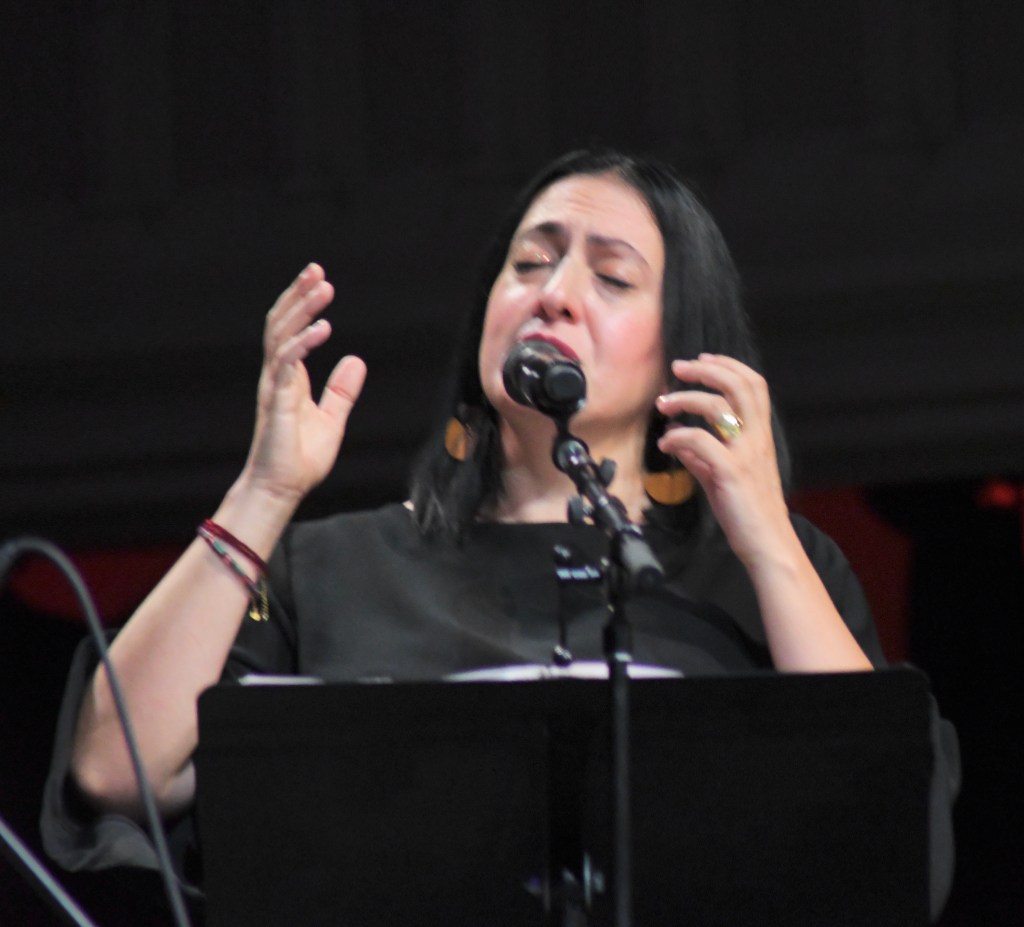
Hasmik Baghdasaryan
The Naghash Ensemble of Armenia performed Thursday as one of six in the Proctors Collaborative Passport series presented with Music Haven.
The season continues with Gili Yalo at Proctors GE Theatre, then:
March 6: La Banda Morsica at UPH
Apr. 16: Yacouba Sissoko and Siya at Proctors GE Theatre
May 14: Kiran Ahluwalia
Gallery
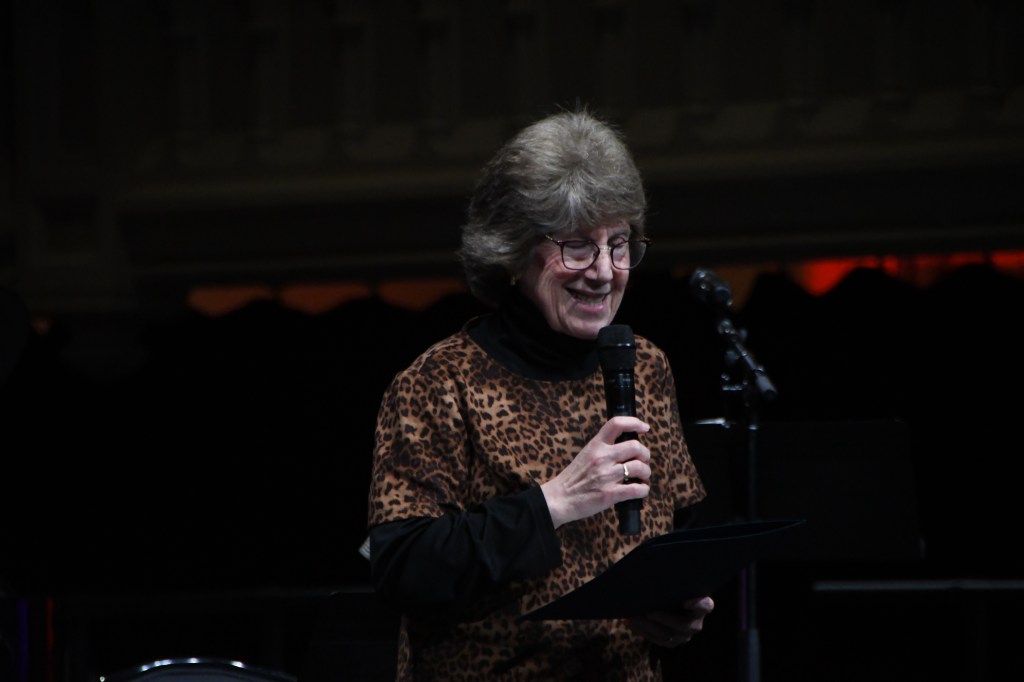
Mona Golub introduces the Naghash Ensemble of Armenia