

Part 2 of 3
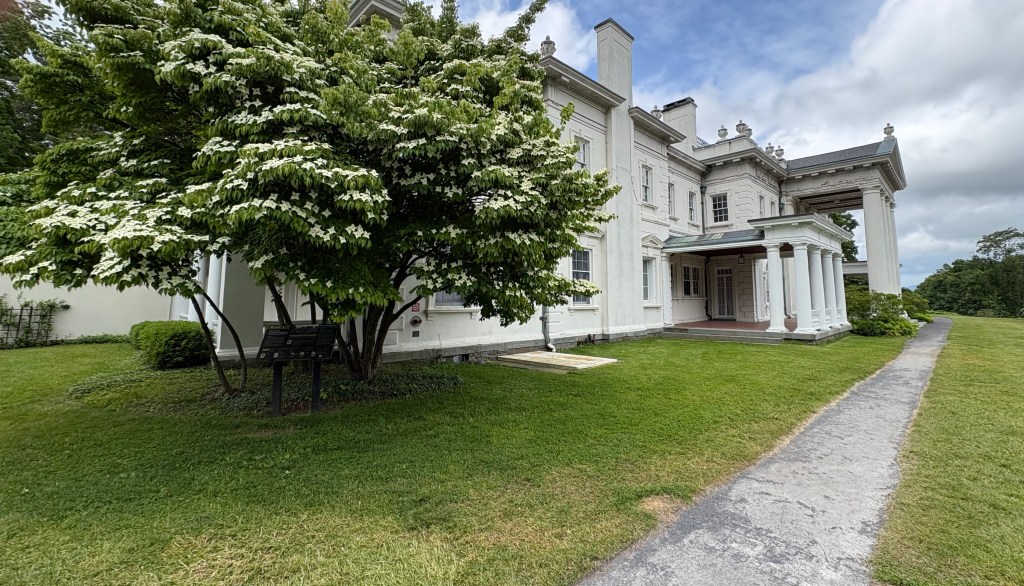
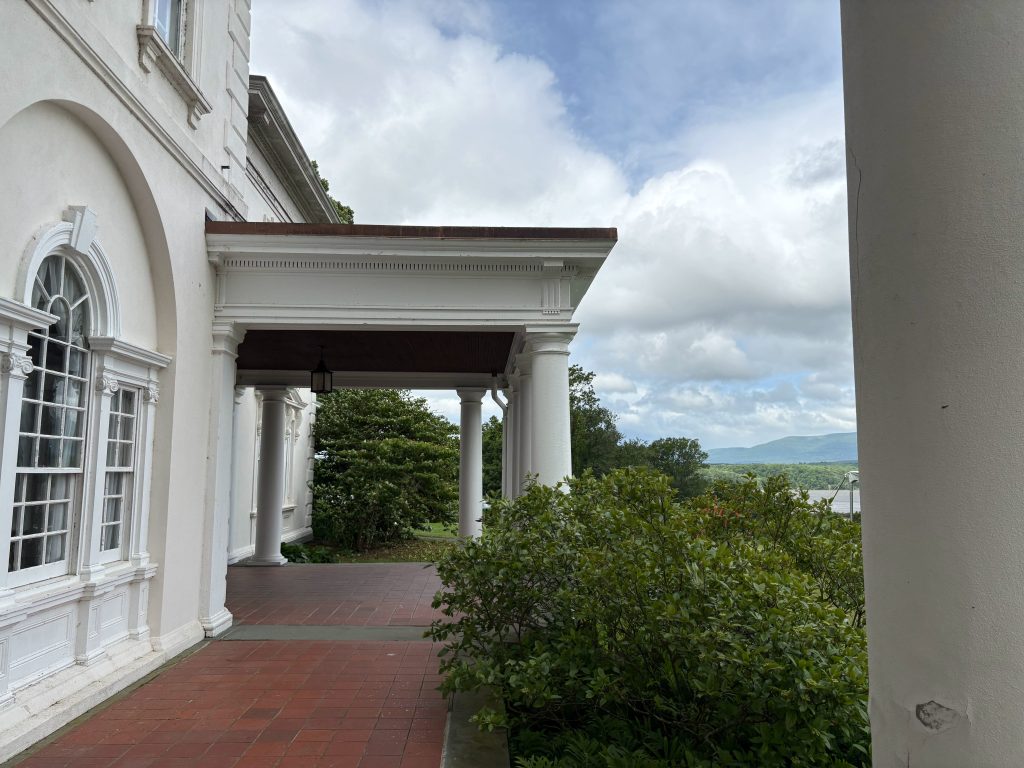
Thin rain flew sideways on wind so strong it earned warnings on the Kingston Rhinebeck Bridge over the whitecap-etched Hudson far below. On a rainy Saturday morning sentimental journey to the Bard campus, where my son, daughter and son’s wife all graduated, there was not a soul in sight. The art gallery was closed, everything seemed closed; but memories of happy dinner-time visits with my young ones, just an hour south of my Albany ad-and-pr agency office, echoed sweet. I remembered an Easter picnic at Blithewood, the mansion Bard had absorbed on a high bluff over the river.
The rain blew out of town as I recrossed the Hudson toward Woodstock.
The tie-dyed, pot-smoked town looks backward so strongly it’s become an easy target as a ‘60s cultural anachronism. But as skies brightened over my quest for parking, it felt cozy, charming.
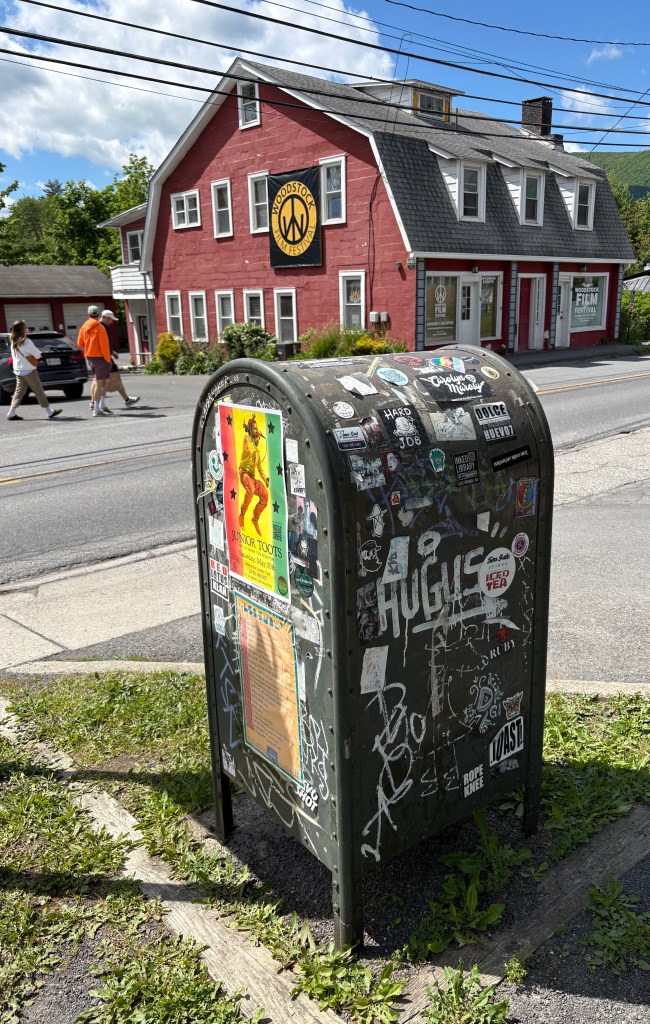
Looking closer, it also seemed clamorous: many cars and people, and too many dogs, like the large, ill-managed and aggressive one that routed a woman from her bench by jumping on her repeatedly.
She’d asked permission to occupy her spot from a throng gathered behind it to watch a band playing on the patio in front of a Haight- or East Village 60s-style boutique. The building bore a sign claiming Dylan hung out there when it was Cafe Espresso. The band had the vintage-jam sound in its pocket, stretching out on the Velvets’ “Sweet Jane” as I had walked from the Woodstock Artists Association and Museum art gallery through a bookstore visit. I found an empty folding chair just off the sidewalk by the boutique and watched the band ease confidently into Traffic’s “Feelin’ Alright” then segue into the Dead’s “I Know You Rider” over a relaxed half hour. Later came “Come Together,” “Turn On Your Lovelight,” complete with Pigpen-style rap, and “Sitting In Limbo” with all its Caribbean flavor bleached out, but rocking OK. “You’d almost think we’d rehearsed,” claimed the lead singer.
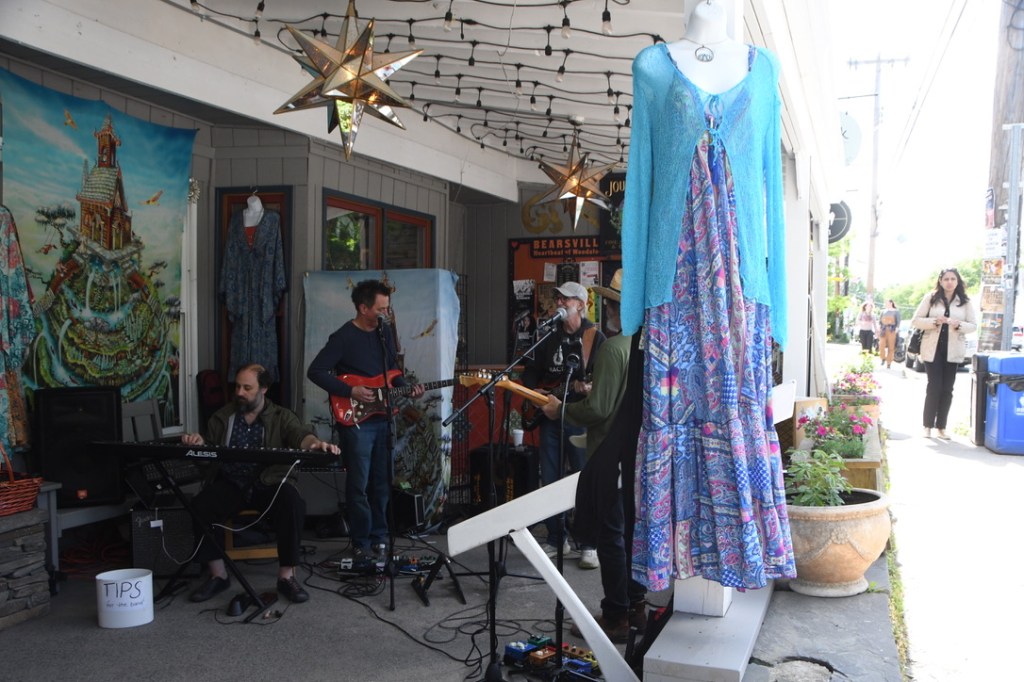
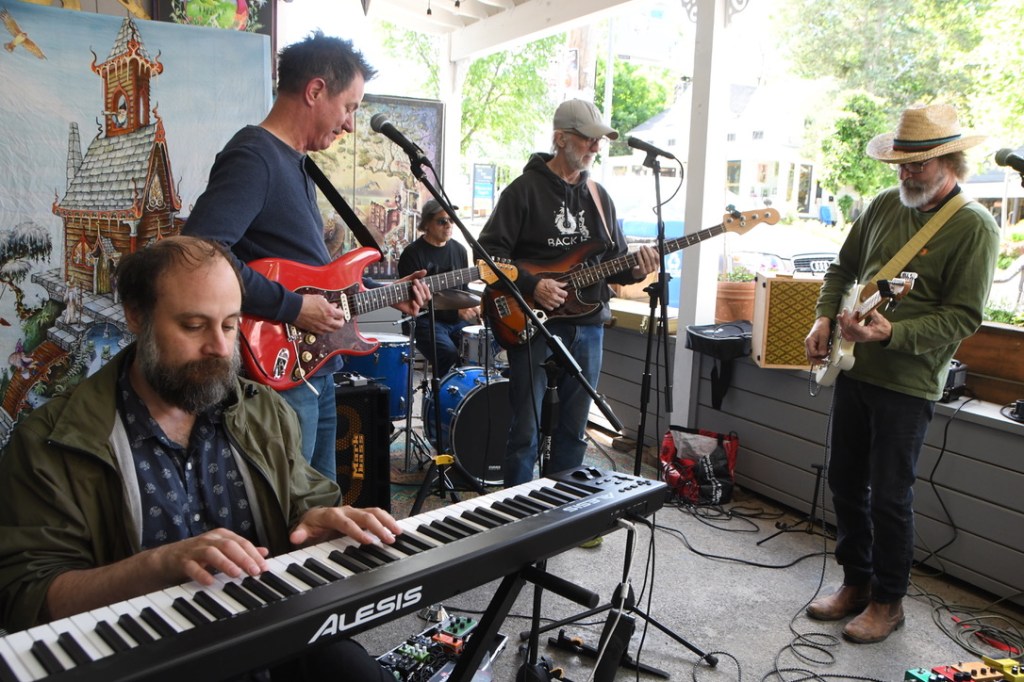
A woman offered her pre-rolled to the drummer. A pro, he toked without losing the groove. Later, the lead singer pulled a bourbon pint from his guitar case and passed it among the band. Google “Old Woodstock hippie” and you’d find the guy in white beard and big hair who approached the band and reached for the bottle. The singer hesitated a bit before laughing and handing it over for a hefty snort.
As they shifted to 80s gloom and started the Cure’s “Pictures of You,” I scanned the folks whose look and affect seemed Woodstock-perfect but might not work as well elsewhere. They looked and acted like stars; maybe some were, some I thought I’d seen onstage somewhere, with somebody. Was that guy in lots of turquoise Steve Stevens from Billy Idol’s band? Was that wide-shouldered, big-jawed guy behind me Donald Fagen?
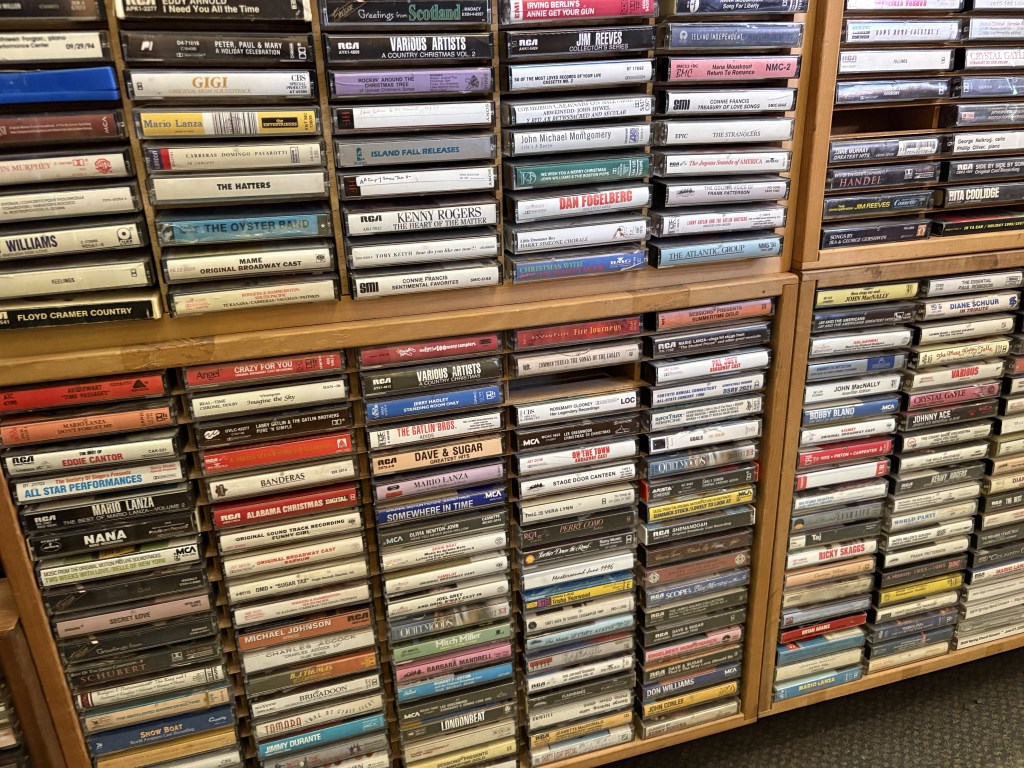
Heading back to the middle of town, I stopped to buy the novel I’d knocked off the shelf earlier in the Golden Notebook, managed not to buy any record-label cassettes ($6, about what they cost new) in Woodstock Music Shop with its stacked amps, guitars hung on racks overhead and knee-to-ceiling shelves offering albums in crammed bins. Step-stools gave views of the highest strata. I sat in a park nearby reading, watching the scene change in the lowering sun as the sound turned up.
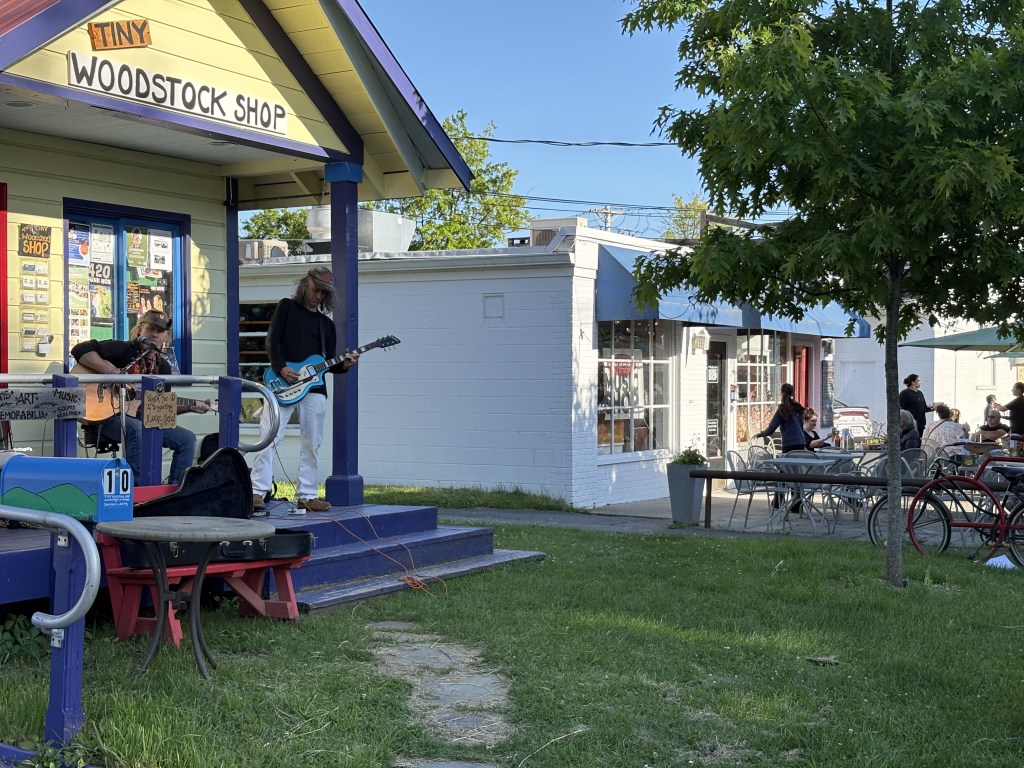
The municipal parking lot behind me – $10 all day, free after dinner – filled up with more vehicles than earlier. A lean gent in cowboy glitz with braided beard set up amp and mic on a small shop’s even smaller porch. His accompanist tuned his guitar, then unplugged and walked, still wearing the guitar, to grab something from his car. A woman who’d brought her djembe to the porch decided not to play after all, packed it up and left as another woman walked past, music stand in one hand, guitar case in the other and a ukulele in her backpack, headed for a gig somewhere.
The glitzed cowboy started to sing in a Tom Waits growl as a full band down the street started to rock “Statesboro Blues.” The place felt happily alive, but it was time to head back to Levon’s.
Woodstock remains a town made by music and other arts; but on the weekend of The Festival (mid-August, 1969), NRBQ played the Aerodrome in Schenectady. My brother Jim skipped Woodstock to see NRBQ instead, and they changed his life. In bands himself since fourth grade and later a frequent guest saxophonist with them, he felt amazed, charmed, by the possibility their freedom and fluency in any style of music showed him.
And that’s what they still do.
Like Friday and Saturday, in Woodstock.
 Hoke's Jukebox