A lot happened: two shows, 53 songs (a few repeated from night to night), a guest star.
And I’ll tell and show you tomorrow. Promise.
For now, it looked like this.
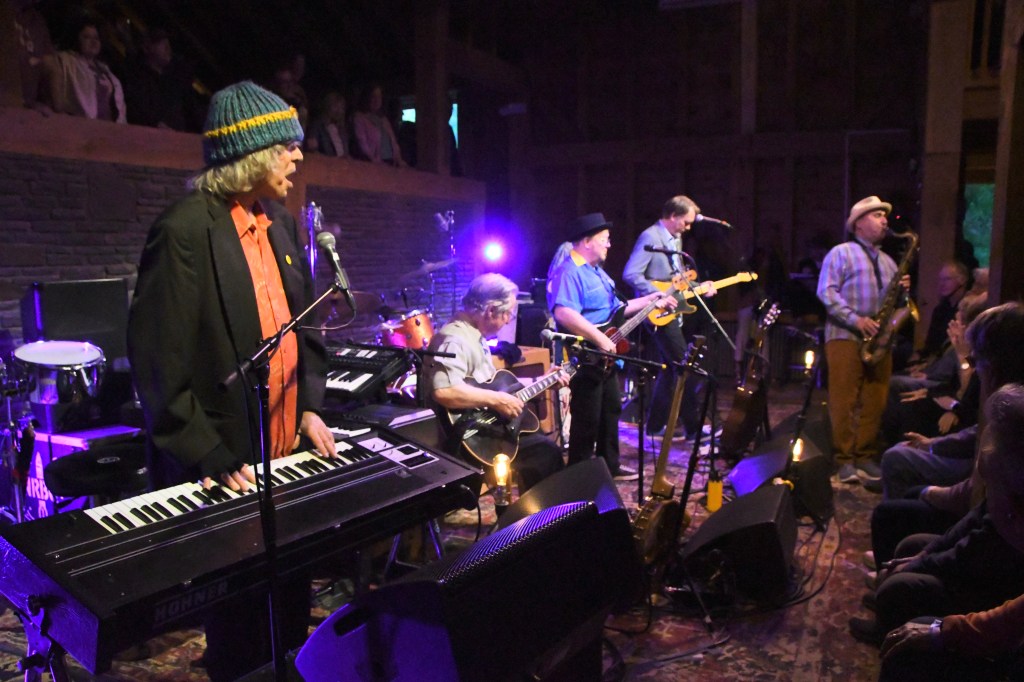
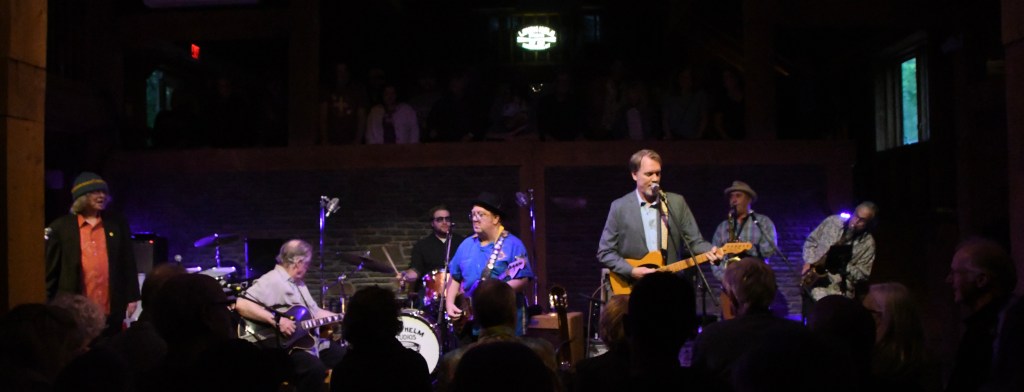
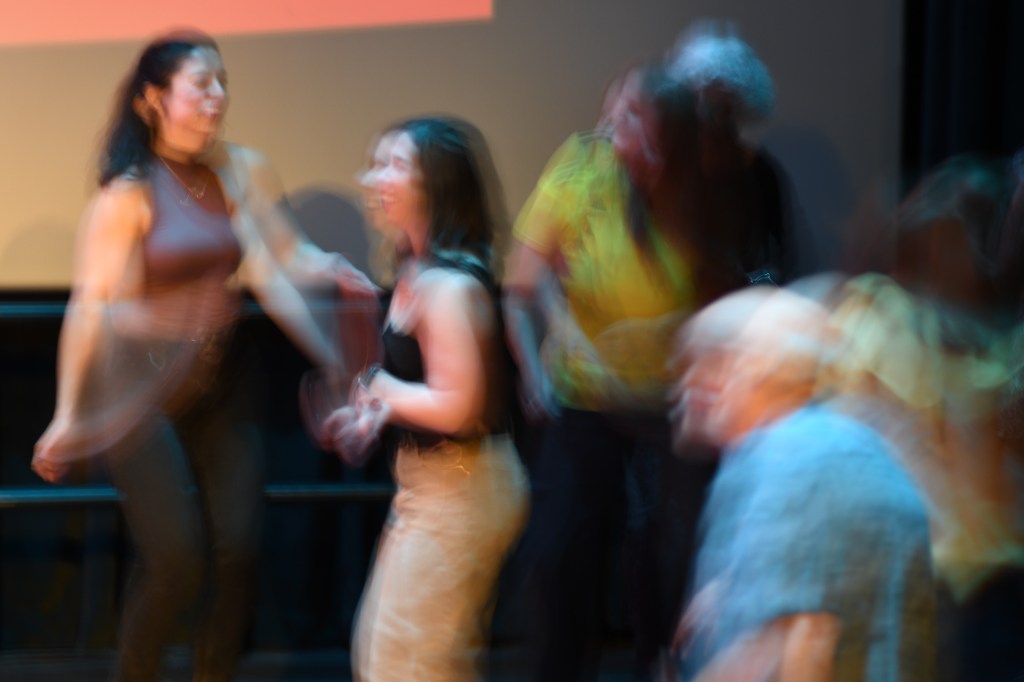
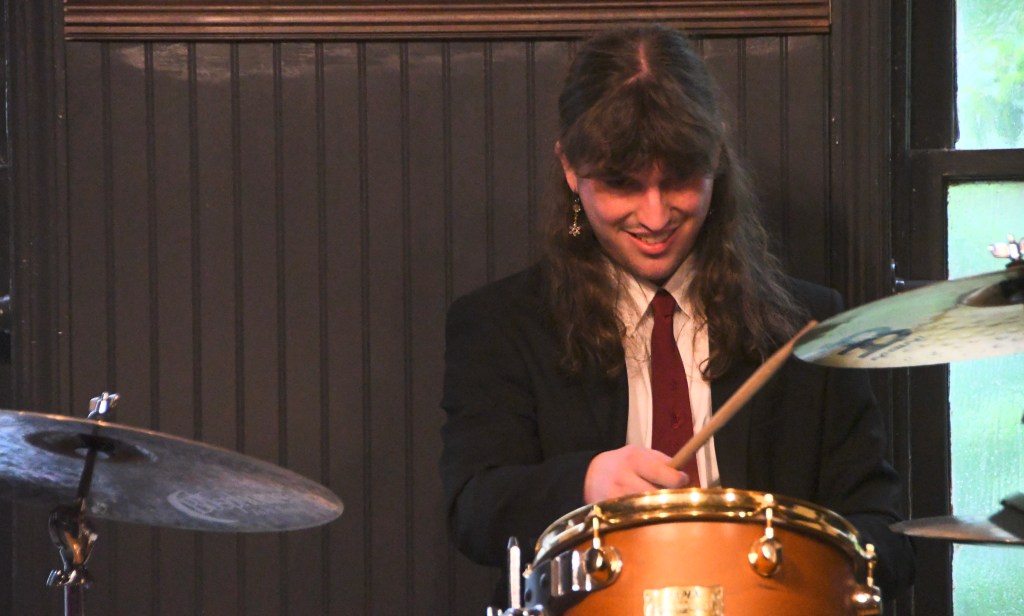
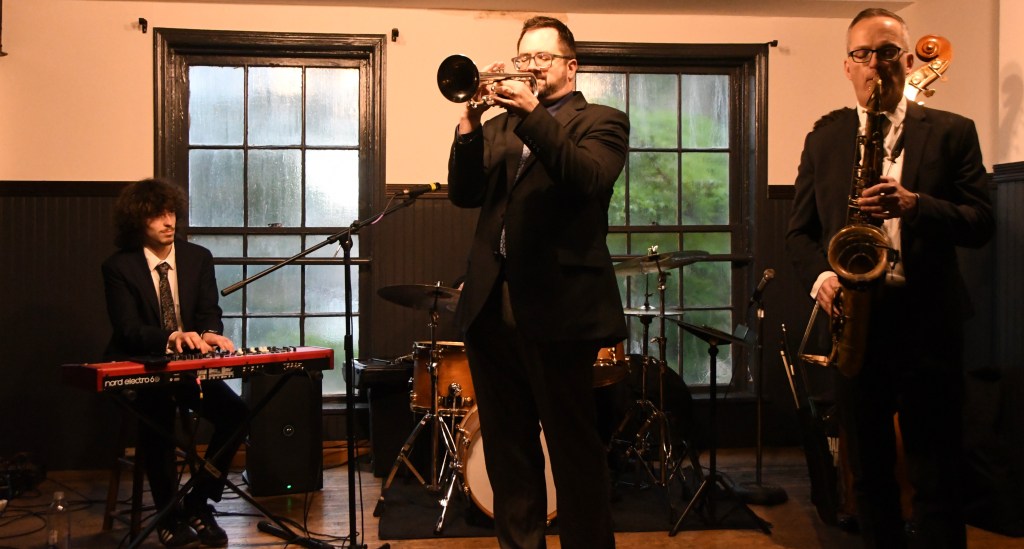
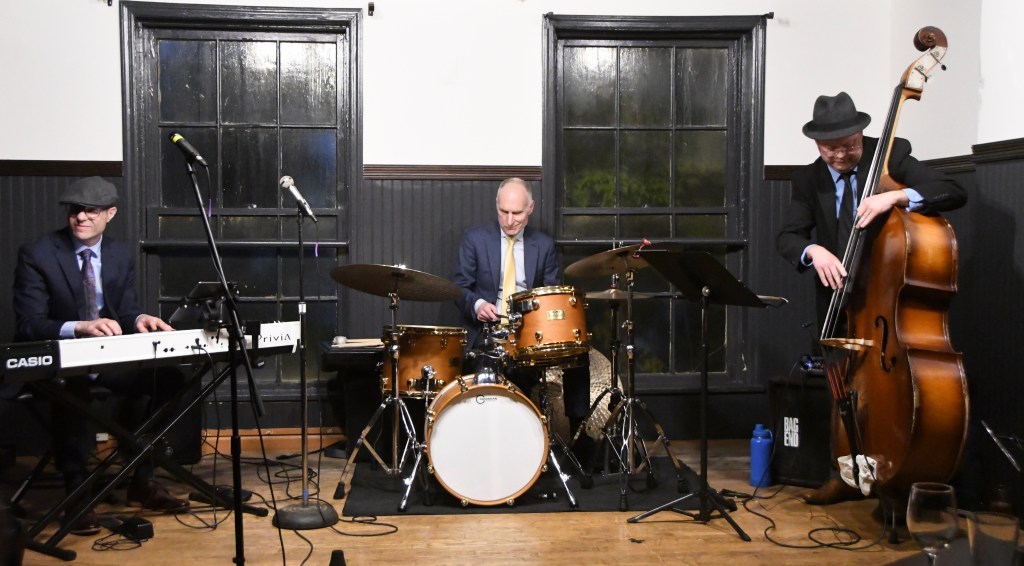
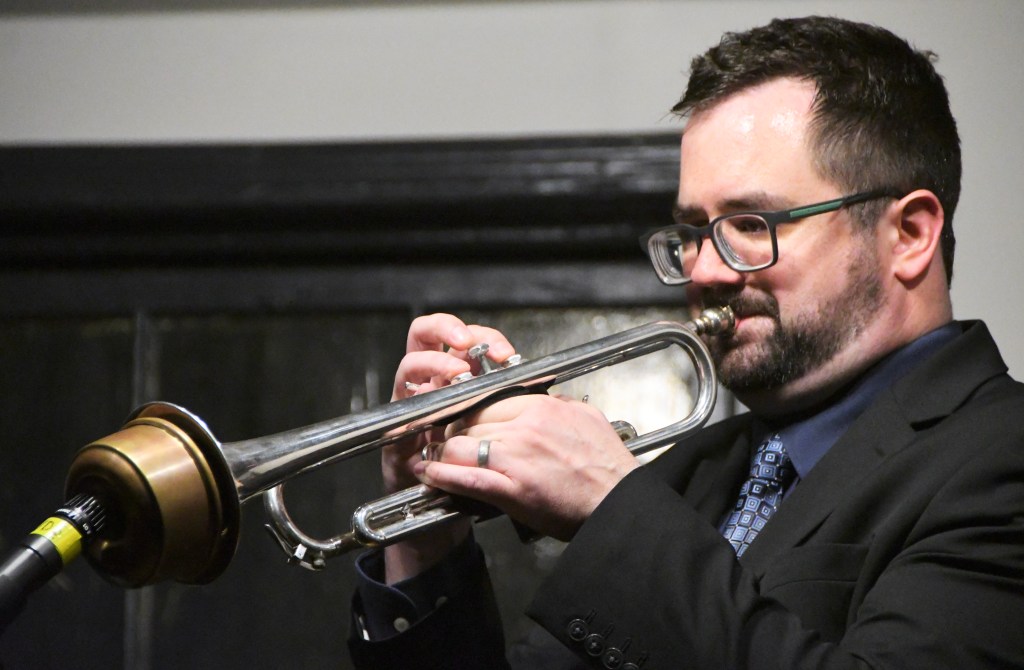
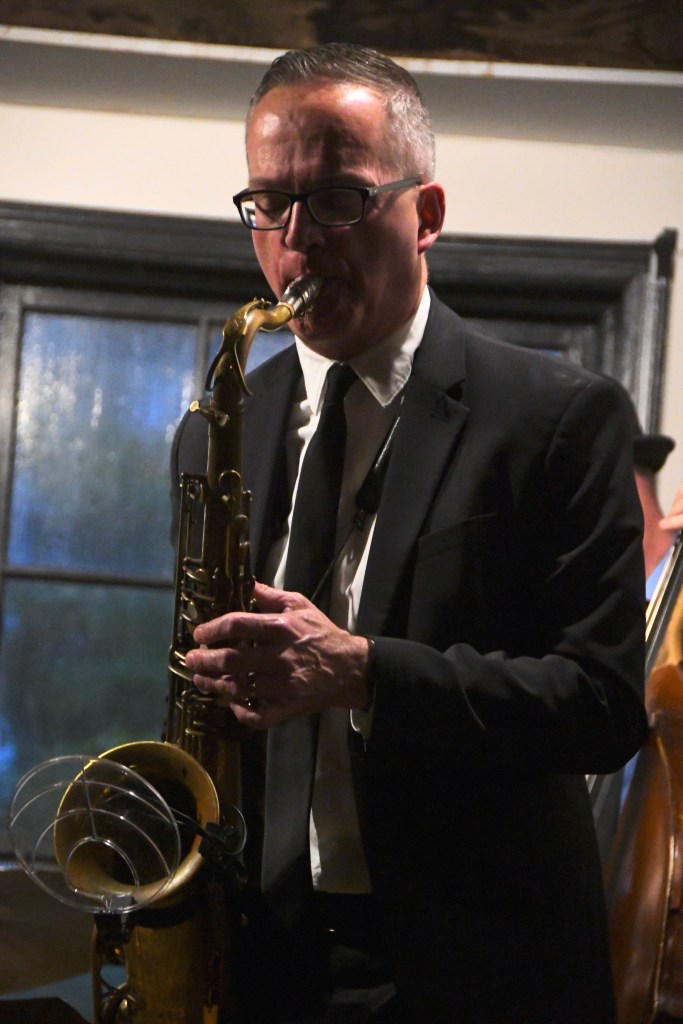
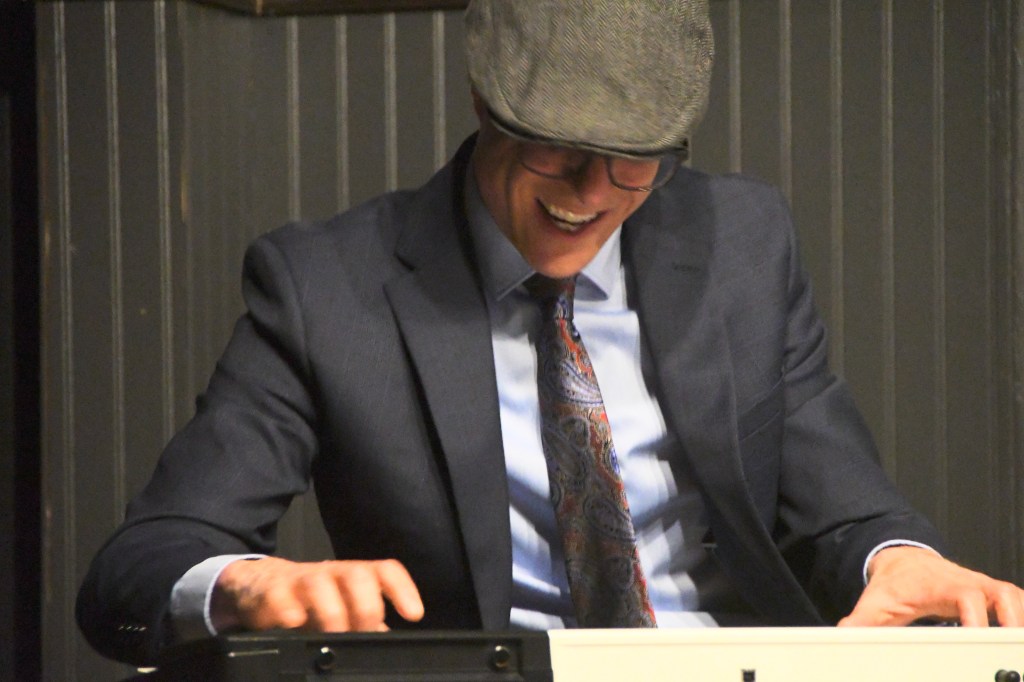
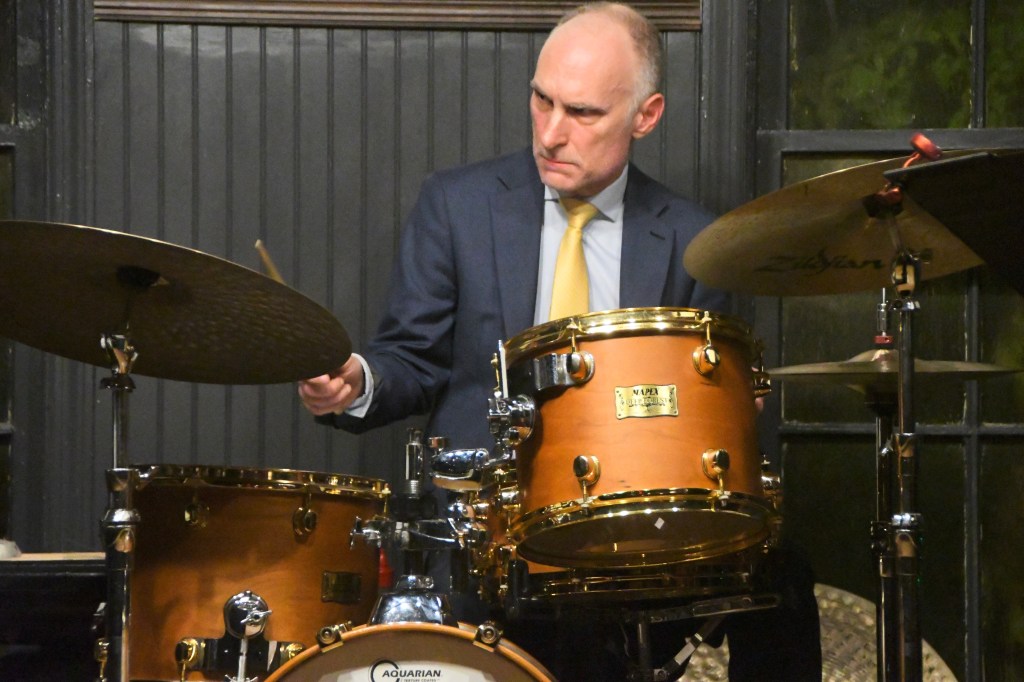
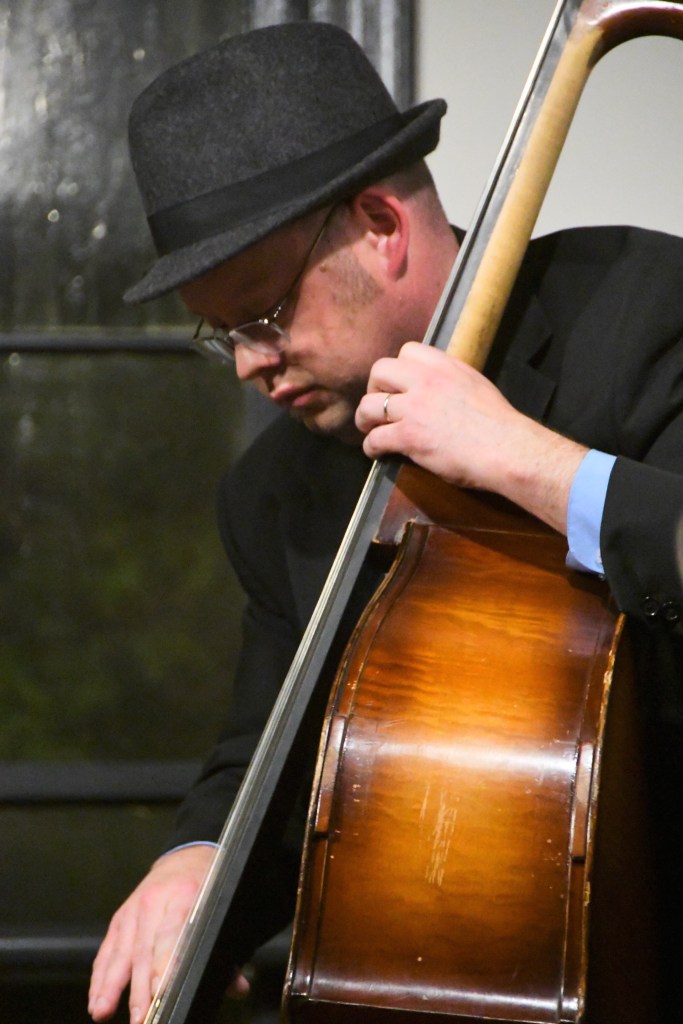
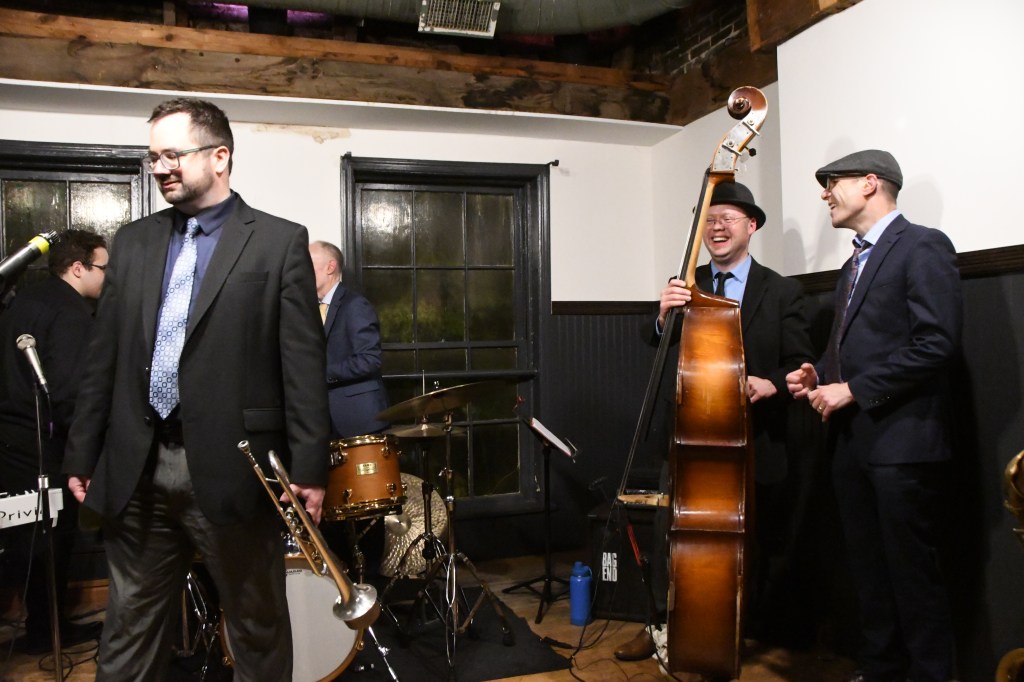
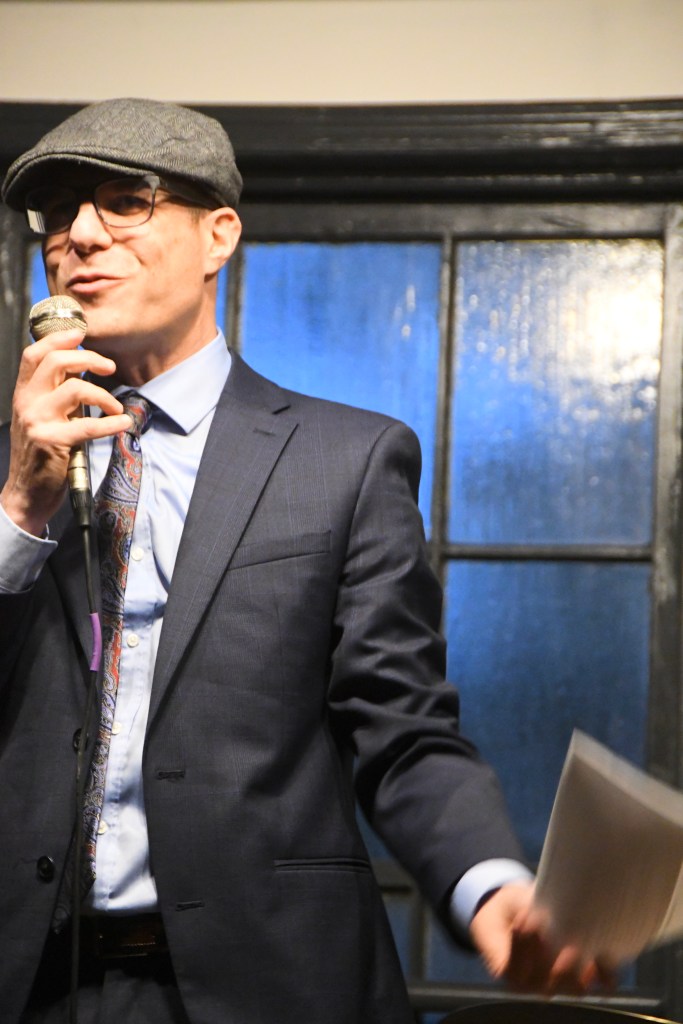
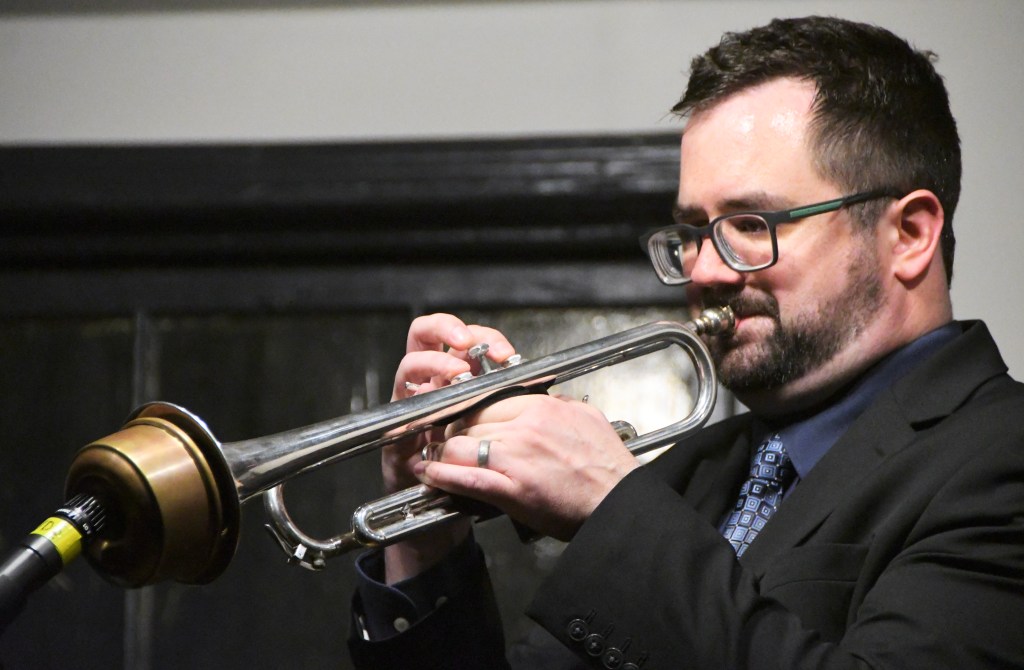
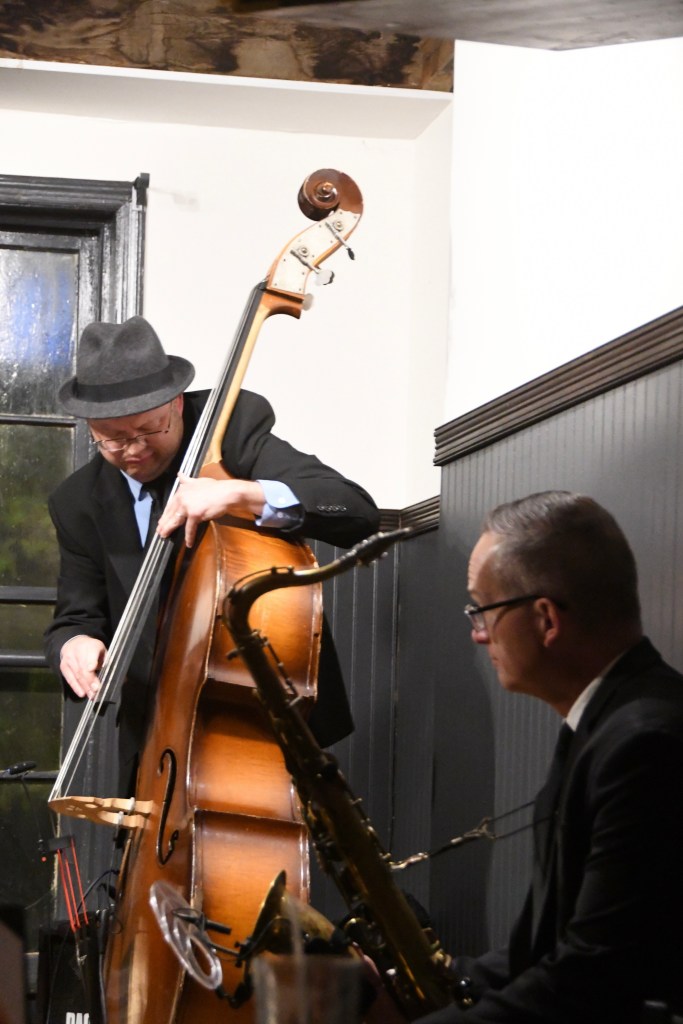
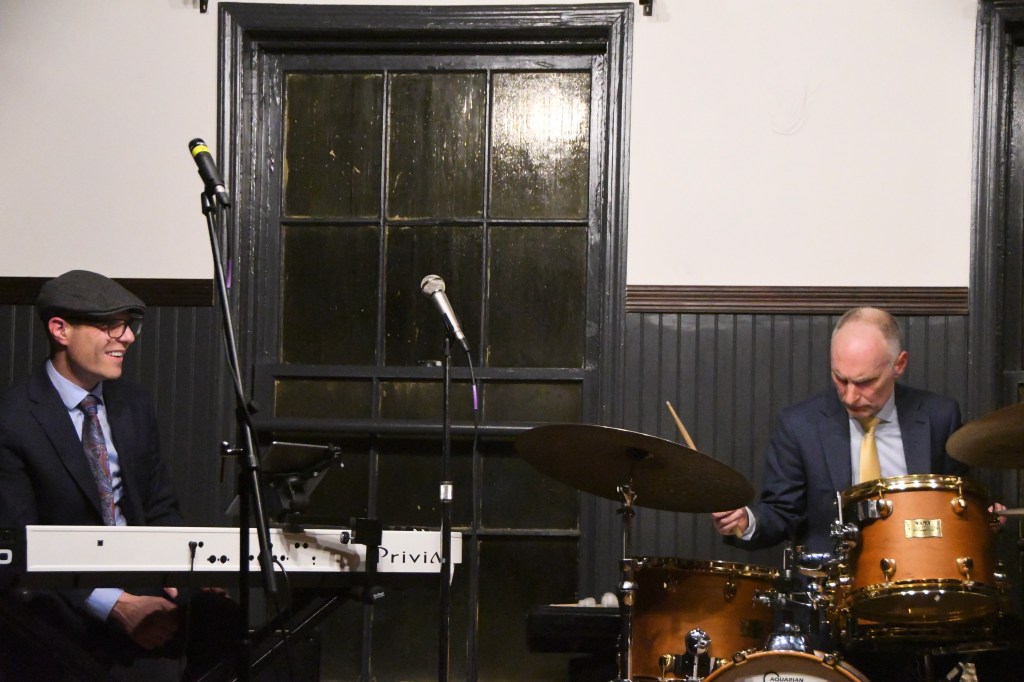
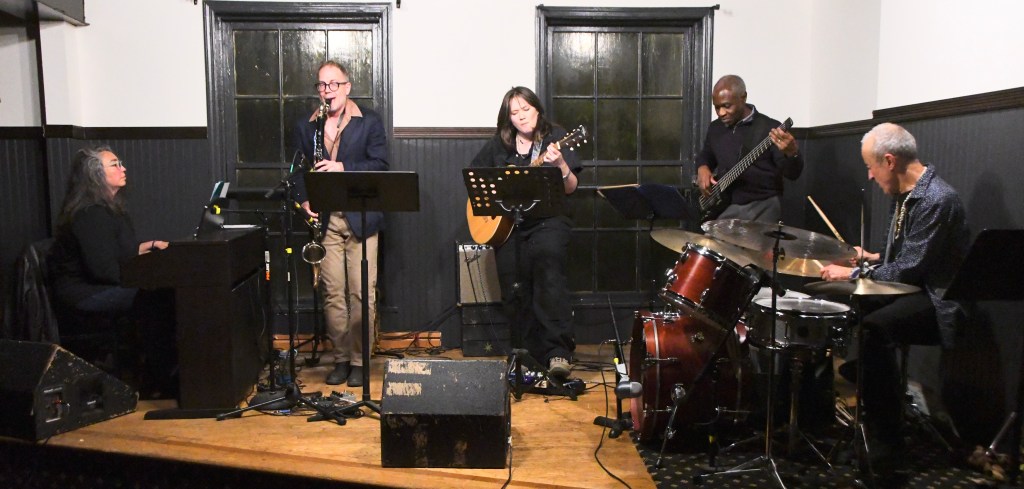
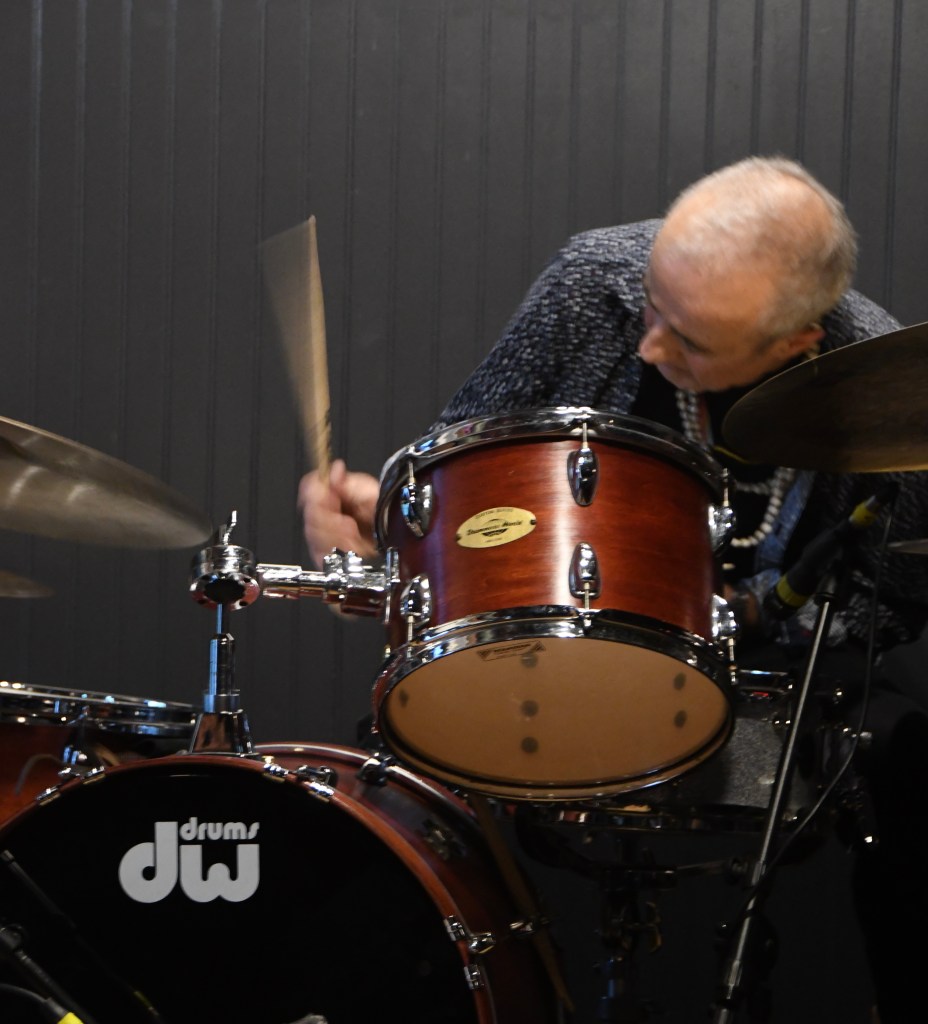
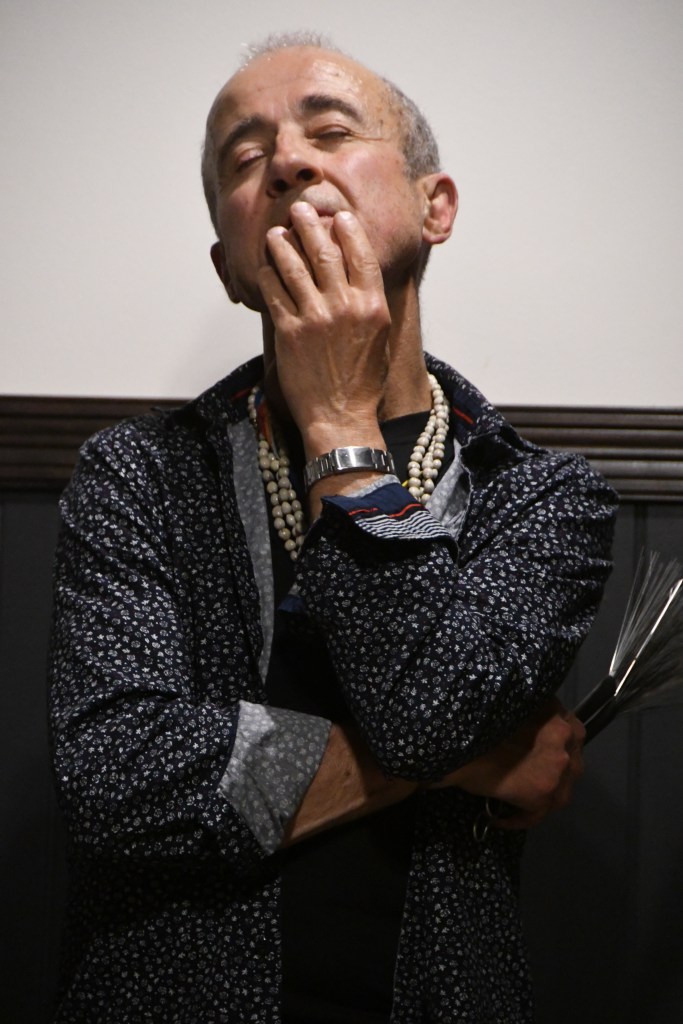
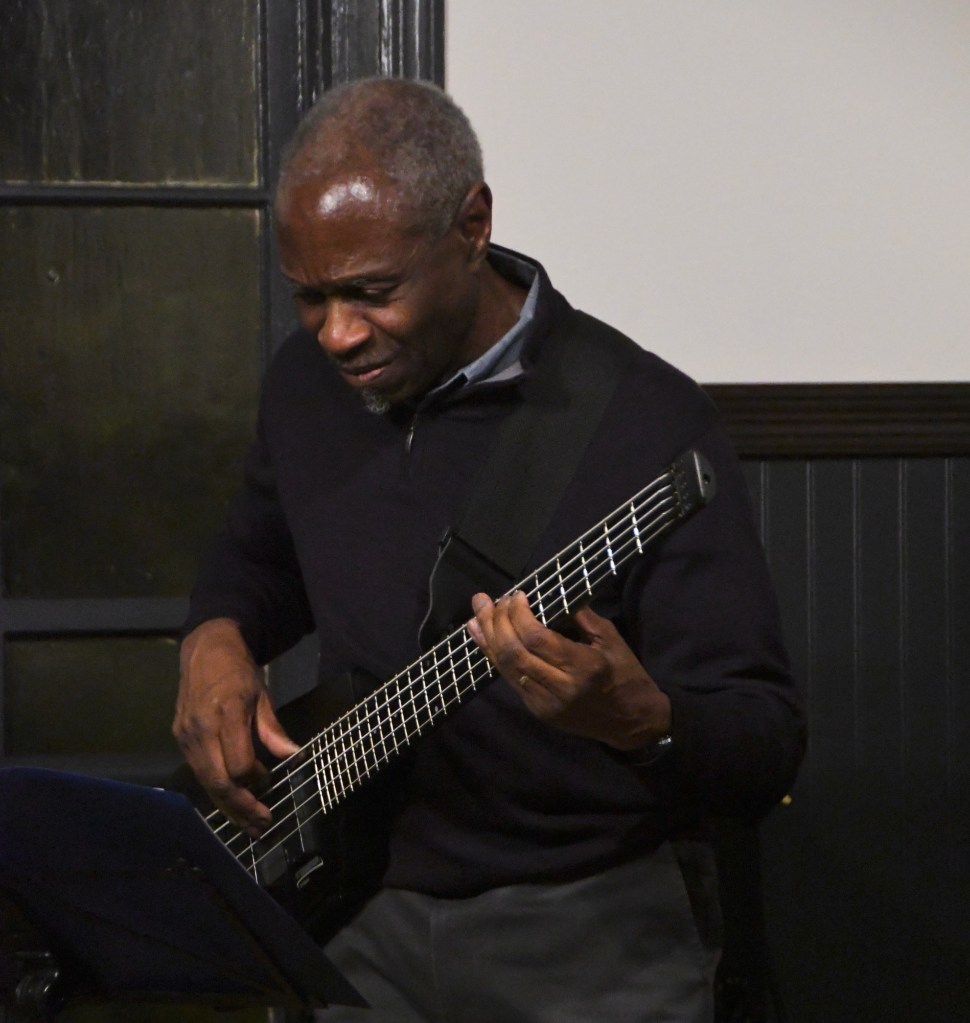
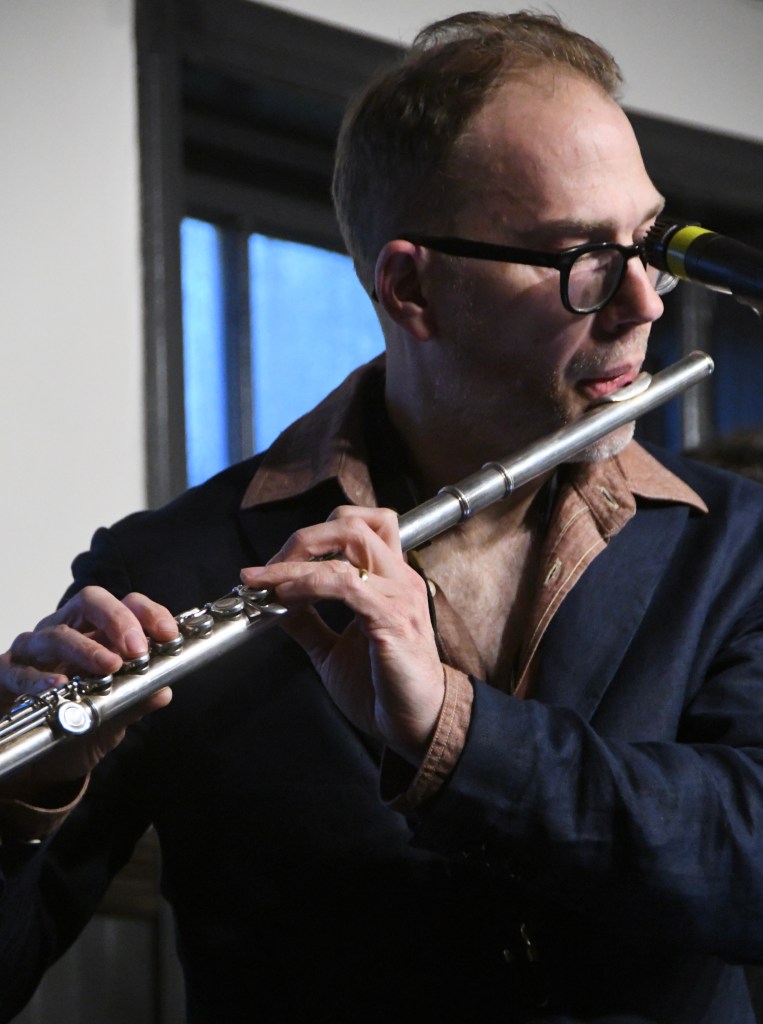
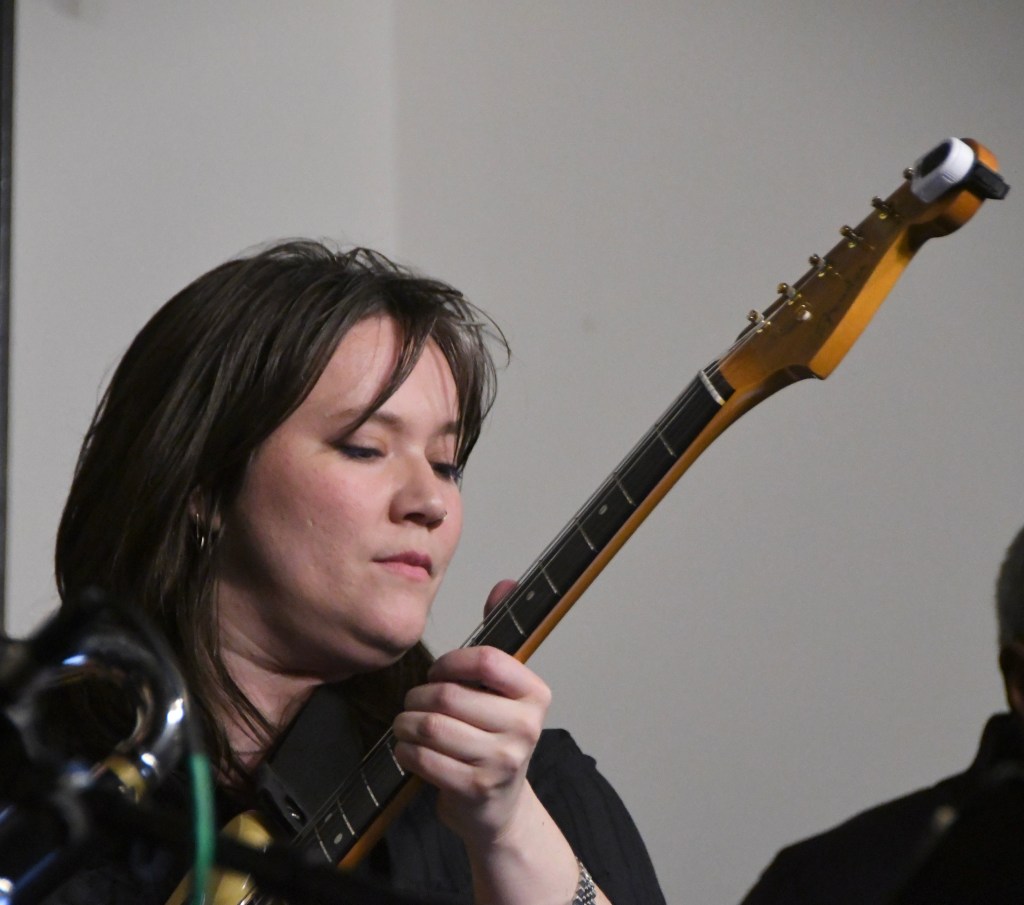
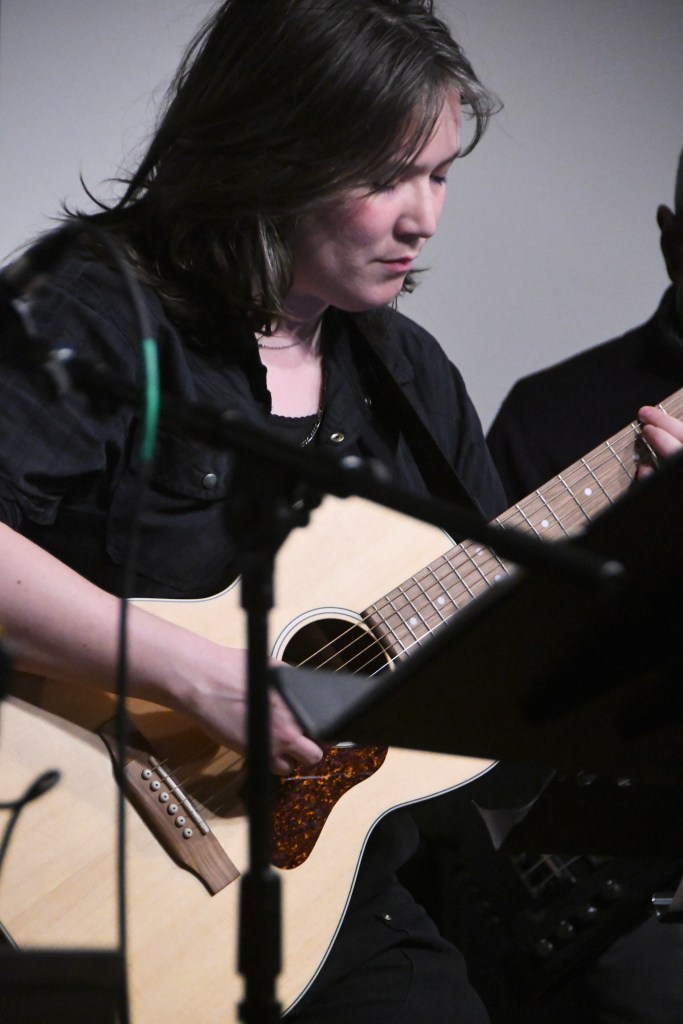
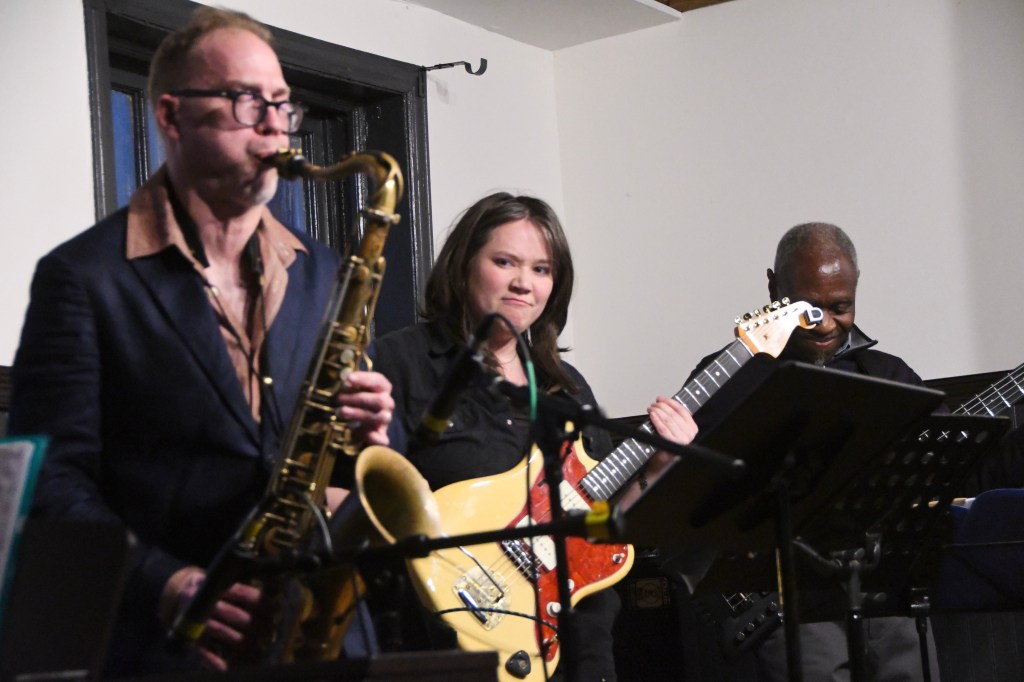
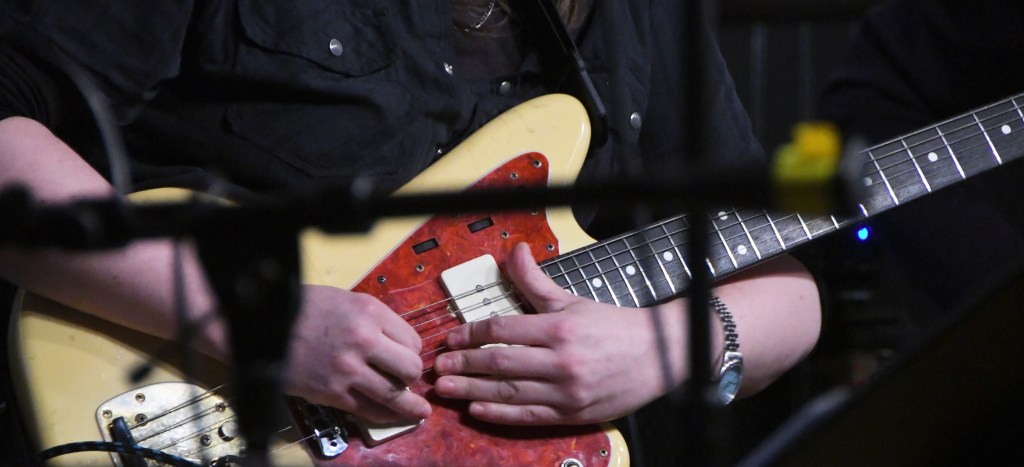
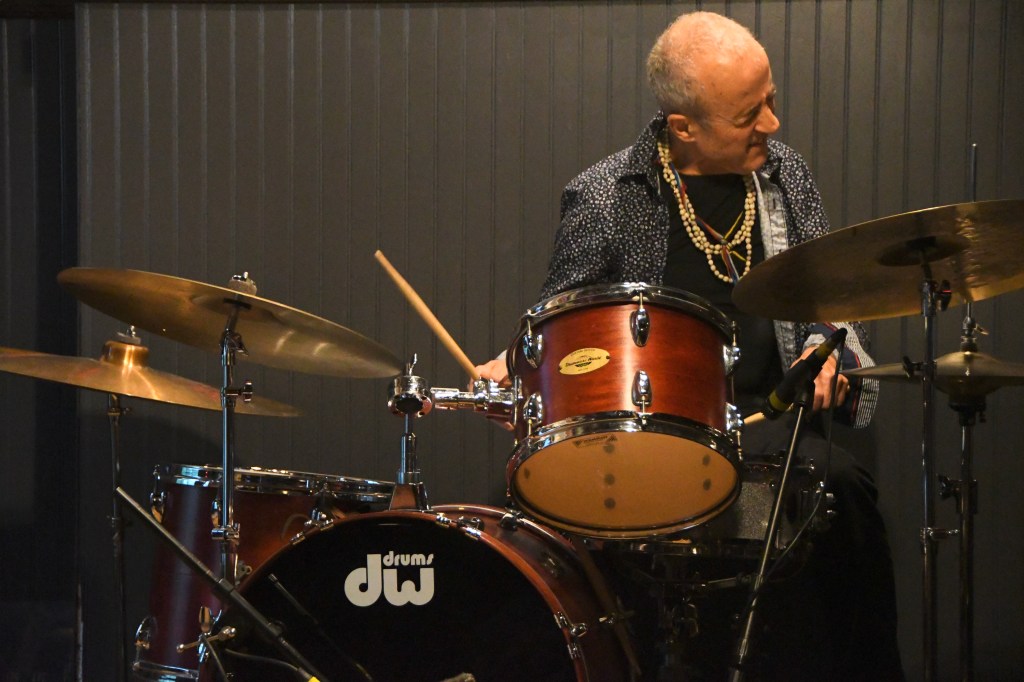
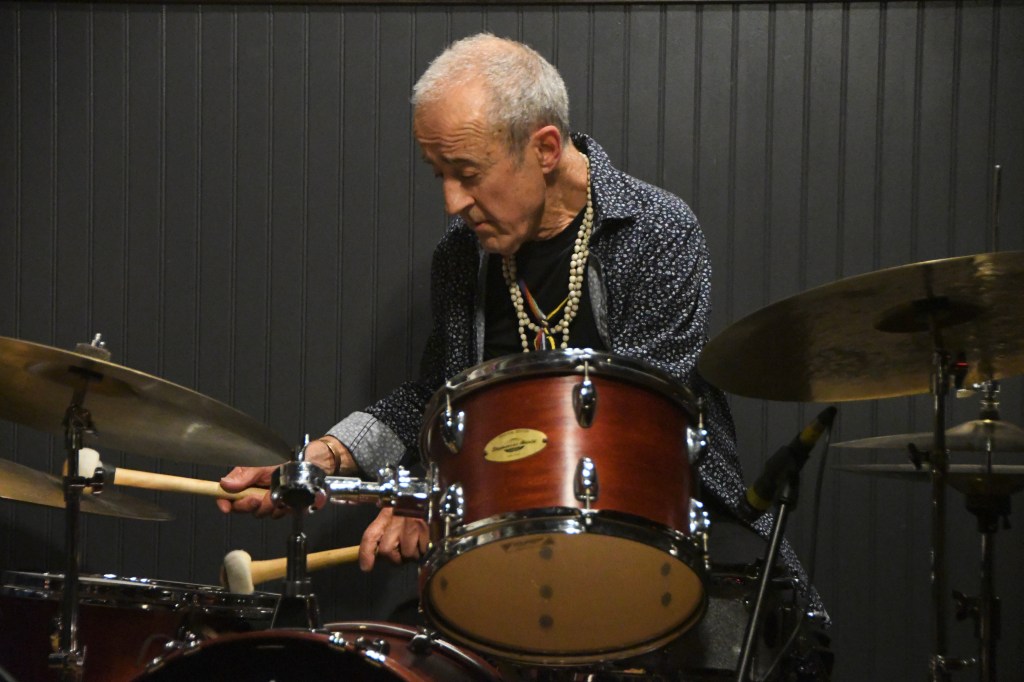
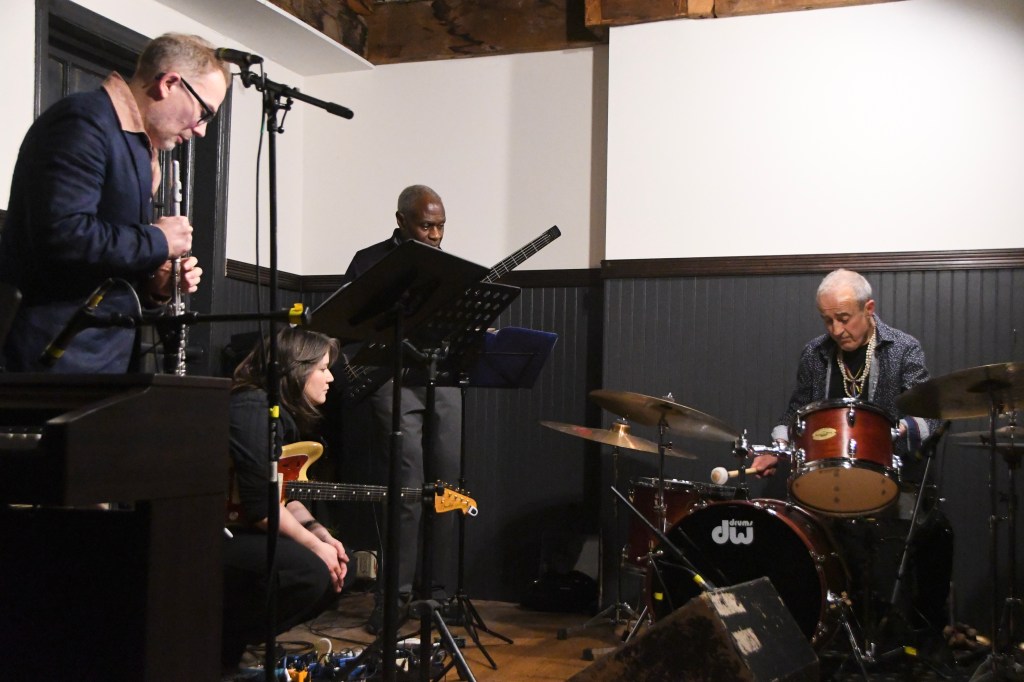
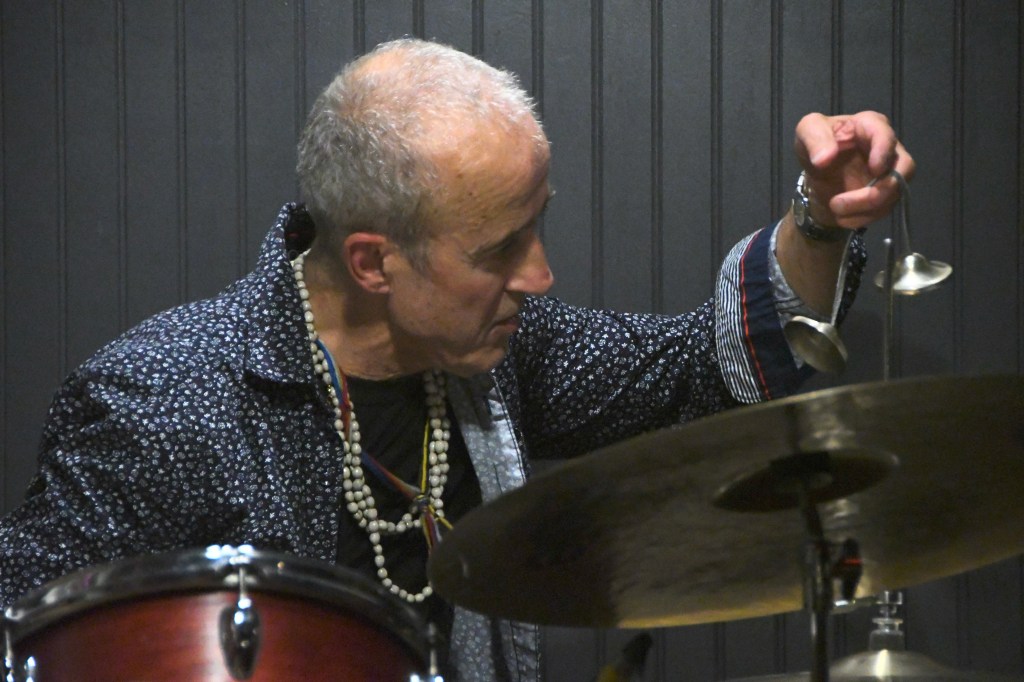
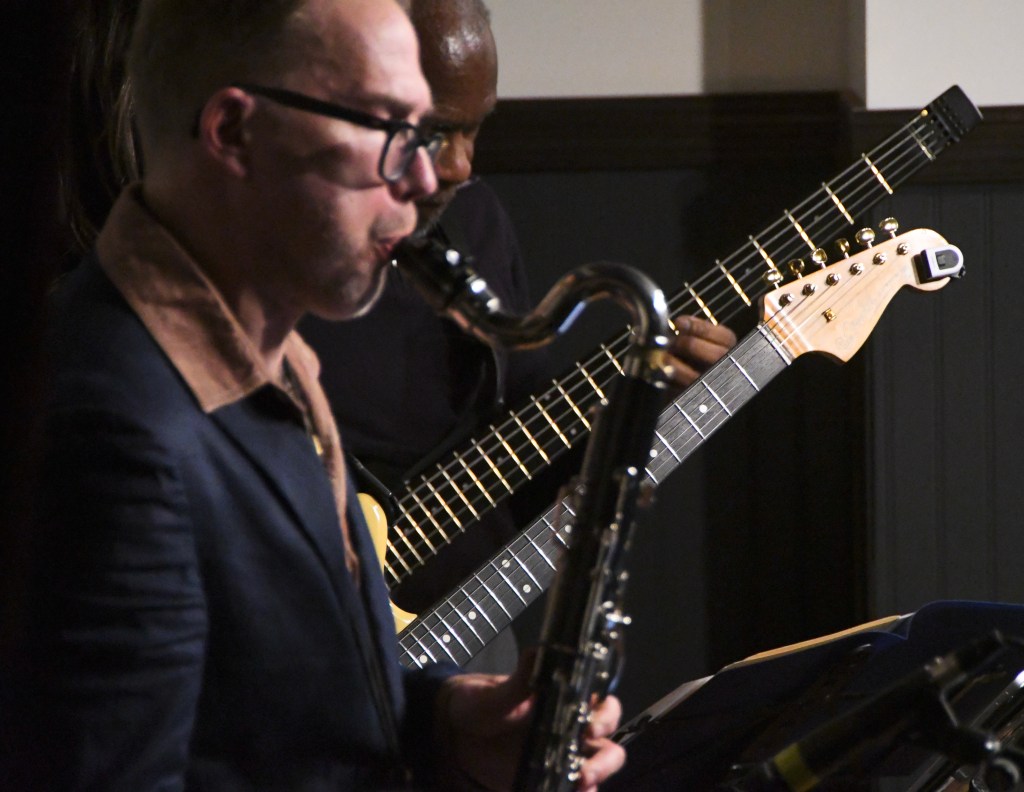
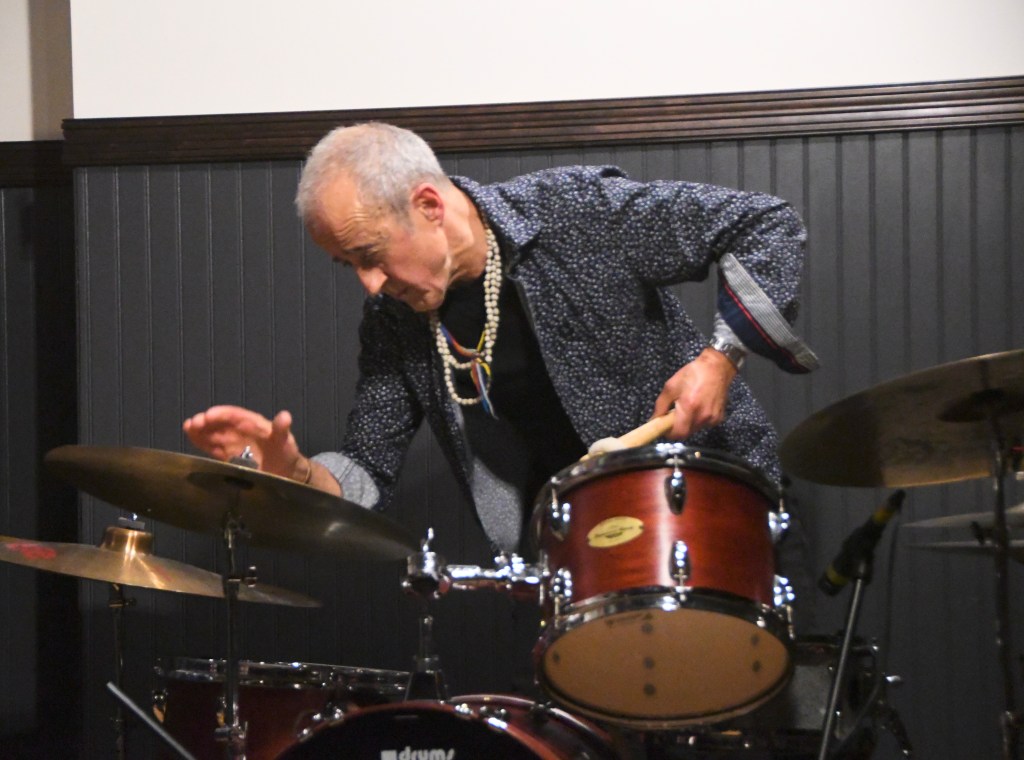
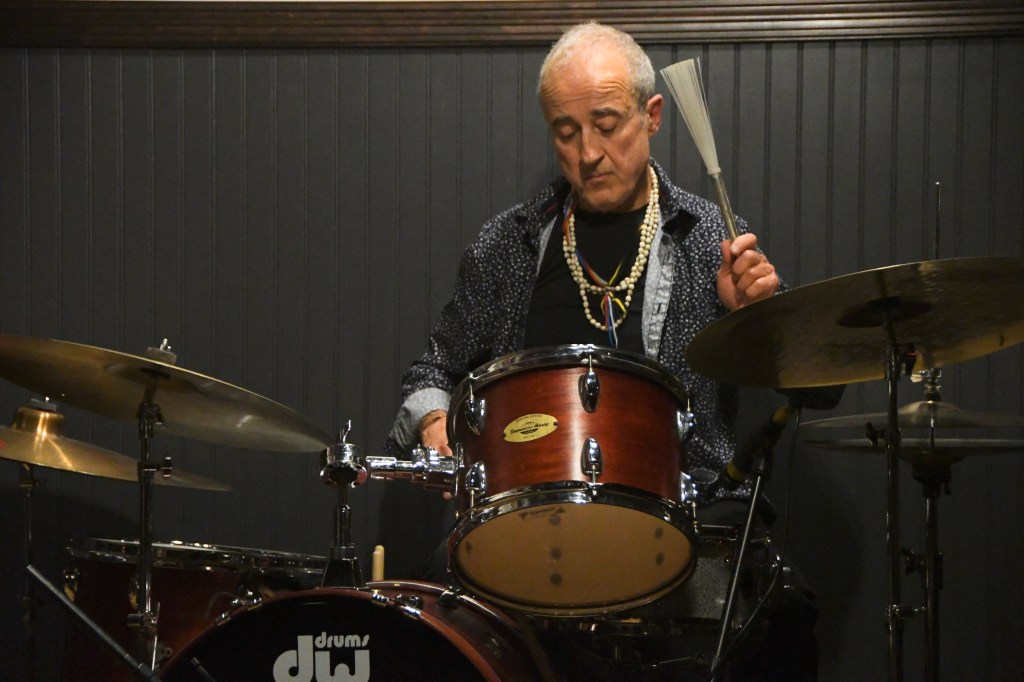
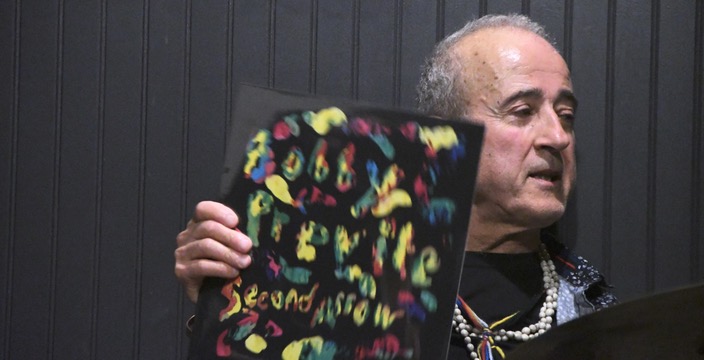
NRBQ at Levon Helm Studios in Woodstock, Saturday night, from left: Terry Adams, keyboards and vocals; guest John Sebastian looking over his shoulder, guitar, harmonica and vocals; drummer Jake Edwards; Casey McDonough, bass, vocals and piano; Scott Ligon, guitar and vocals; Klem Klimek, tenor saxophone, harmonica and vocals; Gene Oliveri, tenor and alto saxophones
Top photo shows, from left: Adams, Sebastian, McDonough, Ligon and Klimek; Edwards and Oliveri are behind other players
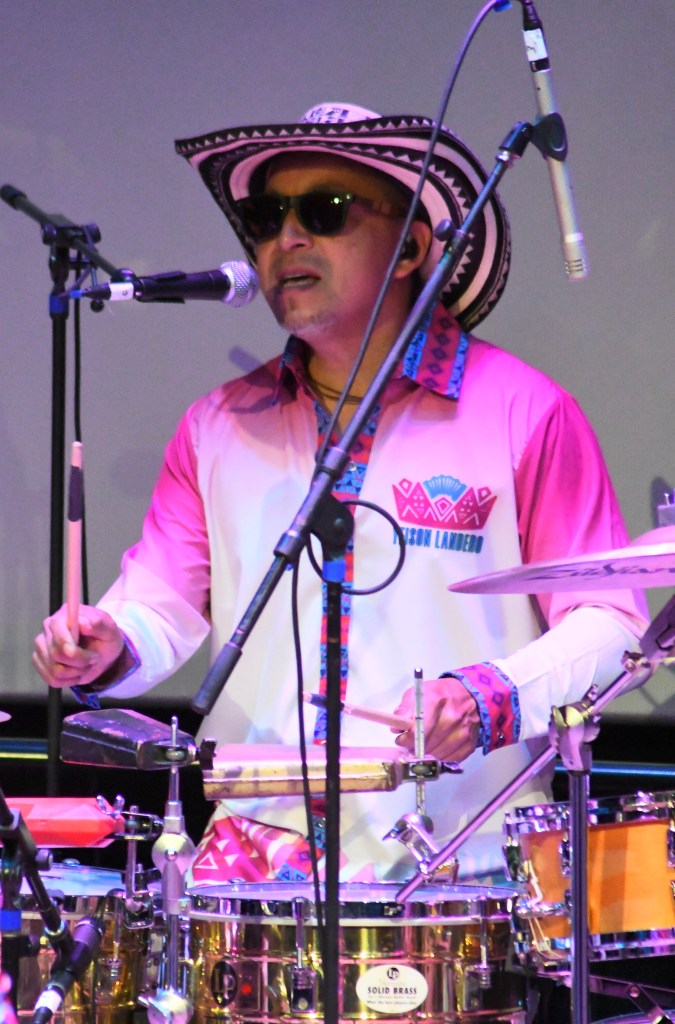
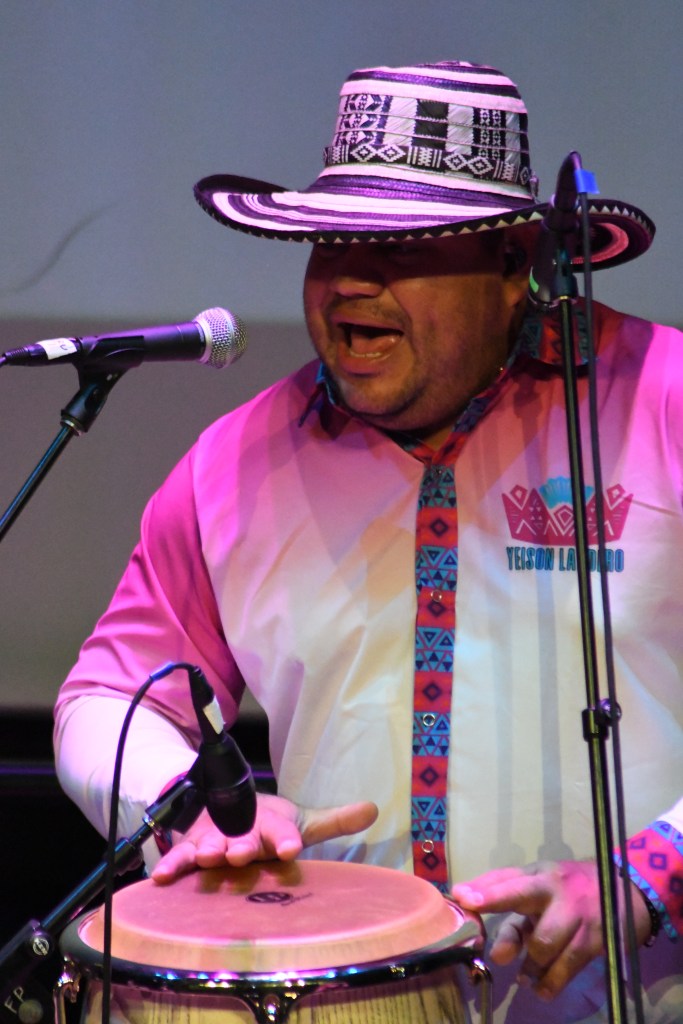
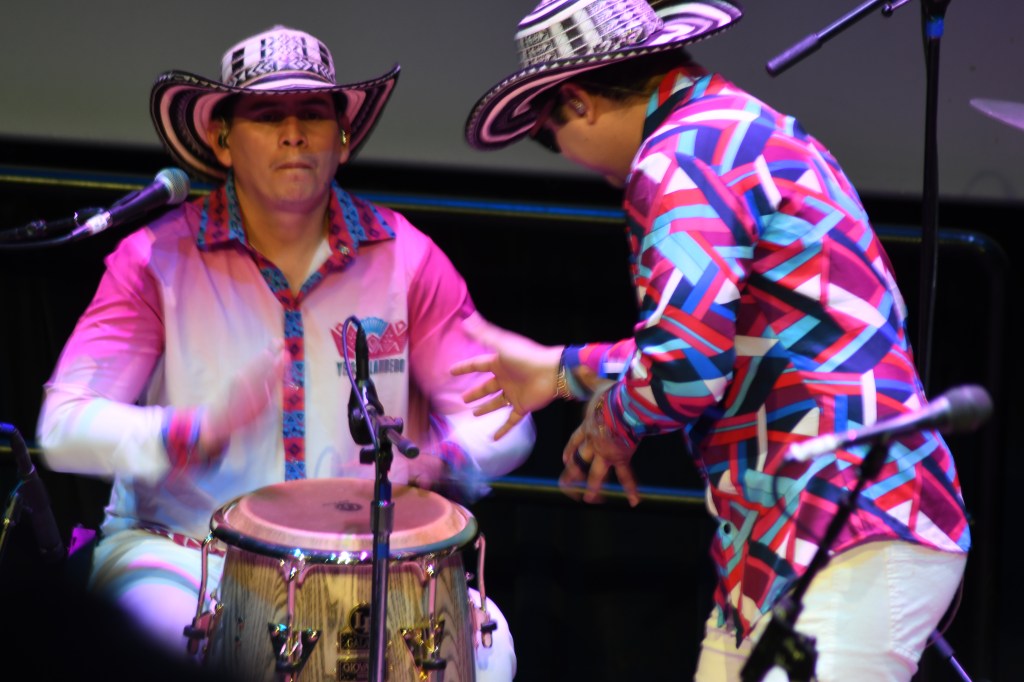
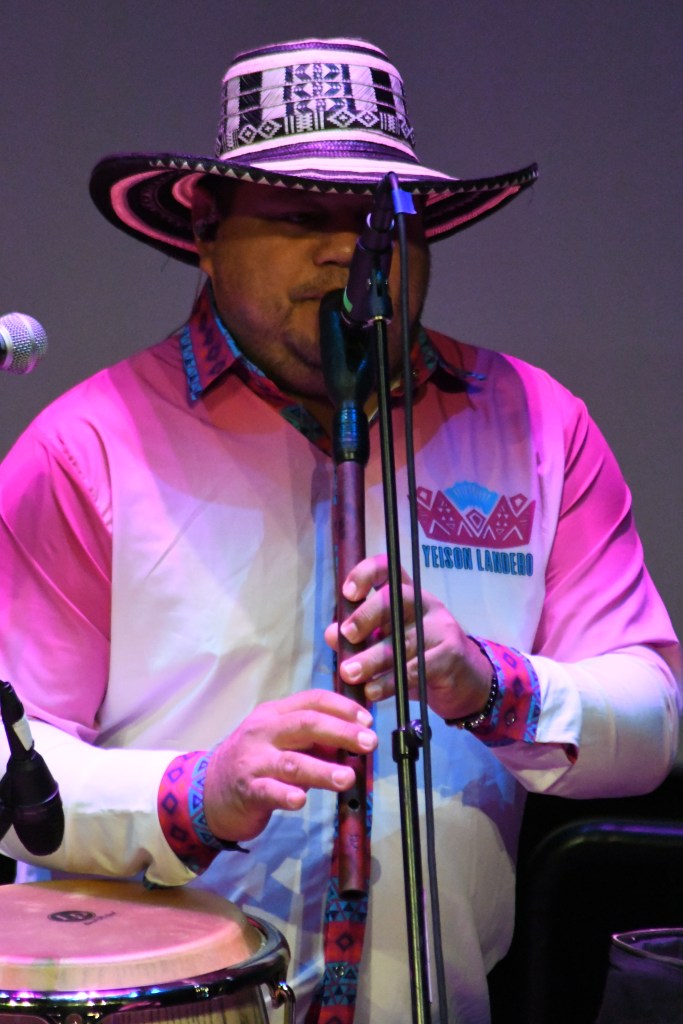
Review: Yeison Landero Thursday, May 14 at Proctors GE Theatre
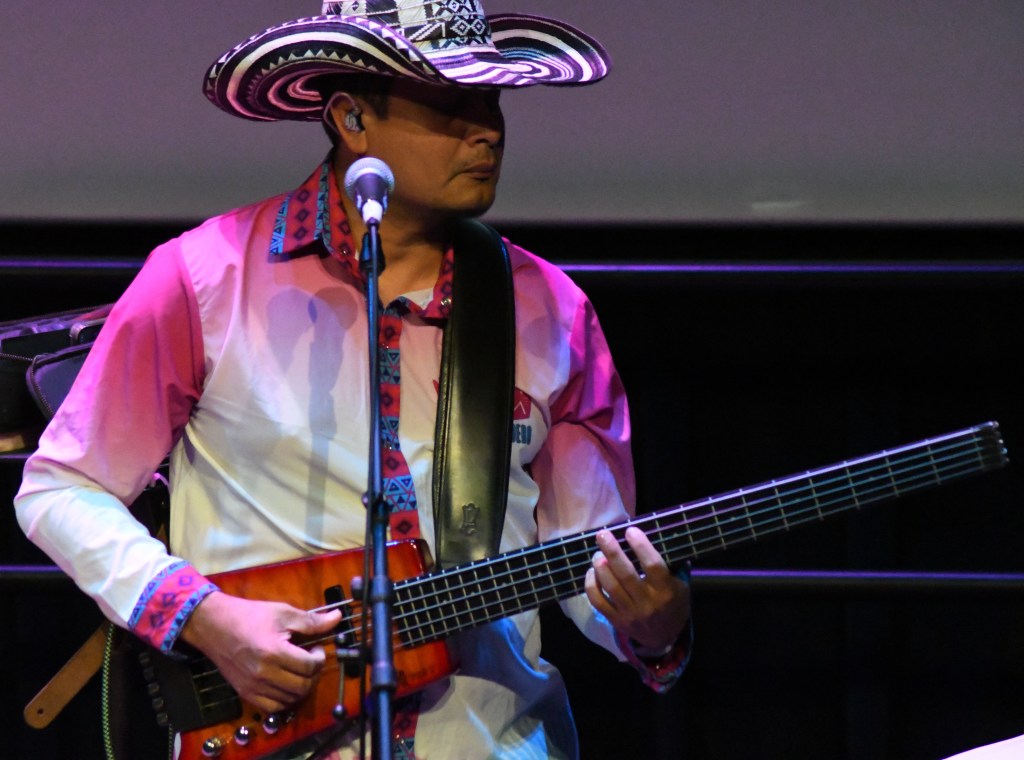
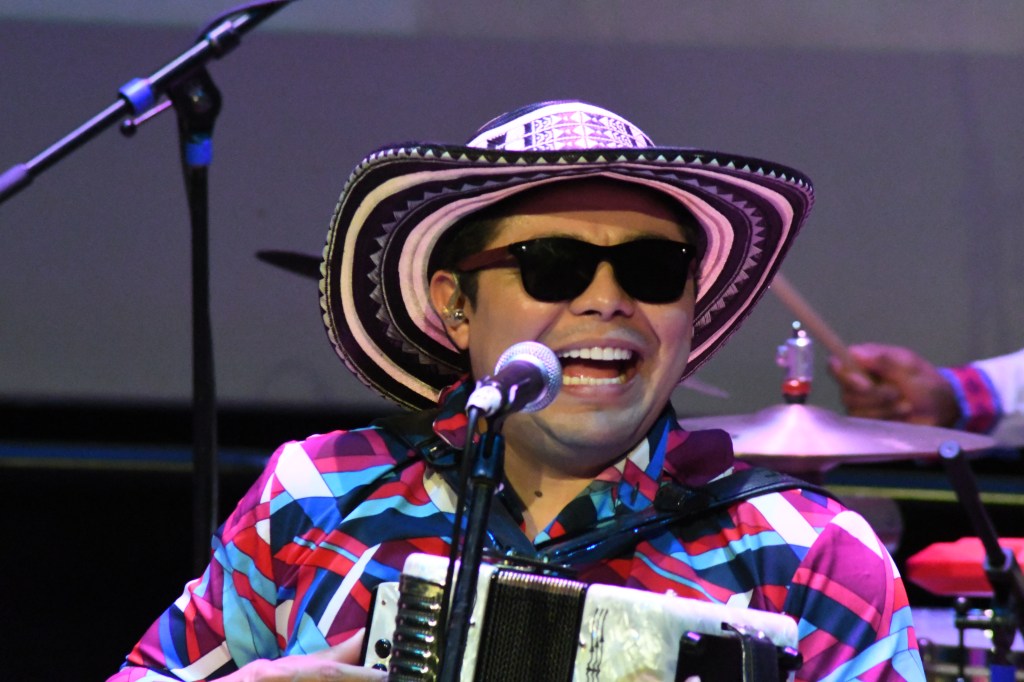
When Colombian cumbia king Yeison Landero called out nations at Proctors GE Theatre Thursday to pinpoint fans’ origins, each remote homeland drew cheers. “Colombia! Mexico! Ecuador! Panama! Costa Rica!” Then a woman tentatively called out “Albany?” to loud laughs. Wherever folks came from, they met in kinetic border-busting joy.
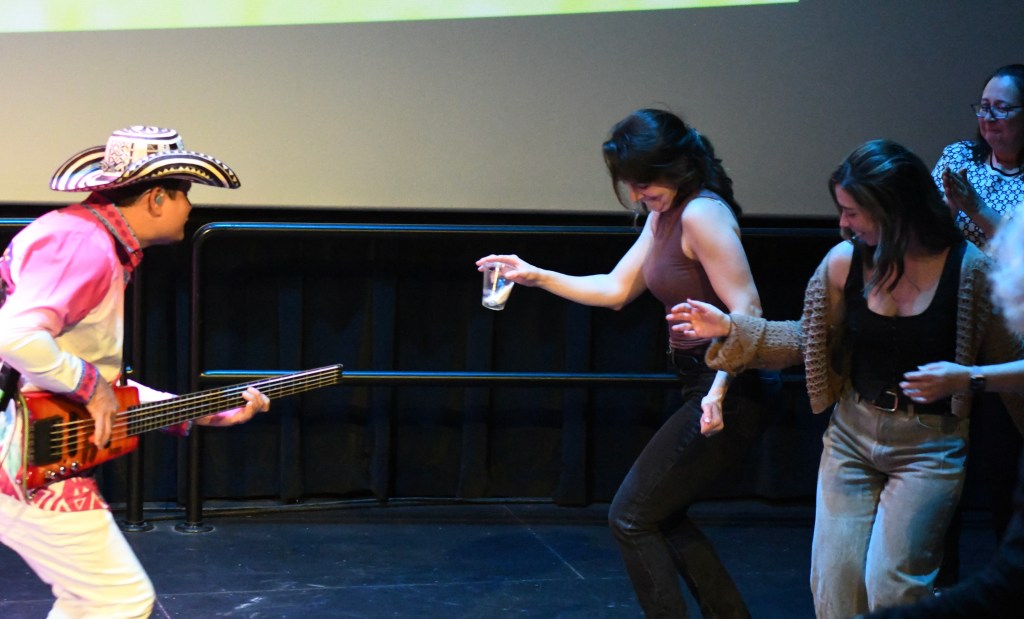
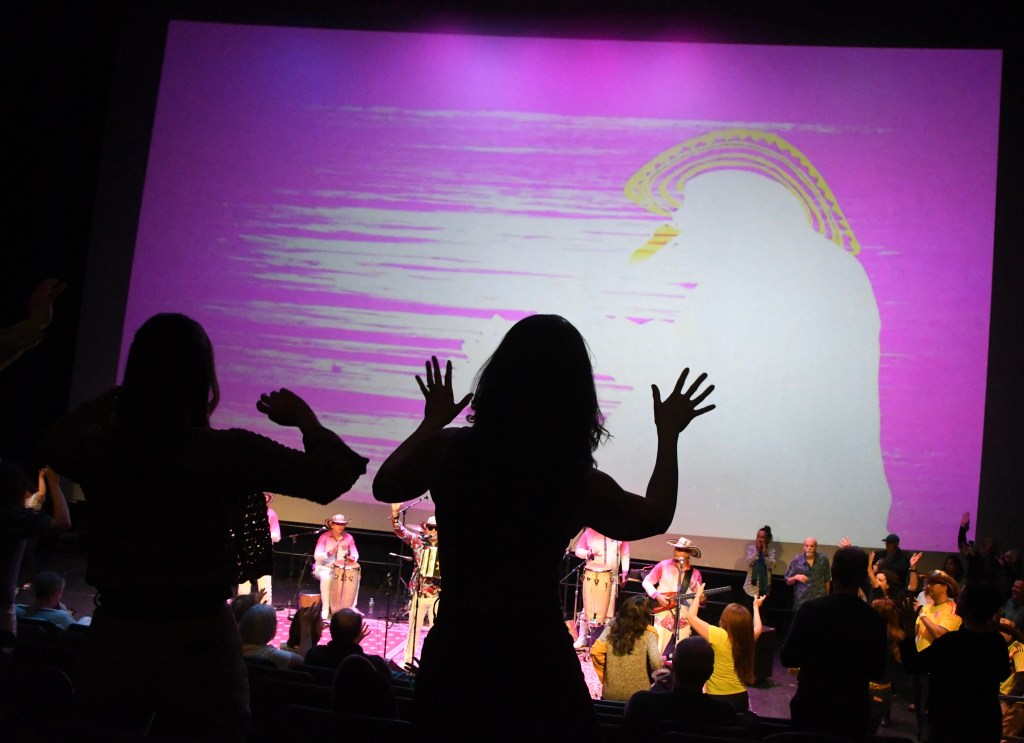
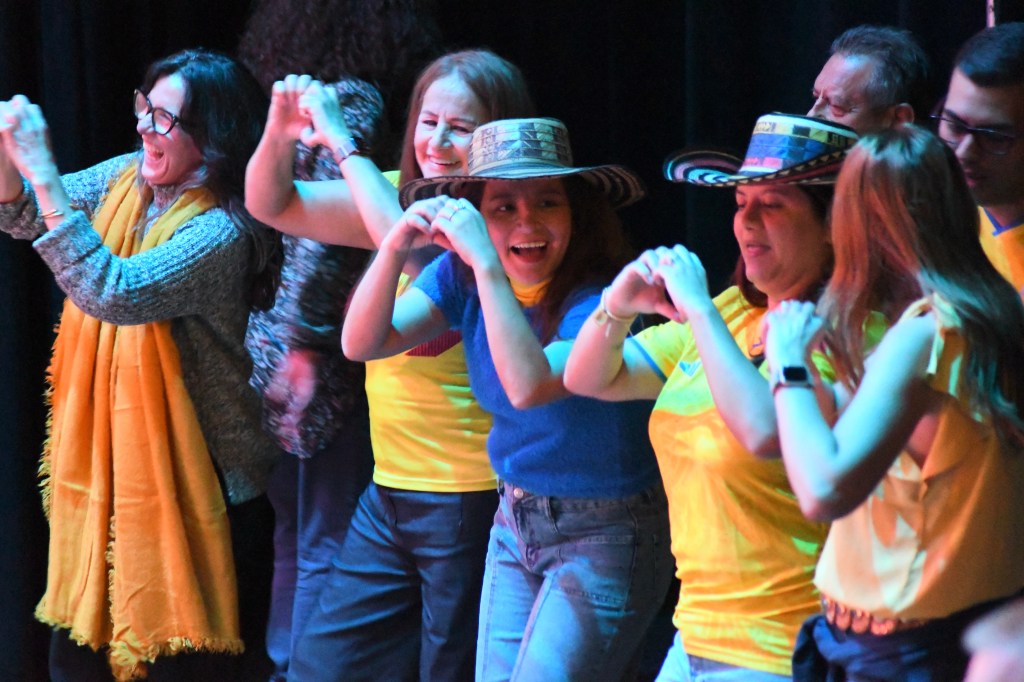
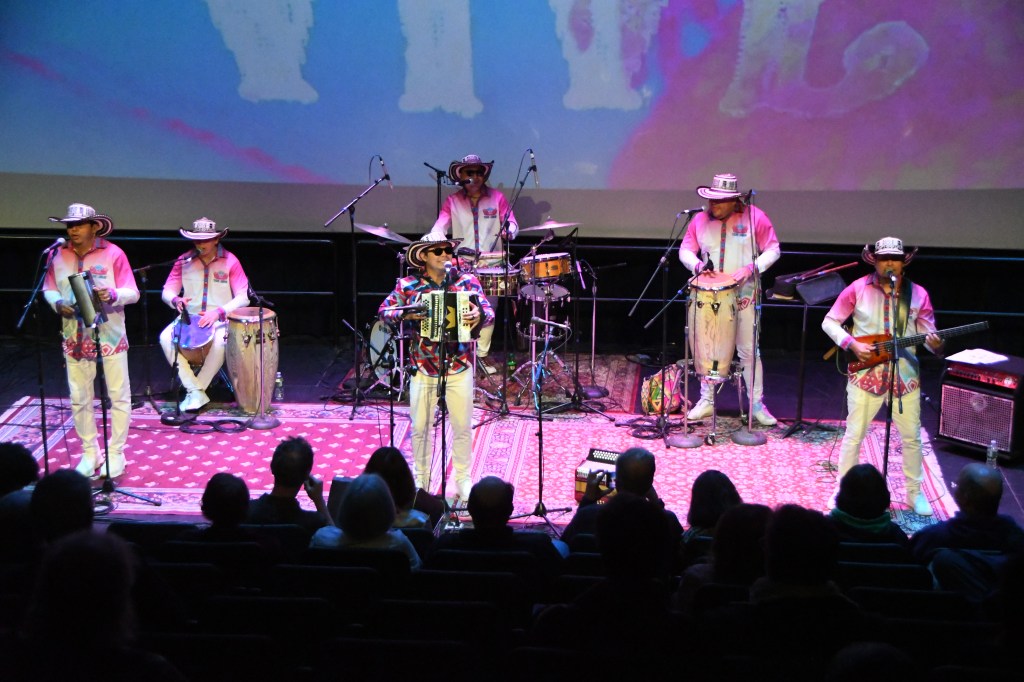
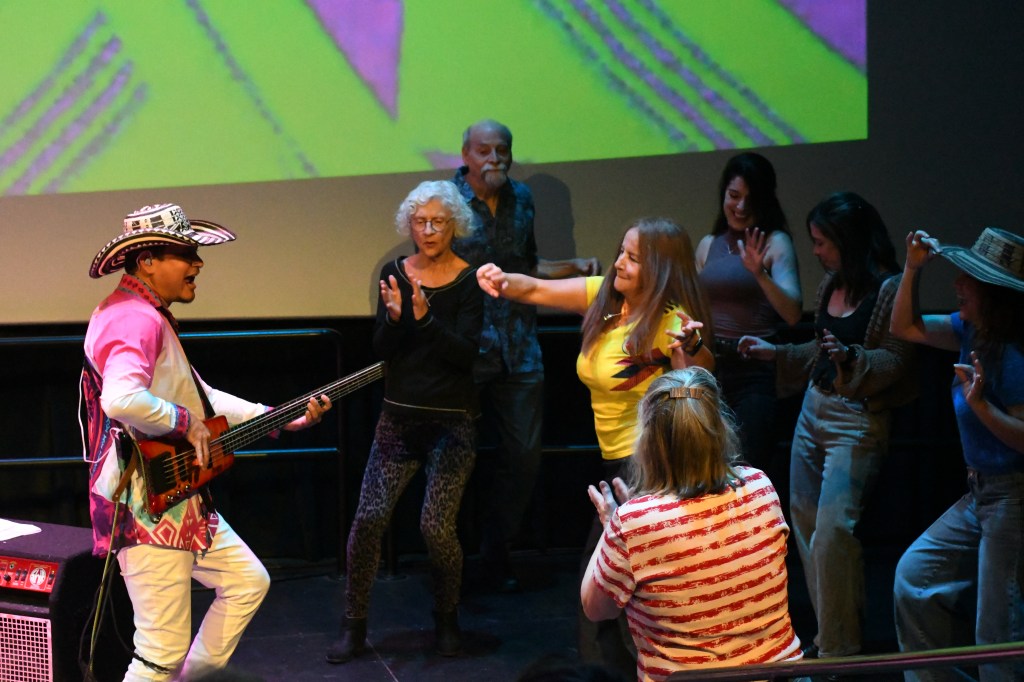
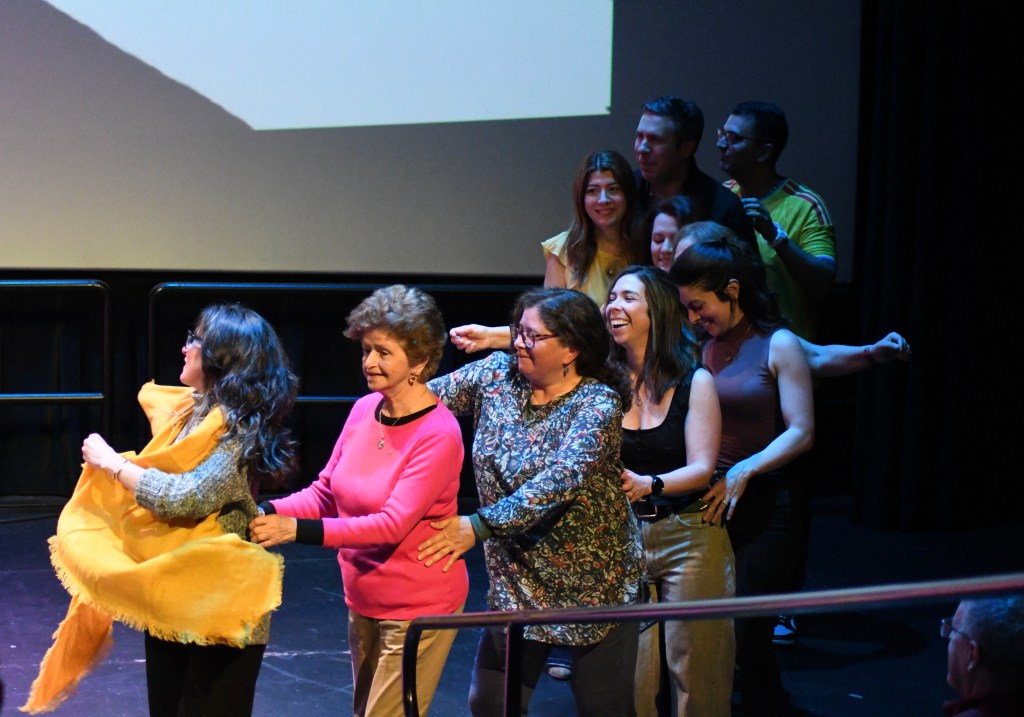
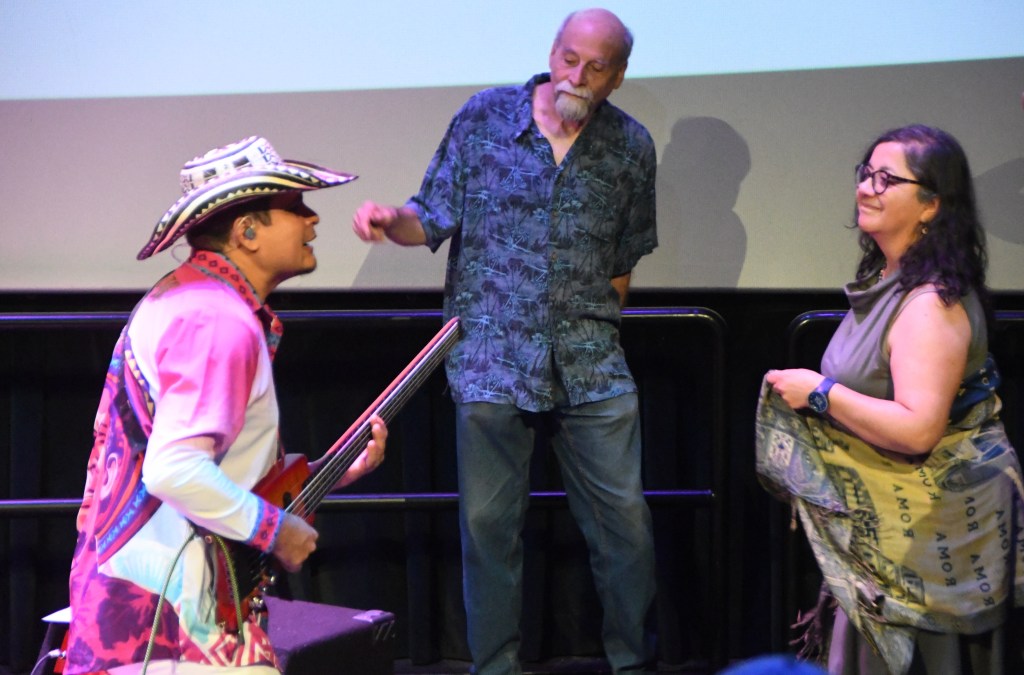
Well before the end of the accordionist-singer’s 90 minutes onstage, borders between musicians and fans had blurred, too. Dancers packed the floor beside his six-piece beat-busy band and players sometimes wandered among them.
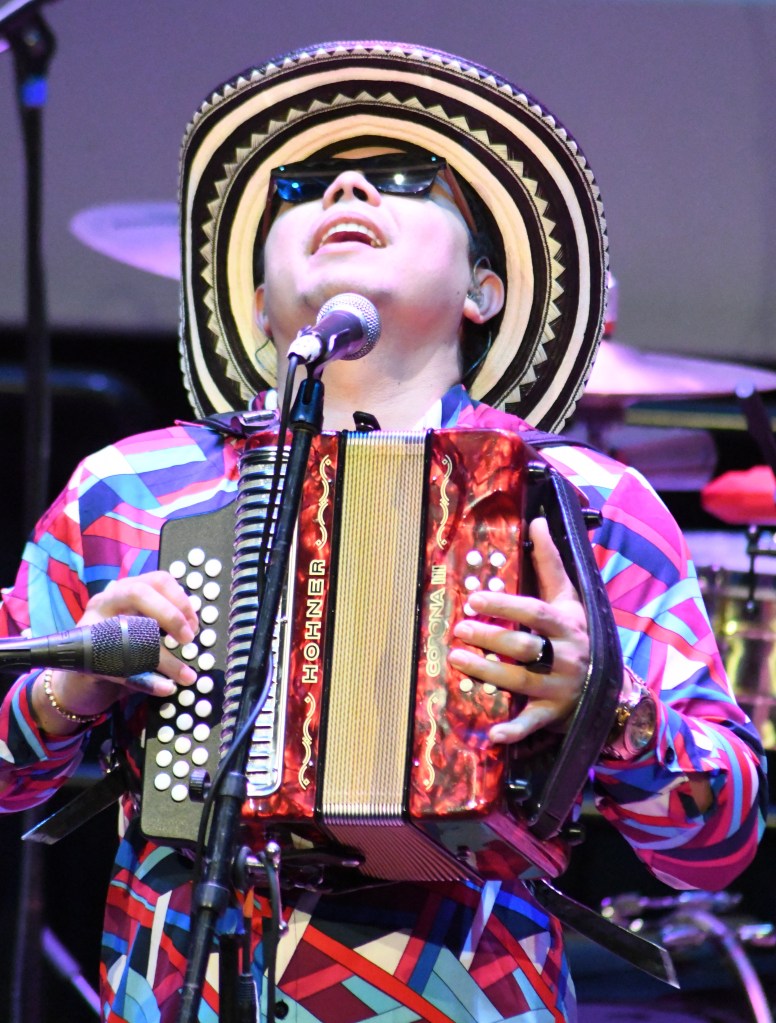
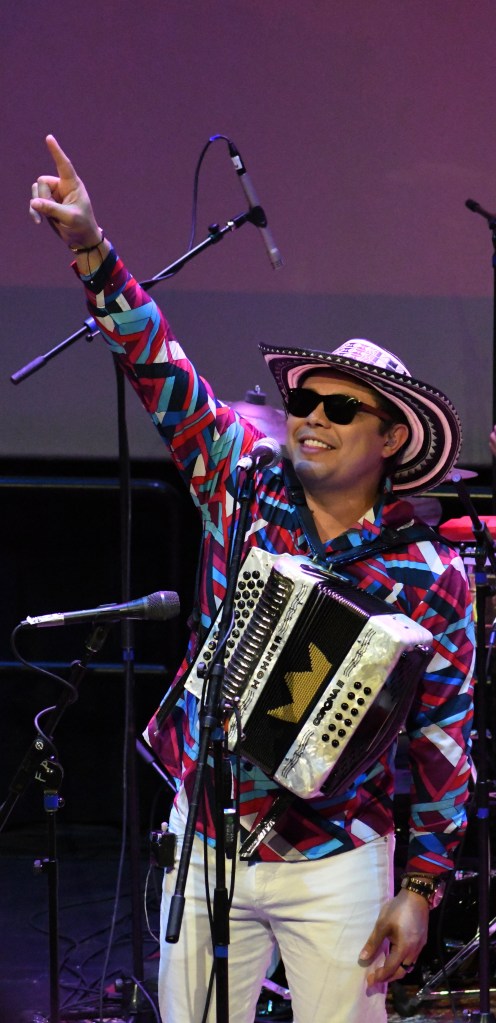
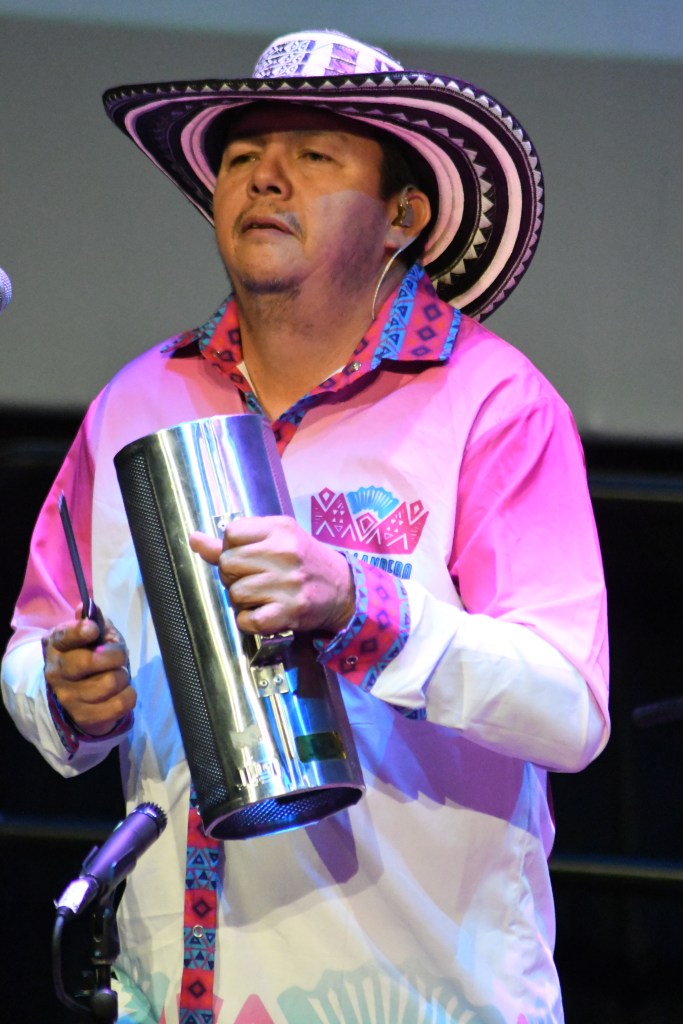
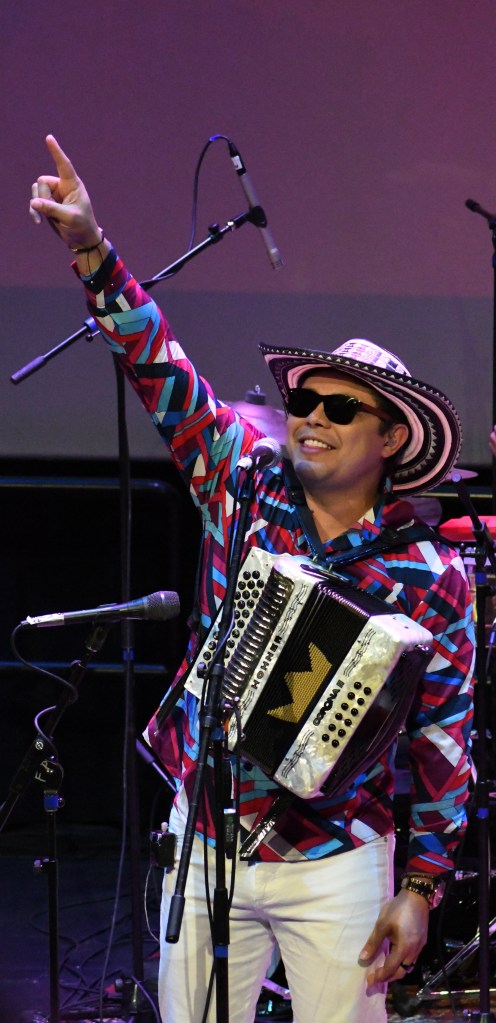
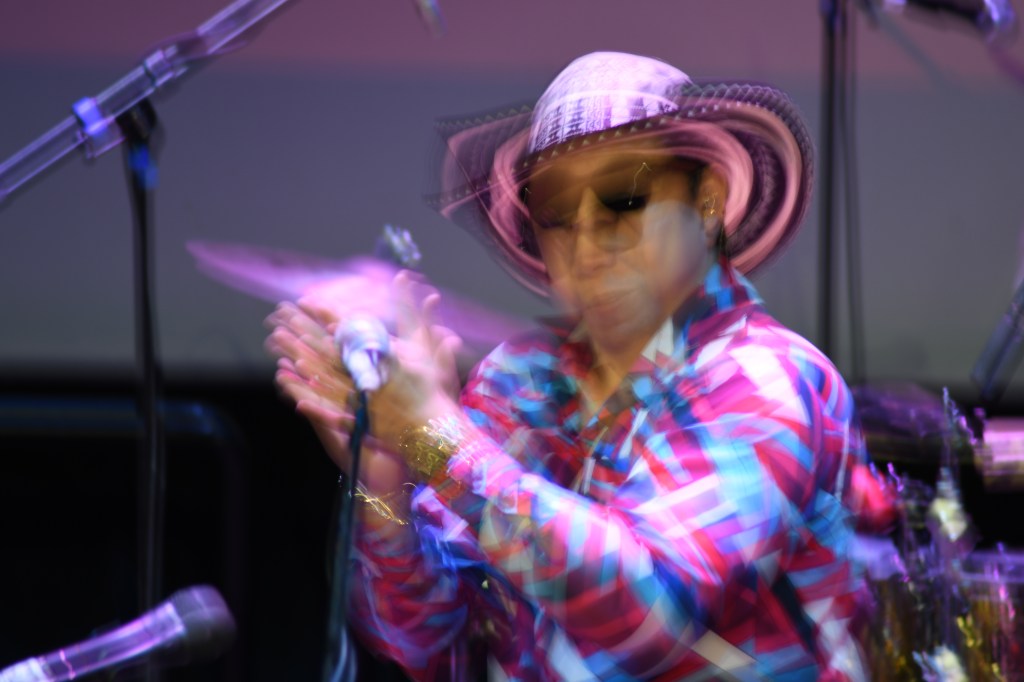
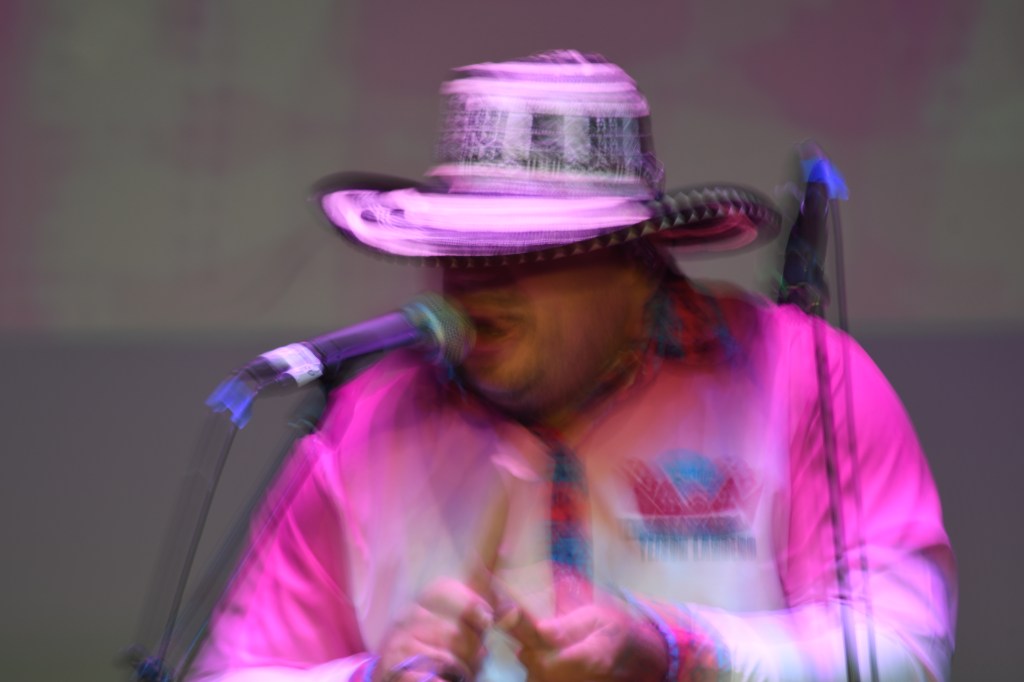
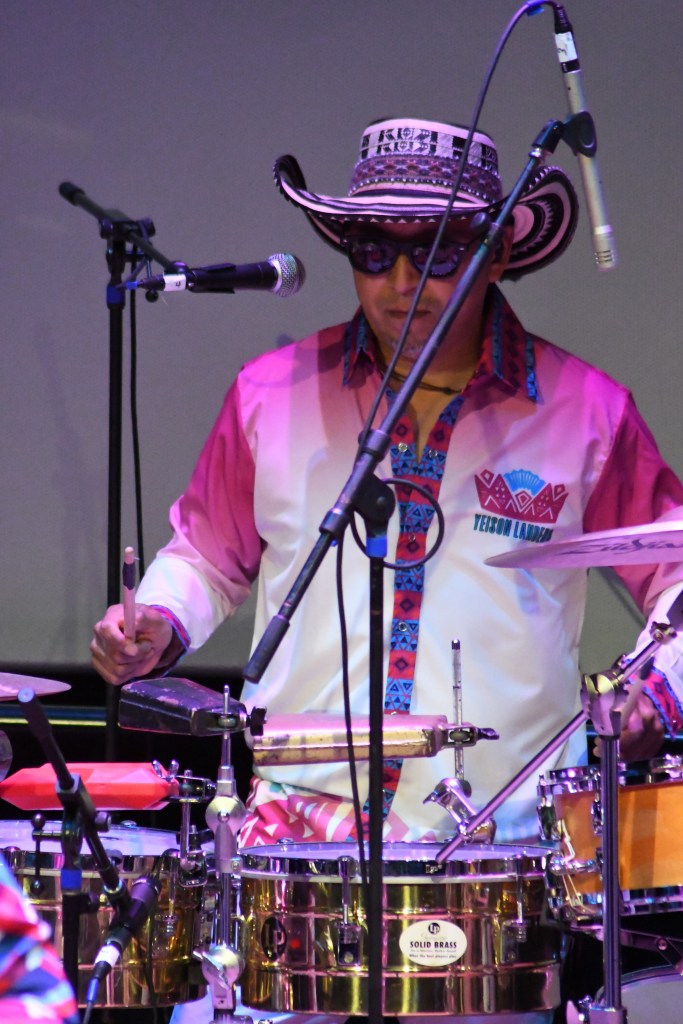
Landero’s players were easy to spot in wide-brimmed hats, and the magnetic Landero – his name stitched on the chests of players’ pastel shirts – focused the formidable energy in the place with non-stop accordion riffing and hearty vocal power, singing in Spanish.
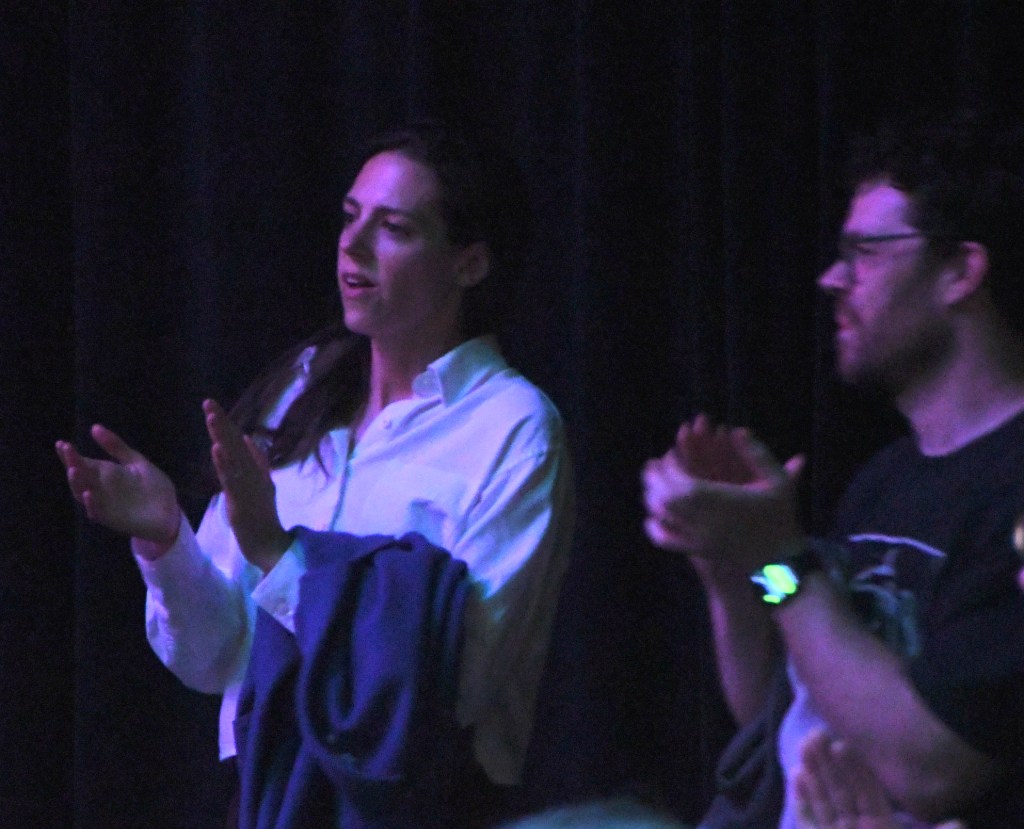
No translation necessary, though; the beat brought the heat, and the high clatter of timbales delivered the first solo of the night. Happy crowd chat, also largely in Spanish, faded in the seats as watchers became dancers.
Like reggae, or blues, many songs cited cumbia itself, the distinctive hybrid style Landero learned from his grandfather Andres who transformed this coastal Colombian folk music by adding accordion to indigenous, African, and Spanish flavors. It’s tribal, it’s traditional and engages as both story-telling and sonic force. Did I mention timbales delivered the first solo?
Landero switched off between two button accordions to change keys, seldom soloing but never needing to as the ensemble was the thing; and the dancers. Behind him, three percussionists beat timbales (Andres Ramirez) and congas (Daniel Movilla); conga player Jeivier Rodriquez also chimed in on melodies with gaita, a wooden flute that sometimes seemed electronically echoed. Flanking Landero stood super-steady bassist Anibal Hernandez and Javier Guerra, a hyperactive player of the guacharaca, a bright serrated metal cylinder scratched in relentless counter-rhythms. Everybody sang, including many fans in the audience who knew every word.
They sang in praise of farmers; of Colombia, Mexico and other homelands; of love; of the sea; of family; of cumbia busting borders; of past golden ages and hopes for the future. The words rang sincere, the beats and melodies behind them felt like a gloriously noisy embrace, a soundtrack familiar to fans of merengue, salsa, clave and other Afro-Caribbean rhythms.
Landero’s road manager and translator Javier Mutis Garcia deciphered things in English near the end. He announced their intent to “bring a little happiness in these strange days,” understating both the dire state of things, civilization-wise, and the power of music to unite, share and elate.
Music Haven presented Yeison Landero as its final fall-winter-spring indoor Passport Series concert and will announce its outdoor free show summer series shortly.
Music Haven impresario Mona Golub introduced the concert in both English and Spanish. Later, while she stood down front, a fan introduced his 91-year-old grandmother to her, happily dancing and inspiring Golub to do the same. Full disclosure: nearby danced not only the ubiquitous Steve Nover but my daughter Pisie and her husband Tony.
Mutis Garcia also provided band members’ names and the set list, reproduced here as he sent it:
Preview: Yeison Landero at Proctors Passport Series (presented by Music Haven in Proctors GE Theatre); Thursday, May 14, 2026
Saving perhaps its most exciting and complex music for last, Music Haven’s Passport Series wraps up Thursday with cumbia accordionist Yeison Landero at Proctors GE Theatre.
Photo provided
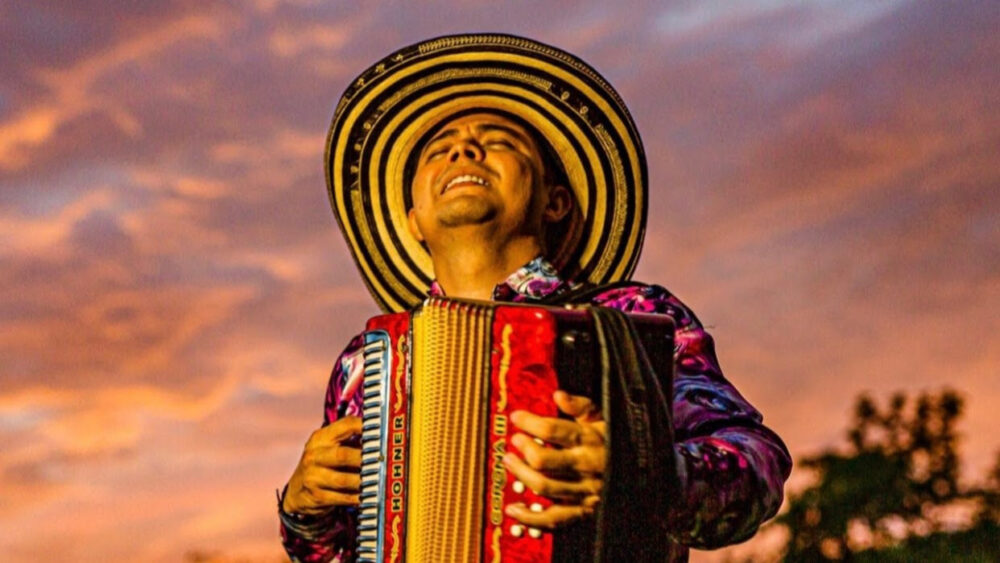
Invented on Columbia’s Caribbean coast as street music, cumbia forms a mighty river from three cultural tributaries: Indigenous, African and Spanish. Its lineage is more direct in the accordion-squeezing hands of Yeison Landero as the legacy of his grandfather Andres Landero, hailed as the king of cumbia in the 1950s. Yeison started playing at age seven, riding changes in the traditional music his grandfather had modernized.
In the 1930s and 1940s, Colombian cumbia musicians began importing musical ideas from elsewhere. Clarinetist Lucho Bermudez emulated American jazz clarinetist Benny Goodman with his swing band, for example; but influences flowed in both directions. American jazz-soul-pop giant Nat King Cole recorded a cumbia tune by bandleader Pacho Galan on a Spanish-language album in 1959.
More recently, Joe Strummer of the Clash hailed the cumbia style as “the punk rock of Colombia.” That same bustling South American cultural mix gave us the revolutionary jazz harp virtuoso Edmar Castaneda. An innovative, virtuoso master, Landero plays upbeat accordion with Castaneda-scale skill and daring dance-y zip.
While original Colombian cumbia traditionally cruised on party-powered beats by three different-toned drums and three flutes with different ranges, Landero leads a streamlined, amplified version with electric bass, drums and percussion, guitar and background vocals, Landero’s accordion and voice leading the celebration.
Show time for Yeison Landero Thursday at Proctors GE Theatre is 7:30 p.m. All seats $34.51. 518-346-6204 www.proctors.org
Devised to present international music indoors “between the summers,” Music Haven’s Passport Series follows the same spin-the-globe international direction as its summer shows in Central Park.
Music Haven presented Castaneda’s very international all-star big band at its summer 2025 gala on Proctor’s Main Stage, it’s rain site. Castaneda has also played everywhere else around here including both Universal Preservation Hall and Troy Savings Bank Music Hall with banjoist Bela Fleck and drummer Antonio Sanchez in BEATrio, one of the hottest bands on the road today.
Review: Art D’Echo Trio + 2, and the Vinny Marotta Trio; Saturday, May 9 at the Van Dyck
Happy 100th birthday, Miles and ‘Trane; happy musicians on the Van Dyck bandstand and a happy capacity crowd of music fans Saturday.
Both the headlining Art D’Echo Trio, with guests, and the Vinny Marotta Trio honored an era of jazz history as creative as it was compressed. They recalled earlier times, honoring their predecessors by also remaining themselves.
Irascible trumpeter Miles Davis was famously unhappy when Prestige Records insisted he owed them a handful of albums when he wanted out, to sign with Columbia. Furious, prolific, he aimed his new quintet, featuring John Coltrane, at this contractual mandate, anger honing his creativity.
Miles and ‘Trane were younger than the Art D’Echo Trio when they recorded “Workin’,” “Steamin’,” “Cookin’,” and “Relaxin’” in a concentrated rush – and not much older than the Vinny Marotta Trio who opened Saturday.
The Art D’Echo Trio cooked up the idea for a commemorative show when bassist Mike Lawrence reminded keyboardist Dave Gleason this is the centennial year of both Miles and ‘Trane. The four albums the Davis/Coltrane crew recorded in a short burst 70 years ago in 1956 arguably re-shaped jazz with both an enduring repertoire and vigorous hard-bop fire.
Around the somewhat tortured history of those albums, 1956 was when bebop riff bombs, frothy Tin Pan Alley pop and brassy show tunes fought it out on the charts; when Elvis had his first breakout hit with “Heartbreak Hotel.”
However, Saturday never felt like an antique show.
Vinny Marotta, above, Nat Mussman, below
Isaac Nokes
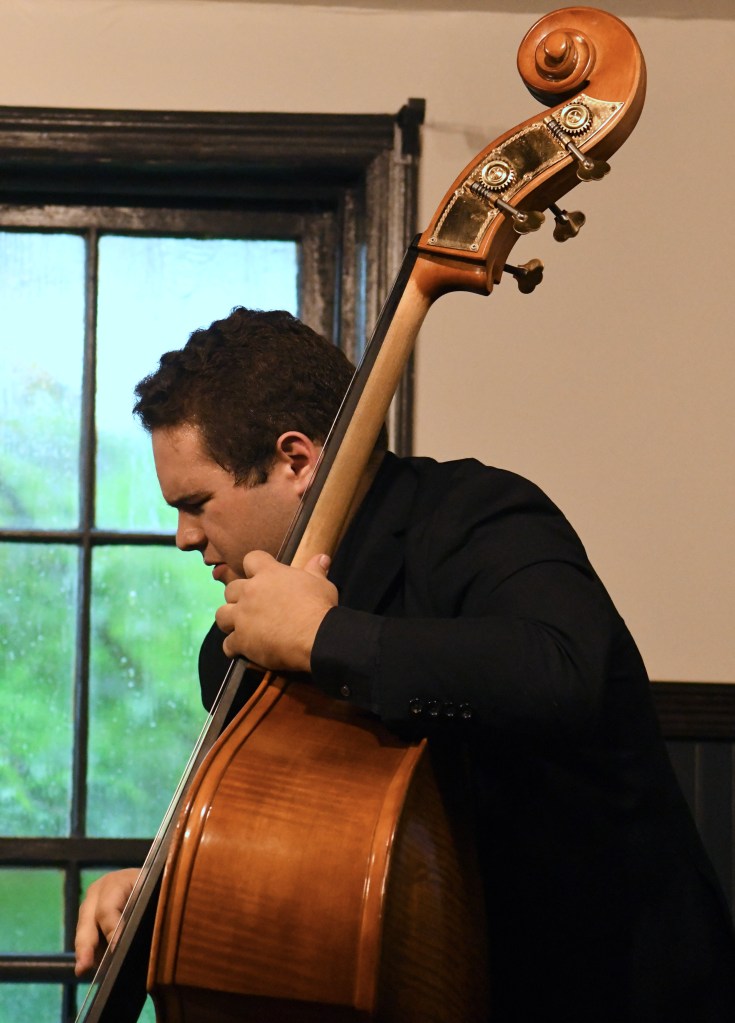
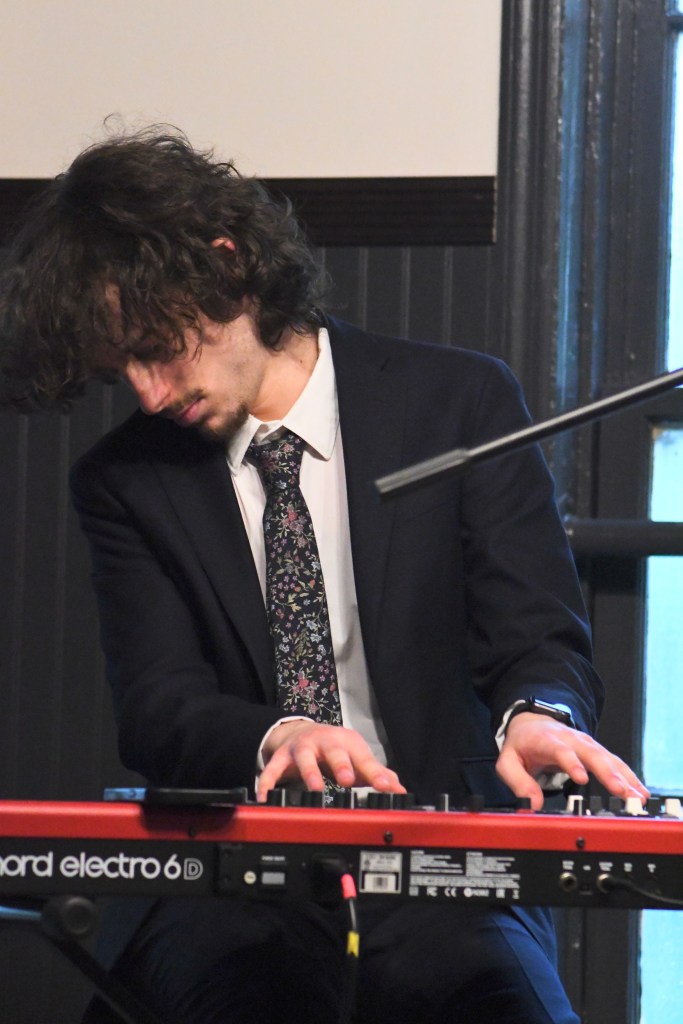
Bassist Vinny Marotta, pianist Nat Mussman and drummer Isaac Nokes, all recent grads of SUNY Schenectady County Community College’s music school, played vintage numbers with youthful energy, schooled skill and mature respect. McCoy Tyner’s “Passion Dance” felt urgent, but not frantic, they confidently negotiated the tempo shifts of Joe Henderson’s mellow bossa “Recorda Me” and Sam Jones’s episodic “Unit 7,” then put a laid-back spin on Milt Jackson’s “Bags’ Groove,” an easy stroll. Marotta’s break in (bassist) Oscar Pettiford’s “Tricotism” was the hottest solo in their set, but Nokes ably echoed its melody in his drum solo, too. Then, trumpeter Dylan Canterbury and saxophonist Brian Patneaude joined in for (trumpeter) Dizzy Gillespie’s “Tin Tin Deo,” a happy romp.
Trumpeter Dylan Canterbury, center, and Brian Patneaude, at right, guest with the Vinny Marotta Trio. Nat Mussman is at left, drummer Isaac Nokes and bassist Marotta are obscured in this view.
With more young fans than at most jazz shows, the crowd engaged in a big way, applauding every solo by both bands.
After intermission, the horn players Canterbury and Patneaude guested with Art D’Echo Trio in tunes from the four 1956 Miles Davis albums, plus “All Blues” from “Kind of Blue” (1958). This out-of-period but very effective encore in response to a fan’s shout out also showed how fast jazz was evolving then.
All stars of the area scene, the augmented Art D’Echo Trio knows how to play together; keyboardist Dave Gleason, trumpeter Canterbury and tenor saxophonist Brian Patneaude all play in Keith Pray’s Big Soul Ensemble, for example. As a free-standing trio, it’s powerful and versatile; adding ace horn players creates a strong quintet, on Miles Davis’s 1956 blueprint.
Art D’Echo Trio, from left: Dave Gleason, piano; Pete Sweeney, drums; Mike Lawrence, bass
They sounded eager, strong, in “Half Nelson,” but under cohesive control, dynamic yet cool. “Stablemates” alternated straight-ahead and bossa passages, closing in stop-and-go drama. After an all-in intro, “Trane’s Blues” cruised a bit on a trio-only arrangement before the horns jumped back in; or eased in: Canterbury built his solo as a slow-burn climb, revving to escape velocity.
Time to give the drummer some: A master of understatement, Sweeney expertly tailored his sound to frame the soloists perfectly, switching from brushes in gentle sections, as when Canterbury played muted, to full-force stick-work in “If I Were a Bell” behind Patneaude. He stormed strong in the hard-driving “Airegin” and solos of his own with horse race excitement.
Dylan Canterbury plays muted trumpet, above; Brian Patneaude plays tenor saxophone, below
Canterbury’s muted trumpet also launched “Bye Bye Blackbird,” their strongest, most varied number. This masterly survey of melody and mood had everything, building from a subdued start to seething joy, waves of groove forming and fading, until Patneaude closed in elegiac elegance.
Both Patneaude and Canterbury built many solos on zippy scales, while Gleason took things further outside in his solo spots, wonderfully wild at times, always ambitious and articulate. Like Sweeney, Lawrence used restraint as strength, and the trio sections without horns had a smooth swagger.
Dave Gleason, above; Pete Sweeney, below
“Four” may serve as theme of 1,000 jazz radio shows, but its happy bustle felt fresh and fun; a peppy set-up for Dave Brubeck’s “In Your Own Sweet Way.” Their best ballad in a mostly upbeat 90-minute set, this found Sweeney’s soft brushes sliding under Canterbury’s muted trumpet, then he grabbed the sticks under Patneaude’s hot tenor break and short riff swaps at the end.
Mike Sweeney
They flew Sonny Rollins’s airborne bop “Oleo” for jaunty fun, leaving the audience hot for more. After a short conference, they gave “All Blues” a suave take that belied their lack of rehearsal for this newer number in the Miles book.
Then the bandstand filled with fans hailing the players for a delicious evening of vintage tunes as immediate fun. Both crews were visibly happy bands, enchanted by vintage tunes and determined to honor them well together.
The Art D’Echo Trio celebrates after their set, before fans filled the stage around them. Vinny Marotta, partly obscured at left, rushes on to congratulate Pete Sweeney, also obscured; Brian Patneaude is offstage in this view.
The Songs:
Vinny Marotta Trio
Passion Dance (McCoy Tyner)
Recorda Me (Joe Henderson)
Unit 7 (Sam Jones)
Bags Groove (Milt “Bags” Jackson)
Tricotism (Oscar Pettiford)
Tin Tin Deo (Dizzy Gillespie)
Art D’Echo Trio with guests Dylan Canterbury and Brian Patneaude
Half Nelson (Miles Davis))
Stablemates (Benny Golson)
Trane’s Blues (John Coltrane)
If I Were a Bell (Frank Loesser)
Airegin (Sonny Rollins)
Bye Bye Blackbird (Ray Henderson and Mort Dixon)
Four (Miles)
In Your Own Sweet Way (Dave Brubeck)
Oleo (Sonny Rollins)
All Blues (Miles)
Dave Gleason hosted and announced the players and the songs. The Art D’Echo Trio also hosts Proctors annual holiday celebration “It’s a Jazzy Christmas.”
Brian Patneaude, at right, watches Mike Lawrence solo
Same thing below: Dave Gleason, left, and Pete Sweeney
When drummer-composer Bobby Previte explained his new music is “all about this band” Thursday at the Van Dyck, this might have seemed obvious. But how he orchestrated the skills in his first new ensemble in 20 years with freedom and force, strength and subtlety, felt uncommonly dynamic.
Merriam-Webster defines dynamic, the noun, as “a particular way that two or more people interact with one another determined by context, social roles, etc.” As an adjective: “marked by usually continuous and productive activity or change; energetic, forceful; of or relating to physical force or energy.”
Bingo.
That noun thing fit well as the 110-minute show often felt like a mosaic of duets while many solos flowed unaccompanied. Previte played more notes in less time than anybody; but at times, he stopped playing altogether, leaning against the wall to listen. Then he’d erupt: dynamic.
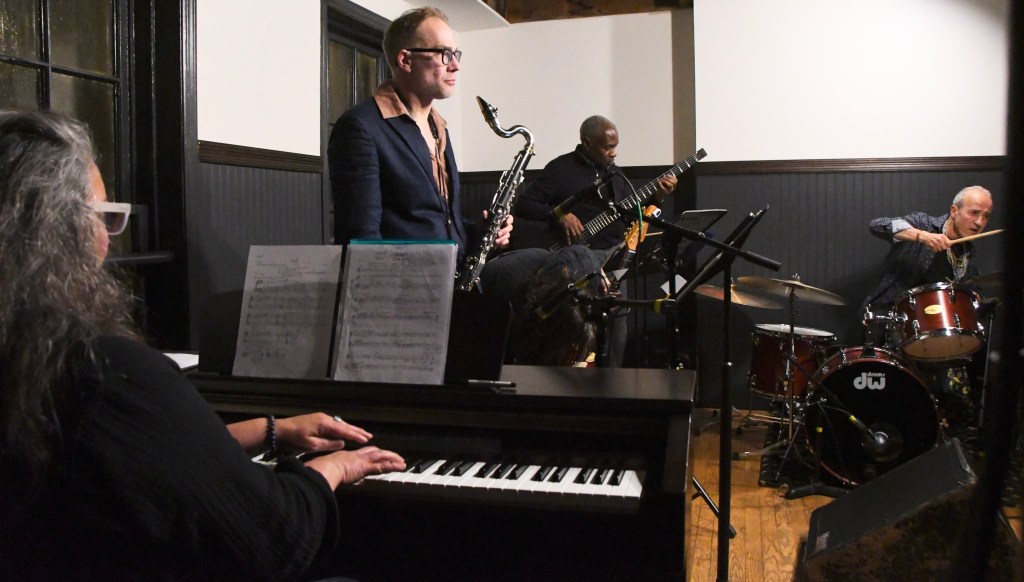
Bobby Previte’s Second Arrow, from left: Angelica Sanchez, Matt Bauder, Weindy Eisenbert, Jerome Harris, Bobby Previte
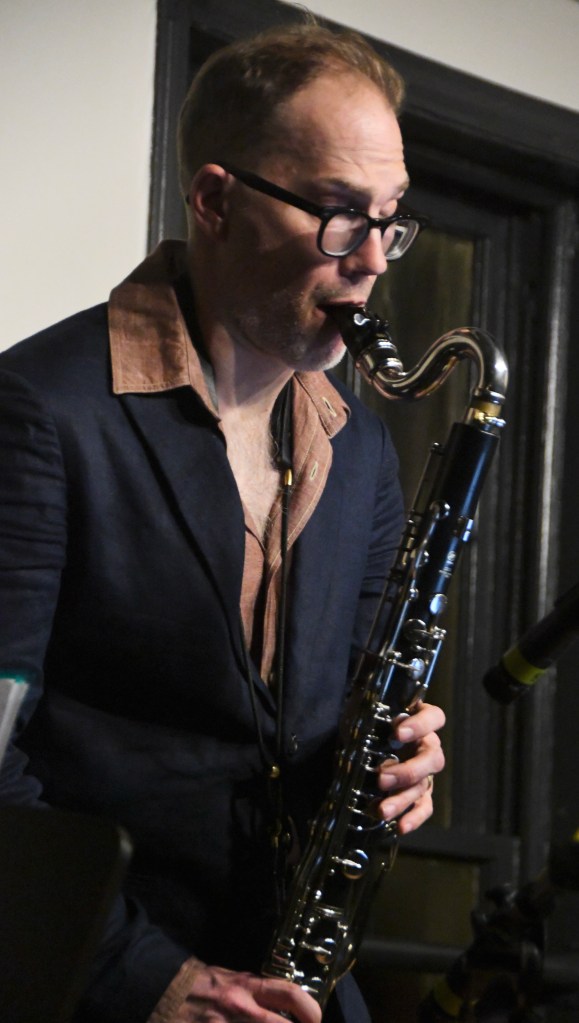
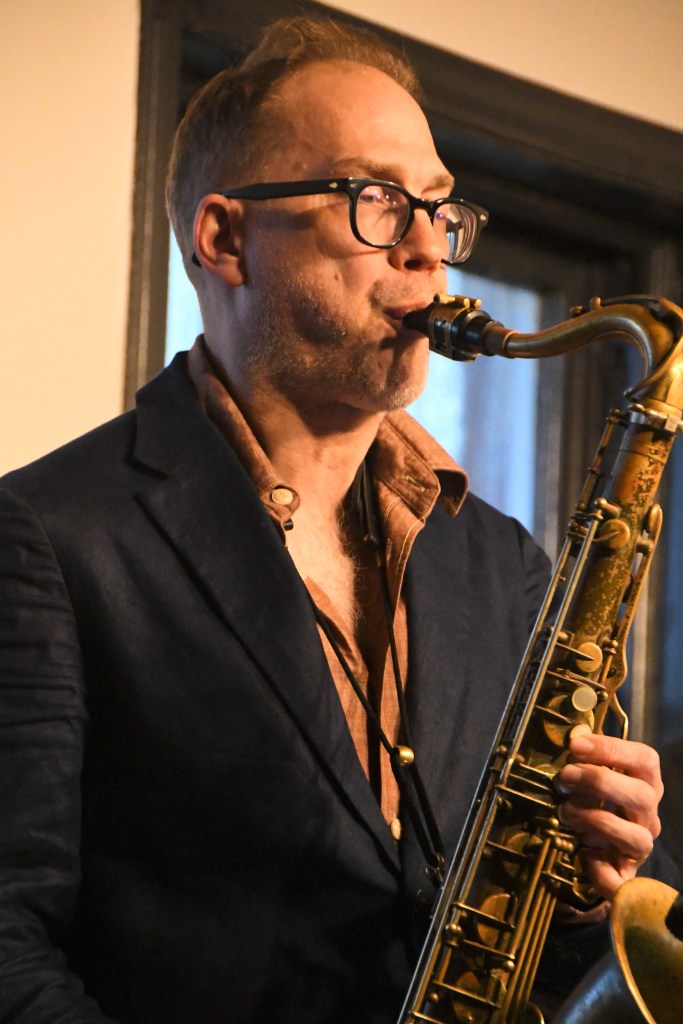
He introduced everybody first: keyboardist Angelica Sanchez, bassist Jerome Harris, guitarist Wendy Eisenberg, reeds player Matt Bauder (tenor sax, flute and bass clarinet). Previte is 74, longtime bandmate Harris a year younger; everybody else, decades younger. Previte soloed first to introduce himself in the tentative opener “Roam,” mainly on ride cymbal, toms and snare. Then everybody joined in a two-chord riff that built in a wandering way, deliberate and thoughtful, until everything faded but Harris’s steady bass.
Nice continuity: Harris droned a four-note slow walk, repeating alone until Sanchez took it up. Then in came flute and drums, Sanchez revved to double-time with just Harris’s bass, some explosive drums commentary and then another duet of guitar and flute. Bauder played calm and cool, then Eisenberg soared into her highest register, fretting between the pickups before Previte’s drums joined and they went wild together.
Again, continuity: “Scramble” earned its name in caffeinated bebop runs, jagged and confident. Everybody went high energy as Bauder held his tenor sax fire until Previte cued everybody else to lay out while Bauder flew fast, far and alone. Everybody came back in, full force, especially Previte. Then they ran the cycle again, then changed it up, Eisenberg soloing with a Leslie buzz effect, Bauder’s tenor and Sanchez’s keys uniting, then separating as Eisenberg dashed like darting flames until Bauder took the coda alone.
“Circle” supplied a cool change of pace, Previte playing tom rolls with mallets, Bauder’s flute riding sparse riffs before Previte’s cymbals linked with Sanchez’s piano in a repeating pattern that flowed with Harris’s bass under guitar and keys. A dramatic stop and go led into a spicy saxophone rasp and howl section that faded into an airy keyboard and cymbals ending.
Previte said most of what they were playing was on an album so new “no one has this record yet,” holding up a vinyl copy.
Eisenberg switched to acoustic guitar, flamenco-like, to introduce “Stroll” and Bauder went with the change, playing bass clarinet in a surge that exploded the tune’s mid-tempo start. Sanchez dug in hard as Previte rode the energy, then pushed it in a rocking shuffle. Eisenberg looked at Previte for her cue to jump back in, smiled when she got it and pushed as hard as both Bauder and Sanchez had.
Afterward, Previte joked that his sole instruction to Bauder about his solo was that he should “play way too long;” but Bauder made solid sense of it anyway.
The sci-fi blues “Promenade” built from a simple riff by guitar and keys, Previte leading then laying out, Bauder’s tenor sax and a spooky late guitar solo carrying that riff around in a relaxed roll. But after this mellow joy, “Climb” pumped everybody’s pulse, onstage and off – a hot boogaloo, primal and punchy, before tenor sax and keys accelerated to a hard stop. Previte revived it strong, all by himself and things got deliciously weird. Bauder cyber-looped his tenor sax, Harris added electronic fuzz to his bass lines and Eisenberg’s wild guitar helped craft the mood of an R&B dive bar on Mars; Sanchez’s keys in solid support.
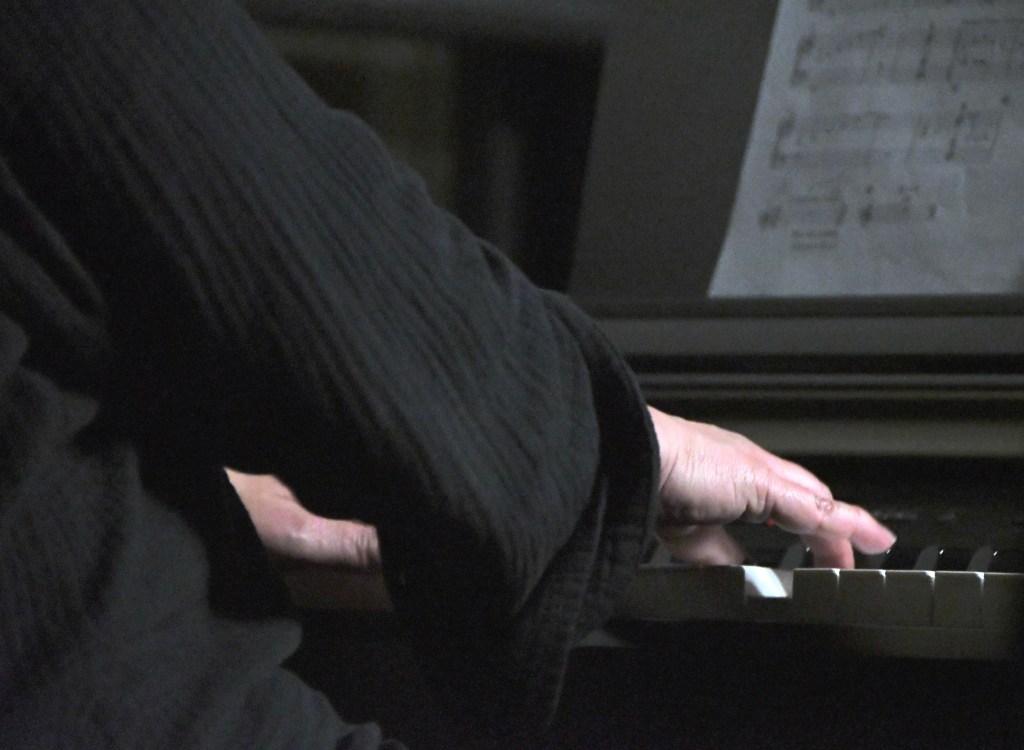
Above: Angelica Sanchez, left foreground, with Matt Bauder, bass clarinet; Jerome Harris, bass; Bobby Previte, drums; Wendy Eisenberg behind Bauder. Below, Sanchez’s hands
Still more continuity: Eisenberg hit the fuzz tone to jump-start “Range,” Bauder’s bass clarinet and Sanchez’s keys linked up as close as Eisenberg and Previte did next; as close as Bauder and Eisenberg did at the end. Late in this romp, Previte raised his stick high as his face before slamming the snare, smiling wide. Like a big wave it pushed strong, then subsided, sparse on a repeating riff.
“One more?” asked asked Previte to a big yes from the crowd. They started slow and somber, then built another series of duets, acoustic guitar alone at the start, then flute with brushed drums, keyboards with guitar.
“All about this band,” dynamic, and not even remotely retro, Previte’s Second Arrow evoked the sonic spirits of jazz giants; rockers, too: drummers Tony Williams and Clyde Stubblefield, bassists James Jamerson and Rocco Prestia, guitarists Andres Segovia and Jimi Hendrix, keyboardists Chick Corea and Oscar Peterson, reeds players Eric Dolphy, Archie Shepp and John Coltrane.
The Songs
Previte said his one-word song titles, all kinetic action verbs, made them easy to introduce