Preview: A Special Evening with Jon Batiste and the Philadelphia Orchestra Friday, Aug. 22
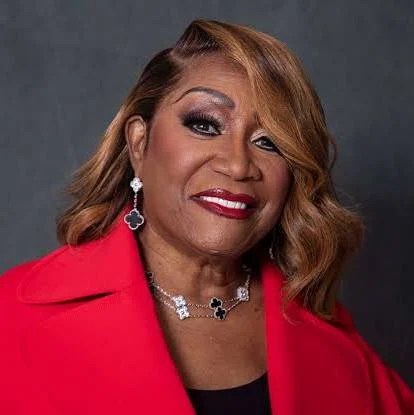
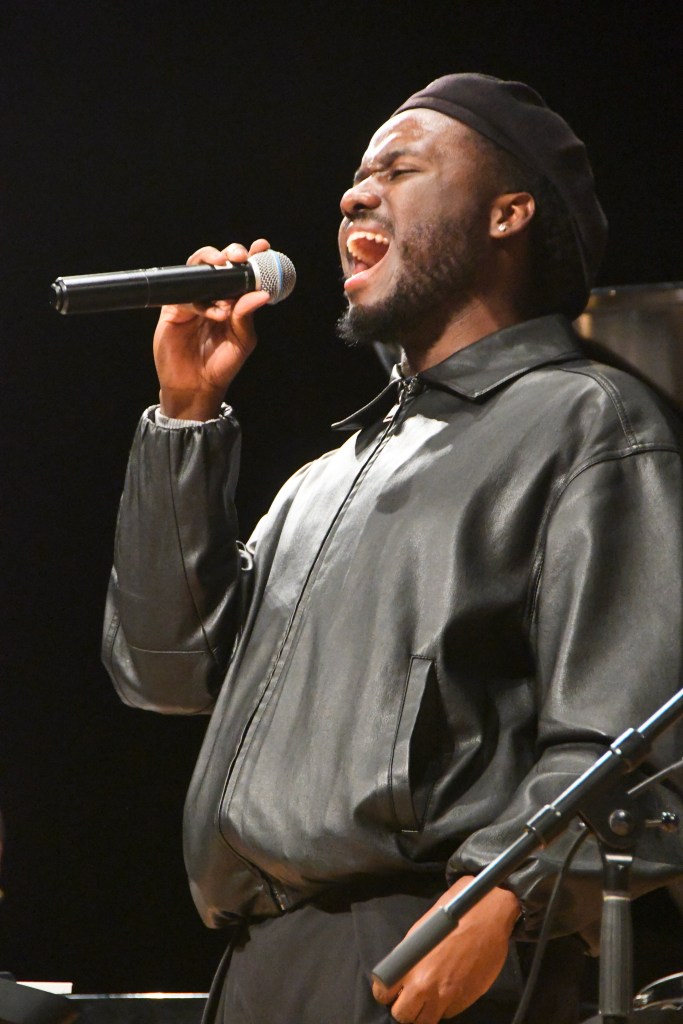
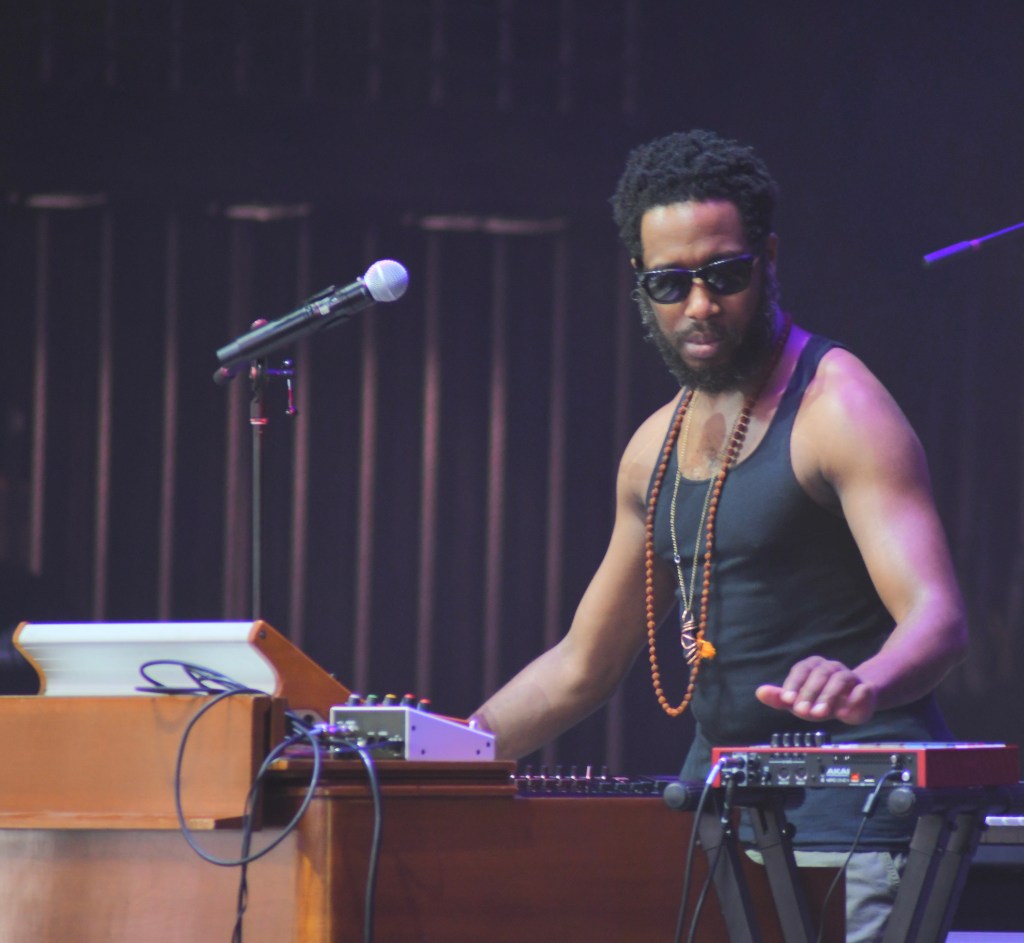
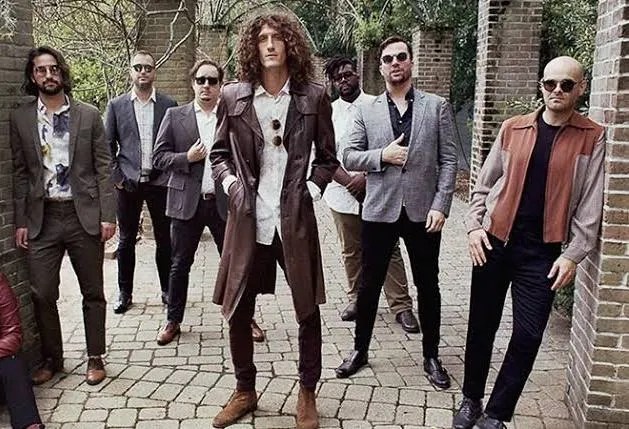
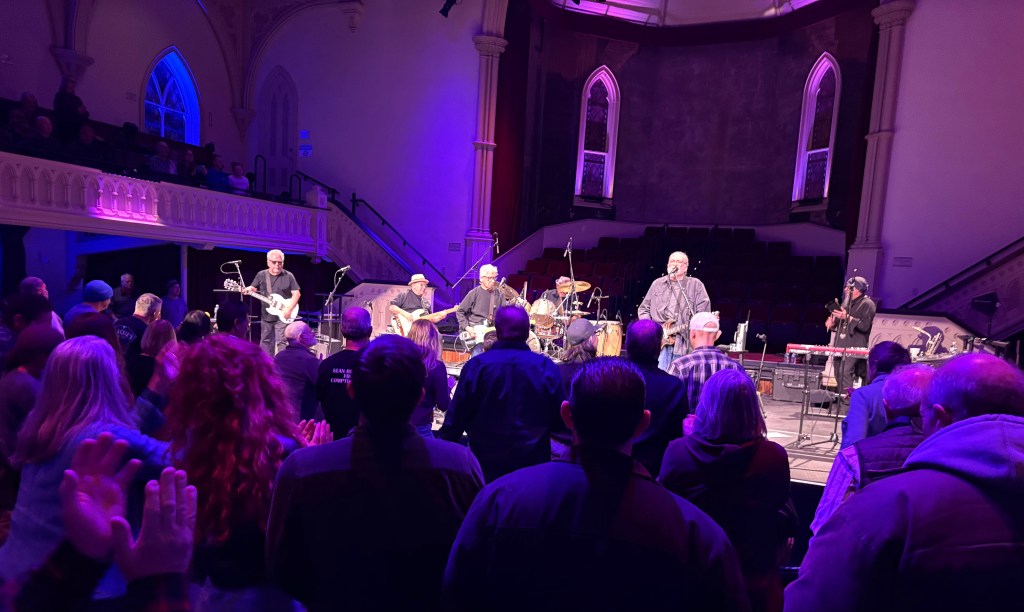
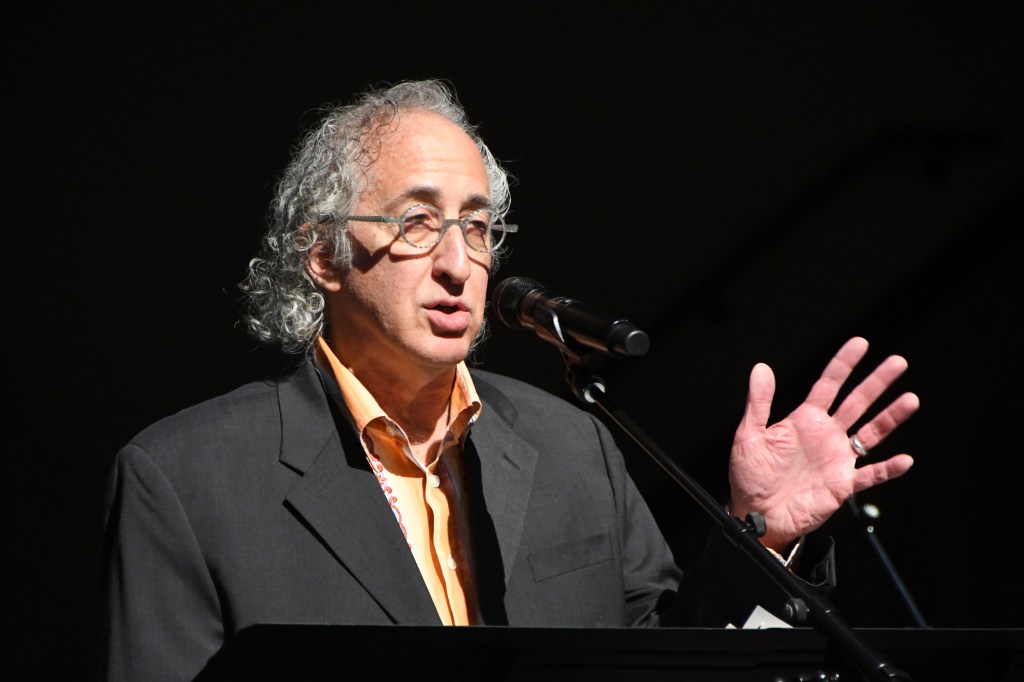
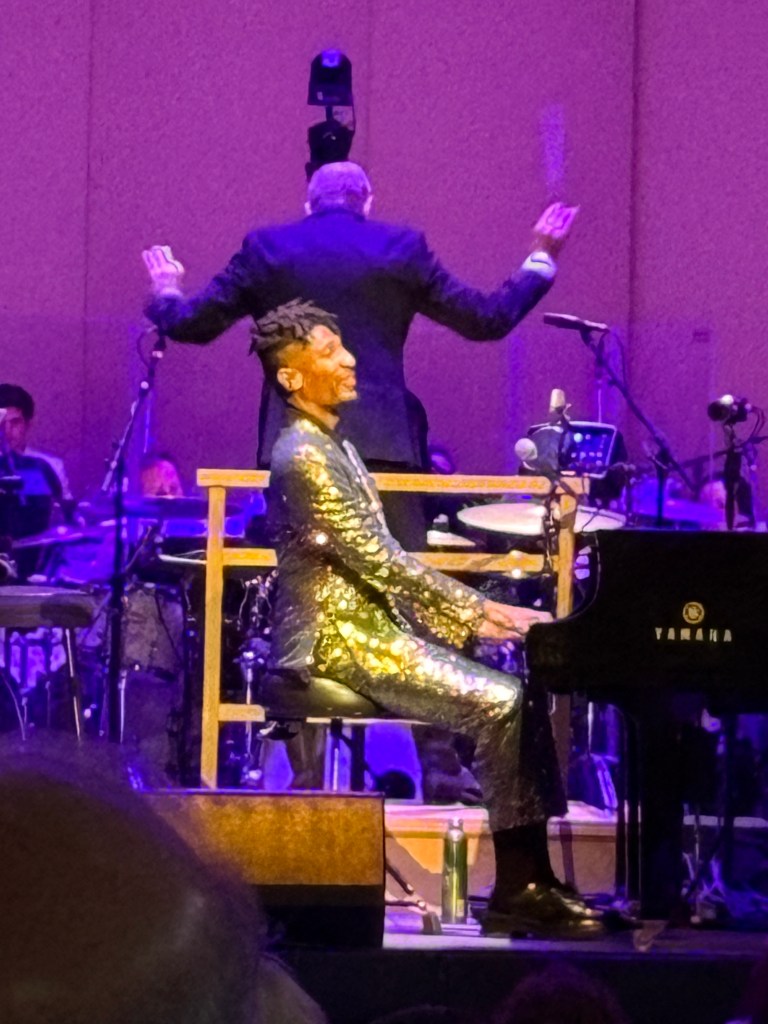
American music’s reigning renaissance man, Jon Batiste seems a natural to perform with the Philadelphia Orchestra Friday, Aug. 22. After all, his newest (and 8th) album puts a jazz spin on Beethoven in “Beethoven Blues (Batiste Piano Series Vol. 1).”
The pianist, guitarist, singer, composer and bandleader seems in firm but playful control of a boundless future. He sees no boundaries between past, present and what he’ll do next; or among musical styles – although he arguably personifies one rich tradition in particular.
Jon Batiste. Photo supplied
Batiste comes by his talent both genetically, as scion of a sprawling New Orleans musical family, and through tireless work.
Search “Batiste music” and a dozen relatives pop up including Batiste’s bassist father Michael who toured with Jackie Wilson and Isaac Hayes and united six brothers in the Batiste Brothers Band, and uncles including busy drummer Russell Jr. and composer arranger Harold who worked with Sam Cooke, Sonny and Cher, Dr. John and others.
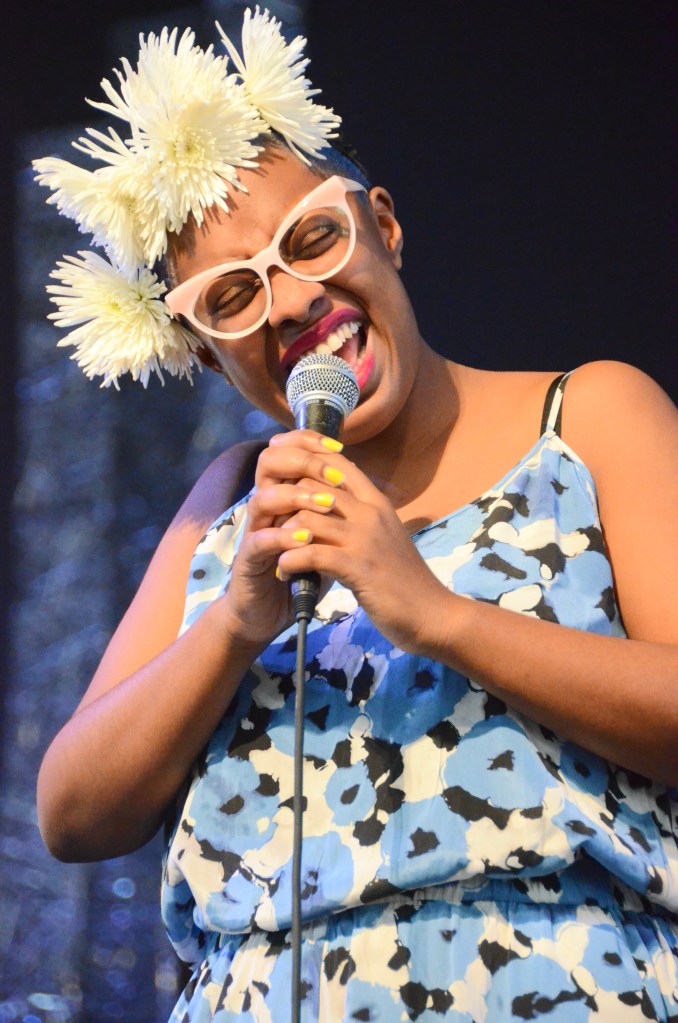
In high-speed, ambitious catch-up with his intrepid family, Batiste attended the Skidmore Jazz Institute where he met his future wife Suleika Jaouad. He next appeared here in Cassandra Wilson’s band at The Egg, the skinny Juilliard kid at the piano. He led the Dap-Kings at the former Freihofer’s Saratoga Jazz Festival in 2018, courageously and ably filling in for the irreplaceable Sharon Jones (RIP, 2016). When Covid shut down the festival, Batiste performed online in an indefatigable solo representation, full of gutsy hope.
Maybe best known as leader of Stephen Colbert’s Late Show Band from 2015 to 2022, he and Jaouad were the subject of the aptly titled “American Symphony.” They showed us both trouble, her bouts with cancer, and triumph: her recovery and Batiste’s debut performance of his first symphony. Candidly intimate, the documentary won an Oscar nomination.
Friends since their early teens, they became a couple when Batiste brought his band to play in her hospital room during cancer treatment; a moment she described in her journal as “when the saints came marching in.”
They’ve since done book tours together. After writing for the New York Times, Vogue, Glamour, NPR’s “All Things Considered” and Women’s Health, her memoir “Between Two Kingdoms” recounts her struggle with leukemia. Her second published work, “The Book of Alchemy: A Creative Practice for an Inspired Life,” extolls the sense of creative play that children enjoy but which only fortunate, focused artists carry into later creative life.
Living that life, Batiste has won seven Grammys (22 nominations) for his seven prior albums.
His eighth album will form the first set of his show when he returns to Saratoga Performing Arts Center on Friday, Aug. 22
First, he and his versatile band will perform new songs from his “Big Money” album; then he’ll play with the Philadelphia Orchestra. Who knows what music will flow from that stage?
Show time is 7:30 p.m. Information and tickets at http://www.spac.org. 518-584-9330
Review: The band Heard’s dance-y globe-spinning world-jazz went straight to the feet of fans who formed an impromptu chorus line at Jazz on Jay Thursday.
Felix Nelson showed the way, physically; but all seven Heard musicians made melodies and beats that organized the energy.
Felix Nelson, left, with fan-dancers
When keyboardist-leader Elizabeth Woodbury Kasius ironically asked “Who thinks this is jazz?” the answer was complicated. It was certainly jazz since everybody improvised. Saxophonist Laura Andrea Leguia and Kasius ran chord changes in small-combo jazz style, most straightforwardly in Frank Foster’s “Simone,” their only standard tune Thursday. But it was also West African, Brazilian, and South African with imported melodies and lyrics that got the same ingenious, energetic explorations as “Simone.”
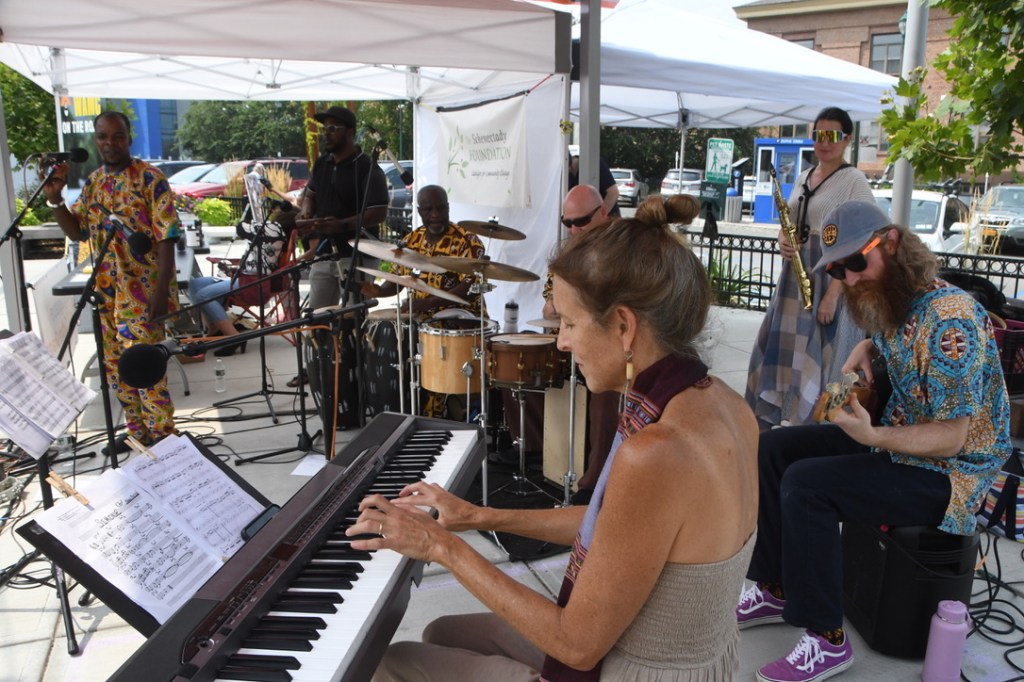
Heard, from left: Elizabeth Woodbury Kasius, keyboard, melodica and vocals; Felix Nelson, dancer, vocals and percussion; Laura Andrea Leguia, saxophones and vocals; Kweku Kwakye, percussion and vocals; Zorkie Nelson, percussion and vocals; Brian Melick, drums; Bobby Kendall, bass
Elizabeth Woodbury Kasius, keyboard foreground, with, from left: Felix Nelson, Kweku Kwakye, Brian Melick (behind Kasius), Laura Andrea Leguia and Bobby Kendall
Kasius later noted that every band is a rhythm section, and Heard proved that time and again, with Brian Melick, drum kit; Zorkie Nelson, mainly congas; Felix Nelson and Kweku Kwakye various shakers, and busy bassist Bobby Kendall.
Bobby Kendall
Kasius also said she’s learned over time to take Kendall’s advice on complex rhythms: Don’t count it out, just play it. This gave the music a happy sense of free expression; you know: jazz.
“Market Song” started as beats, a groove that surged strong from top to bottom – from a busy clatter of shakers and snare drum up high down to low electric bass runs. Over all that rhythm surfed a happy bustle of melody from Leguia’s soprano sax and Kasius’s melodica. Then Kasius shifted to keyboard and added her voice to those of Zorkie and Felix Nelson across the stage alongside guest percussionist-singer Kweku Kwakye, all three Ghanian born.
Laura Andrea Leguia
Zorkie Nelson, left; and Felix Nelson
Kasius announced they’d jam “fusion-y” in the slower “Flyway,” but she didn’t announce Felix would jump out front to dance, an energizing surprise. Leguia shifted to tenor saxophone in the Latin-y “O Feche” as Kasius spun the globe to quote California funk-band War’s “Low Rider” in her melodica solo.
“Simone” got a midsummer-mellow ride, a tribute to Kasius’s late saxophonist friend/mentor Claire Daly who played Jazz on Jay some seasons ago. Zorkie Nelson’s talking drum break added west African flavor.
In the upbeat Ghanian “Gota,” Felix jumped out front to dance; and this time had no trouble recruiting fellow dancers in a line. Or COURSE Steve Nover was up there.
Brian Melick
Citing Abdullah Ibrahim’s inspiring show at The Egg last year, Kasius introduced the South African pianist’s “Maraba Blue” with echoes of slow funk and fractured waltz time that all added up to a jaunty reggae-like groove.
Fela Kuti’s similarly propulsive “Opposite People” was all centrifugal force in repeating cycles of solo and groove, Leguia’s tenor just spectacular in this episodic flight.
Swirls of Montreal snow inspired “Cotes des Nieges,” and its easy-flowing groove came decorated in swirls of soprano sax and keyboard. A nice subtle touch: The beat started out subdued, almost subliminal, but then grew in fun force.
Equally lighthearted but with more assertive riffing, the Brazilian “Coco Na Roda” cast the rhythm as the star; Melick’s drum kit and Zorkie Nelson’s congas going places together. The beat ruled also in “Happy Place,” Kasius adopting a kalimba-like percussive attack rather than the more sustained notes and chords she used elsewhere. Leguia’s soprano sax solo sparkled especially bright here, inventive and flowing fine. Four-part harmonies carried the melody when Leguia wasn’t lighting it up or Kasius’s melodica re-inventing it. Felix Nelson lit it up, too, springing high, legs spread and touching his toes.
His father Zorkie’s tender mother’s tribute “Mama Bukom” closed in audience-participation unanimity, Kasius bringing the crowd into a clapping chorus as Leguia’s tenor sculpted the melody until all the instruments went quiet and only voices and clapping hands made happy sounds.
Peter Hughes of WAMC
Before Heard started, WAMC’s On the Road producer Peter Hughes told the crowd they (and the band) were being recorded for later broadcast in the PBS station’s new remote presentation program. This seemed a busy engineering job for Nathan Schied with a forest of microphones onstage among a music-store’s worth of percussion instruments.
WAMC Engineer Nathan Schied, forground; and bassist Bobby Kendall
Jazz on Jay continues Thursday, Aug. 14 with the blues-jazz trio the Evidence.
Heard Song List
They changed things up, versus the printed-out lists onstage; a good sign as it meant the band was tuned in to the audience and delivering what worked.
Market Song
Flyway
O Feche
Simone
Gota
Maraba Blue
Opposite People
Cotes des Neiges
Coco Na Roda
Happy Place
Mama Bukom
Kweku Kwakye, left; and Laura Andrea Leguia
Steve Nover, left; and Felix Nelson with fan-dancers
Elizabeth Woodbury Kasius foreground, joins the rhythm section
Thursday, Heard combines sounds, styles and ideas from Africa with jazz elements in a lively rhythmic stew. Three of six members hail from the local scene, three others from far away geographically – meeting in a sort of United Nations of sound.
Keyboardist-founder Elizabeth Woodbury Kasius, bassist Bobby Kendall and drummer Brian Melick are busy locals. Woodwinds player Laura Andrea Leguia played for 20 years with the Gabriel Alégria Afro Peruvian Sextet, drummer Zorkie Nelson played with Ghana’s Pan African Orchestra and now leads the area’s West African dance and percussion ensemble Gballoi; his daughter, dancer Augustina Nelson, is a member.
Heard – This photo shows, from left: bassist Bobby Kendall, keyboardist Elizabeth Woodbury Kasius, dancer/percussionist/singer Fosino Nelson, percussionist Brian Melick, drummer Zorkie Nelson and woodwinds player Laura Andrea Leguia. As noted below, Heard features occasional guest musicians. Photo supplied
Kasius’s globe-spinning musical journey began at 16 when a Lake George summer job paid for a new stereo system and the Weather Report CD “Sportin’ Life.” She says, “I wore that CD out and was blown away by the inventiveness of the compositions, improvising, players, band chemistry and grooves.”
After playing rock covers in a high school band, she studied with Brazilian pianist Jovino Santos Neto, trombonist Julian Priester and trumpet player Jim Knapp – at the University of Washington and Cornish College of the Arts, both in Seattle. “More recently, I learned so much from my close friend, baritone saxophone player Claire Daly,” says Kasius. “Very sadly, Claire recently passed. The Jazz on Jay audience may remember her show a few years back, with Michael Benedict and others.”
Returning here from the West Coast, Kasius founded the chamber jazz band Jupiter Circle; now, in addition to Heard, she also plays with another, Red Canna, plus Troy Samba.
Kendall plays with brother Mike Kendall in The Philosophy of Music, an innovative duo, while also collaborating in numerous jazz bands.
Melick may be best known for his work with the McKrells Irish folk-rock ensemble and Maria Zemantauski’s flamenco-jazz band, but also collaborates in all directions.
“Most of the members of this lineup have been together for 15-plus years – Bobby, Brian, Zorkie and I,” says Kasius. “Laura has been playing with us for coming up on three years, and Augustina has been dancing with us for 10 years.”
Heard has released two albums – Karibu (2010) and Flyway (2018) – and played in Ghana last year.
“We will be playing about 75-percent originals at our show,” says Kasius. They’ll also play traditional Ghanaian pieces led by Zorkie Nelson, a Fela Kuti song, and selections by Jovino Santos Neto.
Kasius says, “In addition to soloing, this band loves to vamp! We love intros and outros, too. Lots of improv happening here.”
The Heard lineup features occasional guest players including saxophonists Matt Steckler and Nate Giroux, guitarist George Muscatello and bassists Lou Smaldone and Rich Syracuse.
Jazz on Jay free concerts are noon to 1:30 p.m. at Jay Square, the new park space opposite Schenectady City Hall. The rain site is Robb Alley at Proctors, 432 State St. Seating is provided indoors at Robb Alley, but patrons are invited to bring their own seating and refreshments to Jay Square.
Jazz on Jay is presented by the ElectriCity Arts and Entertainment District and sponsored by the New York State Council on the Arts, a Schenectady County Legislature Arts & Culture Grant, Downtown Schenectady Improvement Corporation, The Schenectady Foundation, Price Chopper/Market 32, MVP Health Care, Schenectady County, Schenectady City Hall, and Proctors Collaborative. This blog is a series media sponsor.
Review: Music Haven’s Blues BBQ Presented Rick Estrin and the Nightcats, Selwyn Birchwood and Annie & the Hedonists Sunday
Three expert acts represented three blues eras Sunday at Music Haven.
Appropriately, the oldest came first in the skilled hands of Annie and the Hedonists presenting antiques from the 1910s onward. Half a generation younger, Selwyn Birchwood played almost all originals in the middle slot. Rick Estrin and the Nightcats closed, playing traditional 1950s and 60s style, both originals and classics by their inspirations.
With Annie Rosen’s human trumpet vocals up front, the Hedonists played mainly tunes by women artists, reaching back to 1917 for a Memphis Minnie chestnut, to 1924 for Clara Smith’s “Prescription for the Blues” and 1942 for Sister Rosetta Tharpe’s “Shout Sister Shout.”
Annie & The Hedonists – From leftL Don Young, bass; Jonny Rosen, guitar; Jerry Marotta, drums; Annie Rosen, vocals; Peter Davis, keyboards and clarinet
They changed up with the fervent gospel “When I Get Home” that grew from organ and harmonized voices into a church-y groove with Peter Davis’s organ solo. In the mellow shuffle “Shout Sister Shout” and “Prescription for the Blues” his clarinet solos hit melodic high points; otherwise, Jonny Rosen’s guitar carried the solo spots, tough and tasty. Mary Gauthier’s compassionate “Mercy Now” (2005) sounded as vintage as some of the vintage tunes sounded contemporary; but there was no doubt about their closer, “Bessie Smith’s “Cakewalking Babies from Home” – antique fire all the way.
Annie Rosen
No surprise that everything flowed in easy, confident grooves; Don Young’s bass linked beautifully with solid drumming of Jerry Marotta. The most famous player onstage Sunday, he’s supported Orleans, Peter Gabriel, Hall & Oates, Indigo Girls and many more and fit well with the Hedonists’ grooves.
Selwyn Birchwood, third from left, with Regi Oliver, baritone saxophone; Byron Garner, drums; Donald Wright, bass; and Mike Hensley, keyboards
Guitarist-singer-songwriter Birchwood relied on tradition some, but reshaped It to his own purposes. He sounded 60s with slashing chords, biting tones and single-note scrambles, but used vintage sounds to examine his life now. He stands right behind Gary Clark Jr. (electrifying at SPAC’s Saratoga Jazz Festival in June) and Christine “Kingfish” Ingram among younger blues stars.
Selwyn Birchwood
His desperate “Living in a Burning House” led smoothly into the antique invitation “Come On in My Kitchen,” one of few covers Sunday. He roamed the stage, and the audience, soloing as his band cooked: a quick-stepping tight crew of Regi Oliver’s low-down baritone sax, the righteous clatter of Donald Wright’s bass welded tight to Byron Gardner’s drums and Mike Hensley’s keys, mostly organ.
Birchwood works the crowd, IN the crowd
Birchwood stretched “Exorcist” (title track of his current album), offered consolation in “Soulmates Waiting” and tore up “All Hail the Algorithm” – what’s more blues than warning of AI’s dangers?
Well, maybe, the ferocious, funny and fun firestorm Rick Estrin and the Nightcats brought to the BBQ’s last, and longest, set. Four guys – singer-harmoni-cat Estrin, drummer and spark plug Derrick Martin, hyper-guitarist Chris “Kid” Andersen and keyboardist Lorenzo Farrell – sounded like five since Farrell played bass with his left hand, melodies and fills with his right.
It was bustling, busy and tight.
Rick Estrin, center, orange suit, with, from left: Kid Andersen, guitar; Derrick “D-Mar” Martin, drums; and Lorenzo Farrell, keyboards and keyboard bass
If the early stretch belonged to Estin, playing Little Walter/Chicago-style harmonica and growling lyrics of rage or resignation at love’s losses, the middle was all Martin. Maybe the most athletic drummer around, he blasted a beat of mighty muscle, more tempestuous than merely time-keeping. His sticks flew high, and so did he, springing off his stool in what looked like sheer glee. But I’m getting ahead of myself, because the guy was so electric, so entertaining.
Rick Estrin
So was Estrin, who took over the Nightcats when co-founder Little Charlie Baty retired.
Early on, Estrin sardonically urged a lover to take her high expectations for the relationship to “Somewhere Else,” setting a funny/fatalistic wises-ass mood most songs followed. He also promised, in a similar funky shuffle, “I’ll Never Do That No More;” a big wink in his voice belied his intent. Estrin also dug into the past to honor his main harmonica inspiration, Chicago blues giant Little Walter Horton in a fiery cascade of upbeat riffs.
Afterward, Estrin cautioned “You can’t learn this on YouTube,” punctuating with hip slams his injunction that learning the blues means understanding a feeling, and that “you gotta be old as hell.” Estrin is 75, and his next lyric began “When my life is ended and they have placed me in the ground.” However, his powerful vocal and shining solos by Andersen, Farrell and Estrin’s harmonica showed big signs of life.
Kid Andersen, left, and Derrick “D-Mar” Martin
Nonetheless, Estrin then left the stage to the three other Nightcats who burned it up, mainly in the happy fury that is Derrick “D-Mar” Martin. Touring with Little Richard for 17 years taught him that over the top may not be high enough. So he entertained at a breakneck intensity that would have been exhausting to watch if he hadn’t clearly been having so much fun himself.
He ran around the place, drumming on chair backs, fans’ water bottles, the microphone when he returned to the stage, then on Andersen’s guitar, playing “Voodoo Chile” by drumming on the strings.
These 20 minutes of adrenalized mayhem might have rendered Estrin’s return anti-climactic, but he took over with customary romantic fatalism in “Callin’ All Fools,” happily stretching its shuffle energy by noting “We’re just groovin’ now,” on the last night of their tour and didn’t want to stop.
A rambling encore of kaleidoscopic Andersen blues-rock guitar and Estrin’s good natured grumble about Slash (a non-bluesman, per Estrin ) knocked his (ironically titled) “The Hits Keep Coming” off the top of the blues charts felt arguably like a stretch too far, though.
Preview: Kaitlyn Fay Album Release at Van Dyck Music Club Friday, Aug. 1
While Kaitlyn Fay’s debut album “Curiosity” examined classic jazz tunes, she reaches further, as songwriter and co-producer, on “Cockeyed Optimist” – introduced Friday in a live show at the Van Dyck Music Club.
“I will be singing, and, for one tune, briefly, playing flute;” says Fay, “and I will be joined by Dave Gleason, keyboard, and Wyatt Ambrose, guitar;” they also play on the album.
Kaitlyn Fay sings at Schenectady PorchFest 2024. Michael Hochanadel photo
These lean trio arrangements suit her light, easy-flowing style well, creating a confidently warm intimacy that makes the album an engaging, cozy listen. She sings within the songs, but occasionally reaches past the melody to improvise in wordless passages of quiet grace; as in the album’s compelling original, “Worthy.” It all swings easy, low pressure.
“Since recording my first album of jazz standards in 2013, I have grown immensely as a vocalist and artist,” says Fay. “Listening back to ‘Curiosity,’ I hear a completely different singer.”
She attributes this growth as performer in part to the support of musical colleagues here. In addition to leading small groups as vocalist, she has also performed in others’ groups, notably as baritone saxophonist in Keith Pray’s Big Soul Ensemble. Pray co-produced “Cockeyed Optimist” at his 318 Studio in Rotterdam in April.
“A big part of what made this album possible is the support and trust I have found in the Capital Region jazz community,” says Fay. “Making music, especially singing, is such a personal and vulnerable process and experience.” She particularly credits co-producer Pray and her accompanists on the album – and at the Van Dyck Friday – Gleason and Ambrose as “prime examples of the many local jazz musicians who have helped me to feel more confident in my abilities and safe enough to take artistic risks.”
With that support, Fay has found “What has surprised me most, after recording this album, is that I now feel a distinct drive to write more original songs.”
She says, “The album contains three original songs, out of 14 tracks.” Both “The Love in Your Eyes” and “Old Time Revival Blues” are collaborations with Gleason, while she wrote both words and music on “Worthy.” She also wrote original lyrics for John Clayton, Jr.’s “3000 Miles to Go” and Horace Silver’s “Nica’s Dream.” She says, “Fun fact: I first debuted these original lyrics at Schenectady Porchfest 2024!”
At the Van Dyck Friday, she plans to sing all 14 tunes on the album, plus another that didn’t make it onto the recording.
Track List & Composer/Lyricist Credits
Cockeyed Optimist (Oscar Hammerstein II, Richard Rodgers)
Hurry, It’s Lovely Up Here (Burton Lane, Alan Jay Lerner)
I Like You, You’re Nice (Blossom Dearie, Mariah Blackwolf [aka Linda Alpert])
How About You? (Burton Lane, Ralph Freed)
This Can’t Be Love (Lorenz Hart, Richard Rodgers)
Every Time I’m With You (Harry Grant, Herb Wasserman, Woody Harris)
3000 Miles Ago (John Clayton Jr., Kaitlyn Fay)
Nica’s Dream (Horace Silver, Kaitlyn Fay)
I Thought About You (Jimmy Van Heusen, Johnny Mercer)
In the Wee Small Hours of the Morning (David Mann, Bob Hilliard)
Worthy (Kaitlyn Fay)
The Love in Your Eyes (David Gleason, Kaitlyn Fay)
Just In Time (Jule Styne, Betty Comden and Adolph Green)
Old Time Revival Blues (David Gleason, Kaitlyn Fay)
Kaitlyn Fay, vocals and flute; David Gleason, piano; Wyatt Ambrose, guitar. All three collaborated on arrangements.
Gleason also performs in the Art D’Echo Trio, Keith Pray’s Big Soul Ensemble and other groups while Ambrose leads the Killdeer Trio. Among many appearances, Art D’Echo Trio played Jazz on Jay this season, and the Killdeer Trio opened last season. Fay played Jazz on Jay in 2023.
“My purpose in recording this album was to mark this point in my life, my performance career, and my sound,” says Fay, “because I can now look back at where I started and see just how far I’ve come in my development.”
Preview: The Nicholas Dwarika Quartet at Jazz on Jay Thursday, July 31, 2025
Some members of the Nicholas Dwarika Quartet played Jazz on Jay in 2021 as the Center Square Jazz Collective when most were still in high school.
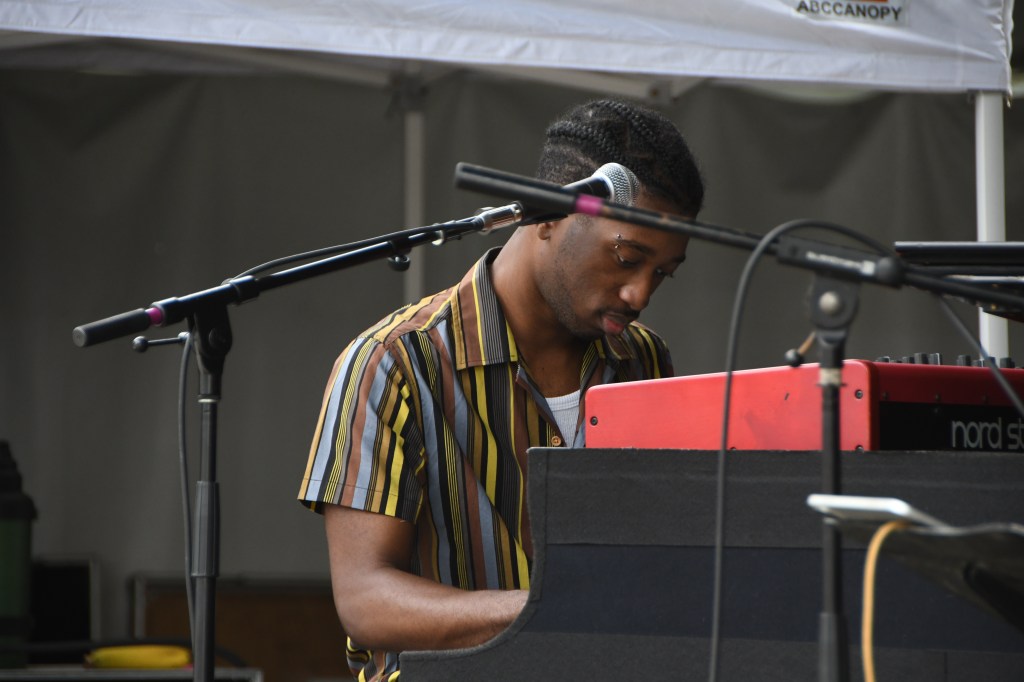
Thursday marks an encore of sorts for Dwarika, bass; Bohdan Kinal, saxophone; Dan Jantson, drums and Luke Coyne Connolly, piano. Since then, all have since gone on to play in Michael Benedict’s Jazz Vibes, Keith Pray’s Big Soul Ensemble, the WBC Big Band, the Tim Olsen Quartet, the Platters, the Bohdan Kinal Quartet, the Dan Jantson Quartet and others.
The Nicholas Dwarika Quartet. At top, Dwarika, left, and Jantson. At bottom, Kinal, left, and Connolly. Photo provided
They’ve also continued formal studies and now often play music of modernist young composers.
Inspired by Stevie Wonder and Johnny Hodges, Dwarika attended the College of St. Rose and the Crane School of Music and has studied with Mike Lawrence, John Geggie, Keith Pray, David Gleason, Dr. Michael Dudley Jr, and Dr. Jimmy Greene. After attending All Ears Jazz and the Skidmore Jazz Institute, he’s on the staff of each. “The SJI has been very impactful for me,” says Dwarika, citing lessons with Jimmy Greene, Todd Coolman, David Wong and Bill Cunliffe and noting he’ll soon begin a masters program at Western Connecticut State University.
Connolly started playing classical piano at five; John Nazarenko started him playing jazz at 16, and he studied with Michael Dudley, Jim Petercsak, and Judy Lewis at Crane. His musical inspirations include pianists Oscar Peterson and Ahmad Jamal, plus non-pianists Art Blakey, Roy Hargrove and Freddie Hubbard.
Son and brother of music teachers, Dan Jantson has studied with Chad Ploss, Jason Tiemann, Charles Goold and Johnathon Barber and now studies music production and technology at the Hartt School of the University of Hartford. Inspired by Herbie Hancock’s Headhunters, he became a hard-bop fan, with Art Blakey and Roy Haynes as major influences.
Bohdan Kinal’s first musical hero was Sonny Rollins, and he has learned both through peers Josh Klamka and Aidan Doyle and teachers including Brian Patneaude, Jim Corgliano and Gary Bartz, a current teacher at Oberlin Conservatory.
In an essential lesson, Kinal says Bartz told him, “If I listen to the notes closely enough, they will tell me where they want to go and want to be.” Bartz performed with his quartet at the Saratoga Jazz Festival presented by GE Vernova in late June, playing alto saxophone and singing. The Skidmore Jazz Institute Faculty Combo also played the same festival.
Gary Bartz at Saratoga Jazz Festival presented by GE Vernova. Michael Hochanadel photo
In Thursday’s encore/return engagement, the Nicholas Dwarika Quartet will play music by contemporary composers including Braxton Cook’s “Ooooo,” Brandee Younger’s “Reclamation” and pieces by Corto.alto (Liam Shortfall); plus works by more familiar artists: Kenny Wheeler’s “Kind Folk” and Bill Evans’s “Interplay.” They’ll also play original compositions by Kinal.
While Thursday marks the debut of this quartet line-up, Connolly says, “I’ve been playing with Nick for about three years starting in college, and I’ve played a few gigs with Dan and Bohdan.” He also plays in the indie folk band New American Cuisine.
“We generally approach standards straight on like most musicians, and add our twists and personal experiences throughout the music,” Dwarika says. “We try our best to learn the tunes from the recordings we like by ear. We practice the standards harmonically while having our improvisation be more melodic.”
“There’s is quite a lot of room for improvising in the band,” Dwarika explains. “We say as long as you do it confidently, having fun, and keep the tradition true, you have free rein.”
Jazz on Jay free concerts are noon to 1:30 p.m. at Jay Square, the new park space opposite Schenectady City Hall. The rain site is Robb Alley at Proctors, 432 State St. Seating is provided indoors at Robb Alley, but patrons are invited to bring their own seating and refreshments to Jay Square.
Jazz on Jay is presented by the ElectriCity Arts and Entertainment District and sponsored by the New York State Council on the Arts, a Schenectady County Legislature Arts & Culture Grant, Downtown Schenectady Improvement Corporation, The Schenectady Foundation, Price Chopper/Market 32, MVP Health Care, Schenectady County, Schenectady City Hall, and Proctors Collaborative. This blog is a series media sponsor.
Jazz on Jay continues Thursday, Aug. 7 with Heard.
Review: Solas, and Matt and Shannon Heaton at Music Haven, Sunday, July 27, 2025
“It’s the melodies,” said Paddy Maloney of the Chieftains when I asked him once why Irish music is so compelling.
He’d know, right?
Solas surely does. The polished Irish- and American-born quintet made melodies at Music Haven Sunday – at jazz-band speed or in mournful melancholy, emotionally charging songs of longing and belonging, of battered underdog spirit and hard-won triumph. In other words, you know, virtuoso-class Irish music.
Solas, from left: John Williams, accordion; Winifred Horan, fiddle; Seamus Egan and Nuala Kennedy, both playing flute here; and Alan Murray, guitar
They celebrated their 30-year history, which includes a decades-ago show in Music Haven impresario Mona Golub’s former Washington Park series. She was as delighted to bring them back in their second prime after a nearly decade-long hiatus as at the weather improving to allow the show to happen outdoors in the park under a cloudless sky.
Solas’s look-back shaped the elegiac mood of some slower vintage tunes but didn’t bog down the lively ones. And they built up to a moral crescendo of working-folk anthemic calls to arms; also without going over-preachy. They launched this message-powered late run by recalling when “No Irish Need Apply” barriers blocked Irish immigrant ambitions, mostly. Except, as a linked song cycle noted, in Butte, Montana where Irish miners invited kin out west by advising, “Don’t even bother stopping in America!”
Powered by angry-sympathetic tunes of Peggy Seeger and Woody Guthrie – “Songs of Choice” and “Pastures of Plenty,” respectively (and respectfully) – this advocacy section sounded more American then the rest of the show. Egan reminded us we’re all immigrants, an essential national truth nativists now deny and fight in a losing battle. He also made with the blarney to charming effect, noting the lucky salt-and-pepper shaker bandmate Nuala Kennedy brought from home in County Clare just last Thursday to set comfortingly at her feet.
Seamus Egan
Nuala Kennedy
Before this, airs, reels and jigs – some decades or centuries old – revved dance-tune energy or sank elegantly into despond. After the instrumentals “Wiggly” (it’s so marked on the set list, see below, but is likely “Nil ‘Na La”) from their first (1997) album, a zippy set that launched from “The Newly Highwayman,” then “Yellow Tinker,” clear-voiced alto Nuala Kennedy sang the poignant “Aliliu” in Gaelic, proving again that slow Irish songs mourn loss as sweetly/sadly as the blues.
Center stage was leader Seamus Egan, playing guitar, banjo, flute or whistles, flanked by fiddler Winifred Horan and accordionist John Williams to his right and singer, flute and whistle player Nuala Kennedy and guitarist Alan Murray to his left. Apart from the propulsive melodic energy of the tunes and songs themselves, Egan and Kennedy kept things fresh by changing instruments, sometimes within a song, and by pairing into duos whose chemistry pumped the energy.
John Williams
Winifred Horan
The instrumentals wielded thrilling musical power, mostly melodic; though “The Wind That Shakes the Barley” accelerated from an energetic beat to an exciting stop-and-go cadence.
Lyrics in later songs took on persuasive moral power Kennedy wielded effortlessly. “Barley” (also title of a film of insurrection) commemorated the 1798 Wexford rebellion and a string of songs on Irish miners in Montana including “Tell God and the Devil” and “Am I Born to Die?” linked to the labor movement.
If “Sunday’s Waltz” offered respite from message music, the late pairing of Peggy Seeger’s “Song of Choice” and Woody Guthrie’s “Pastures of Plenty” returned to it with a vengeance. Strong, spunky instrumentals brought back the antique dance-party mood of the earlier reels, jigs and airs.
Egan was the musical and creative center, though Horan’s fiddle or Williams’s accordion sparked many instrumental breaks. Kennedy’s voice delivered the lyrics with plainspoken authority and her flute and whistles linked tight with Egan’s. Guitarist Alan Murray strummed in stalwart support, never soloing but singing in the same background mode as his playing. He maybe worked hardest of all: When he took off his guitar at the end, a guitar-shaped sweat shadow marked his chest.
Alan Murray
A bit of translation here: “solas” means “light” in Gaelic, and they shone a very bright one Sunday.
Matt (right) and Shannon Heaton
Bostonian life-and-music partners Matt and Shannon Heaton enjoyed what Shannon called their appetizer role as openers, so the audience did, too. Matt played guitar and bouzouki and sang while Shannon sang and played flute and whistles in both traditional and original songs rich in Irish melodies and folkie charm. Shannon said music without words are tunes and music with words are songs. Impressive in both, they, too, played with skill and fire. “Golden Castle Hornpipe” built to a happy whirl, for example; and they sang message material lamenting colonization and tyranny, looking back at events and feelings of timeless power, as in “The Gallant Hussar.”
The only dancers Sunday were four wonderfully wild children who ran, skipped and grinned around the seats and a young Black man in a Weezy T-shirt who step-danced his way into the audience’s affections. Charmed by his high-gusto moves and high-altitude feet, they applauded when he finished, so he danced an encore to hearty claps – an only-at-Music-Haven moment. That older guy who wears a kilt to any even remotely Celtic music was there; as was WAMC’s Peter Hughes, recording the show for a future On the Road broadcast.
Preview: Linda Brown Jazz Project at Jazz on Jay; Thursday, July 24
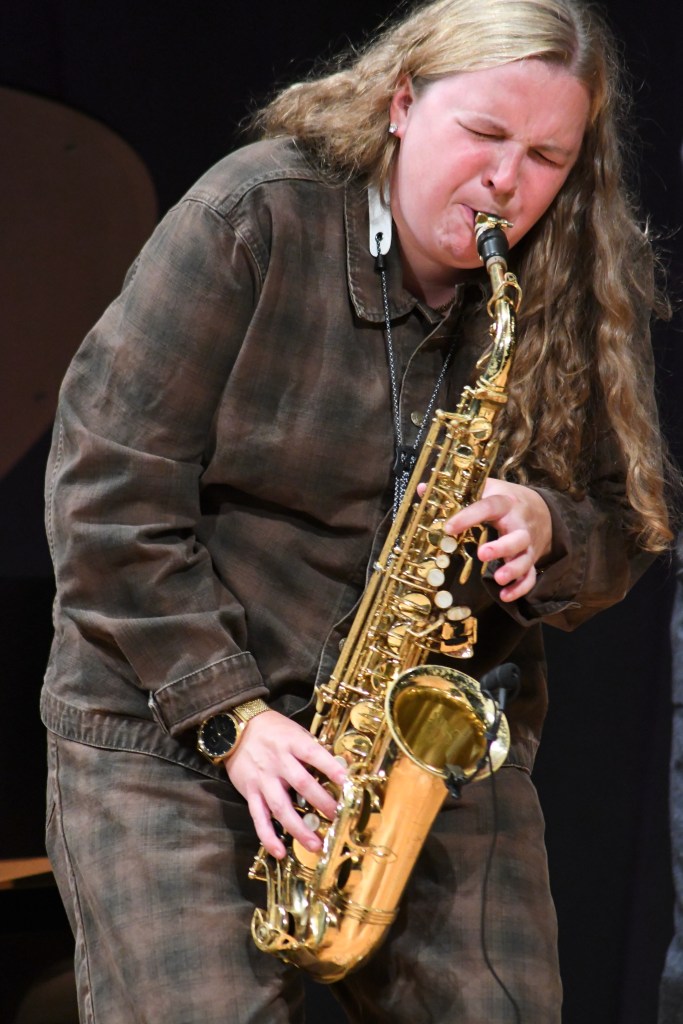
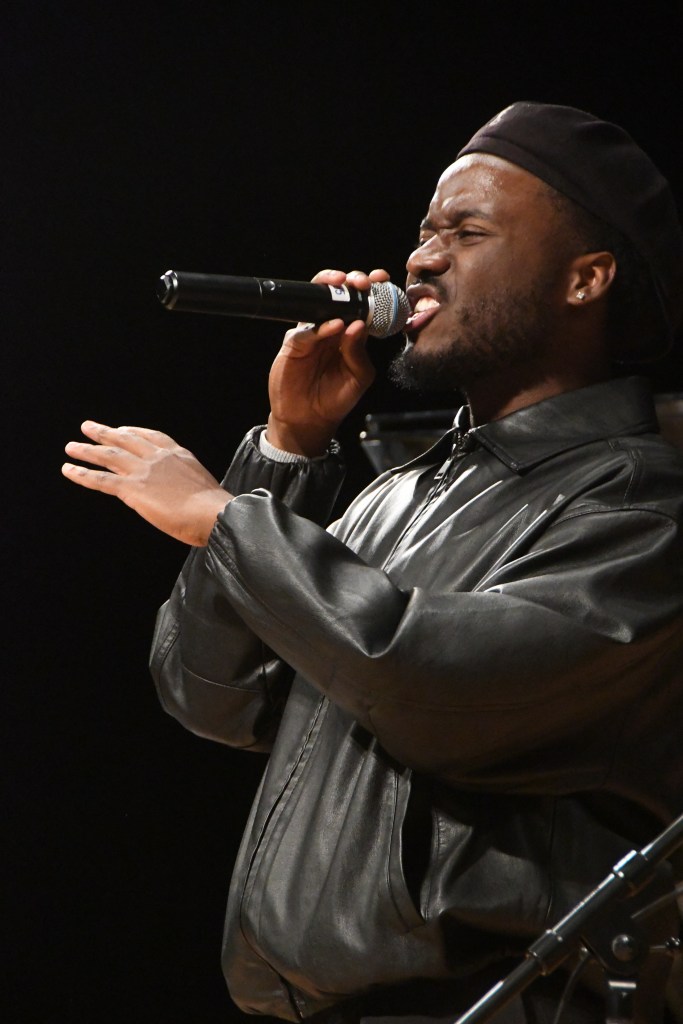
Thursday at Jazz on Jay, the Linda Brown Jazz Project features longtime leaders among jazz women: bassist-leader Linda Ellen Brown, pianist Peg Delaney and vocalist Jody Shayne; plus trumpeter/flugelhorn player Steve Horowitz and drummer Andy Hearn.
Linda Ellen Brown. Photo supplied
Brown and Shayne appeared on Jackie Alper’s WRPI “Mostly Folk” show in a “Women in Jazz” feature; a format they continued at Justin’s Sunday Brunch, Troy Savings Bank Music Hall’s Noon Series and others. Both also played in the jazz band Airwaves, opening for Dizzy Gillespie and playing Proctors televised fundraiser that saved the theater. Once driving home from an Airwaves gig, Brown heard Jim Wilke feature them on NPR’s national “Jazz After Hours” program on her car radio.
Brown studied jazz guitar with Jack Fragomeni; improvisation with Nick Brignola and Leo Russo; electric bass with JB Dyas; double bass with Mike Wicks, Steve LaSpina and Rich Syracuse. She earned a B.S. in Arts Management from Russell Sage College and a Master’s in Public Administration from UAlbany and serves on the board of A Place for Jazz.
Jody Shayne. Photo supplied
The Shayne, Delaney and Brown trio, core of the Linda Brown Jazz Project, played together for years. When the Rensselaerville Institute commissioned Delaney to form a group of local women jazz players, she recruited Brown; and when the Albany Public Library asked Delaney to form a “Gals Who Play Jazz” ensemble, she again turned to Brown. Both revere saxophonist Nick Brignola; Delaney has published transcriptions of Brignola solos while Brown noted the late saxophonist as a prime inspiration, along with Brignola’s guitarist Jack Fragomeni who, she says, “inspired me to play jazz.” She previously studied piano, woodwinds and guitar; her first live bass gig was with Fragomeni and others in The Music Guild in 1974.
Brown formed her Linda Brown Jazz Project when Borders Books & Music invited her to form a band for its grand opening and weekly jazz performances, featuring Delaney, Shayne and others. In addition to leading her own band, Brown played on Michael Benedict’s “The New Beat” album (2006).
Peg Delaney. Photo supplied
Composer, player and leader Delaney has twice received the New York State Council for The Arts: Meet the Composer Grant, was semifinalist in Musician magazine’s Best Unsigned Band Competition and taught music at Skidmore College. She performs solo and leads bands large and small.
Berklee graduate Shayne sang with New York jazz stars including Archie Shepp, notably his “Things Have Got To Change” album, plus projects with Sheila Jordan, Beaver Harris, Roswell Rudd and Jimmy Garrison. She’s also released the albums “Love Is A Garden” (1998) and “Firefly Rides” (2015).
Steve Horowitz at Jazz on Jay. Michael Hochanadel photo
Trumpeter and flugelhorn player Steve Horowitz played Jazz on Jay in June, and also plays with the gypsy-jazz bands Gadjo and Helderberg Hot Club.
Andy Hearn. Photo supplied
Drummer Andy Hearn trained at the Crane School of Music and at first specialized in musical theater before broadening his musical horizons to play with many jazz, R&B and blues artists. He has opened shows for King’s X, NRBQ, Southside Johnny and the Asbury Jukes; and he teaches at Lisha Kill Middle School.
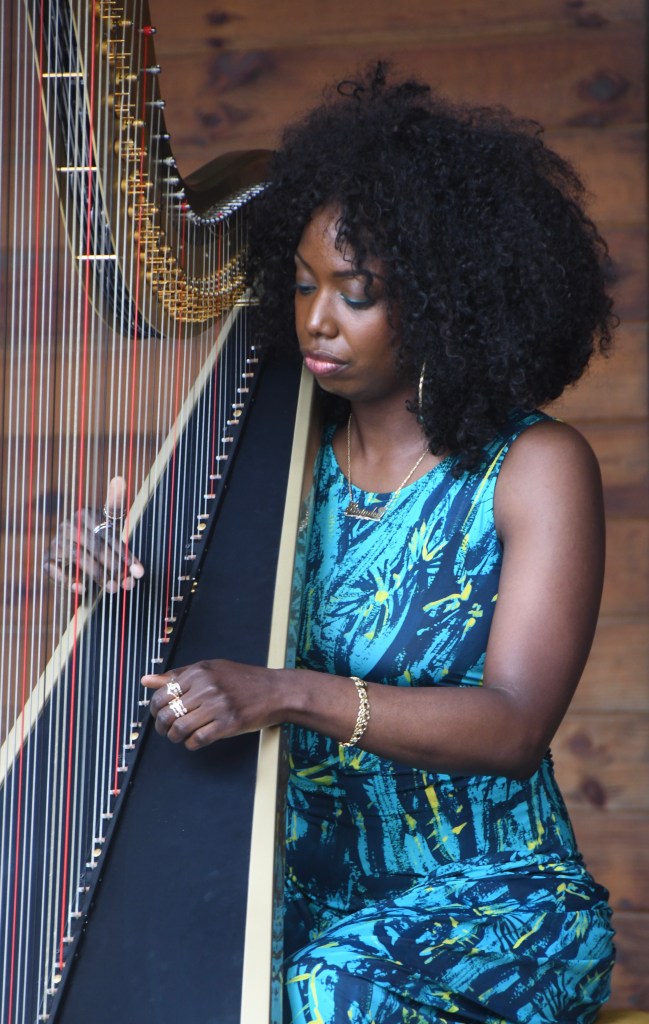
Thursday, the Linda Brown Jazz Project will play originals by Delaney and Shayne, including “Wanderlust,” “Lullabye for Jessica,” and “Melontime (The Familiar Face).” On standards including “Here’s to Life” and “I Thought About You,” Brown says they’ll “pay homage to the tune and then deconstruct and re-assemble it in a way that fits the moment.”
Brown’s future gigs include a trio show at the Albany Institute of History and Art Aug. 13; with the Yolanda Bush Cool Water Collective at Schenectady PorchFest 2025 Sept. 20 and at the Van Dyck Music Club November 15.
Jazz on Jay free concerts are noon to 1:30 p.m. at Jay Square, the new park space opposite Schenectady City Hall. The rain site is Robb Alley at Proctors, 432 State St. Seating is provided indoors at Robb Alley, but patrons are invited to bring their own seating and refreshments to Jay Square.
Jazz on Jay is presented by the ElectriCity Arts and Entertainment District and sponsored by the New York State Council on the Arts, a Schenectady County Legislature Arts & Culture Grant, Downtown Schenectady Improvement Corporation, The Schenectady Foundation, Price Chopper/Market 32, MVP Health Care, Schenectady County, Schenectady City Hall, and Proctors Collaborative. This blog is a series media sponsor.
Jazz on Jay continues July 31 with the Nicholas Dwarika Quartet.
The Art D’Echo Trio has enough credits for several trios.
They also play in Michael Benedict’s Jazz Vibes and the Latin jazz group Sensemaya. They host “It’s a Jazzy Christmas” at Proctors around the holidays, and support visiting stars such as New Orleans clarinetist Evan Christopher.
The Art D’Echo Trio is the main thing for – from left: bassist Mike Lawrence, pianist David Gleason and drummer Pete Sweeney. Photo supplied
“The trio is inspired by the great jazz piano trios like Oscar Peterson, Bill Evans and Keith Jarrett,” says bassist Lawrence. He met Gleason in the 1990s in the Empire State Youth Orchestra directed by Paul Evoskovich, then Sweeney in the Joey Thomas Big Band in the early 2000s. “All three of us played one summer with the Joey Thomas Big Band,” says Lawrence, “so more than 20 years (together).”
All three played in rock bands before turning to jazz.
Of the three, only Lawrence comes from a music-making family. His mother plays and formerly taught piano and his father plays guitar, while his drummer brother took him often to the Van Dyck to see great artists play there, starting in the late 90s and early 2000s.
Among Gleason’s first gigs was a duo with bassist Lou Smaldone at Mother Earth’s Cafe in 1995. Lawrence played in “EZ Blues” in high school, opening for George Boone once at a Northeast Blues Society gig that Society President Don Wilcock arranged at Best Western Hotel in Troy. Before that, Lawrence’s middle school band played Nirvana and Hendrix at a school dance. As a middle school teacher, he gets to relive that school cafeteria vibe by running a lunch period guitar club.
Asked about his first gigs tickled Sweeney’s funny bone. “My first gig was Dick Spass and the Coachmen at Charities when I was 16,” says the drummer. “I had to wear the band suit that was way too (deleted) large. When I complained, Dick said, ‘You know what they say in Poland? Tough Shitski!’ That was 1981.”
Gleason studied with Lee Shaw; Lawrence studied with Tom Weaver (Smokehouse Prophets) in high school, Rich Syracuse at the College of St. Rose and Luke Baker in the Albany Symphony); Sweeney studied with Joe Morello (the Dave Brubeck Quartet) and Dave Calarco.
All three have extensive formal training and distinguished player credits; all three teach.
Gleason studied music education at the Crane School of Music, earned an M.A. from Tufts University in ethnomusicology and composition and has researched Puerto Rican and Cuban music. He’s played with RumbaNaMa, The Boston Latin Band, Either/Orchestra, Bopitude, The Big Soul Ensemble, and The Empire Jazz Orchestra; and with stars including Lee Konitz, Laurel Masse, Fred Wesley, Gary Smulyan, Danilo Perez, Rufus Reid, Antonio Hart and John Fedchock. His Latin jazz band Sensemayá recorded two albums “Shake It!” (2010) and La Madrugada Habanera/Havana Before Dawn (2011). He has taught in Schenectady public schools, SUNY Schenectady, and Rensselaer Polytechnic Institute.
Lawrence has a BA from the College of St. Rose and an M.A. from Boston University; both in Music Education. Playing credits include the Gary McFarland Legacy Ensemble alongside Joe Locke, Sharel Cassity, Bruce Barth and Michael Benedict including the album “Circulation: The Music of Gary McFarland” (a 2015 NPR Best Jazz Albums pick); also with Gary Smulyan, Harry Allen, Paul Meyers, Dick Oatts, Steve Nelson, Gene Bertoncini, Claire Daly, Bruce Johnstone, Richard Lanham, Mark Vinci, Jerry Weldon, Ray Vega, Wycliffe Gordon, Blue Lou Marini, Sonny Turner’s Platters, Bobby Rydell, Tas Cru, the Charlie Smith Blues Band and others. He also teaches in Schenectady City Schools.
Sweeney teaches at Union College, Bard College at Simon’s Rock, Berkshire Music School, the Troy Music Academy and the Crown of the Continent Guitar Foundation, and has written more than 20 instructional books. He has played with Pat Metheny, Larry Coryell, Lee Ritenour, John Abercrombie, Robben Ford, Andy Summers (The Police), Ronnie Earl, Duke Robillard, Ed Mann (Frank Zappa), Frank Gambale, Lorne Lofsky, “Dangerous” Dan Toler, Johnny “Clyde” Copeland, Mick Goodrick, Steve Bailey and more.
The Art D’Echo Trio plays “a fair amount of originals and classic jazz tunes,” says Lawrence, “…originals are usually a little less than half.” They freely rearrange standards and will likely play Gleason’s Oscar Peterson tribute “Oh, Please,” Benny Golson’s “Whisper Not” and Pat Metheny’s “James.”
The Art D’Echo Trio, from left: drummer Pete Sweeney, bassist Mike Lawrence and pianist David Gleason. Photo supplied
“We sometimes go off on an improvisatory tangent and see where it takes things,” says Lawrence, noting they’ve just released their debut album; self-titled and 20 years in the making. “We recently released our album after a couple of studio sessions at Scott Petito’s NRS studio spread over the past couple of years,” says Lawrence. “It features a range of things that the trio does including some great original compositions by Dave Gleason.”
The Art D’Echo Trio also plays the Galway Jazz Festival July 20.
Jazz on Jay continues July 24th with the Linda Brown Jazz Project.
Jazz on Jay free concerts are noon to 1:30 p.m. at Jay Square, the new park space opposite Schenectady City Hall. The rain site is Robb Alley at Proctors, 432 State St., Schenectady. Seating is provided indoors at Robb Alley, but patrons are invited to bring their own seating and refreshments to Jay Square.
Jazz on Jay is presented by the ElectriCity Arts and Entertainment District and sponsored by the New York State Council on the Arts, a Schenectady County Legislature Arts & Culture Grant, Downtown Schenectady Improvement Corporation, The Schenectady Foundation, Price Chopper/Market 32, MVP Health Care, Schenectady County, Schenectady City Hall, and Proctors Collaborative. This blog is a series media sponsor.
I’ll make it easier: What band can steamroll international borders to induce unanimous dancing anywhere?
Fine: I’ll pin it down further:
Who can inspire Sikhs in turbans, Muslim girls in hijabs, friends I know to be Rastafarian, Jewish or agnostic – in short, as Boz Scaggs sang: “Every Kinda people” – to all dance to “Hava Nagilah” together?
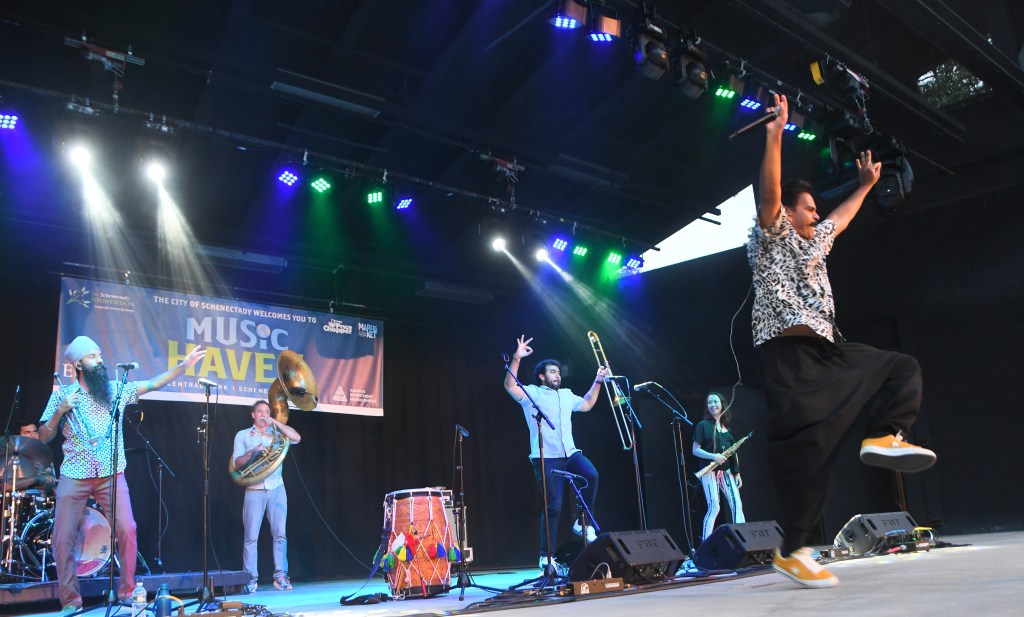
Just one band I know of: Red Baraat from everywhere via Brooklyn; a perfect choice to delight “every kinda people” in the 35th Music Haven season-opening show Sunday in Schenectady’s Central Park – ten years to the night after they debuted here on the same stage.
Red Baraat – From left, Jonathan Goldberger, guitar; Sonny Singh, trumpet; Varun Das (obscured), drums; Sunny Jain, bandleader and dhol; John Altieri, Sousaphone; Jasim Perales, trombone; Alison Shearer, soprano saxophone
All that brass – three pounds for a trumpet, five for a trombone, 30 to 35 for a Sousaphone and just over two for a soprano saxophone – looked great; all shone brightly but the somewhat oxidized Sousaphone. Way more important: the exuberant, globe-spinning sounds they made, along with a drumset, electric guitar and dhol, a two-headed drum that founder-leader Sunny Jain wore horizontally across his torso and hit from both ends with different-shaped sticks, making different sounds.
The whole thing was different.
Alison Shearer
When Alison Shearer lit up a soprano sax solo, she conjured Sidney Bechet leading a Mardi Gras parade in Istanbul. She aimed another solo at the hijab-wearing girls bopping down front, all smiles, exchanging finger-heart hand-signs. A Sousaphone player marching in uniformed formation at a football game seems ordinary enough, but the extraordinary John Altieri ran around the stage, fast, but not missing a note. Guitarist Jonathan Goldberger could hold his own in a Delta blues dive; and fit hand-in-glove, harmonizing with Shearer, Jasim Perales’s trombone or Sonny Singh’s trumpet. Drummer Varun Das somehow managed to put beats under every note up front, where Jain rapped a bit and Singh sang some.
When Sing took the mic to proclaim, “I landed here from Punjab,” he underlined how this stuff could only happen here, by coming to us from other places.
Jain introduced their opener “Horizon” as Punjabi soul, and somehow the roof stayed put over the stage as beats and riffs erupted underneath and everybody got up and moved. The energy intensified in “Chaal, Baby.” A few songs later, Jain hosted a dance contest, inviting up three contestants he’d spotted in the audience. Others surged onstage to participate, one or two at a time as the seething band blasted big funk behind them.
Sunny Jain
Impeccable musical carpentry built big structures from short riffs, like soul bands. Solos, especially by saxophonist Shearer and guitarist Goldberger, flew the coop for distant planets. When everybody surged together in Sun Ra-style anarchic jazz, they slow-cooked like vindaloo or spiced WAY hot, a busy clatter of audio curry. Songs had form, force or subtlety, at any tempo.
Sunny Jain, left, and John Altieri
While Sousaphonist Altieri’s hyper-active bass lines mostly ran hot, he laid a menacing slow drone under a later tune. As things revved staccato, Jain called for and got what he wanted, folks to stand, chant, hands way up. Periodically he called out “Schenec-“ and the crowd yelled back “TADY!” through laughs.
Jonathan Goldberger
Jasim Perales
Varun Das
The dance energy slowed a bit in the middle as things turned briefly more intellectual and some fans sat; but they built big again for an encore-earning fun finish.
Opener Quadrature exploded from the same Brooklyn ethno-sonic stewpot as Red Baraat. Their name suggests a math problem or medical condition, but they entertained with zippy music and arch humor. They anchored one foot in south Asia as the other danced the hokey pokey around the rest of the globe; thrilling playing and fun shtick.
Neel Murgai
Introducing the cosmic fusion “Black Hole Blues,” sitarist Neel Murgai asked, “Any astrophysicists in the house?” In Schenectady, of course there were some; but even non-Ph.Ds could follow his explanation of how music stretches and compresses time. They managed that easily in a romp with 70s fusion force, recalling John McLaughlin’s similarly cross-cultural Shakti, but with no guitar in sight. Like a bluesman pumping the crowd, Murgai asked, “Can I play my sitar?” Yes.
Indofunk Satish
While a morning raga-based jam followed traditional alap-and-tal structure, at times they sounded like (60s British blues-rock giants) Cream, a caffeinated Ravi Shankar sitting in. Indofunk Satish mutated his slide-and-valve trumpet sound with effects pedals while bassist Damon Banks and drummer Tripp Dudley somehow made the bristling rhythmic bustle of complex time tunes in seven or 13 feel fine fun.
Damon Banks
Tripp Dudley
Red Baraat Set List, Courtesy of a kind fan from Scotia