New Music from Singer Kaitlyn Fay: Bravely Sparse, Quietly Strong

Preview: Kaitlyn Fay Album Release at Van Dyck Music Club Friday, Aug. 1

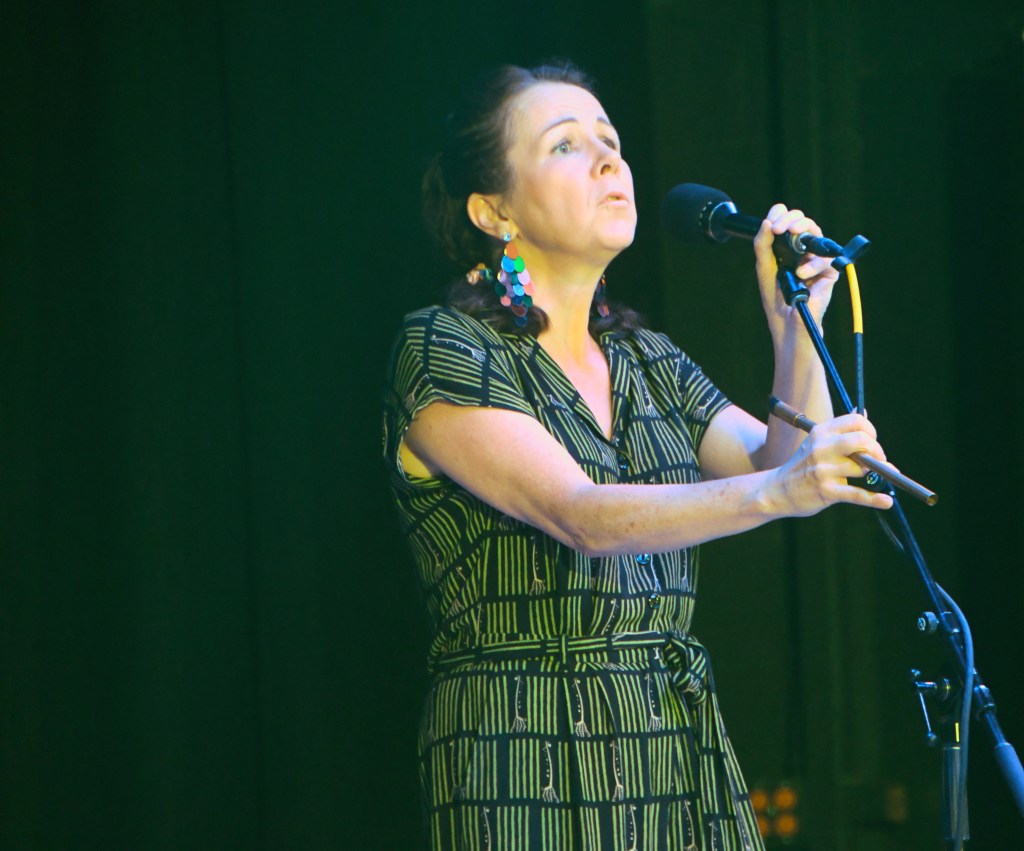
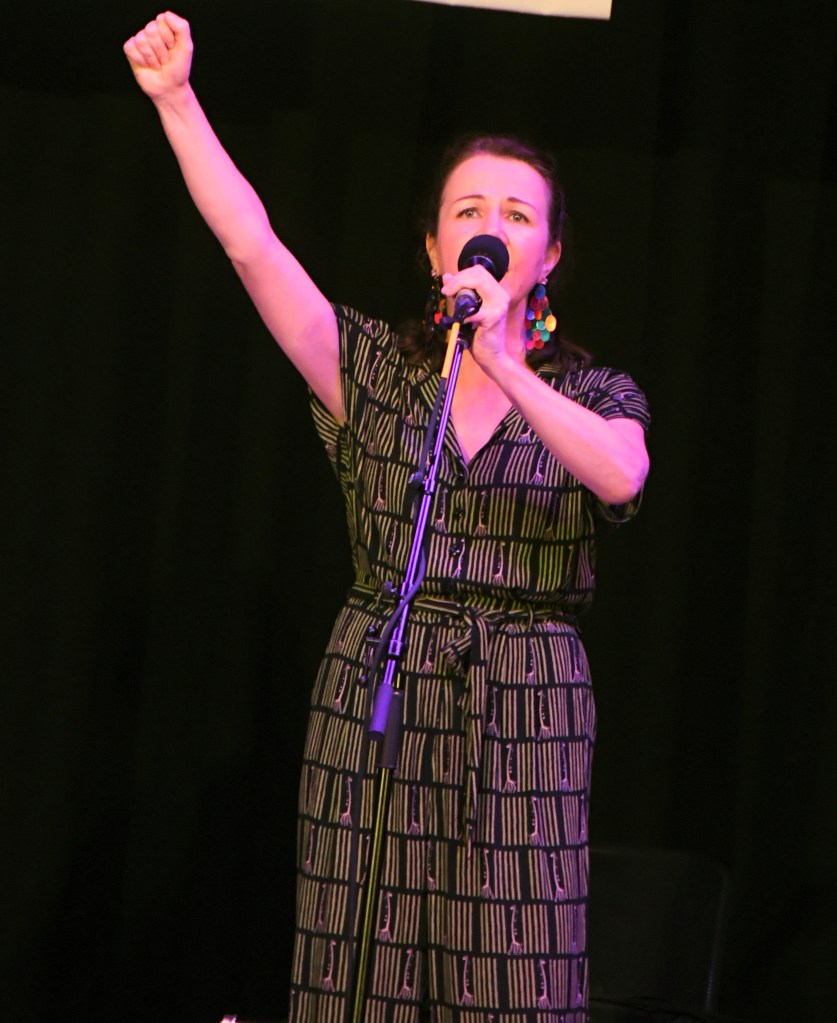
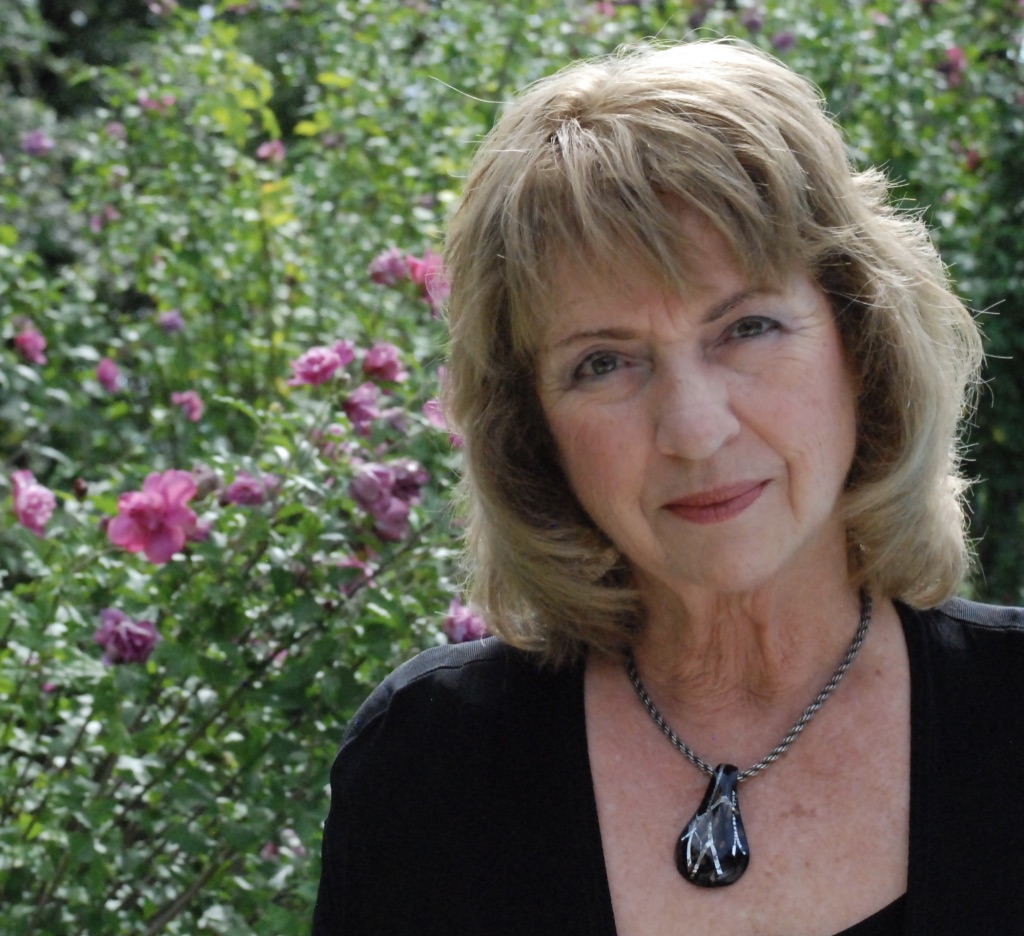
While Kaitlyn Fay’s debut album “Curiosity” examined classic jazz tunes, she reaches further, as songwriter and co-producer, on “Cockeyed Optimist” – introduced Friday in a live show at the Van Dyck Music Club.

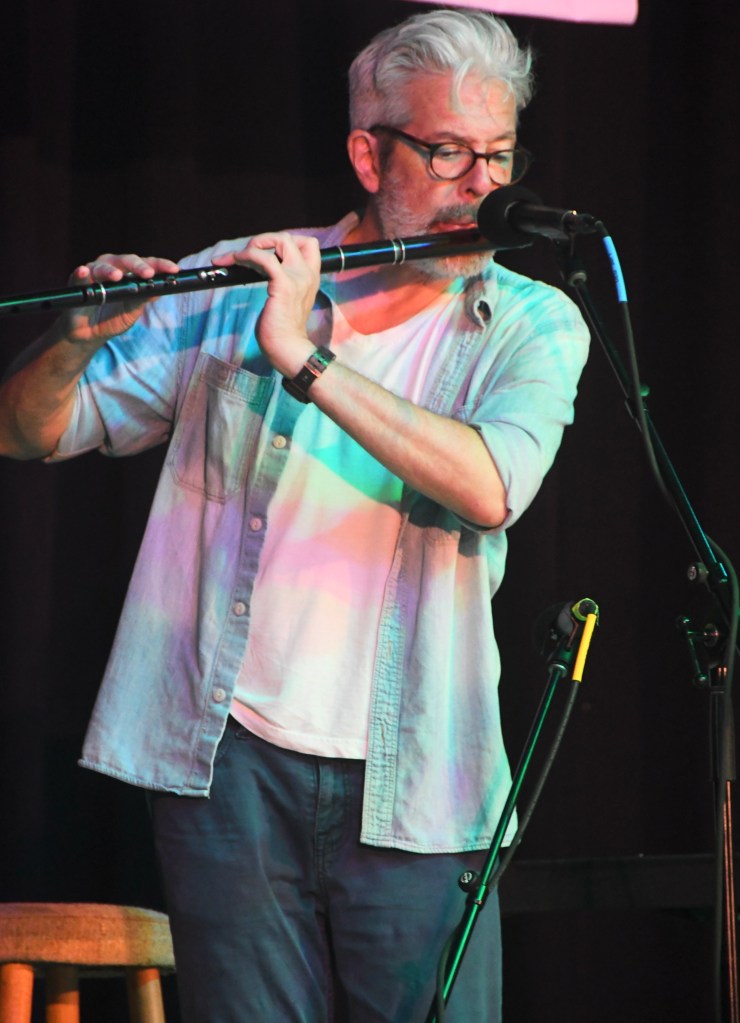
“I will be singing, and, for one tune, briefly, playing flute;” says Fay, “and I will be joined by Dave Gleason, keyboard, and Wyatt Ambrose, guitar;” they also play on the album. 

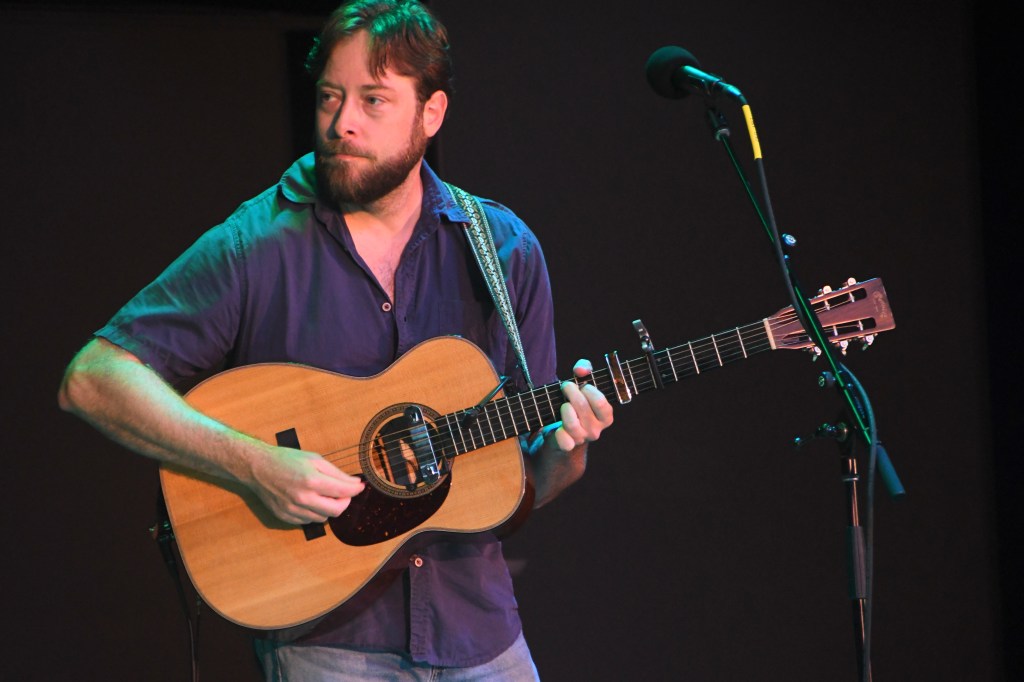
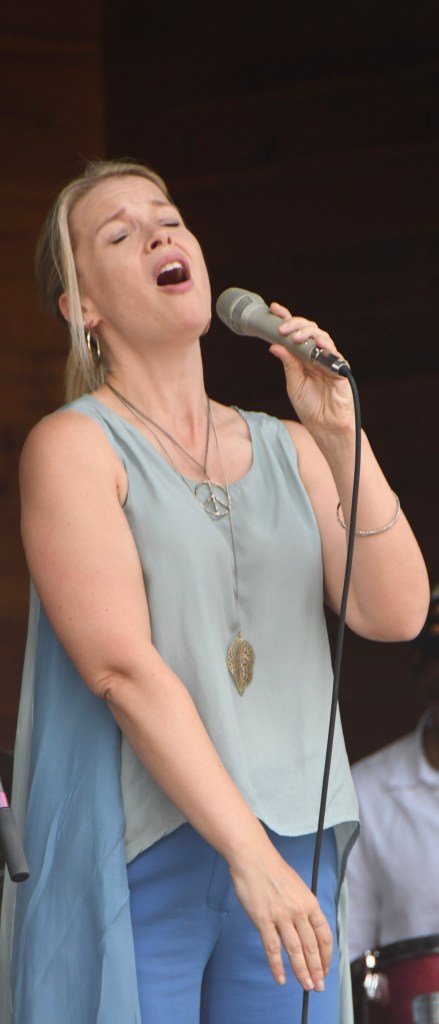
Kaitlyn Fay sings at Schenectady PorchFest 2024. Michael Hochanadel photo

These lean trio arrangements suit her light, easy-flowing style well, creating a confidently warm intimacy that makes the album an engaging, cozy listen. She sings within the songs, but occasionally reaches past the melody to improvise in wordless passages of quiet grace; as in the album’s compelling original, “Worthy.” It all swings easy, low pressure.

“Since recording my first album of jazz standards in 2013, I have grown immensely as a vocalist and artist,” says Fay. “Listening back to ‘Curiosity,’ I hear a completely different singer.”

She attributes this growth as performer in part to the support of musical colleagues here. In addition to leading small groups as vocalist, she has also performed in others’ groups, notably as baritone saxophonist in Keith Pray’s Big Soul Ensemble. Pray co-produced “Cockeyed Optimist” at his 318 Studio in Rotterdam in April.

“A big part of what made this album possible is the support and trust I have found in the Capital Region jazz community,” says Fay. “Making music, especially singing, is such a personal and vulnerable process and experience.” She particularly credits co-producer Pray and her accompanists on the album – and at the Van Dyck Friday – Gleason and Ambrose as “prime examples of the many local jazz musicians who have helped me to feel more confident in my abilities and safe enough to take artistic risks.”

With that support, Fay has found “What has surprised me most, after recording this album, is that I now feel a distinct drive to write more original songs.” 

She says, “The album contains three original songs, out of 14 tracks.” Both “The Love in Your Eyes” and “Old Time Revival Blues” are collaborations with Gleason, while she wrote both words and music on “Worthy.” She also wrote original lyrics for John Clayton, Jr.’s “3000 Miles to Go” and Horace Silver’s “Nica’s Dream.” She says, “Fun fact: I first debuted these original lyrics at Schenectady Porchfest 2024!”

At the Van Dyck Friday, she plans to sing all 14 tunes on the album, plus another that didn’t make it onto the recording.

Track List & Composer/Lyricist Credits 

  1. Cockeyed Optimist (Oscar Hammerstein II, Richard Rodgers) 
  2. Hurry, It’s Lovely Up Here (Burton Lane, Alan Jay Lerner) 
  3. I Like You, You’re Nice (Blossom Dearie, Mariah Blackwolf [aka Linda Alpert]) 
  4. How About You? (Burton Lane, Ralph Freed) 
  5. This Can’t Be Love (Lorenz Hart, Richard Rodgers) 
  6. Every Time I’m With You (Harry Grant, Herb Wasserman, Woody Harris) 
  7. 3000 Miles Ago (John Clayton Jr., Kaitlyn Fay) 
  8. Nica’s Dream (Horace Silver, Kaitlyn Fay) 
  9. I Thought About You (Jimmy Van Heusen, Johnny Mercer) 
  10. In the Wee Small Hours of the Morning (David Mann, Bob Hilliard) 
  11. Worthy (Kaitlyn Fay) 
  12. The Love in Your Eyes (David Gleason, Kaitlyn Fay) 
  13. Just In Time (Jule Styne, Betty Comden and Adolph Green) 
  14. Old Time Revival Blues (David Gleason, Kaitlyn Fay) 

Kaitlyn Fay, vocals and flute; David Gleason, piano; Wyatt Ambrose, guitar. All three collaborated on arrangements.

Gleason also performs in the Art D’Echo Trio, Keith Pray’s Big Soul Ensemble and other groups while Ambrose leads the Killdeer Trio. Among many appearances, Art D’Echo Trio played Jazz on Jay this season, and the Killdeer Trio opened last season. Fay played Jazz on Jay in 2023.

“My purpose in recording this album was to mark this point in my life, my performance career, and my sound,” says Fay, “because I can now look back at where I started and see just how far I’ve come in my development.”

Showtime 7:30 p.m. Tickets $10 advance, $15 door. 

Encore! Encore!

Preview: The Nicholas Dwarika Quartet at Jazz on Jay Thursday, July 31, 2025

Some members of the Nicholas Dwarika Quartet played Jazz on Jay in 2021 as the Center Square Jazz Collective when most were still in high school.

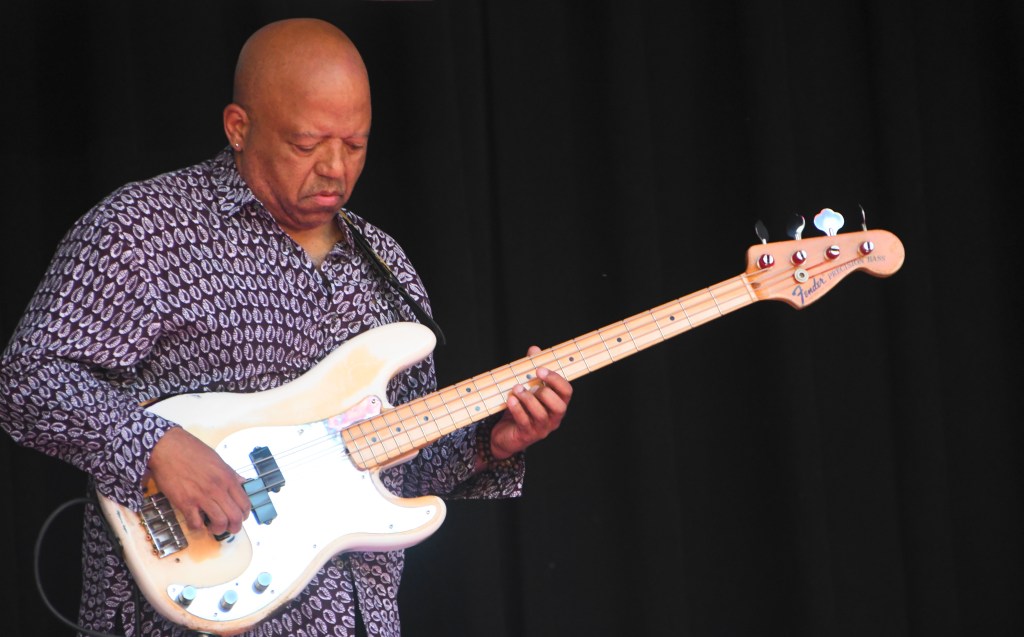
Thursday marks an encore of sorts for Dwarika, bass; Bohdan Kinal, saxophone; Dan Jantson, drums and Luke Coyne Connolly, piano. Since then, all have since gone on to play in Michael Benedict’s Jazz Vibes, Keith Pray’s Big Soul Ensemble, the WBC Big Band, the Tim Olsen Quartet, the Platters, the Bohdan Kinal Quartet, the Dan Jantson Quartet and others.

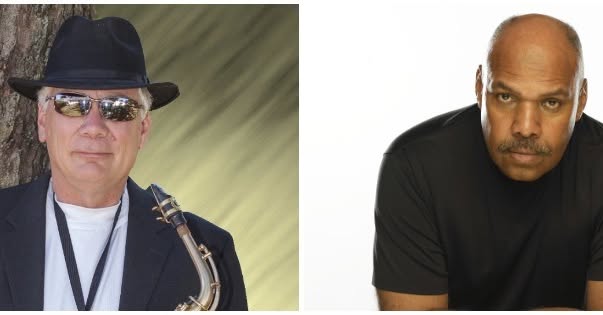
The Nicholas Dwarika Quartet. At top, Dwarika, left, and Jantson. At bottom, Kinal, left, and Connolly. Photo provided

They’ve also continued formal studies and now often play music of modernist young composers.

Inspired by Stevie Wonder and Johnny Hodges, Dwarika attended the College of St. Rose and the Crane School of Music and has studied with Mike Lawrence, John Geggie, Keith Pray, David Gleason, Dr. Michael Dudley Jr, and Dr. Jimmy Greene. After attending All Ears Jazz and the Skidmore Jazz Institute, he’s on the staff of each. “The SJI has been very impactful for me,” says Dwarika, citing lessons with Jimmy Greene, Todd Coolman, David Wong and Bill Cunliffe and noting he’ll soon begin a masters program at Western Connecticut State University.

Connolly started playing classical piano at five; John Nazarenko started him playing jazz at 16, and he studied with Michael Dudley, Jim Petercsak, and Judy Lewis at Crane. His musical inspirations include pianists Oscar Peterson and Ahmad Jamal, plus non-pianists Art Blakey, Roy Hargrove and Freddie Hubbard. 

Son and brother of music teachers, Dan Jantson has studied with Chad Ploss, Jason Tiemann, Charles Goold and Johnathon Barber and now studies music production and technology at the Hartt School of the University of Hartford. Inspired by Herbie Hancock’s Headhunters, he became a hard-bop fan, with Art Blakey and Roy Haynes as major influences.

Bohdan Kinal’s first musical hero was Sonny Rollins, and he has learned both through peers Josh Klamka and Aidan Doyle and teachers including Brian Patneaude, Jim Corgliano and Gary Bartz, a current teacher at Oberlin Conservatory. 

In an essential lesson, Kinal says Bartz told him, “If I listen to the notes closely enough, they will tell me where they want to go and want to be.” Bartz performed with his quartet at the Saratoga Jazz Festival presented by GE Vernova in late June, playing alto saxophone and singing. The Skidmore Jazz Institute Faculty Combo also played the same festival.

Gary Bartz at Saratoga Jazz Festival presented by GE Vernova. Michael Hochanadel photo

In Thursday’s encore/return engagement, the Nicholas Dwarika Quartet will play music by contemporary composers including Braxton Cook’s “Ooooo,” Brandee Younger’s “Reclamation” and pieces by Corto.alto (Liam Shortfall); plus works by more familiar artists: Kenny Wheeler’s “Kind Folk” and Bill Evans’s “Interplay.” They’ll also play original compositions by Kinal.

While Thursday marks the debut of this quartet line-up, Connolly says, “I’ve been playing with Nick for about three years starting in college, and I’ve played a few gigs with Dan and Bohdan.” He also plays in the indie folk band New American Cuisine.

“We generally approach standards straight on like most musicians, and add our twists and personal experiences throughout the music,” Dwarika says. “We try our best to learn the tunes from the recordings we like by ear. We practice the standards harmonically while having our improvisation be more melodic.”

“There’s is quite a lot of room for improvising in the band,” Dwarika explains. “We say as long as you do it confidently, having fun, and keep the tradition true, you have free rein.”

Jazz on Jay free concerts are noon to 1:30 p.m. at Jay Square, the new park space opposite Schenectady City Hall. The rain site is Robb Alley at Proctors, 432 State St. Seating is provided indoors at Robb Alley, but patrons are invited to bring their own seating and refreshments to Jay Square.

Jazz on Jay is presented by the ElectriCity Arts and Entertainment District and sponsored by the New York State Council on the Arts, a Schenectady County Legislature Arts & Culture Grant, Downtown Schenectady Improvement Corporation, The Schenectady Foundation, Price Chopper/Market 32, MVP Health Care, Schenectady County, Schenectady City Hall, and Proctors Collaborative. This blog is a series media sponsor.

Jazz on Jay continues Thursday, Aug. 7 with Heard.

Solas Shines Their Light on Irish Music at Music Haven

Review: Solas, and Matt and Shannon Heaton at Music Haven, Sunday, July 27, 2025

“It’s the melodies,” said Paddy Maloney of the Chieftains when I asked him once why Irish music is so compelling. 

He’d know, right?

Solas surely does. The polished Irish- and American-born quintet made melodies at Music Haven Sunday – at jazz-band speed or in mournful melancholy, emotionally charging songs of longing and belonging, of battered underdog spirit and hard-won triumph. In other words, you know, virtuoso-class Irish music.

Solas, from left: John Williams, accordion; Winifred Horan, fiddle; Seamus Egan and Nuala Kennedy, both playing flute here; and Alan Murray, guitar

They celebrated their 30-year history, which includes a decades-ago show in Music Haven impresario Mona Golub’s former Washington Park series. She was as delighted to bring them back in their second prime after a nearly decade-long hiatus as at the weather improving to allow the show to happen outdoors in the park under a cloudless sky.

Solas’s look-back shaped the elegiac mood of some slower vintage tunes but didn’t bog down the lively ones. And they built up to a moral crescendo of working-folk anthemic calls to arms; also without going over-preachy. They launched this message-powered late run by recalling when “No Irish Need Apply” barriers blocked Irish immigrant ambitions, mostly. Except, as a linked song cycle noted, in Butte, Montana where Irish miners invited kin out west by advising, “Don’t even bother stopping in America!”

Powered by angry-sympathetic tunes of Peggy Seeger and Woody Guthrie – “Songs of Choice” and “Pastures of Plenty,” respectively (and respectfully) – this advocacy section sounded more American then the rest of the show. Egan reminded us we’re all immigrants, an essential national truth nativists now deny and fight in a losing battle. He also made with the blarney to charming effect, noting the lucky salt-and-pepper shaker bandmate Nuala Kennedy brought from home in County Clare just last Thursday to set comfortingly at her feet.

Seamus Egan

Nuala Kennedy

Before this, airs, reels and jigs – some decades or centuries old – revved dance-tune energy or sank elegantly into despond. After the instrumentals “Wiggly” (it’s so marked on the set list, see below, but is likely “Nil ‘Na La”) from their first (1997) album, a zippy set that launched from “The Newly Highwayman,” then “Yellow Tinker,” clear-voiced alto Nuala Kennedy sang the poignant “Aliliu” in Gaelic, proving again that slow Irish songs mourn loss as sweetly/sadly as the blues.  

Center stage was leader Seamus Egan, playing guitar, banjo, flute or whistles, flanked by fiddler Winifred Horan and accordionist John Williams to his right and singer, flute and whistle player Nuala Kennedy and guitarist Alan Murray to his left. Apart from the propulsive melodic energy of the tunes and songs themselves, Egan and Kennedy kept things fresh by changing instruments, sometimes within a song, and by pairing into duos whose chemistry pumped the energy.

John Williams

Winifred Horan

The instrumentals wielded thrilling musical power, mostly melodic; though “The Wind That Shakes the Barley” accelerated from an energetic beat to an exciting stop-and-go cadence. 

Lyrics in later songs took on persuasive moral power Kennedy wielded effortlessly. “Barley” (also title of a film of insurrection) commemorated the 1798 Wexford rebellion and a string of songs on Irish miners in Montana including “Tell God and the Devil” and “Am I Born to Die?” linked to the labor movement.

If “Sunday’s Waltz” offered respite from message music, the late pairing of Peggy Seeger’s “Song of Choice” and Woody Guthrie’s “Pastures of Plenty” returned to it with a vengeance. Strong, spunky instrumentals brought back the antique dance-party mood of the earlier reels, jigs and airs.

Egan was the musical and creative center, though Horan’s fiddle or Williams’s accordion sparked many instrumental breaks. Kennedy’s voice delivered the lyrics with plainspoken authority and her flute and whistles linked tight with Egan’s. Guitarist Alan Murray strummed in stalwart support, never soloing but singing in the same background mode as his playing. He maybe worked hardest of all: When he took off his guitar at the end, a guitar-shaped sweat shadow marked his chest.

Alan Murray

A bit of translation here: “solas” means “light” in Gaelic, and they shone a very bright one Sunday.

Matt (right) and Shannon Heaton

Bostonian life-and-music partners Matt and Shannon Heaton enjoyed what Shannon called their appetizer role as openers, so the audience did, too. Matt played guitar and bouzouki and sang while Shannon sang and played flute and whistles in both traditional and original songs rich in Irish melodies and folkie charm. Shannon said music without words are tunes and music with words are songs. Impressive in both, they, too, played with skill and fire. “Golden Castle Hornpipe” built to a happy whirl, for example; and they sang message material lamenting colonization and tyranny, looking back at events and feelings of timeless power, as in “The Gallant Hussar.” 

The only dancers Sunday were four wonderfully wild children who ran, skipped and grinned around the seats and a young Black man in a Weezy T-shirt who step-danced his way into the audience’s affections. Charmed by his high-gusto moves and high-altitude feet, they applauded when he finished, so he danced an encore to hearty claps – an only-at-Music-Haven moment. That older guy who wears a kilt to any even remotely Celtic music was there; as was WAMC’s Peter Hughes, recording the show for a future On the Road broadcast.

Solas Set List

Three Women Jazz Masters + Two

Preview: Linda Brown Jazz Project at Jazz on Jay; Thursday, July 24

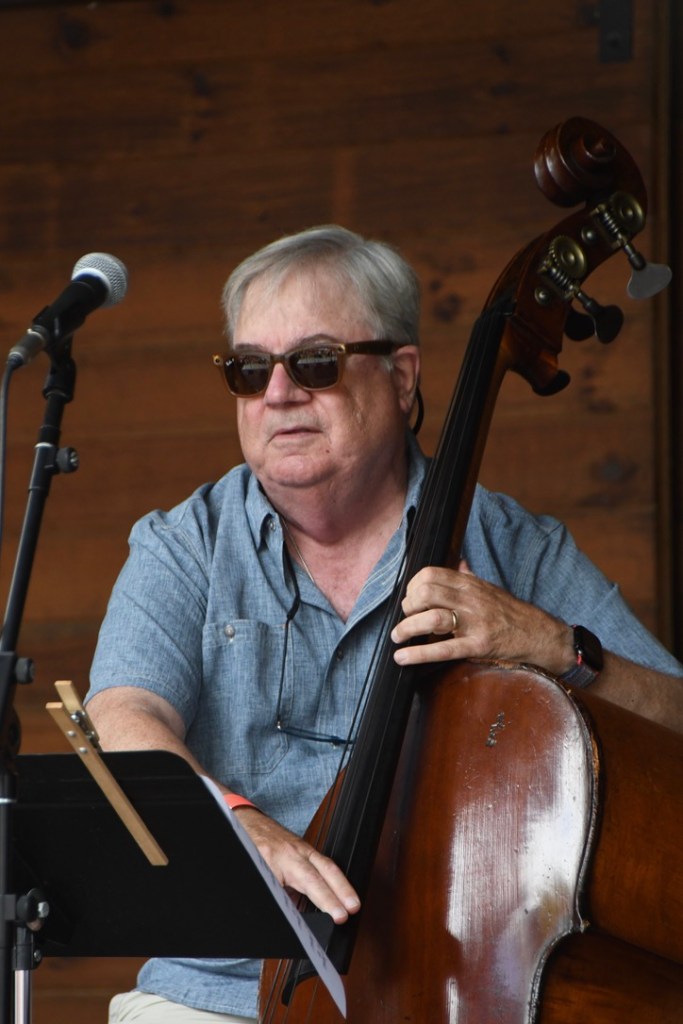
Thursday at Jazz on Jay, the Linda Brown Jazz Project features longtime leaders among jazz women: bassist-leader Linda Ellen Brown, pianist Peg Delaney and vocalist Jody Shayne; plus trumpeter/flugelhorn player Steve Horowitz and drummer Andy Hearn.

Linda Ellen Brown. Photo supplied

Brown and Shayne appeared on Jackie Alper’s WRPI “Mostly Folk” show in a “Women in Jazz” feature; a format they continued at Justin’s Sunday Brunch, Troy Savings Bank Music Hall’s Noon Series and others. Both also played in the jazz band Airwaves, opening for Dizzy Gillespie and playing Proctors televised fundraiser that saved the theater. Once driving home from an Airwaves gig, Brown heard Jim Wilke feature them on NPR’s national “Jazz After Hours” program on her car radio.

Brown studied jazz guitar with Jack Fragomeni; improvisation with Nick Brignola and Leo Russo; electric bass with JB Dyas; double bass with Mike Wicks, Steve LaSpina and Rich Syracuse. She earned a B.S. in Arts Management from Russell Sage College and a Master’s in Public Administration from UAlbany and serves on the board of A Place for Jazz.

Jody Shayne. Photo supplied

The Shayne, Delaney and Brown trio, core of the Linda Brown Jazz Project, played together for years. When the Rensselaerville Institute commissioned Delaney to form a group of local women jazz players, she recruited Brown; and when the Albany Public Library asked Delaney to form a “Gals Who Play Jazz” ensemble, she again turned to Brown. Both revere saxophonist Nick Brignola; Delaney has published transcriptions of Brignola solos while Brown noted the late saxophonist as a prime inspiration, along with Brignola’s guitarist Jack Fragomeni who, she says, “inspired me to play jazz.” She previously studied piano, woodwinds and guitar; her first live bass gig was with Fragomeni and others in The Music Guild in 1974.

Brown formed her Linda Brown Jazz Project when Borders Books & Music invited her to form a band for its grand opening and weekly jazz performances, featuring Delaney, Shayne and others. In addition to leading her own band, Brown played on Michael Benedict’s “The New Beat” album (2006).

Peg Delaney. Photo supplied

Composer, player and leader Delaney has twice received the New York State Council for The Arts: Meet the Composer Grant, was semifinalist in Musician magazine’s Best Unsigned Band Competition and taught music at Skidmore College. She performs solo and leads bands large and small.

Berklee graduate Shayne sang with New York jazz stars including Archie Shepp, notably his “Things Have Got To Change” album, plus projects with Sheila Jordan, Beaver Harris, Roswell Rudd and Jimmy Garrison. She’s also released the albums “Love Is A Garden” (1998) and “Firefly Rides” (2015).

Steve Horowitz at Jazz on Jay. Michael Hochanadel photo

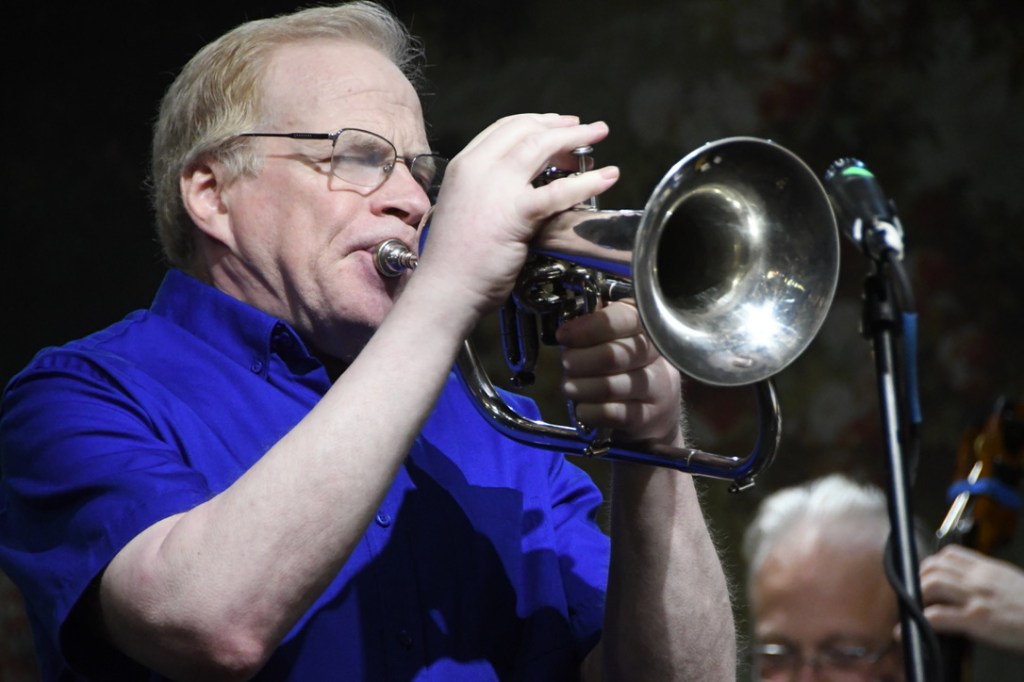
Trumpeter and flugelhorn player Steve Horowitz played Jazz on Jay in June, and also plays with the gypsy-jazz bands Gadjo and Helderberg Hot Club.

Andy Hearn. Photo supplied

Drummer Andy Hearn trained at the Crane School of Music and at first specialized in musical theater before broadening his musical horizons to play with many jazz, R&B and blues artists. He has opened shows for King’s X, NRBQ, Southside Johnny and the Asbury Jukes; and he teaches at Lisha Kill Middle School.

Thursday, the Linda Brown Jazz Project will play originals by Delaney and Shayne, including “Wanderlust,” “Lullabye for Jessica,” and “Melontime (The Familiar Face).” On standards including “Here’s to Life” and “I Thought About You,” Brown says they’ll “pay homage to the tune and then deconstruct and re-assemble it in a way that fits the moment.”

Brown’s future gigs include a trio show at the Albany Institute of History and Art Aug. 13; with the Yolanda Bush Cool Water Collective at Schenectady PorchFest 2025 Sept. 20 and at the Van Dyck Music Club November 15.

Jazz on Jay free concerts are noon to 1:30 p.m. at Jay Square, the new park space opposite Schenectady City Hall. The rain site is Robb Alley at Proctors, 432 State St. Seating is provided indoors at Robb Alley, but patrons are invited to bring their own seating and refreshments to Jay Square.

Jazz on Jay is presented by the ElectriCity Arts and Entertainment District and sponsored by the New York State Council on the Arts, a Schenectady County Legislature Arts & Culture Grant, Downtown Schenectady Improvement Corporation, The Schenectady Foundation, Price Chopper/Market 32, MVP Health Care, Schenectady County, Schenectady City Hall, and Proctors Collaborative. This blog is a series media sponsor.

Jazz on Jay continues July 31 with the Nicholas Dwarika Quartet.

Art D’Echo Trio Plays Jazz on Jay Thursday

The Art D’Echo Trio has enough credits for several trios.

They also play in Michael Benedict’s Jazz Vibes and the Latin jazz group Sensemaya. They host “It’s a Jazzy Christmas” at Proctors around the holidays, and support visiting stars such as New Orleans clarinetist Evan Christopher.

The Art D’Echo Trio is the main thing for – from left: bassist Mike Lawrence, pianist David Gleason and drummer Pete Sweeney. Photo supplied
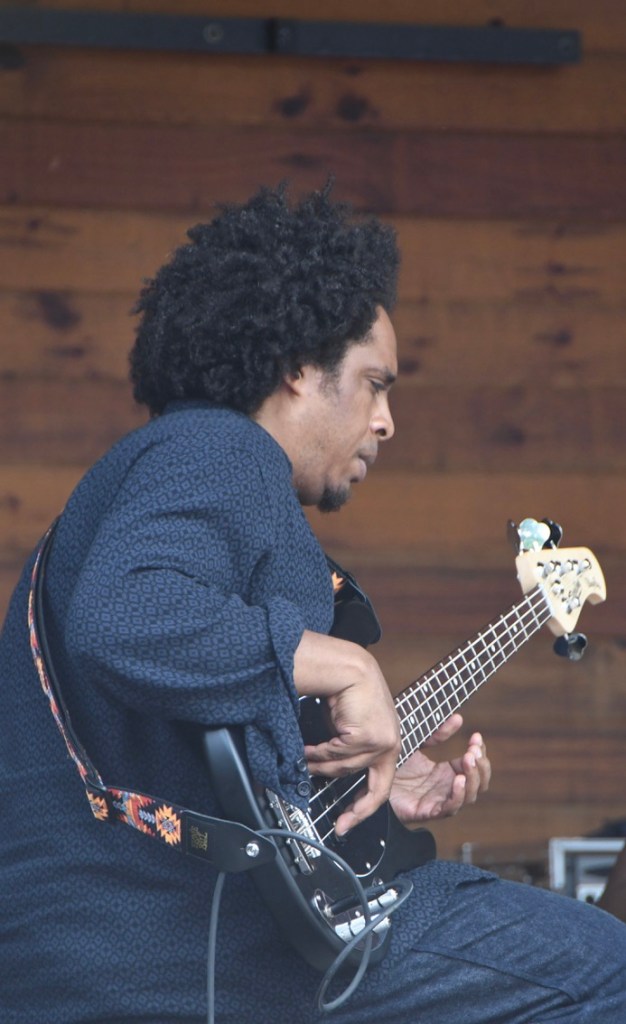
“The trio is inspired by the great jazz piano trios like Oscar Peterson, Bill Evans and Keith Jarrett,” says bassist Lawrence. He met Gleason in the 1990s in the Empire State Youth Orchestra directed by Paul Evoskovich, then Sweeney in the Joey Thomas Big Band in the early 2000s. “All three of us played one summer with the Joey Thomas Big Band,” says Lawrence, “so more than 20 years (together).”

All three played in rock bands before turning to jazz.

Of the three, only Lawrence comes from a music-making family. His mother plays and formerly taught piano and his father plays guitar, while his drummer brother took him often to the Van Dyck to see great artists play there, starting in the late 90s and early 2000s.

Among Gleason’s first gigs was a duo with bassist Lou Smaldone at Mother Earth’s Cafe in 1995. Lawrence played in “EZ Blues” in high school, opening for George Boone once at a Northeast Blues Society gig that Society President Don Wilcock arranged at Best Western Hotel in Troy. Before that, Lawrence’s middle school band played Nirvana and Hendrix at a school dance. As a middle school teacher, he gets to relive that school cafeteria vibe by running a lunch period guitar club.

Asked about his first gigs tickled Sweeney’s funny bone. “My first gig was Dick Spass and the Coachmen at Charities when I was 16,” says the drummer. “I had to wear the band suit that was way too (deleted) large. When I complained, Dick said, ‘You know what they say in Poland? Tough Shitski!’ That was 1981.”

Gleason studied with Lee Shaw; Lawrence studied with Tom Weaver (Smokehouse Prophets) in high school, Rich Syracuse at the College of St. Rose and Luke Baker in the Albany Symphony); Sweeney studied with Joe Morello (the Dave Brubeck Quartet) and Dave Calarco.

All three have extensive formal training and distinguished player credits; all three teach.

Gleason studied music education at the Crane School of Music, earned an M.A. from Tufts University in ethnomusicology and composition and has researched Puerto Rican and Cuban music. He’s played with RumbaNaMa, The Boston Latin Band, Either/Orchestra, Bopitude, The Big Soul Ensemble, and The Empire Jazz Orchestra; and with stars including Lee Konitz, Laurel Masse, Fred Wesley, Gary Smulyan, Danilo Perez, Rufus Reid, Antonio Hart and John Fedchock. His Latin jazz band Sensemayá recorded two albums “Shake It!” (2010) and La Madrugada Habanera/Havana Before Dawn (2011). He has taught in Schenectady public schools, SUNY Schenectady, and Rensselaer Polytechnic Institute. 

Lawrence has a BA from the College of St. Rose and an M.A. from Boston University; both in Music Education. Playing credits include the Gary McFarland Legacy Ensemble alongside Joe Locke, Sharel Cassity, Bruce Barth and Michael Benedict including the album “Circulation: The Music of Gary McFarland” (a 2015 NPR Best Jazz Albums pick); also with Gary Smulyan, Harry Allen, Paul Meyers, Dick Oatts, Steve Nelson, Gene Bertoncini, Claire Daly, Bruce Johnstone, Richard Lanham, Mark Vinci, Jerry Weldon, Ray Vega, Wycliffe Gordon, Blue Lou Marini, Sonny Turner’s Platters, Bobby Rydell, Tas Cru, the Charlie Smith Blues Band and others. He also teaches in Schenectady City Schools.

Sweeney teaches at Union College, Bard College at Simon’s Rock, Berkshire Music School, the Troy Music Academy and the Crown of the Continent Guitar Foundation, and has written more than 20 instructional books. He has played with Pat Metheny, Larry Coryell, Lee Ritenour, John Abercrombie, Robben Ford, Andy Summers (The Police), Ronnie Earl, Duke Robillard, Ed Mann (Frank Zappa), Frank Gambale, Lorne Lofsky, “Dangerous” Dan Toler, Johnny “Clyde” Copeland, Mick Goodrick, Steve Bailey and more.

The Art D’Echo Trio plays “a fair amount of originals and classic jazz tunes,” says Lawrence, “…originals are usually a little less than half.” They freely rearrange standards and will likely play Gleason’s Oscar Peterson tribute “Oh, Please,” Benny Golson’s “Whisper Not” and Pat Metheny’s “James.”

The Art D’Echo Trio, from left: drummer Pete Sweeney, bassist Mike Lawrence and pianist David Gleason. Photo supplied

“We sometimes go off on an improvisatory tangent and see where it takes things,” says Lawrence, noting they’ve just released their debut album; self-titled and 20 years in the making. “We recently released our album after a couple of studio sessions at Scott Petito’s NRS studio spread over the past couple of years,” says Lawrence. “It features a range of things that the trio does including some great original compositions by Dave Gleason.”

The Art D’Echo Trio also plays the Galway Jazz Festival July 20.

Jazz on Jay continues July 24th with the Linda Brown Jazz Project.

Jazz on Jay free concerts are noon to 1:30 p.m. at Jay Square, the new park space opposite Schenectady City Hall. The rain site is Robb Alley at Proctors, 432 State St., Schenectady. Seating is provided indoors at Robb Alley, but patrons are invited to bring their own seating and refreshments to Jay Square.

Jazz on Jay is presented by the ElectriCity Arts and Entertainment District and sponsored by the New York State Council on the Arts, a Schenectady County Legislature Arts & Culture Grant, Downtown Schenectady Improvement Corporation, The Schenectady Foundation, Price Chopper/Market 32, MVP Health Care, Schenectady County, Schenectady City Hall, and Proctors Collaborative. This blog is a series media sponsor.

Quiz: What has 14 feet, not all of them on the ground at the same time; 43 pounds of brass and one turban?

I’ll make it easier: What band can steamroll international borders to induce unanimous dancing anywhere?

Fine: I’ll pin it down further: 

Who can inspire Sikhs in turbans, Muslim girls in hijabs, friends I know to be Rastafarian, Jewish or agnostic – in short, as Boz Scaggs sang: “Every Kinda people” – to all dance to “Hava Nagilah” together?

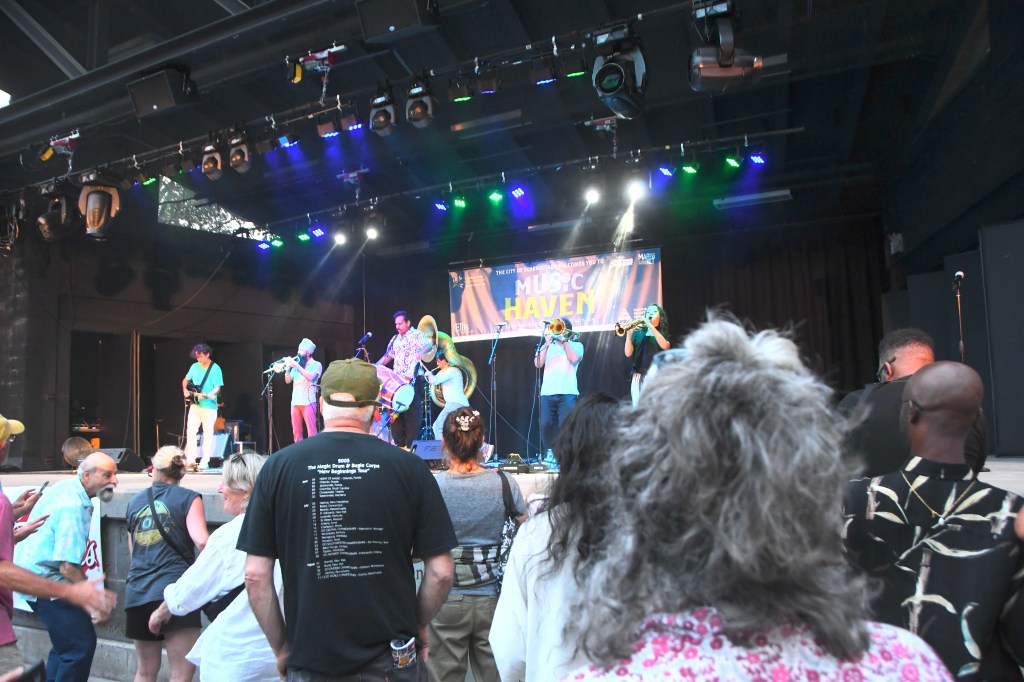
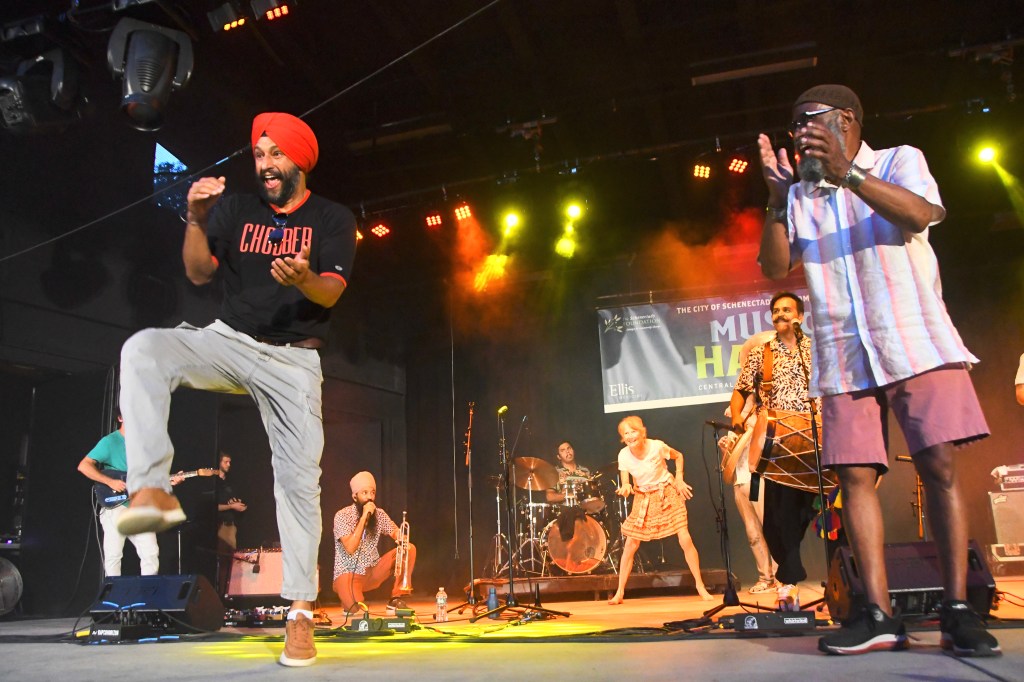
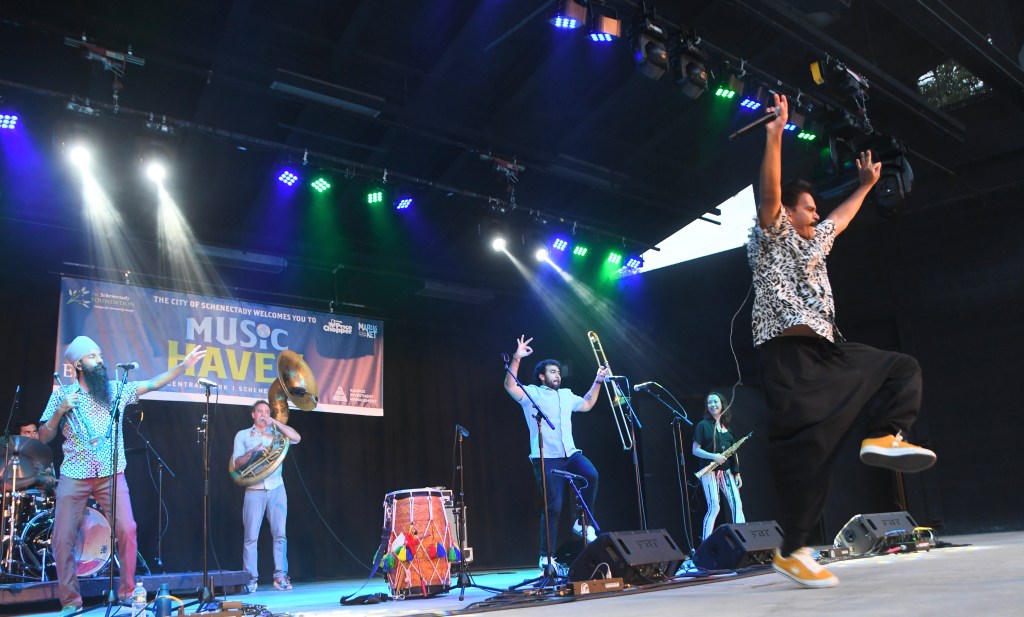
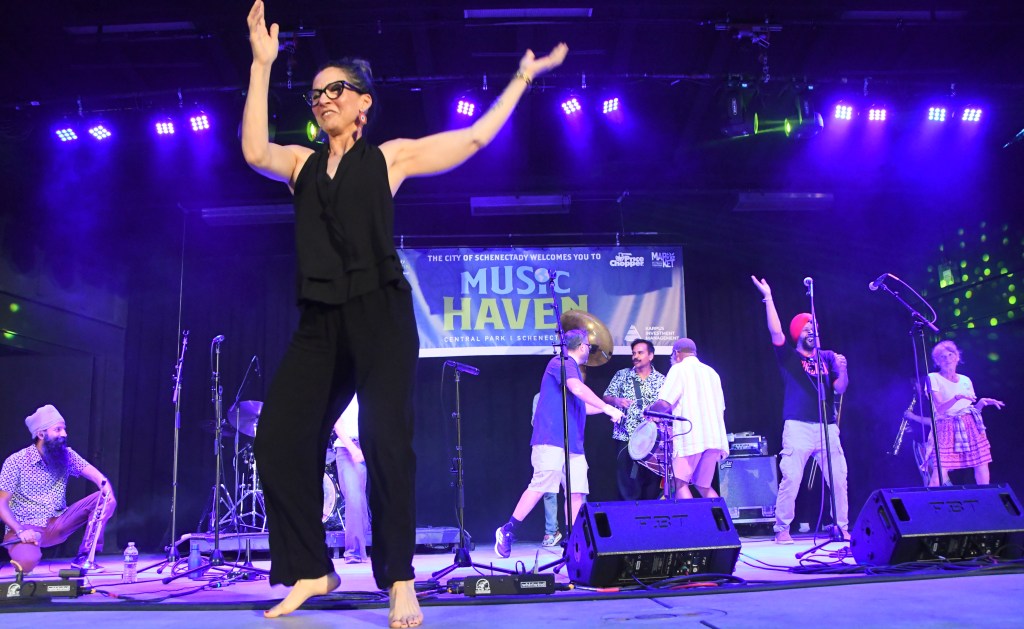
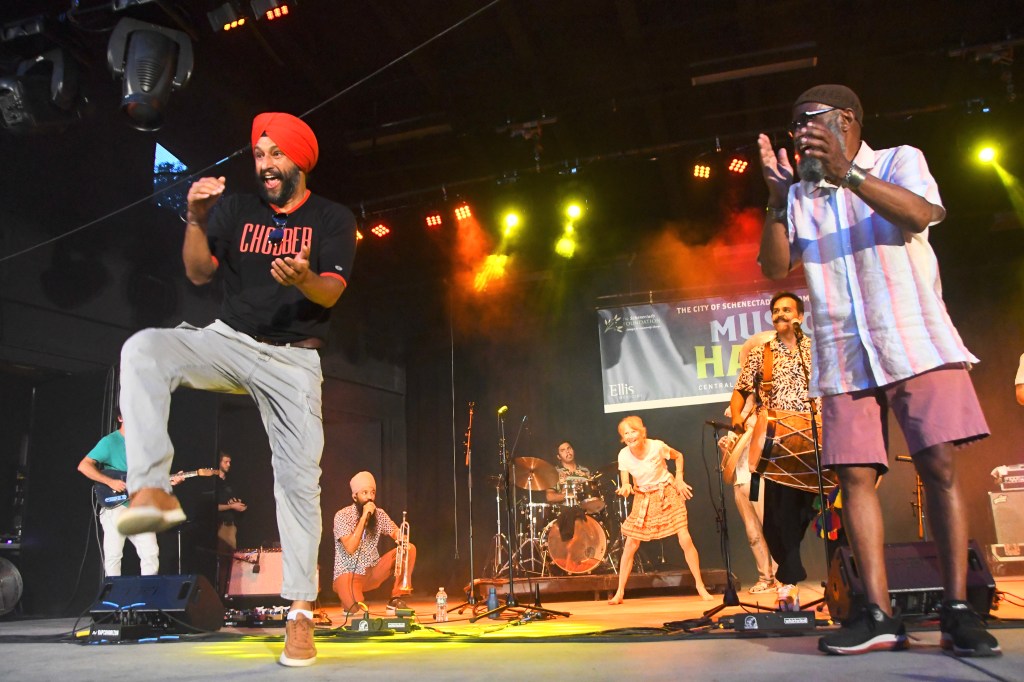
Just one band I know of: Red Baraat from everywhere via Brooklyn; a perfect choice to delight “every kinda people” in the 35th Music Haven season-opening show Sunday in Schenectady’s Central Park – ten years to the night after they debuted here on the same stage. 

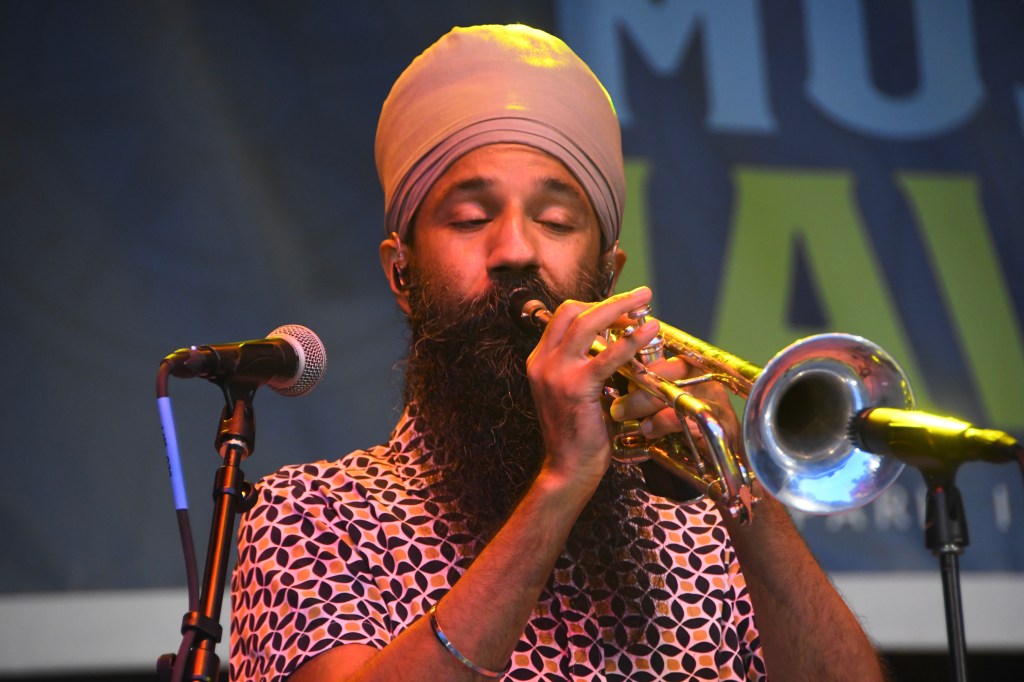
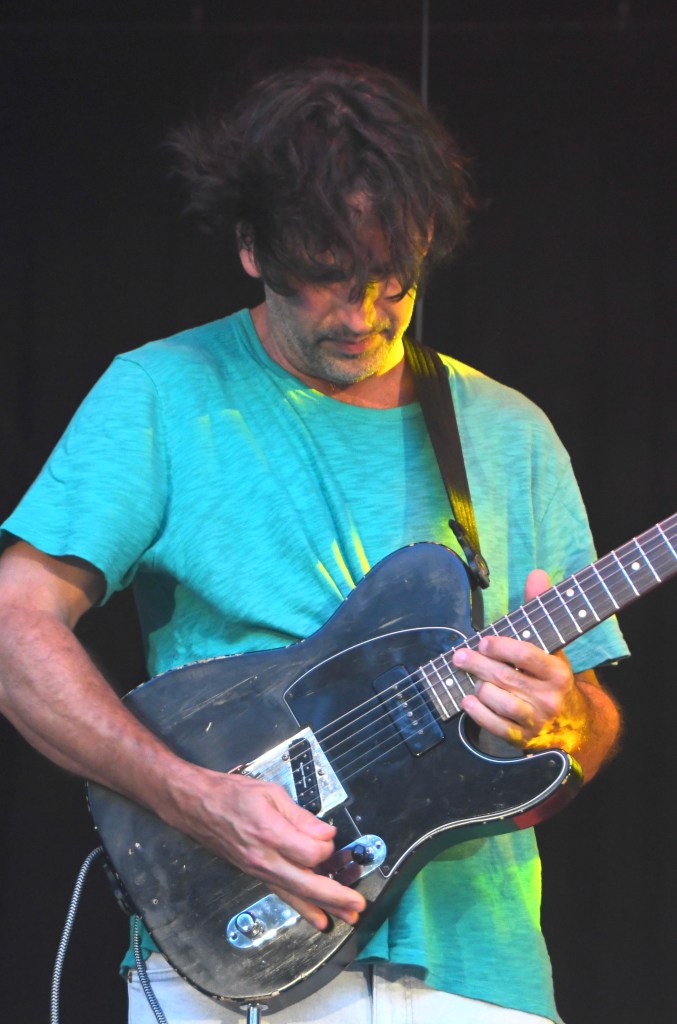
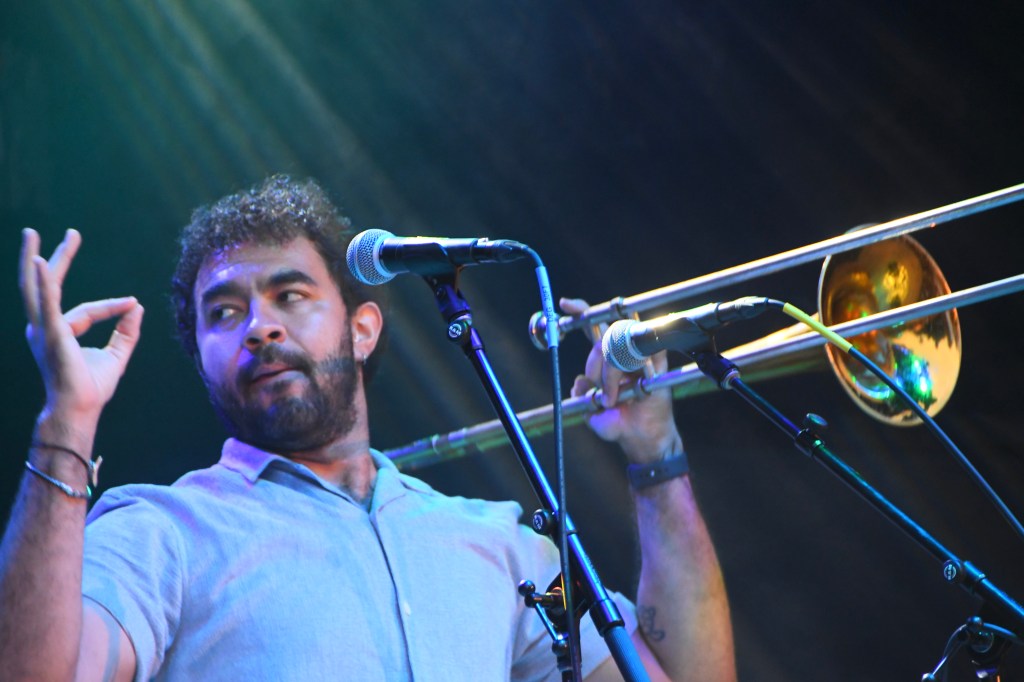
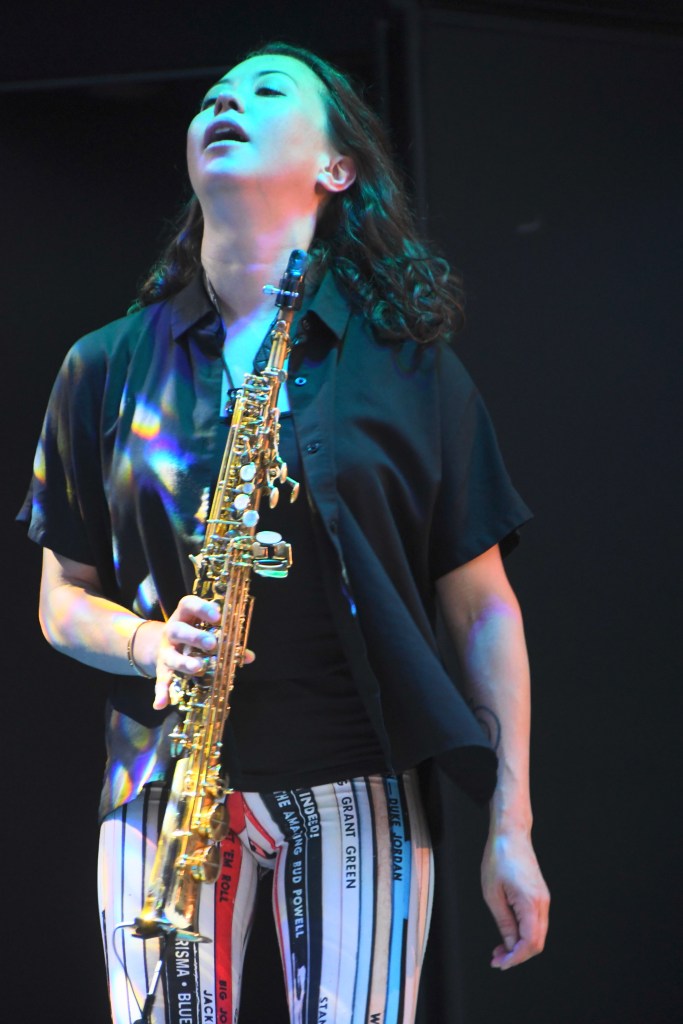
Red Baraat – From left, Jonathan Goldberger, guitar; Sonny Singh, trumpet; Varun Das (obscured), drums; Sunny Jain, bandleader and dhol; John Altieri, Sousaphone; Jasim Perales, trombone; Alison Shearer, soprano saxophone

All that brass – three pounds for a trumpet, five for a trombone, 30 to 35 for a Sousaphone and just over two for a soprano saxophone – looked great; all shone brightly but the somewhat oxidized Sousaphone. Way more important: the exuberant, globe-spinning sounds they made, along with a drumset, electric guitar and dhol, a two-headed drum that founder-leader Sunny Jain wore horizontally across his torso and hit from both ends with different-shaped sticks, making different sounds.

The whole thing was different. 

Alison Shearer

When Alison Shearer lit up a soprano sax solo, she conjured Sidney Bechet leading a Mardi Gras parade in Istanbul. She aimed another solo at the hijab-wearing girls bopping down front, all smiles, exchanging finger-heart hand-signs. A Sousaphone player marching in uniformed formation at a football game seems ordinary enough, but the extraordinary John Altieri ran around the stage, fast, but not missing a note. Guitarist Jonathan Goldberger could hold his own in a Delta blues dive; and fit hand-in-glove, harmonizing with Shearer, Jasim Perales’s trombone or Sonny Singh’s trumpet. Drummer Varun Das somehow managed to put beats under every note up front, where Jain rapped a bit and Singh sang some.

When Sing took the mic to proclaim, “I landed here from Punjab,” he underlined how this stuff could only happen here, by coming to us from other places.

Jain introduced their opener “Horizon” as Punjabi soul, and somehow the roof stayed put over the stage as beats and riffs erupted underneath and everybody got up and moved. The energy intensified in “Chaal, Baby.” A few songs later, Jain hosted a dance contest, inviting up three contestants he’d spotted in the audience. Others surged onstage to participate, one or two at a time as the seething band blasted big funk behind them. 

Sunny Jain

Impeccable musical carpentry built big structures from short riffs, like soul bands. Solos, especially by saxophonist Shearer and guitarist Goldberger, flew the coop for distant planets. When everybody surged together in Sun Ra-style anarchic jazz, they slow-cooked like vindaloo or spiced WAY hot, a busy clatter of audio curry. Songs had form, force or subtlety, at any tempo.

Sunny Jain, left, and John Altieri

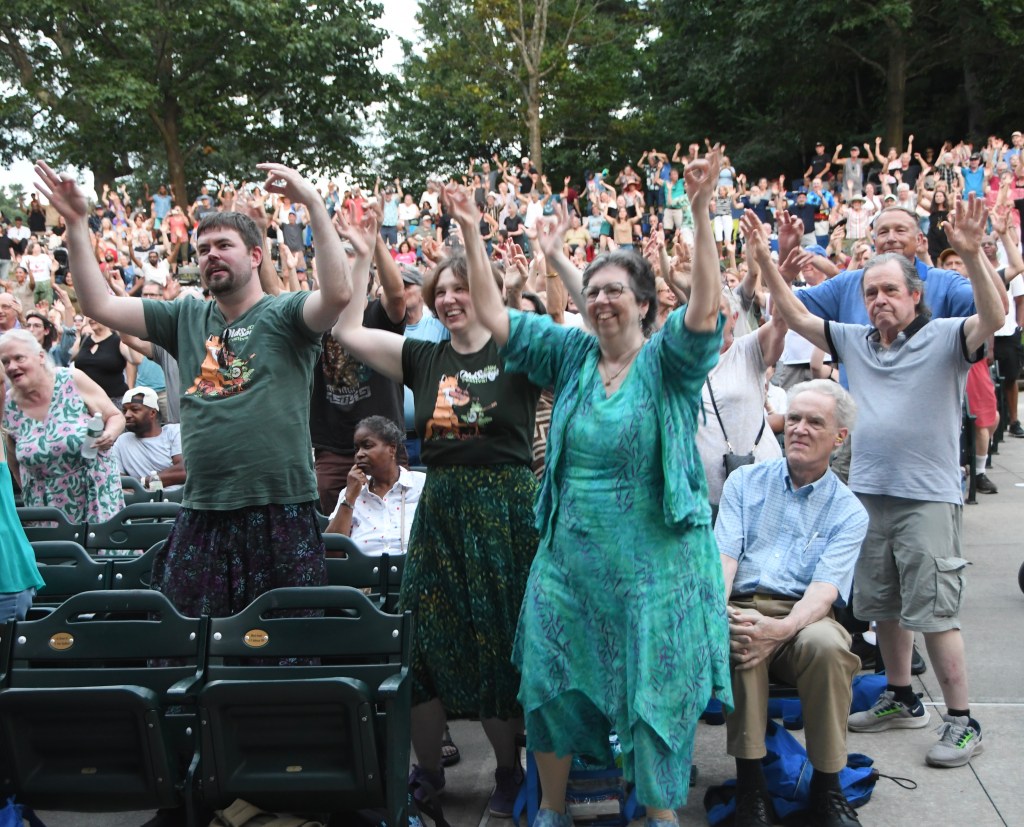
While Sousaphonist Altieri’s hyper-active bass lines mostly ran hot, he laid a menacing slow drone under a later tune. As things revved staccato, Jain called for and got what he wanted, folks to stand, chant, hands way up. Periodically he called out “Schenec-“ and the crowd yelled back “TADY!” through laughs.

Jonathan Goldberger

Jasim Perales

Varun Das

The dance energy slowed a bit in the middle as things turned briefly more intellectual and some fans sat; but they built big again for an encore-earning fun finish.

Opener Quadrature exploded from the same Brooklyn ethno-sonic stewpot as Red Baraat. Their name suggests a math problem or medical condition, but they entertained with zippy music and arch humor. They anchored one foot in south Asia as the other danced the hokey pokey around the rest of the globe; thrilling playing and fun shtick.

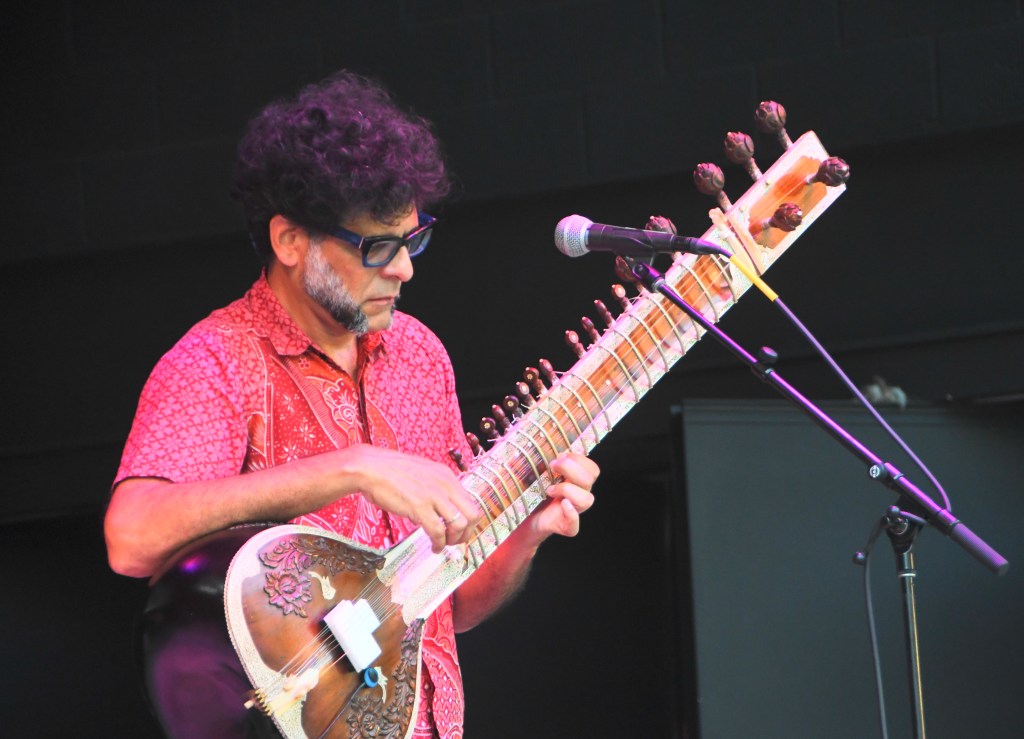
Neel Murgai

Introducing the cosmic fusion “Black Hole Blues,” sitarist Neel Murgai asked, “Any astrophysicists in the house?” In Schenectady, of course there were some; but even non-Ph.Ds could follow his explanation of how music stretches and compresses time. They managed that easily in a romp with 70s fusion force, recalling John McLaughlin’s similarly cross-cultural Shakti, but with no guitar in sight. Like a bluesman pumping the crowd, Murgai asked, “Can I play my sitar?” Yes.

Indofunk Satish

While a morning raga-based jam followed traditional alap-and-tal structure, at times they sounded like (60s British blues-rock giants) Cream, a caffeinated Ravi Shankar sitting in. Indofunk Satish mutated his slide-and-valve trumpet sound with effects pedals while bassist Damon Banks and drummer Tripp Dudley somehow made the bristling rhythmic bustle of complex time tunes in seven or 13 feel fine fun. 

Damon Banks

Tripp Dudley

Red Baraat Set List, Courtesy of a kind fan from Scotia

About that dance contest: Everybody won

Pre-show phone-shot panorama

She’s Back

Preview: Jeanne Ouderkirk Returns to Jazz on Jay, with Her Quartet – July 10, 2025

She’s back…

Singer Jeanine Ouderkirk first played Jazz on Jay in 2020 and returned as a sub in 2023, stepping in for the ailing Perley Rousseau of Sonny & Perley.

Thursday, she leads her own band, singing her own favorite repertoire, including fresh tunes from a new album.

Photo By Eric Jenks

Ouderkirk’s quartet comprises two thirds of the Killdeer Trio: guitarist Wyatt Ambrose and bassist Evan Jagels; with drummer Matt Niedbalski in for Killdeer’s Sebastian Green.

 A prodigy who played piano and clarinet by 10, she played bass clarinet and baritone saxophone at 15 and was mainly a singer by 20; but she was a professional years earlier.

“I played bari(tone) sax, clarinet, and flute in a pit orchestra for a high school show when I was 16,” says the multi-skilled Ouderkirk. She played 12 performances of “Two Gentlemen of Verona” in Caffe Lena’s black-box theater, plus rehearsals, for $100. “It was such a thrill dragging all those instruments up the narrow stairs of this amazing old club.”

After working with band teacher Mark Beaubriand at Saratoga Springs High School, she studied bass clarinet and voice at Crane School of Music where she earned a BA in Music Business and MA in Music Education. She also took weeklong intensives with singers Bobby McFerrin and Rhiannon. No, not Rhiannon Giddens; Ouderkirk studied with the single-named Hawaiian singer who works with McFerrin.

She learns songs on paper first, choosing “Whatever I love, whatever speaks to me from the page.”

She says, “I really love how the form (of a piece) is the canvas and there’s beauty in the counterpoint of the melody and the bass.” She also values the rhythms and colors that emerge as she works on tunes.

Thursday, she plans to sing “Half Joni (Mitchell)  tunes and half standards from my new album, ‘Nightingale,’” a collaboration with pianist Tedd Firth.

The album grew from a musical theater gig with Firth, a Hudson Falls native who now works in New York as Michael Feinstein’s arranger and pianist. “I met him when I was hired to play bari(tone) sax in a big band behind the singer Tony DeSare,” says Ouderkirk, “at The Strand Theater in Hudson Falls.”

She and her band will improvise “a lot on the standards (from the album) and less on the Joni Mitchell collection.” Reconsidering, she says, “Well, I will accidentally improvise some of her melodies because they are so challenging and interesting to chase her phrasing.”

Busy as singer and player, Ouderkirk plays a busy schedule after Thursday’s Jazz on Jay concert:

July 11 and 25; and Aug. 8: Mittler’s Market, Saratoga Springs 5 p.m. 

July 12: Olde Bryan Inn, Saratoga Springs 6 p.m.

July 19: Adirondack Winery, Queensbury 4 p.m.

July 24: The Glen Eddy, Niskayuna 7 p.m.

July 26: The Bourbon Room, Glens Falls 9 p.m.

Aug. 8: Ophelia’s on Broadway, Albany 9 p.m.

Jazz on Jay free concerts are noon to 1:30 p.m. at Jay Square, the new park space opposite Schenectady City Hall. The rain site is Robb Alley at Proctors, 432 State St. Seating is provided indoors at Robb Alley, but patrons are invited to bring their own seating and refreshments to Jay Square.

Jazz on Jay is presented by the ElectriCity Arts and Entertainment District and sponsored by the New York State Council on the Arts, a Schenectady County Legislature Arts & Culture Grant, Downtown Schenectady Improvement Corporation, The Schenectady Foundation, Price Chopper/Market 32, MVP Health Care, Schenectady County, Schenectady City Hall, and Proctors Collaborative. This blog is a series media sponsor.

Jazz on Jay continues Thursday, July 17 with the Art D’Echo Trio.

Smooth, smooth

Review: Winelight at Jazz on Jay in Proctors GE Theater, Thursday, July 3, 2025

Reaching back to 70s and 80s smooth jazz, mainly through the music of Grover Washington Jr., Winelight played that easy-going style to mellow effect Thursday at Jazz on Jay. They showed their reverence for fluid soul-jazz-pop tenor player Washington by naming themselves after one of his songs – they played that one, of course – and by starting their 90-minute show with “Just the Two of Us,” a Washington/Bill Withers co-write.

Winelight – From left, keyboardist/singer Azaam Hameed, saxophonist Allen Halstead, drummer Ben Rau, bassist Michael Hurt, and guitarist Joe Finn

Drummer Ben Rau sang the jazz-pop antique “When You’re Smiling;” but keyboardist Azzaam Hameed sang more: “Summertime,” “Make Me a Memory” and “You Bring Me Joy,” his low-pressure baritone easing through the songs. Instrumentally, they followed small-band conventions of unified opening statements, solos to develop ideas further, then back together to close. 

Allen Halstead

The slower-than-most “Winelight” used a different opening to interesting effect; Michael Hurt’s bass and Hameed’s keyboards flowing low while drums – mostly cymbals, actually – paired higher up with Joe Finn’s guitar, the whole thing forming a platform for reedman/frontman Allen Halstead’s alto.

Joe Finn

Workmanlike, non-stagy, they calmly stood and delivered although guitarist Finn’s energy  engaged the band, the crowd and the music in his kinetic playing in Freddy Hubbard’s “Little Sunflower” and George Benson’s “Affirmation.” Here he used Benson’s alternating chord-strumming and note-picking style very well. Solos were crisp and brief; Halstead’s alto superbly lyrical in “Summertime,” gruffly persuasive in Carlos Santana’s “Europa.” Bassist Michael Hurt was a model of taste and touch, always there, always solid but never claiming much attention.

Michael Hurt

The music moved so easily, with so little friction, that rough spots felt welcome. Halstead struggled a bit with intonation and changed reeds on both alto and tenor. They mixed up the solo order in “Summertime” and glanced around in silent negotiations for what came next. More common were echoes where a riff on one instrument brought an answer from another.

Most songs cruised on smooth-jazz style mid tempos, though the show’s middle section slowed some; then they built things back up. Their closer “Mr. Magic” pumped a bit harder than most performers play or sing it, bumping up from a deep-funk opener to a spirited, happy close with handclaps from the crowd joining in strong.

Azzaam Hameed

The only non-smooth aspect of the show was a double venue change that confused some fans who wandered in late. Storm warnings drove the show indoors at Proctors, but the customary Robb Alley rain site on the (north) State Street side was busy with activities around the Proctors Main Stage matinee of Beauty and the Beast; so Proctors GE Theater (south, Smith Street side) hosted the show. Some Beauty and the Beast-bound fans heard the music in the GE Theater and wandered in for a bonus smooth-jazz prelude. They also had to leave in the middle of one show to hit the other, but the veteran Winelight quintet took these defections in their easy-going stride.

Ben Rau

Apologies to Ben Rau for profiling the wrong Ben Rau in my preview, posted Wednesday. I Googled around, found the wrong one and should have checked. The correct Ben Rau, whose beats were always correct and who enjoyed the show more than anybody, hails from Troy, taught music in Ravena-Coeymans-Selkirk schools and plays also with the Soul Survivors, Georgie Wanders Orchestra and RK Jazz and Blues.

Set List

Just the Two of Us

Sugar

When You’re Smiling

Winelight

Little Sunflower

Summertime

Make Me a Memory

Affirmation

You Bring Me Joy

Europa

Expansions

Mr. Magic

Soulful Jazz; Jazzy Soul

Preview: Jazz on Jay Presents Versatile Veteran Combo Winelight

Winelight takes its name from a Grover Washington Jr. tune that blends jazz with soul; a comfortable creative neighborhood for these five skilled players and singers: Azzaam Hameed, keyboards; Ben Rau, drums; Joe Finn, guitar; Michael Hurt, bass; and Allen Halstead, saxophones.

“Winelight is a collaborative effort,” stresses Halstead who organized the band in late 2024. 

Halstead started playing Catskills resorts while barely old enough to drive and graduated with a MA in Music from Florida State University. There, he also played with jazz and soul giants Stan Kenton, Ella Fitzgerald and Lou Rawls. Halstead cites Gato Barbieri, Stan Getz, Gene Ammons and Grover Washington as inspirations. With versatility in mind, he’s found like-minded colleagues on the local scene.

Allen Halstead, left; and Azzaam Hameed

Hameed first played in a Pentecostal church before classical training at Union College broadened his musical influences. Pianists McCoy Tyler, Ramsey Lewis, Joe Sample, George Duke and Lonnie Liston Smith inspired him, plus singers Johnny Hartman, Lou Rawls and Joe Williams. He has played locally in jazz, R&B, soul and pop groups for decades.

Rau’s broad musical and cultural background includes Ghanian, German and British influences, particularly the London and Berlin club scenes. Diverse and driving, his playing echoes house, techno and straight-ahead styles.

Connecticut-born Finn started playing – and giving lessons! – at ten. Earning a BA in Music at SUNY Plattsburgh, he trained with Roy Burns, James Spaulding, Jim Miller, Billy Hawkins and Kirk Nurock. His string of six albums began with “Straight Ahead” (1991) and his quartet won the BET network’s 1998 Jazz Discovery Showcase.

Hurt started playing trumpet in eighth grade and trained in voice, singing madrigals and other choral styles in high school. Moving to guitar, and then to bass – and from folk to classical to jazz – he studied music education at SUNY Buffalo. Like his bandmates in Winelight, Hurt values versatility. 

“The performance Thursday will not only include some Grover Washington tunes,” says Halstead, “but will also include tunes by other artists; no originals.” They’ll play Washington’s “Winelight,” of course, plus “Mr. Magic,” Bill Withers’s “Just the Two of Us,” “Sugar,” “Affirmation” and “Europa.”

“Each tune is open to improv by the members,” adds Halstead, who plays tenor, alto and soprano saxophones in Winelight. “There is no real leader,” he explains. “We all chime in.”

Jazz on Jay free concerts are noon to 1:30 p.m. at Jay Square, the new park space opposite Schenectady City Hall. The rain site is Robb Alley at Proctors, 432 State St. Seating is provided indoors at Robb Alley, but patrons are invited to bring their own seating and refreshments to Jay Square.

Jazz on Jay is presented by the ElectriCity Arts and Entertainment District and sponsored by the New York State Council on the Arts, a Schenectady County Legislature Arts & Culture Grant, Downtown Schenectady Improvement Corporation, The Schenectady Foundation, Price Chopper/Market 32, MVP Health Care, Schenectady County, Schenectady City Hall, and Proctors Collaborative. This blog is a series media sponsor.

Jazz on Jay continues Thursday, July 10 with the Jeanine Ouderkirk Quartet.

And, More Jazz…

Review: Saratoga Jazz Festival – Day 2

Trombone Shorty knows how to bring a fine, fun finale. 

Closing Sunday’s second day of the Saratoga Jazz Festival with explosions of funky riffs, his infectious dance joy made the seats in the Saratoga Performing Arts Center superfluous.

Trombone Shorty and Orleans Avenue

Hours before the New Orleans trombonist, trumpeter, leader and party catalyst celebrated his New Orleans hometown – where he owns closing-set honors at Jazz Fest – the Saratoga fest’s sunny Sunday began with the cerebral, traditional Skidmore Jazz Institute Faculty Combo. Trumpeter-singer Bria Skonberg’s spirited Louis Armstrong/New Orleans-inspired highlight set bridged the gap between listening calmly to the Combo’s or unanimous crazy with Trombone Shorty.

“So this is what daylight looks like,” joked Todd Coolman of the Skidmore Jazz Institute Faculty Combo, addressing front rows students in Institute T-shirts, wryly implying that a jazzer’s life is a night life.

Leading off on the Charles R. Wood Jazz Discovery Stage (hereafter “the Wood”), the eight-piece Combo (the festival’s only local act) members each honored a personal mentor or inspiration. 

From left: Bill Cunliff, Dave Stryker, Todd Coolman (obscured – we’ll give him his own photo below). Dennis Mackrel, Dave Greene, Steve Davis, Clay Jenkins

Bassist-leader-wit Coolman noted the challenge of living up to his name and introduced “Whims of Chambers” (bassist Paul) in a bustling big-band arrangement. All soloed, warming up; later songs swung shorter. Guitarist Dave Stryker chose George Benson’s “My Latin Brother” and led a breezy bossa reading. Trombonist Steve Davis honored Curtis Fuller with a robust “Mister L,” and pianist Bill Cunliffe led Tommy Flanigan’s “Eclipso.” Trumpeter Clay Jenkins chose Thad Jones’s spry “Lets;” somebody should use that to brand a perfume. But I digress.

Next came sort of battle of (string) bands: guitarist Al Di Meola’s acoustic quartet on the Amphitheater Stage (hereafter the Main) and harpist Brandee Younger on the Wood.

Al Di Meola, with sheet music

Di Meola introduced his International bandmates before feigning fear of ICE and anglicizing their names. His brilliantly-played, intricate music didn’t engage as well as that quip, though. It was perfect, but felt remote, cold on a warm day.

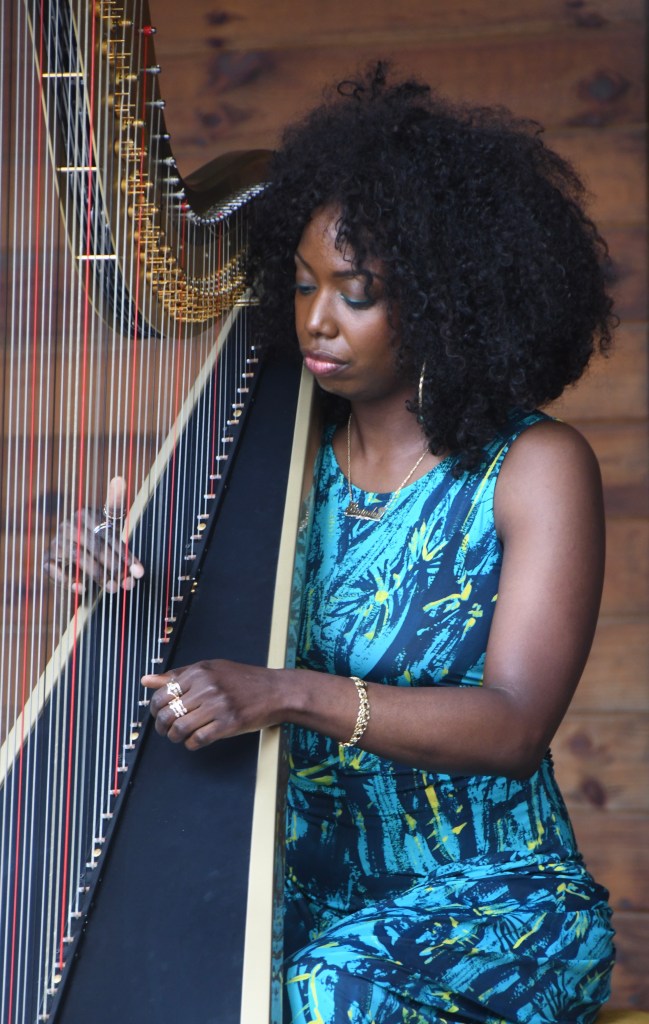
Brandee Younger was warmth itself on the Wood, avoiding the harp’s almost-too-easy glissandos for more imaginative phrasing, except in fellow harpist Alice Coltrane’s exotic “Turiya and Ramakrishna.” She played Stevie Wonder’s romantic “If It’s Magic” straight-up, for example, then deconstructed and re-built it. She said her “Gadabout Season” depicts joy, then swept us away with sounds that felt like hope.

DJ Logic (with mic, center right at rear) and Friends; Gregoire Maret in front of him and to his right

Turntablist DJ Logic chose well the band he called his Friends; a stage-filling crew whose jazz, R&B and pop skills layered beats and themes in hip-hop structures. First among equals, harmonica wizard Gregoire Maret (he’s played this festival with straight-ahead jazz stars) contributed the most fiery and inventive playing to busy, bustling upbeat/get-down hybrid sounds.

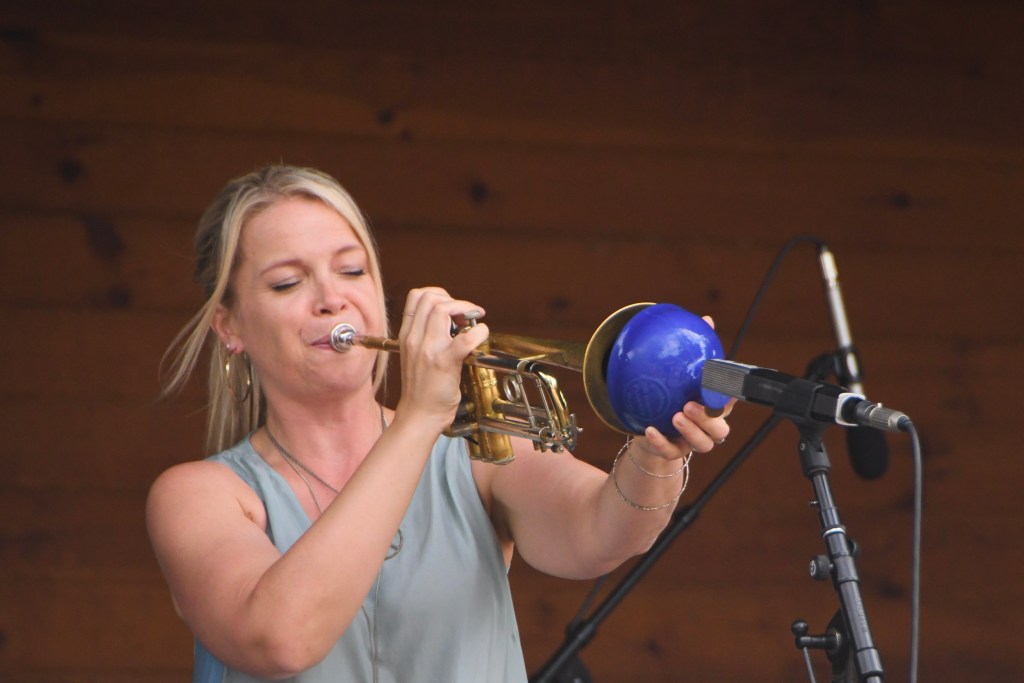
“Wish me luck,” asked Bria Skonberg after introducing “Cornet Chop Suey,” a Louis Armstrong song she said trumpeters had been trying to play (and failing, she implied) for a century. She nailed it, of course, and everything else she played or sang in the single strongest, most entertaining set all day, until Trombone Shorty.

New Orleans sound and spirit shaped her show, as it did her recent album made there. “Do You Know What it Means” echoed Louis Armstrong’s playful-melancholy trumpet, her vocal evoked Billy Holiday. Her plunger-mute solo lit up Sidney Bechet’s “Petite Fleur” and she put a swampy spin on Artie Shaw’s “Comes Love,” harmonizing her trumpet with Birsa Chatterjee’s tenor. Modern material – her own “Elbow Bump” early, John Lennon’s “Beautiful Boy” (she’s a newish mom) and the COVID-inspired “In The House” – had heft and force like the antiques. Listening close and sharing riffs, her band was aces all the way: Chatterjee, drummer Darrian Douglas, bassist Mark Lewandowski and pianist Mathis Picard.

Bria Skonberg, above; with band, below

Cassandra Wilson

Cassandra Wilson celebrated her 30-year-old “New Moon Daughter” album, harmonica ace Gregoire Maret guesting with her guitar-dominated band. While “The Last Train to Clarksville” and “A Little Warm Death” cruised mid-tempo, Wilson’s superbly rich voice sounded most persuasive on downbeat tunes “Love Is Blindness,” “I’m So Lonesome I Could Cry,” with a tasty Charlie Burnham violin break, and “Death Letter.”

Gary Bartz, right – with, from left, Paul Bollenback, guitar; Reuben Rogers, bass; and Kassa Overall, drums

I was glad to reach the Wood in time to hear veteran saxophonist Gary Bartz swing “My One and Only Love” to heart-touching effect, then flow through linked alto-sax showcases. Rapid runs gave drama, tender passages expressed the love he put into words. Singing “The Song of Loving Kindness” in an enveloping, warm coda, he stretched the mood in sax choruses.

Cory Wong

As with Lettuce on Saturday, Cory Wong played Sunday’s funk slot for fun, force and fire. The guitarist-leader seldom soloed, and didn’t have to; his big band blasted repeating short riffs that built high energy grooves with a sax break here, a keyboard thing over there, relentless drums and bass under everything. As with Lettuce, songs flowed Into songs. 

La Excelencia

The Wood Stage closed with a big band, like it began. But the 11-piece Latin La Excelencia got everybody dancing, unlike the cerebral Skidmore Jazz Institute Faculty Jazz Combo. Horns blasted from behind and percussionists between them and the singers up front ganged up on the beat – all bouncing hard to emphatic conducting by pianist Willie Rodriguez. The New York-based band sang for social justice, as the String Sisters and Gregory Porter did Saturday, wrapping messages in irresistible salsa and meringue beats. The grassy area before the stage filled from their first song, the air dusty and full of smiles.

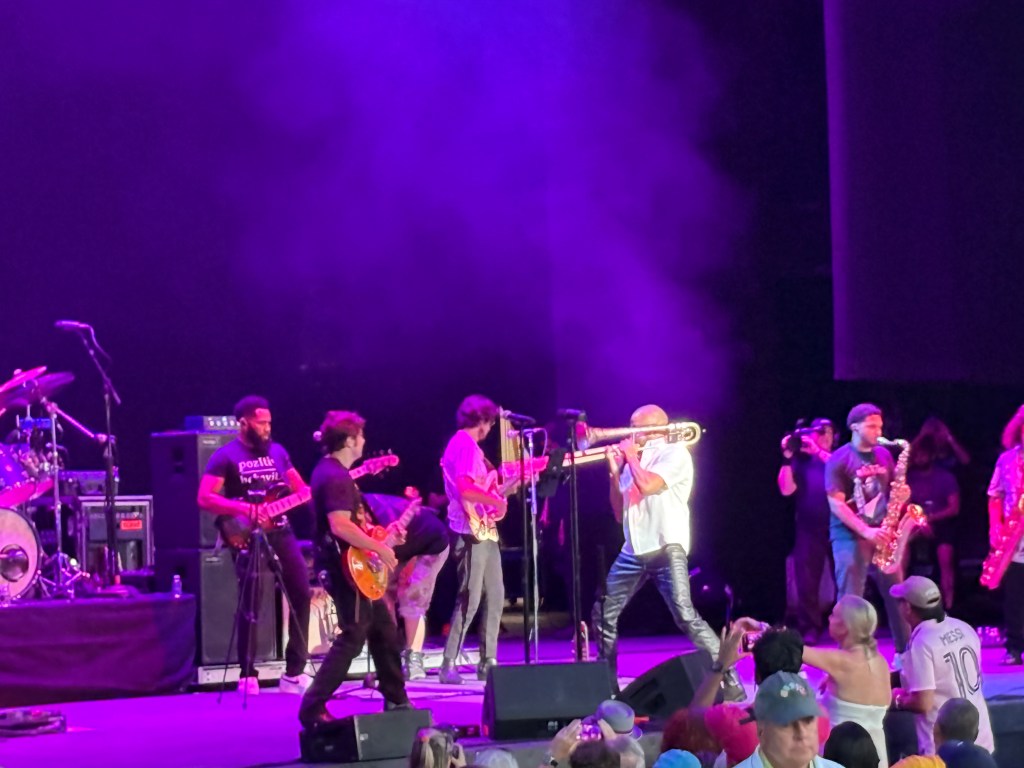
“We meet again!” saluted Trombone Shorty, slide-horn in one hand high over his head, trumpet in the other. He instantly owned the place, closing the festival in sweaty, exuberant, virtuoso triumph. Like Wong’s band, they built big energy from small, short, staccato riffs. Nobody played very long – except for a late, blistering Pete Murano guitar solo and Shorty’s dazzling “how’s-he-doing-that?” rotary breathing trumpet display that held a note, unbroken, for several minutes. (He inhales through his nose while blowing through the horn.)

Nearing 40, he played with Bo Diddley at Jazz Fest at four, led his first band two years later, played Lincoln Center at 13 and became a national star touring in Lenny Kravitz’s band – and seemed at the peak of his powers Sunday.

His songs rang with fun, good-time anthems of superb, spirited skill. They worked also because Shorty himself had such a fine time; giving permission to jump around. He’s shuffled his band some since playing The Egg in 2023, but it remains a model of unity and uplift.

Of his own songs, “I Want My Heart Back” and “Lifted” were best. But he did the rotary breathing thing in Allen Toussaint’s “Here Come the Girls,” collapsing to his knees against Joey Peebles’ drum riser afterward; and led a three-horn parade off the stage and though the yelling, arm-waving, dancing crowd, jamming on “When the Saints Go Marching In.”

Like Gregory Porter who danced some Motown steps in his soul medley Saturday, Shorty put his feet where his music was, dancing James Brown steps in his encore medley of George Clinton’s P-Funk demand “We Want the Funk” and Brown’s boast “Sex Machine.”

He should come back to close next year: June 27 and 28. This one had maybe the best-ever weather and lots of music to match.