Going His Own Way

Preview: Todd Nelson’s JazzAmericana, Thursday, June 12, 2025

Guitarist Todd Nelson ignores music’s genre “border patrol.” His first teachers were a folksinger and a classical virtuoso, and his high school band ambitiously tackled the Mahavishnu Orchestra’s intense jazz fusion “Dance of Maya.”
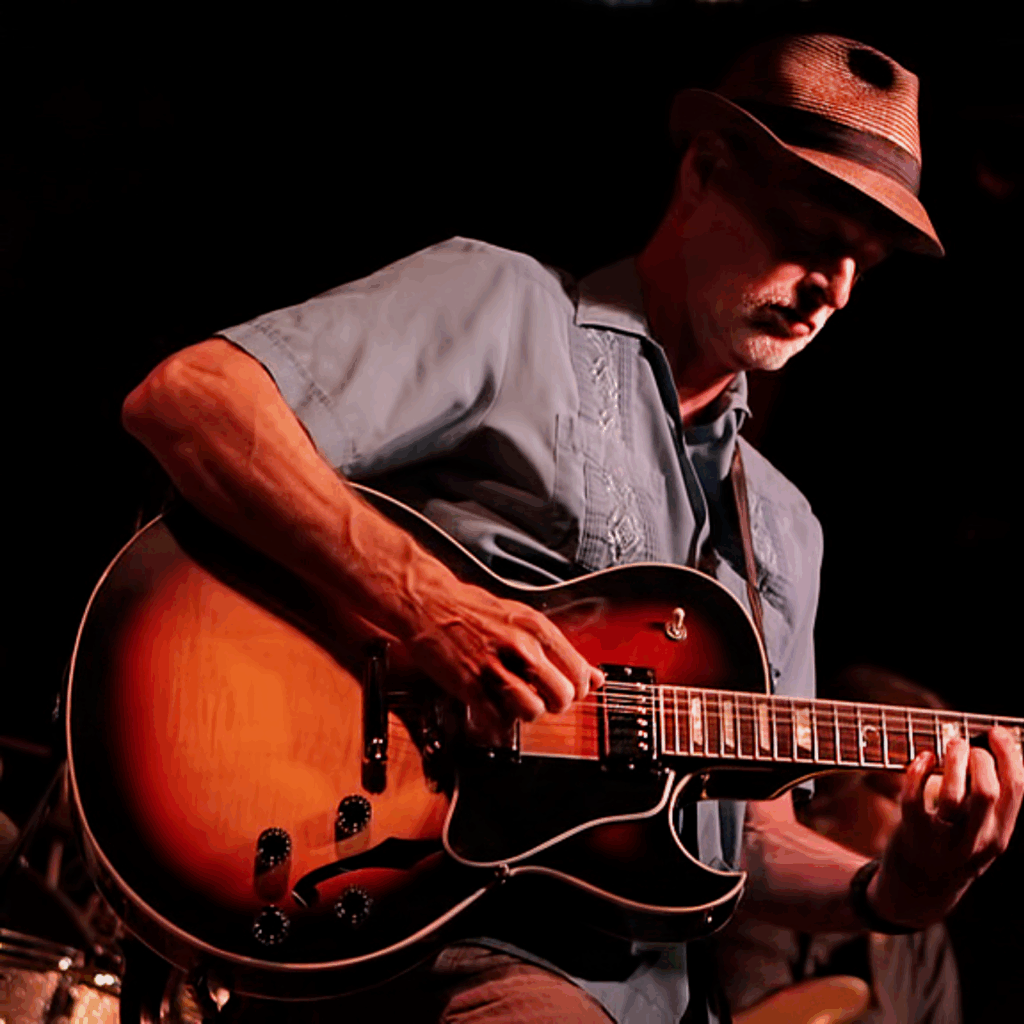
Todd Nelson

“Instrumental jazz and improvised music, that’s what I’ve been doing since 2011,” says the son of musical parents. His father sang gospel and played piano, also trombone in a brass quintet whose trumpeter played in the Philadelphia Orchestra. His mother played piano and mandolin.

When a buddy started guitar lessons, so did Nelson. When the friend quit, Nelson kept going; studying and performing while still in elementary school in Rhode Island. “We called ourselves the Incidentals,” he says, recalling his first band. That sounded too much like a barbershop quartet, so they became Sophist Intrigue when their drummer’s sister returned in 1967 from San Francisco with suggestions. “She came up with a name for us and painted my guitar case all psychedelic,” says Nelson. “We had no idea what [Sophist Intrigue] meant, and I still don’t know.” Now, it’s a song title on his “jazzamericana” album, released in March.

JazzAmericana (with added capitals) also names the new (since February) band he leads Thursday. Nelson plays guitar with bassist Kyle Esposito and drummer Justin Tracy. Esposito played with Nelson and drummer Manuel Quintana in NEQ and with Tracy and singer Mark Delgado in Spanish Ghost. London-born Tracy led his own band at European jazz festivals while Esposito also plays with Hudson Valley saxophonist Jay Collins.

Inspired by rockers Jimi Hendrix, Eric Clapton and Peter Green initially, Nelson discovered jazz, first as a fan of Miles Davis and John Coltrane. Then, as a player, he admired John Scofield – “so original in his sound,” says Nelson; and Kenny Burrell, for “…the simplicity of his playing…no wasted notes, so melodic.”

After high school in Delmar, Nelson cross-enrolled at SUNY Albany (now UAlbany) and (now closed) College of St. Rose to continue guitar training. And he found in Albany’s Lark Street/J.B. Scott’s 1980s scene a do-it-yourself ethos that encouraged creativity, playing with “some really good musicians and singers who could play all kinds of stuff,” he recalls. 

Those “really good musicians and singers” became the Units (later Fear of Strangers). One of Albany’s best and best-known late 70s-early 80s rock bands, they started by playing covers but soon turned to creating original songs. “We were fortunate to start writing at a time when there was a kind of anything-goes ethos about songs…A lot of the stuff we wrote was pretty out there,” notes Nelson. He found, “It was OK to write songs about buildings and food,” he says, citing a Talking Heads album. “It freed us up.”

In JazzAmericana, Nelson takes full advantage of his freedom. He plays mostly originals today, including “Paper Machete,” “Sophist Intrigue,” “The Dogleg of Panhandle,” “Block Party” and “Nevertheless” – tunes from two NEQ albums (“None of the Above,” 2014; and “Nevertheless,” 2021) and two under his own name (“Here,” 2011, and “jazzamericana,” 2025).

“Some of the (original) songs are highly composed and they all have some improvising space in there,” says Nelson, where “we just let our freak flag fly.”

They also play covers including “Black Orpheus,” “Love for Sale,” the Kenny Burrell favorite “Midnight Blue,” the Miles Davis classic “Blue in Green,” “The Backwoods Song” and the Jim Hall version of Rodrigo’s classical “Concerto de Aranjuez.” Nelson says, “Playing covers, it’s best to start simple….I just try to learn the melody and see how I can get some chords in there and map out where I’m going.”

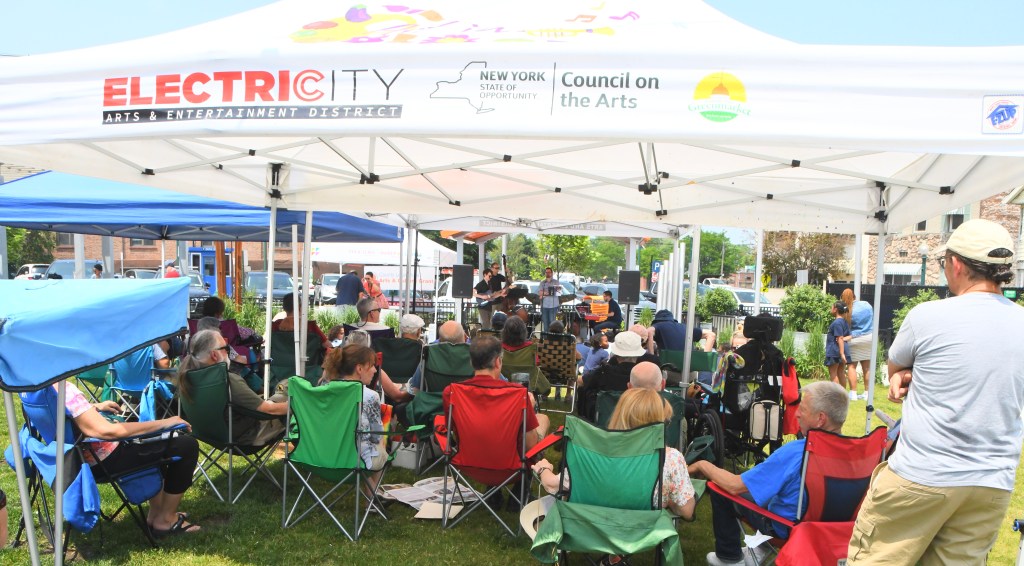
Jazz on Jay free concerts are noon to 1:30 p.m. at Jay Square opposite Schenectady City Hall. The rain site is Robb Alley at Proctors, 432 State St. Seating is provided indoors at Robb Alley, but patrons are invited to bring their own seating and refreshments to Jay Square.

Jazz on Jay is presented by the ElectriCity Arts and Entertainment District and sponsored by the New York State Council on the Arts, a Schenectady County Legislature Arts & Culture Grant, Downtown Schenectady Improvement Corporation, The Schenectady Foundation, Schenectady County, Schenectady City Hall, and Proctors Collaborative. This blog is a series media sponsor.

OLD DEMONS, HOPES THAT SAVE

REVIEW – Steve Earle and Zandi Holup at Universal Preservation Hall, Thursday, June 5, 2025

Both veteran omni-troubadour Steve Earle and opener Zandi Holup had self-improvement on their minds Thursday at Universal Preservation Hall. Both took their demons out for a walk, and vanquished them.

Earle’s autobiography in songs and stories took a decades-long walk; from San Antonio childhood to New York City bodegas via Nashville music-biz travails; success on radio and world tours despite genre-jumping; addiction, prison and recovery; reconciliation with a sometimes troubled self and confident serenity.

He started in the 1970s and wound up at 70, at peace after spectacular highs and lows. Onstage from 8:35 to 10:40, his stories sometimes took longer to tell than the songs to sing.

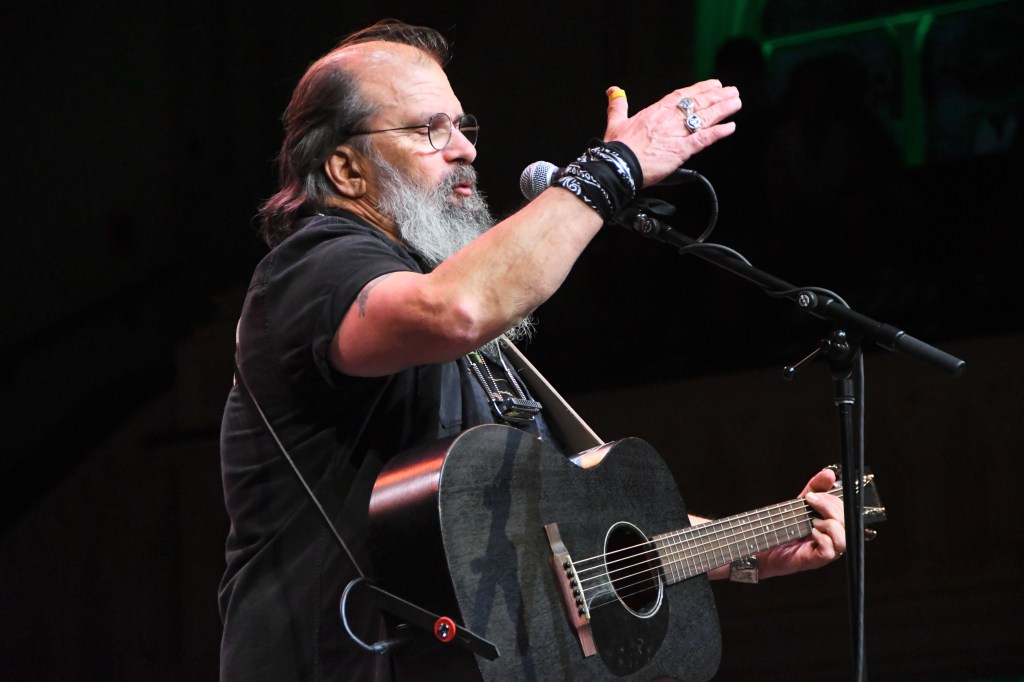
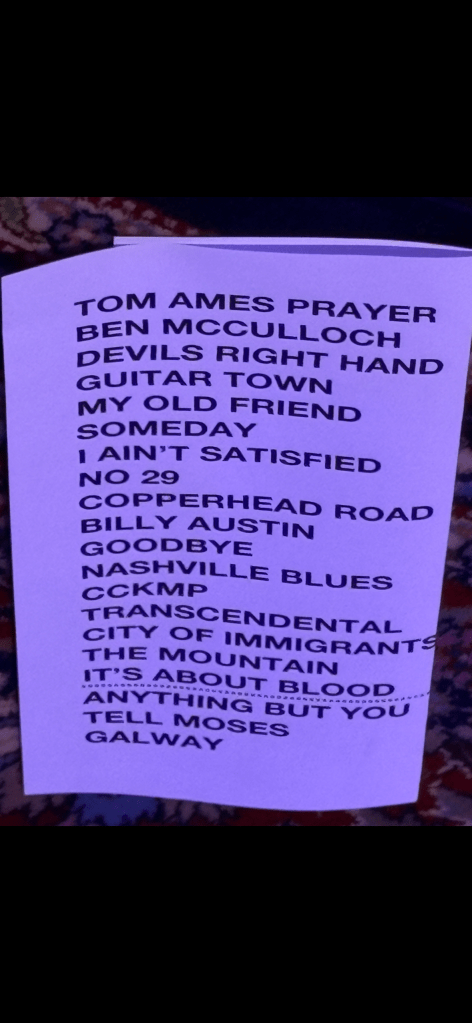
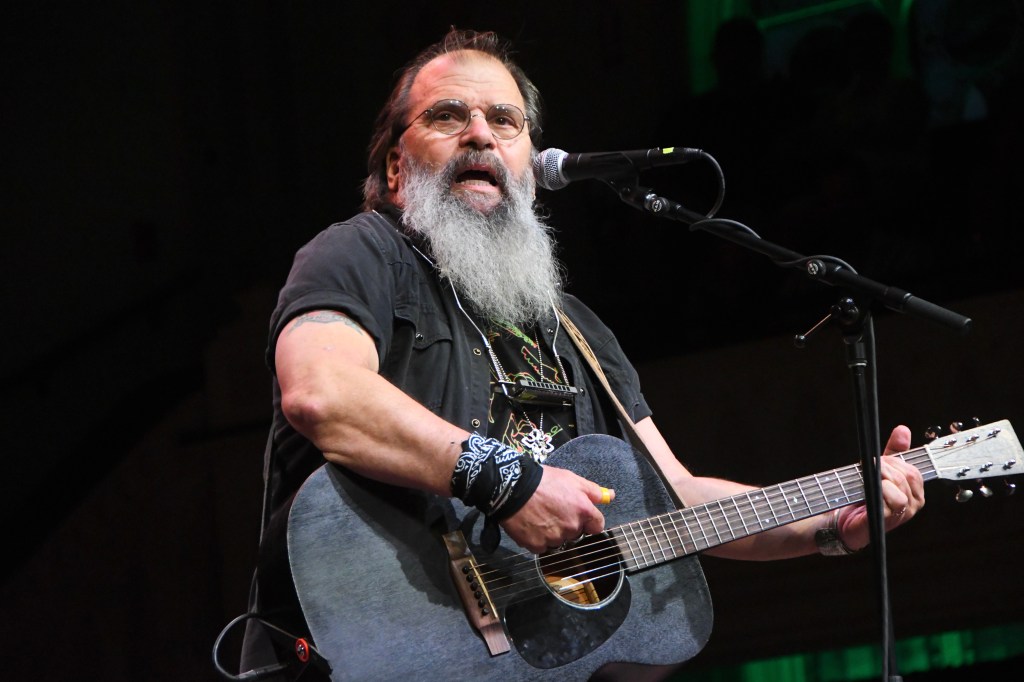
Alone with his carbon-fiber guitar, he started uptempo with “Tom Ames’s Prayer,” written at 20 but not recorded until 20 years later, after prison and sobriety. The Civil War lament “Ben McCulloch” dug deeper into history, after Earle set it up with family-history episodes including his father’s FAA career. “Devil’s Right Hand,” he said, wasn’t originally a gun-control song, until it was; he wrote it while living in “a trailer full of guns” and cited murder stats as changing his mind. Springsteen’s approval, he recalled, made “Guitar Town” a success – a very up and down experience for the defiantly mercurial songwriter. 

He gave each song its due in extended intros, mostly around three minutes, though sometimes much more; but “My Old Friend the Blues” flowed into “Someday,” both thoughtful musings, with no stops or seams. 

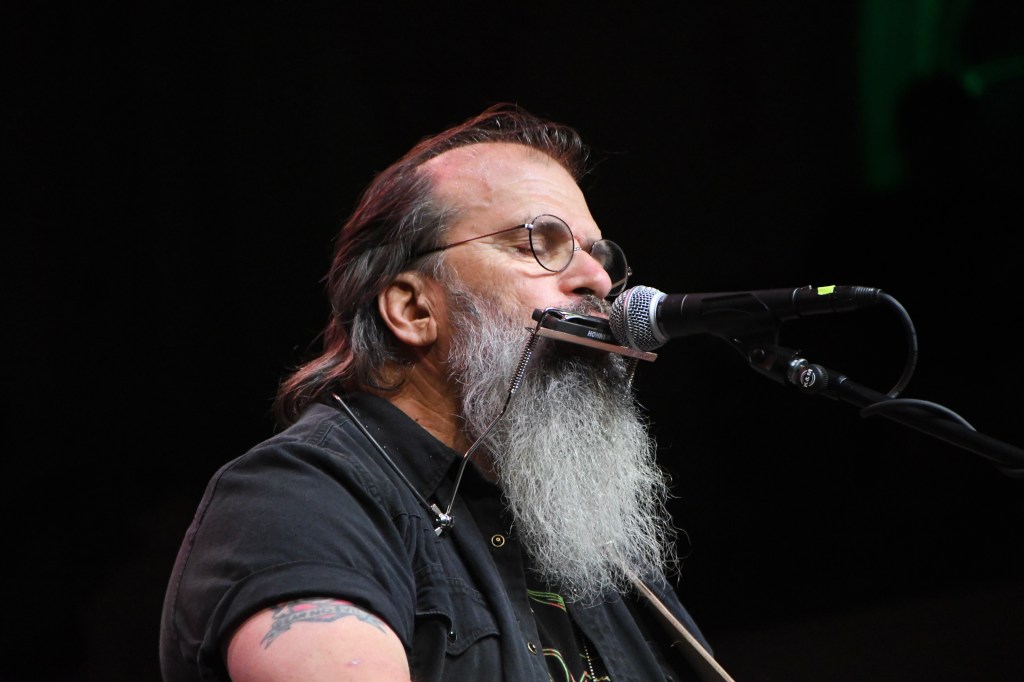
He added harmonica in “I Ain’t Satisfied” and enlisted the first singalong, stepping away from the mic to lead the chorus. He then intro’ed “Number 29” with seven minutes of musing about tough teen times in San Antonio until friend Bubba (football jersey no. 29) defended him. Here his gravelly voice took on an affectionate, grateful sweetness. He muscled up again in “Copperhead Road” from his (1988) “rock and roll record;” here the forceful cadence and groove meant as much as the words as he lamented the Vietnam War like “Ben McCullouch” had the previous century’s mistake.

Then, his own came out, in the super-sad prison and execution tale of “Billy Austin.” He acknowledged self-destruction via drugs just when things were going well; he’d shrugged off many interventions before rehab and sobriety. Noting son Justin’s fentanyl overdose death somberly set up “Goodbye,” “Nashville Blues” and “Cocaine Cannot Kill My Pain” – nor Earle, fortunately.

“Transcendental Blues” marked his return to a better self and active music-making, and the joyful anthemic “Nation of Immigrants” urged acceptance and empathy; the latter, he said, is the purpose of music. Honoring John Hartford, the Grand Ole Opry (he’ll be admitted in September, at Vince Gill’s invitation) and bluegrass as hillbilly bebop in the intro, his bluegrass experiment “The Mountain” waltzed serenely on cozy mandolin riffs. It also beautifully set up the epically angry talking blues-indictment-eulogy “It’s About Blood” mourning those lost in a mine-disaster. A few fans stood in tribute as Earle recited the names of the dead.

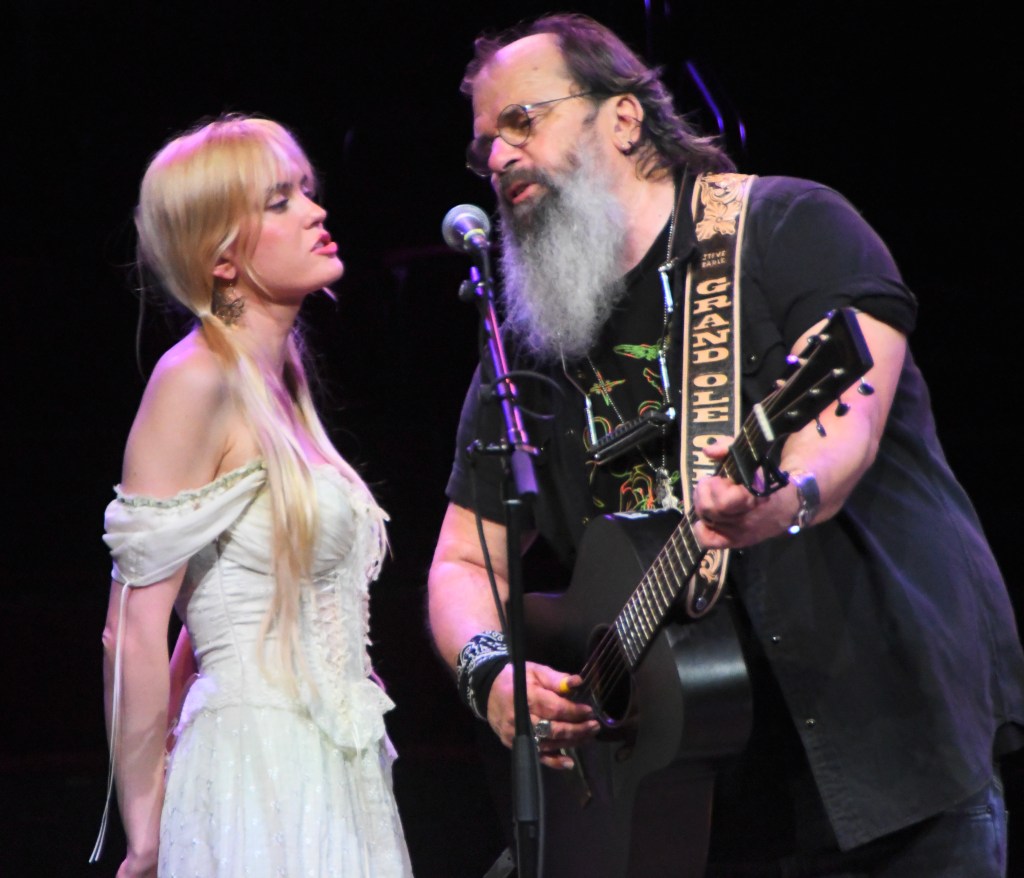
In his encore, Earle bought out opener Zandi Holup to duet on “Everything But You,” returned UPH to its church origins in the singalong “Tell Moses” and honored the Irish musicians he much admires in “Galway Girl.”

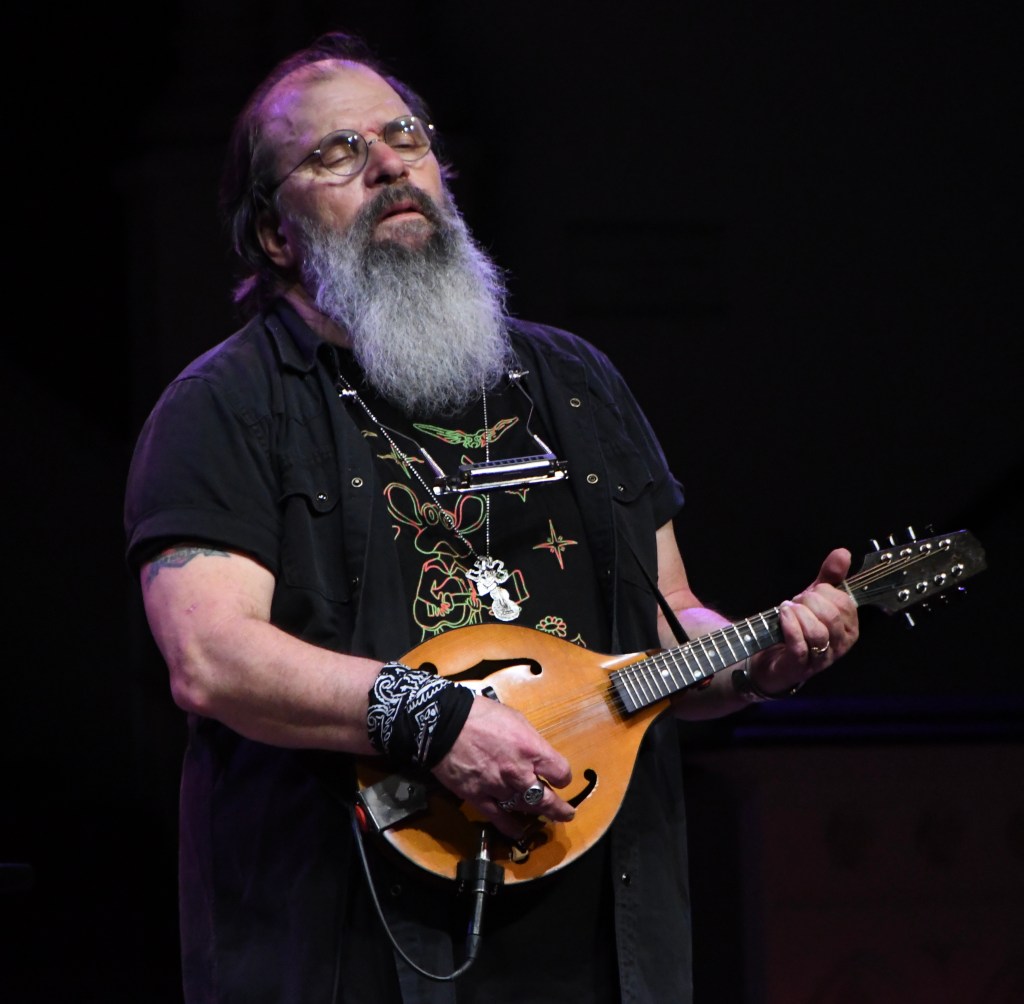
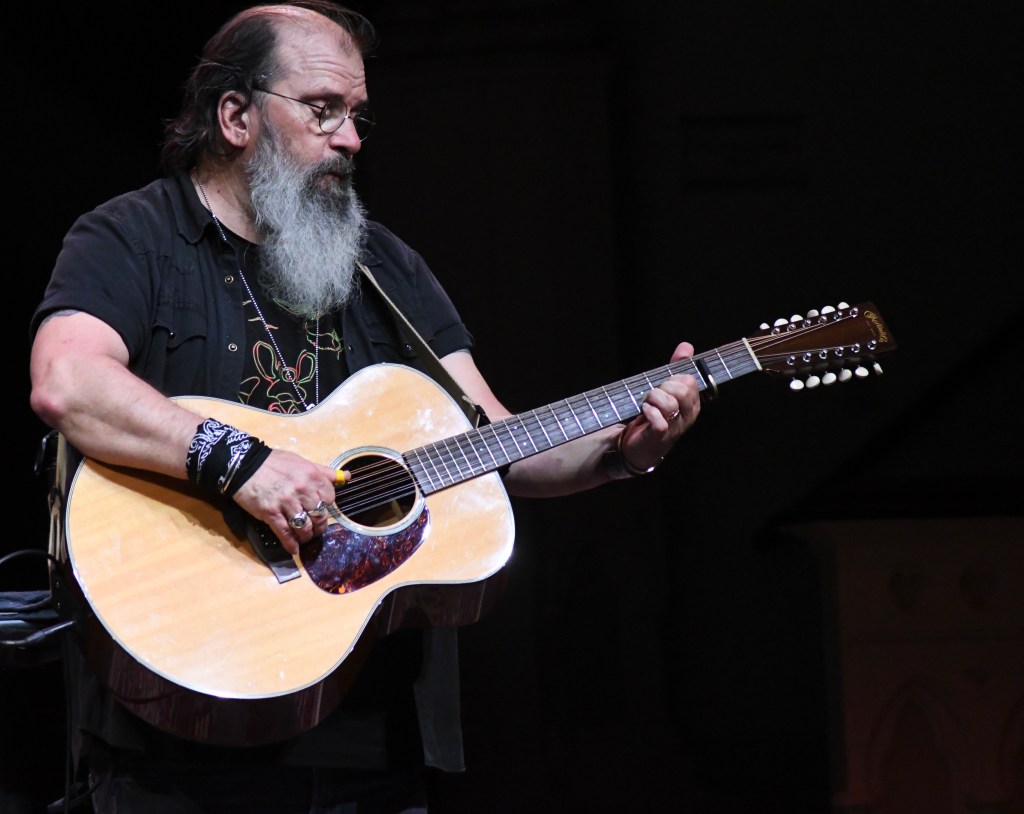
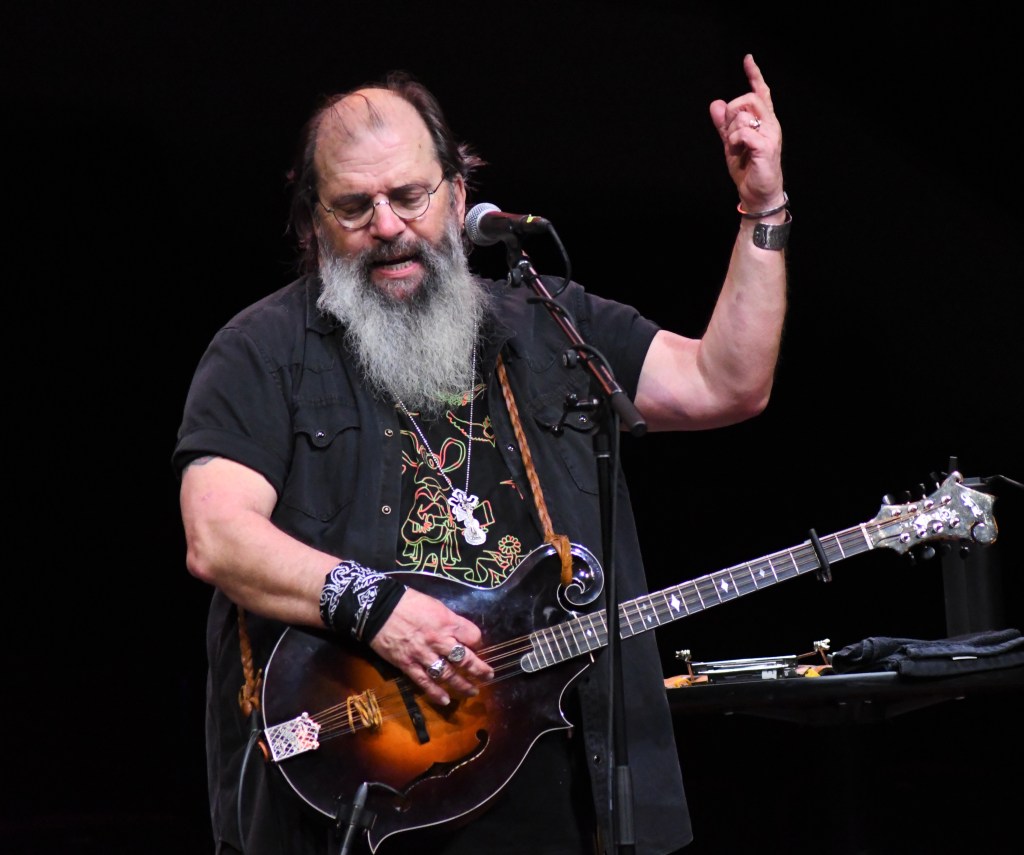
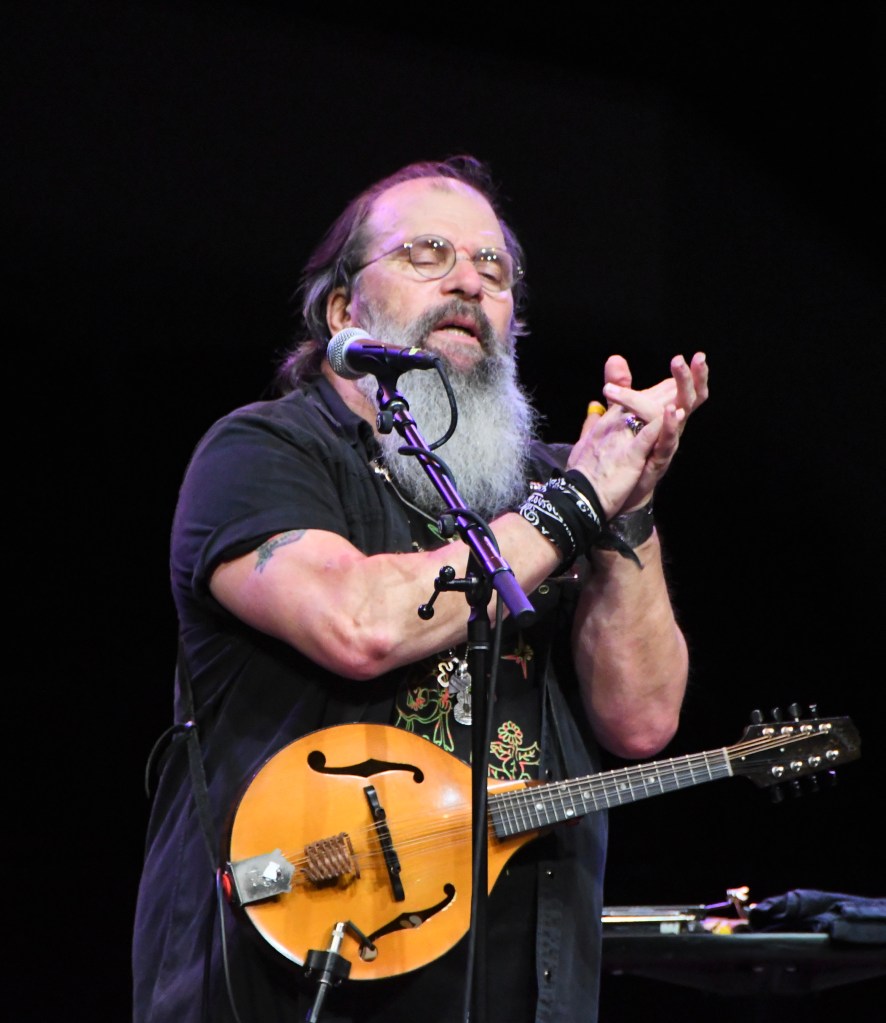
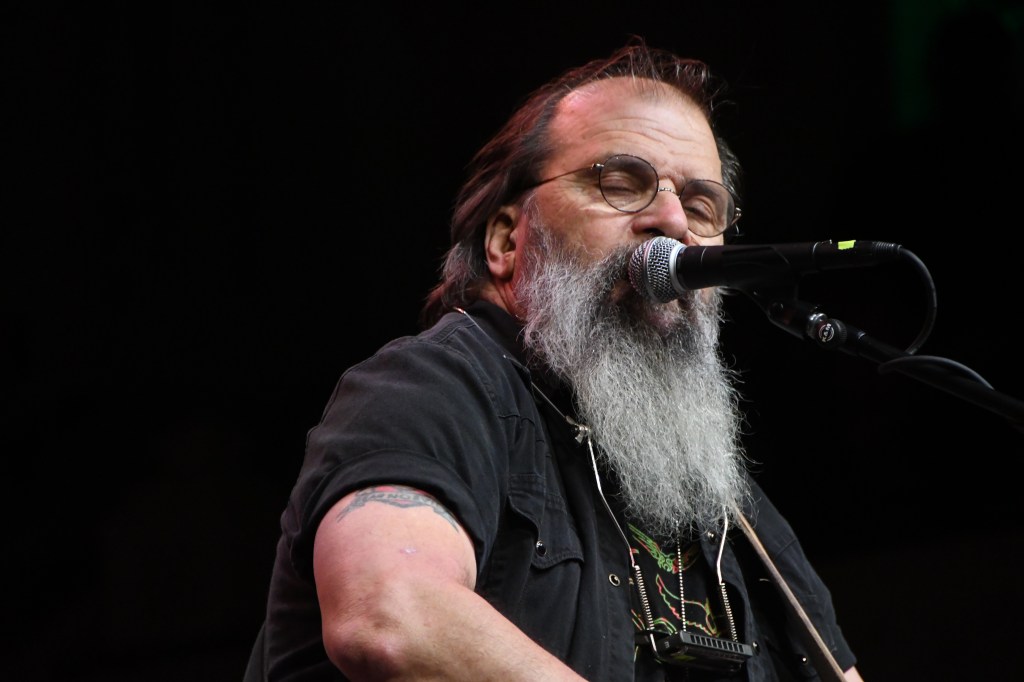
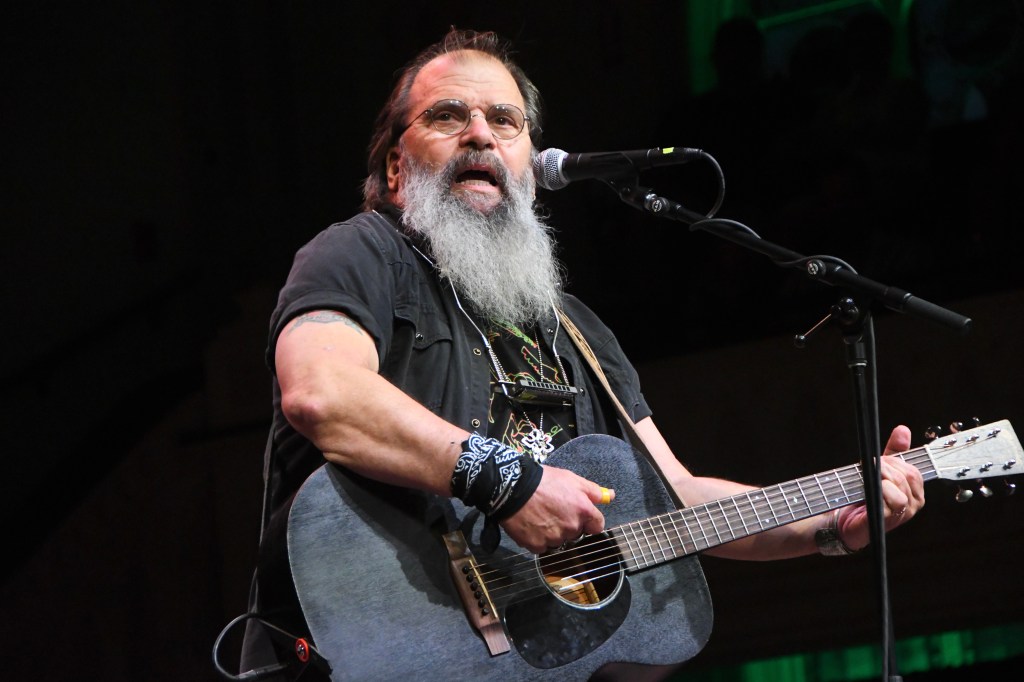
Burly, with Popeye arms and John Brown beard, he framed his un-pretty but powerful and accurate voice in mostly six-string guitar picking or chord strums. He changed occasionally to 12-string, mandolin or octave mandolin in simple settings that directed the ears to his words. Always the words.

Octave mandolin

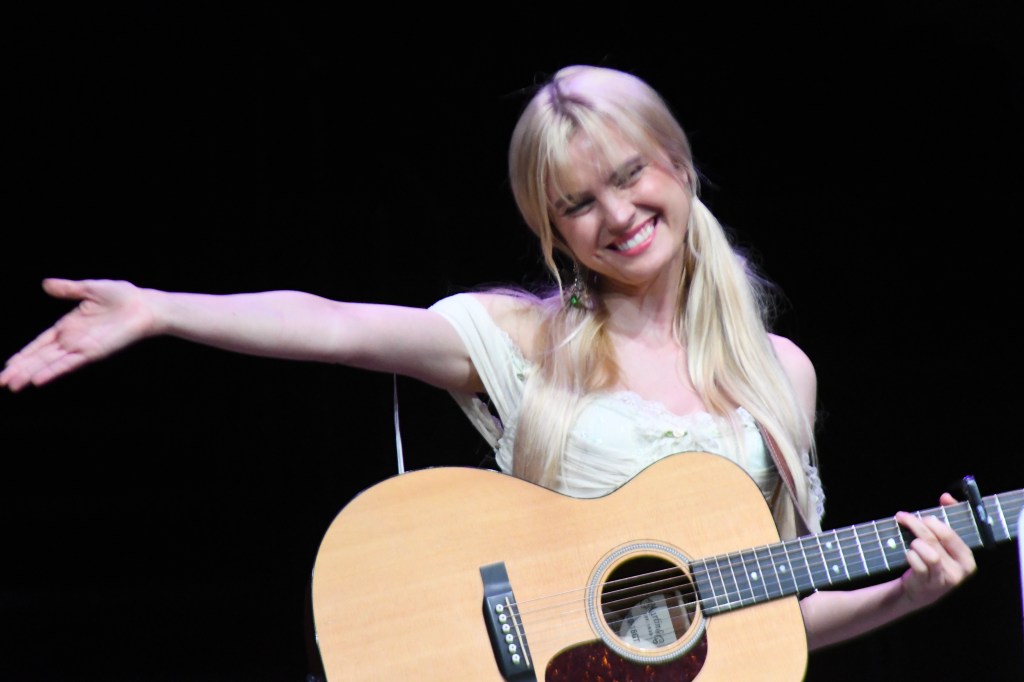
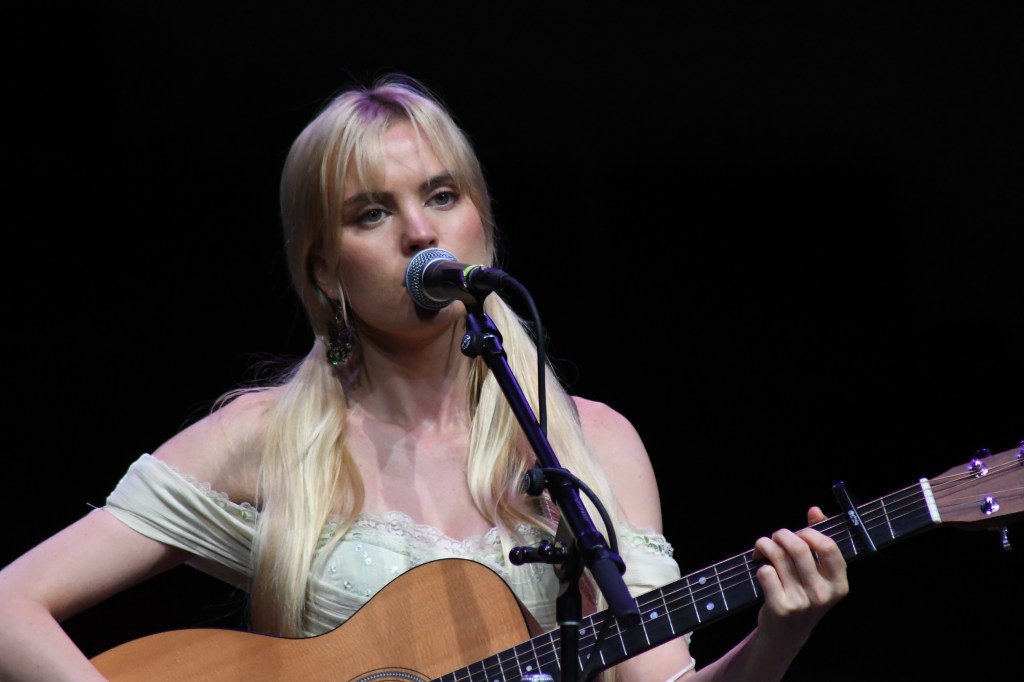
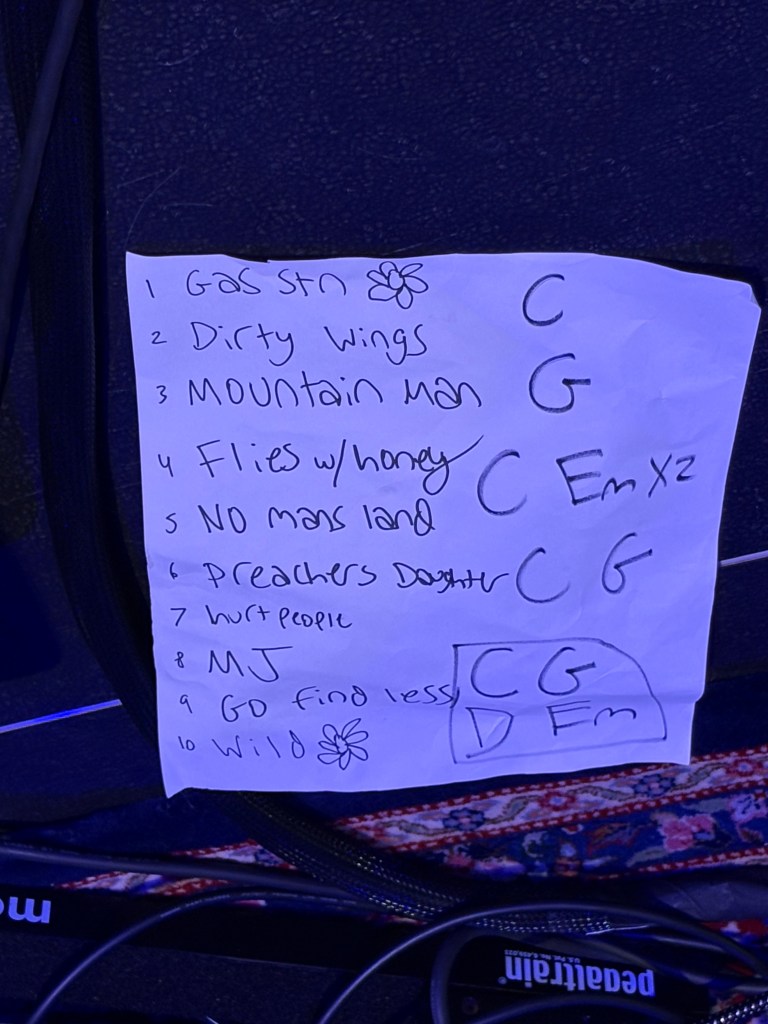
Now 29, opener Zandi Holup shared Earle’s candor about fears and failings; fewer years but similar bumps and bruises. Her clear strong voice carried the authority of harsh lessons learned; sometimes on her own, as in the family-strife lament “Hurt People,” sometimes in the challenges of cherished friends. The compassionate cries in “Mary Jane” about a junkie friend yielded to happy reflection of now she got clean.

Zandi Holup

Pennsylvania-born and Nashville-based, her sturdy folk-country songcraft showed lessons chiefly from Earle, tour-mate over three summers now. In “Preacher’s Daughter,” she echoed his writing style so closely in rhyming and repetitions that you could almost hear his voice alongside hers – foreshadowing nicely their co-write and duet “Everything But You” in his encore. 

Steve Earle’s Setlist

Zandi Holup’s Setlist

First Jazz on Jay Show Stars Dylan Canterbury’s New Quintet

Review – Dylan Canterbury Quintet Kicks Off Jazz on Jay Season Thursday, June 5, 2025

Trumpeter Dylan Canterbury put a confidently positive spin on things Thursday, opening the new 13-show season at Jazz on Jay in Schenectady’s Jay Square.

He led his quintet through his original swing-bop “Spin” to open, then followed with “Quiet Revolution” which he explained urges us to be the change we want to see. They closed 90 minutes later with the similarly optimistic standard “Wrap Your Troubles in Dreams and Dream Your Troubles Away.”

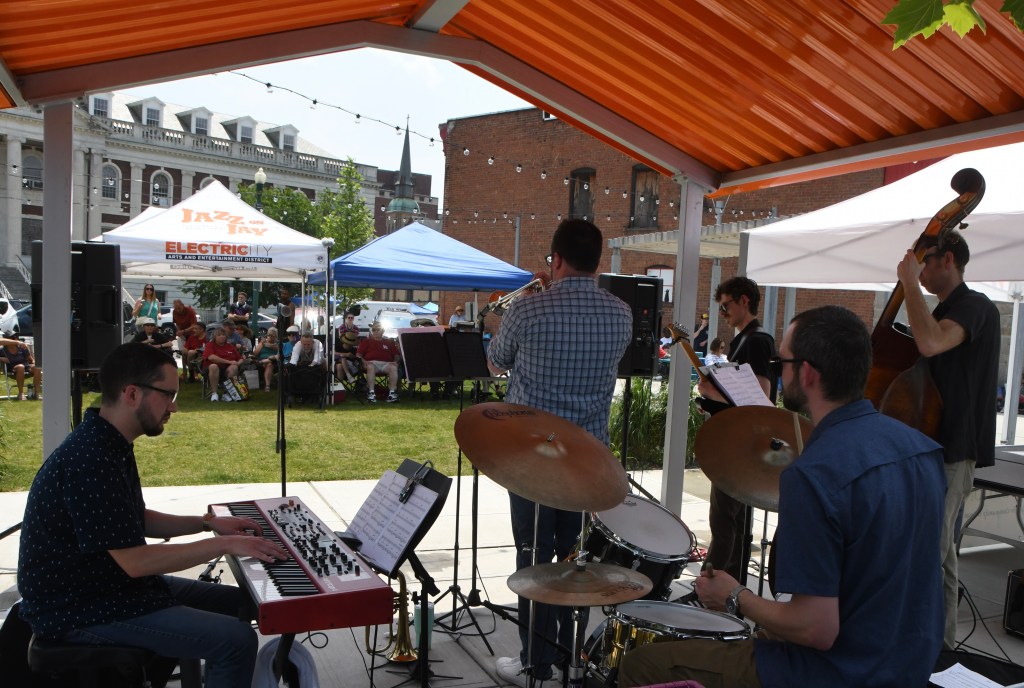
Dylan Canterbury’s New Quintet – From left; Wyatt Ambrose, guitar; Dave Shoudy, bass; Canterbury; Matt Niedbaski, drums; and Tyler Giroux, keyboard

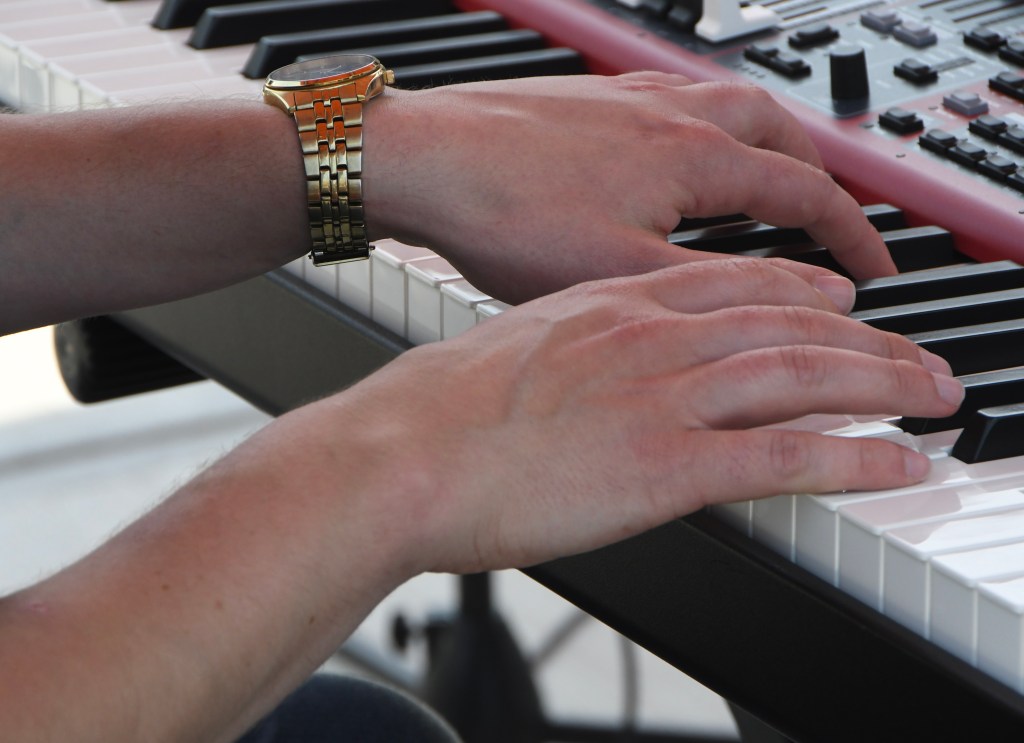
There was nothing didactic or naively simplistic about this since the well-made originals and carefully curated standards all inspired complex and sophisticated playing by all hands: Canterbury, trumpet and flugelhorn; Wyatt Ambrose, guitar; Tyler Giroux, piano; David Shoudy, bass and Matt Niedbalski, drums. Familiar faces to jazz fans hereabouts – Canterbury had introduced “Quiet Revolution” with Keith Pray’s Big Soul Ensemble at the Van Dyck years ago – the quintet played its first gig just four days before. But there was nothing tentative or loose about this, either. They showed they know how to blend and how to emerge from the blend in individual statements that shed a personal light on things.

After the spry opener “Spin,” Canterbury noted “We’re off,” in racetrack parlance, shifting to a more reflective, slower tempo in “Quiet Revolution.” He took the best solos in both but let everybody shine throughout. Though Shoudy and Niedbalski took the fewest solos, they jumped out of their supporting roles whenever Canterbury cued them, with gusto and grace. Ambrose and Giroux bought fresh thinking and fluent playing to everything.

Noting they were shifting from their most serious-themed song, with its Buddhist serenity, to the least – “Torgo’s Lament” inspired by what Canterbury called a terrible movie* – they slowed to a waltz-time amble, Canterbury shifting to flugelhorn for a mellow feel, then stepping back for Shoudy to make his solo statement.

“Trust Fall” cruised on their more customary mid-tempo, and here Canterbury gave the drummer some and Niedbalski rose to the challenge, without distorting things, playing within the song and his groove.

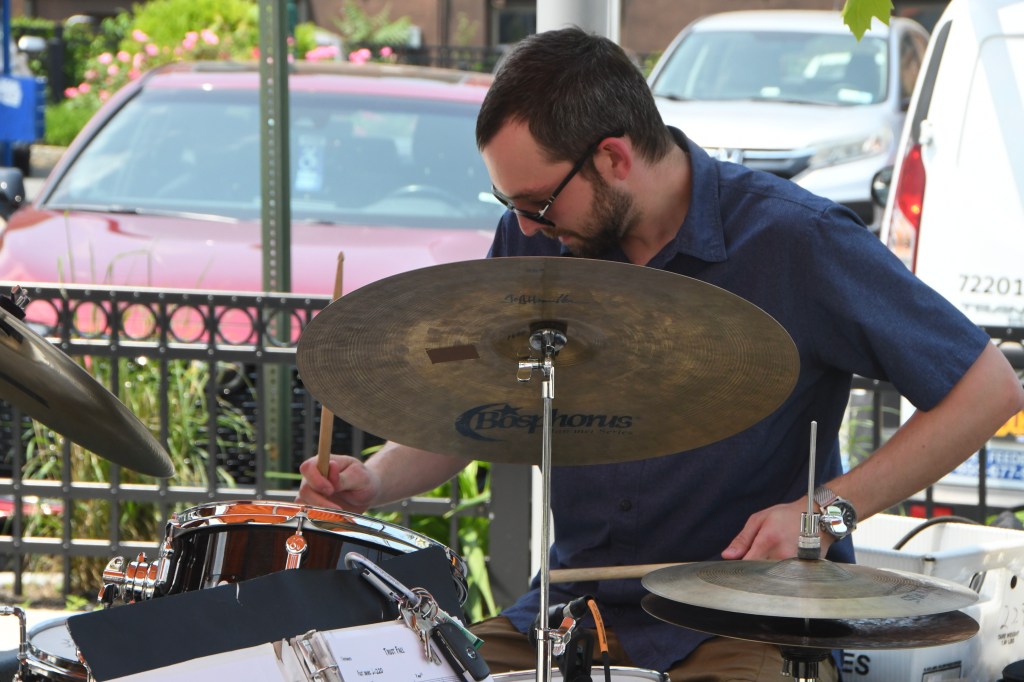
Matt Niedbalski

Steve Swallow’s “Eiderdown” slid back to a mellow and conversational expression, nicely balanced but spiced with short, punchy statements. Then it was back to originals, the lively flugelhorn reverie “Bullfrog” with its complex cadence and bright, lively flow.

Tyler Giroux

The challenge of COVID shaped “One More Step,” an “it’s-always-SOMETHING” lament that launched from a sweet intro sentiment to adventurous riffing. Inspired by “Watershed Down,” the new “El-Ahrairah” – Canterbury enjoys celebrating animals – set breezy trumpet and guitar riffing in a cozy flow that resolved in a pulsing coda. 

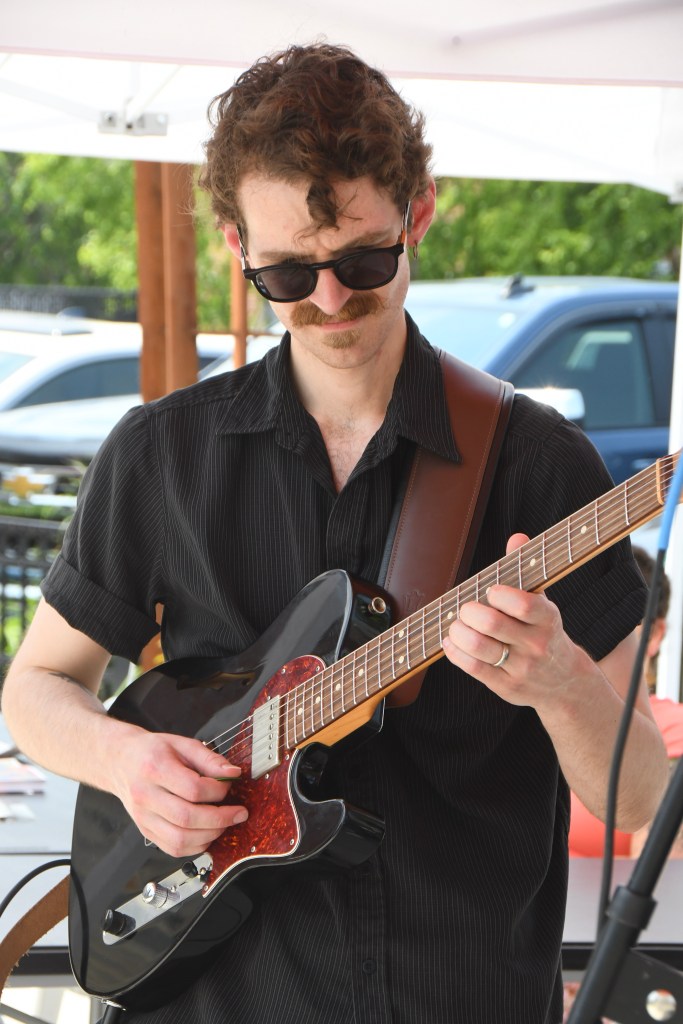
Wyatt Ambrose

Two covers closed the show, to pleasing effect. Canterbury preemptively discouraged any smooth jazz expectations around Dave Grusin’s “Chanson” by mixing mockery with a faithful quote of Chuck Mangione’s saccharine “Feels So Good” before launching into a hearty, mellow, easy and very adult rendition as Shoudy’s bass pulsed sweet and strong.

Dave Shoudy

Reprising the optimistic mood of his own “Quiet Revolution” earlier. Canterbury acknowledged our tough times of strife and stress, offering an antidote to trouble in Bill Evans’ arrangement of “Wrap Your Troubles in Dreams.” This was no over-reverent antique, as everybody’s skill and spirit engaged the familiar melody in confident ownership and expression. And, like everything they tackled all the say, it swung, offering sweetness and light, but nothing obvious or superficial. Canterbury said in a pre-show interview a few days ago that he and this new quintet would play “largely in the post-bop style, influenced primarily by 1960s Blue Note recordings.” The songs, and performances, respected that promise to strong and effective purpose. Everybody was solid and confident, but Canterbury played as the first among equals. His ideas and phrasing were strong from the first times I saw him play in Keith Pray’s big band at the Van Dyck, but he has grown impressively since then, in confidence, complexity and imagination; swinging mellow or urgently proclaiming.

From left: Tyler Giroux, Dylan Canterbury, Wyatt Ambrose, Matt Niedbalski, Dave Shoudy

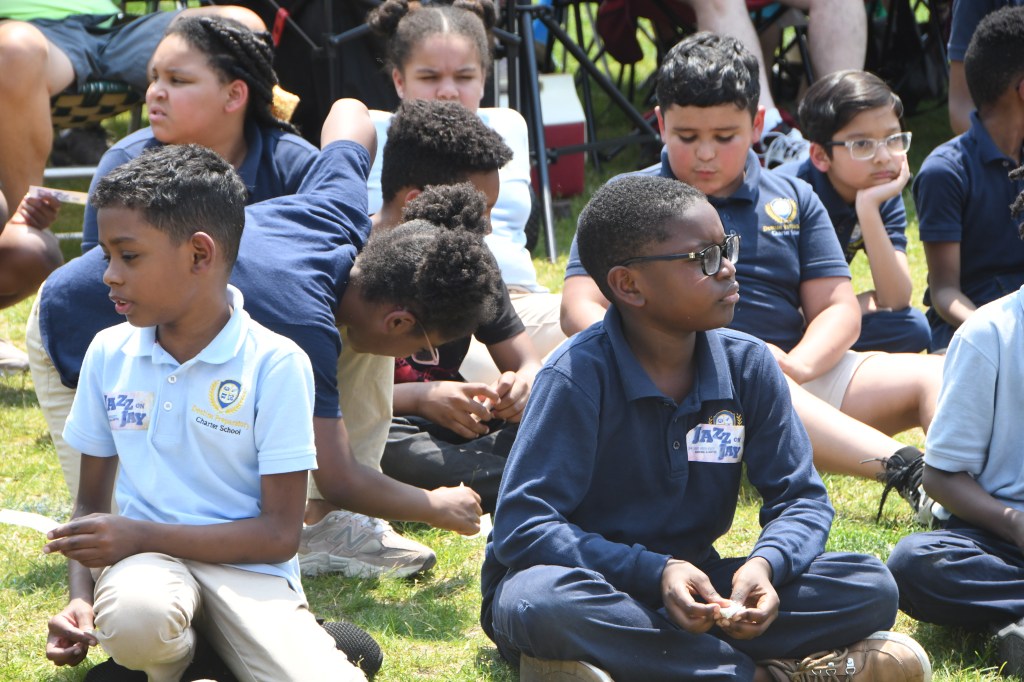
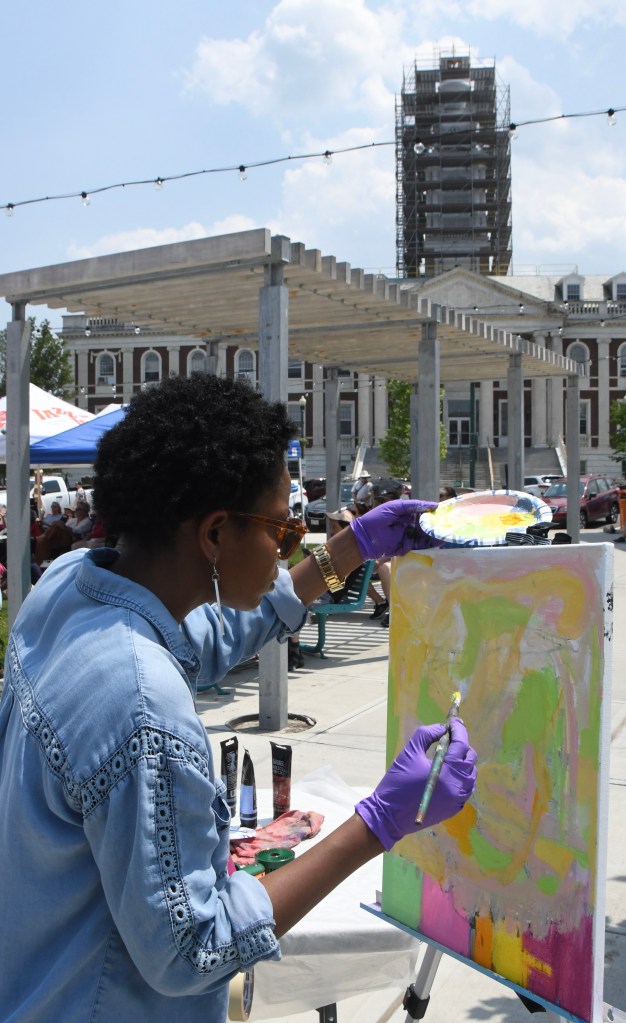
Sultry air – 88 degrees at show time, and throughout – drove fans under the four tents that organizers kindly provided, taking refuge from heat that almost, almost, discouraged Steve Nover from dancing. A few dozen third-graders marched in from the nearby charter school to sit in sometime fidgety rows up front. Discovering painter Ubu working in the wings off stage right, they clustered around her and she invited a few of the braver ones to help. Sweet.

Jazz on Jay continues Thursday, June 12 with guitarist Todd Nelson’s JazzAmericana trio: Nelson, guitar; Kyle Esposito, bass; and Justin Tracy, drums.

*Manos: The Hands of Fate.”

Linnea Bailey of the Proctors Collaborative Hosted Jazz on Jay

All Jazz on Jay shows are free. The rain site is Robb Alley at Proctors, 532 State St., Schenectady. Seating is provided indoors; fans bring their own seats to Jay Square.

Jazz on Jay is presented by the ElectriCity Arts and Entertainment District and sponsored by the New York State Council on the Arts, a Schenectady County Legislature Arts & Culture Grant, Downtown Schenectady Improvement Corporation, The Schenectady Foundation, Price Chopper/Market 32, MVP Health Care, Schenectady County, Schenectady City Hall, and Proctors Collaborative. This blog is a series media sponsor.
Jazz on Jay Season Opens Thursday

Dylan Canterbury’s New Quintet Plays New Season’s First Show, 12 Noon on Thursday, June 5

Dylan Canterbury opens the new season at Jazz on Jay Thursday; the busy trumpeter, composer and arranger played his first-ever show as bandleader at Jazz on Jay in 2021. All 13 noontime shows are free, open to everyone.
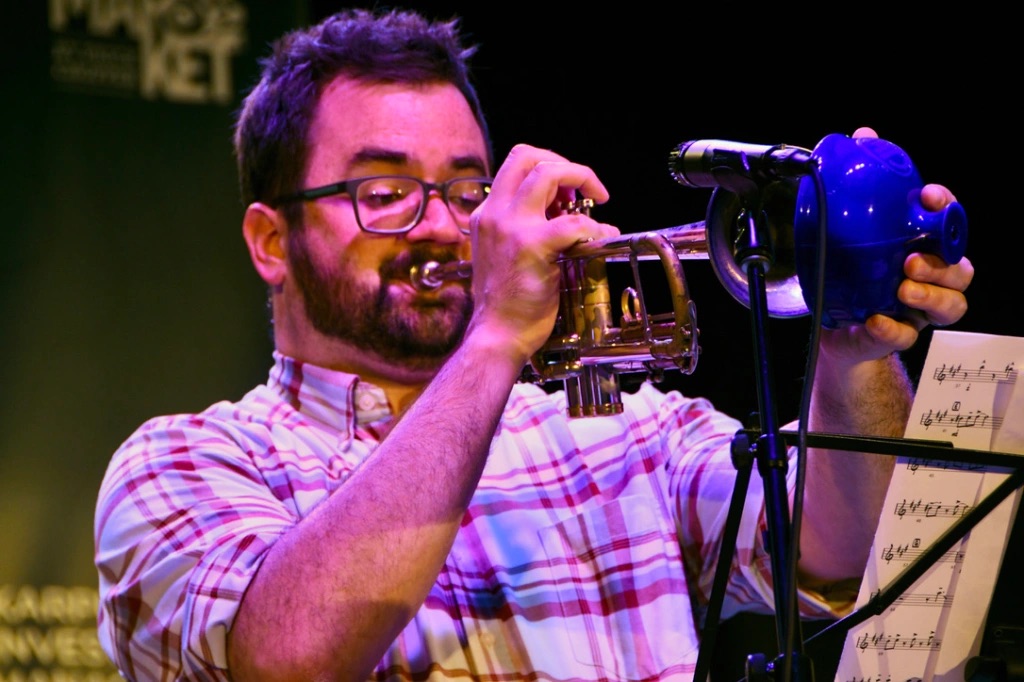
Thursday, Canterbury leads a new quintet whose guitarist Wyatt Ambrose opened last season at Jazz on Jay. While this lineup is new – Ambrose; Tyler Giroux, piano; Dave Shoudy, bass; and Matt Niedbalski, drums – “we’ve all worked with each other in different settings before,” says Canterbury.

Dylan Canterbury. Photo provided

For Canterbury, it all started with a birthday CD. “Louis Armstrong was and continues to be my primary inspiration,” he says. “My parents got me a CD of his for my 10th birthday, and I still remember the feeling I had when I listened to it for the first time. Even as a kid, I knew I was experiencing something uniquely special, and that I wanted to be a part of that in any way possible,” he recalls.

Making music himself seems a natural for this member of a musical family. Canterbury’s father played trombone in high school and college, one cousin teaches music and another is training as a music therapist. Canterbury’s wife is a classically trained violinist and vocalist, and her father plays cello with the Syracuse Orchestra. 

Locally, Canterbury studied with Eric Latini and Joe Lamb and played his first gig at 15; at SUNY Purchase he trained with Jon Faddis, Jim Rotondi and Ray Vega. 

“Most of the tunes (he’ll play Thursday) are originals,” says Canterbury, “largely in the post-bop style, influenced primarily by 1960s Blue Note recordings.” He adds, “For originals, we’ll be playing some of my older compositions such as ‘Spin’ and ‘Quiet Revolution,’ as well as debuting a new tune called ‘El-Ahrairah.’” They’ll also play Steve Swallow’s “Eiderdown,” Dave Grusin’s “Chanson” and Bill Evans’ arrangement of “Wrap Your Troubles in Dreams.”

“When playing standards, I try to keep the song’s original intent in mind while finding some kind of new wrinkle to lean into,” he says. “It’s important to maintain the integrity of a tune while also not just treading the same ground as those who came before us,” he explains, adding. “There’s ample room for improvisation.”

Busy as player and composer, Canterbury leads own quintet, co-leads the BWC (Brucker-Weisse-Canterbury) Jazz Orchestra, and he plays with Keith Pray’s Big Soul Ensemble, Bobby Previte’s Upstate Composers Orchestra, the Empire Jazz Orchestra, the Tim Olsen Big Band and Alex Torres and his Latin Orchestra. His “Going Places” album hit in 2020.

He also teaches at SUNY Schenectady where he directs the jazz ensemble and teaches jazz-focused courses in trumpet, improvisation, and history. “Until its closure last year, I was on faculty at the College of St. Rose,” says Canterbury, “where I taught improvisation and arranging. I also maintain a studio of private students.”

For the nonprofit Jazz Lines Publications that preserves historic jazz literature and scores, he does engraving, the craft of using musical notation to produce cleaned-up versions of classic music scores by referencing original source material. When written sources aren’t available, Canterbury’s well-tuned ear enables him to copy scores from original recordings, a craft called transcribing.

On Friday, July 18th, Canterbury will play Music Haven in Schenectady’s Central Park with the SUNY Schenectady Jazz Faculty Combo; and he plays with Keith Pray’s Big Soul Ensemble on the last Tuesday of every month at the Cock ‘n Bull in Galway. Both ensembles often play his original compositions, as does the BWC Jazz Orchestra whose performances are less frequent these days.

Jazz on Jay free concerts are noon to 1:30 p.m. at Jay Square, the newly park space opposite Schenectady City Hall. The rain site is Robb Alley at Proctors, 432 State St., Schenectady. Seating is provided indoors at Robb Alley, but patrons are invited to bring their own seating and refreshments to Jay Square.

Jazz on Jay is presented by the ElectriCity Arts and Entertainment District and sponsored by the New York State Council on the Arts, a Schenectady County Legislature Arts & Culture Grant, Downtown Schenectady Improvement Corporation, The Schenectady Foundation, Price Chopper/Market 32, MVP Health Care, Schenectady County, Schenectady City Hall, and Proctors Collaborative. This blog is a series media sponsor.